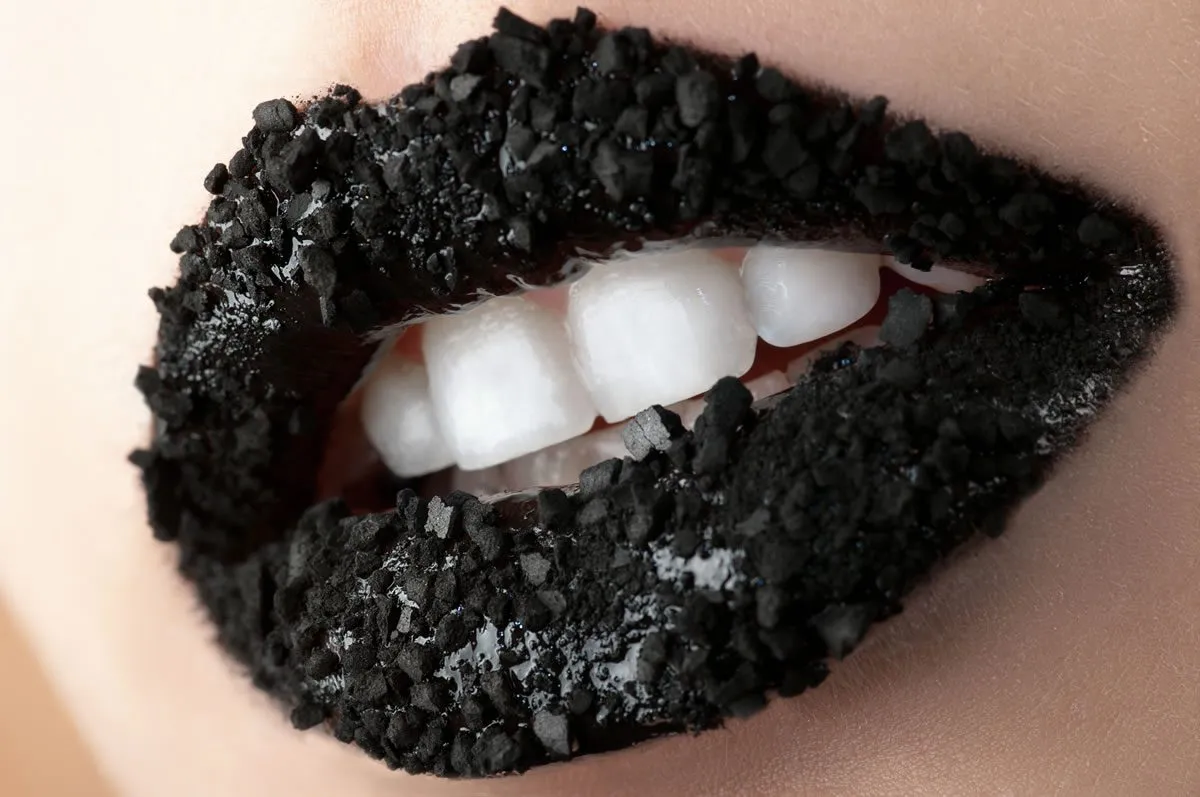
Understanding Activated Charcoal for Whitening
Activated charcoal has emerged as a popular home remedy for teeth whitening, drawing attention from those seeking a natural and effective approach to brighten their smiles. Unlike traditional teeth whitening methods that rely on chemical bleaching agents, activated charcoal utilizes its unique properties to gently lift stains and impurities from the surface of your teeth. It’s important to understand the basics of this method and its potential benefits. This article delves into the science behind activated charcoal and provides a comprehensive guide to using it for achieving a brighter, more radiant smile. Whether you’re new to activated charcoal or are looking to deepen your knowledge, this guide will provide you with all the essential information.
How Activated Charcoal Works on Teeth
The effectiveness of activated charcoal in teeth whitening lies in its unique properties. Activated charcoal is a fine, black powder made from various sources, such as coconut shells, wood, or peat. The ‘activation’ process involves heating the source material at high temperatures and then exposing it to a gas, which creates a highly porous structure. This porous nature gives activated charcoal a large surface area, making it exceptionally good at absorbing substances. When used on teeth, activated charcoal acts like a magnet, attracting and binding to stains caused by coffee, tea, wine, and other food particles. As you brush, the charcoal gently lifts these stains, revealing the natural whiteness of your teeth. This process is a form of abrasion, meaning it physically removes the staining compounds from the tooth’s surface.
The Science Behind Charcoal’s Whitening Power

The science behind activated charcoal’s whitening power stems from its ability to remove surface stains through adsorption. Adsorption is different from absorption; it refers to the adhesion of atoms, ions, or molecules from a gas, liquid, or dissolved solid to a surface. Activated charcoal’s porous structure has a high surface area, which allows it to adsorb a large amount of stain-causing particles. These particles, such as tannins from coffee and tea, bind to the charcoal, which is then brushed away, along with the stains. This is a gentle process and doesn’t involve any chemical alteration of the tooth enamel. It’s crucial to note that activated charcoal’s effectiveness is primarily on surface stains; it won’t change the intrinsic color of your teeth, which is determined by genetics and other factors. For deeper stains, professional whitening treatments may be more effective.
Choosing the Right Activated Charcoal Product
With the surge in popularity of activated charcoal, a variety of products are now available. Choosing the right one is essential for both effectiveness and safety. The market offers several options, from charcoal powders to toothpastes and even mouthwashes. The key factors to consider include the source of the charcoal, the other ingredients in the product, and the overall formulation. Look for products made from natural sources, such as coconut shells, as they tend to be of higher quality. Avoid products with artificial additives or harsh chemicals, as they can potentially damage your enamel. Always ensure the product is designed for dental use, as some industrial-grade charcoals may contain impurities. Researching different brands and reading reviews can help you make an informed decision. Prioritize products with clear labeling and a reputation for quality to ensure you’re getting a safe and effective product.
Types of Activated Charcoal Products
The variety of activated charcoal products available caters to different preferences and needs. Activated charcoal powder is a popular choice, offering a pure form of charcoal without any added ingredients. It’s easy to use; you simply dip your toothbrush into the powder and brush. Charcoal toothpaste combines the whitening power of charcoal with other ingredients to clean and protect your teeth. These toothpastes often include fluoride for cavity protection and various flavorings for improved taste. Another option is activated charcoal capsules, which are typically swallowed to aid in digestive health, although they don’t directly whiten your teeth. Finally, activated charcoal mouthwashes can help freshen breath and further remove surface stains after brushing. Each product type has its own advantages, so choosing the right one depends on your specific oral care routine and preferences.
Selecting the Best Charcoal Toothpaste or Powder

Selecting the best activated charcoal product, whether a toothpaste or powder, involves careful consideration of its ingredients, safety, and effectiveness. When choosing a toothpaste, look for those that incorporate fluoride to protect against cavities, essential for overall oral health. The abrasive level is also crucial; avoid products that are excessively abrasive, as they can damage the enamel over time. Check the product’s certifications, as reputable brands often have endorsements from dental associations. If you prefer charcoal powder, opt for finely ground powders, as they are gentler on the enamel. Ensure the powder is free from additives and artificial sweeteners. Always read customer reviews to gauge product effectiveness and potential side effects. Consulting with a dentist can also provide personalized recommendations based on your specific dental needs and conditions.
Proper Application Techniques for Optimal Results
Proper application techniques are vital for achieving the best results with activated charcoal whitening while minimizing any potential risks. If using charcoal powder, lightly dampen your toothbrush before dipping it into the powder; this helps the charcoal adhere to your teeth better. Brush gently in small, circular motions for about two minutes, ensuring you reach all surfaces of your teeth. Avoid applying too much pressure, as excessive scrubbing can damage enamel. For charcoal toothpaste, follow the directions on the product packaging, typically brushing twice a day. After brushing with charcoal, rinse your mouth thoroughly with water until all black residue is removed. You may also use a regular toothpaste afterward to ensure complete cleanliness. Consistency is key; expect to see noticeable results after a few weeks of regular use. Be patient and persistent, and always prioritize gentle, thorough cleaning.
Step-by-Step Guide to Using Activated Charcoal
Here’s a step-by-step guide to using activated charcoal for teeth whitening: First, gather your supplies, which include your toothbrush, the activated charcoal product (powder or toothpaste), and water. If using powder, dip your slightly wet toothbrush into the charcoal, ensuring the bristles are coated. Brush your teeth gently in small, circular motions, covering all surfaces, for about two minutes. Avoid applying too much pressure. After brushing, rinse your mouth thoroughly with water until the black residue is completely gone. You may use a regular toothpaste afterward for additional cleaning. Clean your sink and surrounding areas immediately after use to prevent staining. Repeat this process consistently, usually once or twice a day, for several weeks to see visible results. Always consult with your dentist for any concerns or if you experience sensitivity.
Maximizing Whitening with Charcoal

To maximize the whitening effects of activated charcoal, consider incorporating several complementary practices. First, ensure you’re using the product correctly, following the recommended application techniques. Maintain a consistent oral hygiene routine, brushing twice a day and flossing daily to remove plaque and food particles. Regular dental check-ups and cleanings are crucial, as a professional cleaning can remove deeper stains and plaque that charcoal might not reach. Avoid or minimize the consumption of stain-causing foods and drinks, such as coffee, tea, red wine, and dark-colored berries. Drink plenty of water throughout the day, as it helps rinse away food particles and bacteria. Use a whitening mouthwash as an additional step to further remove surface stains. Combined, these practices will enhance the effectiveness of activated charcoal and contribute to a brighter smile.
Boosting Effectiveness with Other Methods
You can boost the effectiveness of activated charcoal whitening by combining it with other teeth-whitening methods and lifestyle changes. For example, using a whitening toothpaste in addition to charcoal can provide a dual approach to stain removal and enamel strengthening. Incorporating a whitening mouthwash can help rinse away any remaining residue and further reduce surface stains. Over-the-counter whitening strips can also be used to supplement charcoal treatment; however, use these products with caution and follow package instructions to avoid any adverse effects. Dietary adjustments, like limiting consumption of staining foods and drinks, can also play a significant role. Prioritize a balanced diet rich in fruits, vegetables, and calcium-rich foods, which help maintain strong, healthy teeth. Remember, consistent oral hygiene practices, including regular brushing, flossing, and dental check-ups, are essential to achieving and maintaining a brighter smile.
Potential Risks and Side Effects
While activated charcoal is generally considered safe for teeth whitening, potential risks and side effects should be considered. One of the primary concerns is the abrasive nature of charcoal, which can potentially erode tooth enamel if used too aggressively or too frequently. This erosion can lead to increased tooth sensitivity and a higher risk of cavities. Another potential issue is the staining of dental work, such as fillings, crowns, and veneers, as charcoal can discolor these materials. Some users may experience temporary tooth sensitivity or irritation of the gums. There is also the risk of choking if the powder is inhaled. Before using activated charcoal, it is crucial to consult with your dentist to assess your oral health and determine if it’s a suitable option. They can provide personalized advice and help you avoid any potential negative effects.
Addressing Common Concerns

Several common concerns often arise regarding the use of activated charcoal for teeth whitening. One major concern is the potential for enamel erosion. To mitigate this, it’s essential to use a soft-bristled toothbrush, brush gently, and avoid excessive pressure. Another concern is the potential for staining or discoloration of dental work; always consult your dentist if you have fillings, crowns, or veneers before starting charcoal treatments. Some individuals worry about increased tooth sensitivity; if this occurs, reduce the frequency of use or consult with your dentist. Another common concern is the messiness of charcoal powder; taking precautions like brushing over the sink and cleaning up any spills immediately can alleviate this. Addressing these concerns by using the product correctly, consulting with dental professionals, and maintaining consistent oral hygiene practices can help you achieve a brighter smile safely and effectively.
Maintaining Your Brighter Smile
Maintaining your brighter smile requires a comprehensive approach that extends beyond just teeth whitening. Regular oral hygiene practices are fundamental. This includes brushing your teeth twice a day for two minutes each time, flossing daily to remove plaque and food particles, and rinsing with an antibacterial mouthwash. Schedule regular dental check-ups and professional cleanings every six months, or as recommended by your dentist. These professional cleanings remove stubborn stains and plaque, preventing them from dulling your smile. Pay attention to your diet; limit the consumption of stain-causing foods and drinks such as coffee, tea, red wine, and dark-colored berries. Drink plenty of water to stay hydrated and rinse away food particles. Avoid smoking and chewing tobacco, as these habits significantly impact tooth color and overall oral health. By incorporating these practices, you can enjoy a consistently brighter smile for years to come.
Long-Term Oral Hygiene Practices
Long-term oral hygiene practices are the cornerstone of a healthy, bright smile. Consistent brushing and flossing are essential. Brush your teeth for two minutes, twice a day, using a soft-bristled toothbrush and fluoride toothpaste. Floss daily to remove plaque and food particles from between your teeth, where your toothbrush can’t reach. Incorporate regular dental visits into your routine. Schedule check-ups and cleanings every six months, or as recommended by your dentist. These professional cleanings remove stubborn stains, prevent gum disease, and help detect any potential problems early. Choose a balanced diet. Limit sugary snacks and beverages, which contribute to tooth decay. Include calcium-rich foods like dairy products and leafy greens to strengthen your teeth. Avoid tobacco products, which can stain your teeth and increase your risk of gum disease and oral cancer. Following these practices will not only improve your smile’s appearance but also promote long-term oral health and overall well-being.
Foods and Drinks to Avoid

To protect your teeth and maintain a brighter smile, it’s important to be mindful of the foods and drinks you consume. Certain items are notorious for staining teeth. Coffee and tea contain tannins, which can stain tooth enamel over time. Red wine is another culprit, due to its dark pigments. Dark-colored berries, such as blueberries and blackberries, can also leave stains. Other potentially staining foods include tomato-based sauces, soy sauce, and curries. The best way to minimize staining from these items is to consume them in moderation. Immediately after consuming staining foods and drinks, rinse your mouth with water or brush your teeth to remove any residue. Using a straw for beverages can also help bypass your teeth, reducing contact. Consistent oral hygiene practices, including brushing, flossing, and regular dental check-ups, are crucial to prevent and combat staining.