Understanding Teeth Whitening
Teeth whitening is a popular cosmetic procedure aimed at lightening the shade of your teeth, making them appear brighter and more aesthetically pleasing. Over time, teeth can become stained or discolored due to various factors, including the consumption of staining foods and beverages like coffee, tea, and red wine, as well as smoking and the natural aging process. Whitening treatments work by either removing surface stains or penetrating the enamel to alter the color of the tooth’s internal structure. Understanding the different methods and their potential impact on your oral health is crucial before embarking on any whitening journey. Various options exist, ranging from over-the-counter products to professional dental procedures, each with its own set of benefits and drawbacks. Choosing the right method depends on your individual needs, the severity of the staining, and your overall oral health. Consulting with a dental professional is always recommended to determine the most suitable and safest approach for achieving a brighter smile.
The Science Behind Baking Soda
Baking soda, also known as sodium bicarbonate, is a common household ingredient with a variety of uses, including cleaning, cooking, and, as some claim, teeth whitening. Its chemical structure is a salt that acts as a mild abrasive and can help remove surface stains from teeth. The mechanism behind its potential whitening effect involves the abrasive action that helps scrub away stains. Baking soda has a slightly alkaline pH, which can neutralize acids in the mouth, creating a more favorable environment for oral health. However, the scientific evidence supporting its effectiveness for teeth whitening is limited and often based on anecdotal evidence rather than rigorous clinical trials. It’s essential to understand its properties and potential risks to make an informed decision about using it for teeth whitening. While it is generally considered safe in small quantities, the long-term effects and potential for harm need careful consideration.
How Baking Soda Works for Teeth Whitening

The primary way baking soda is believed to whiten teeth is through its mild abrasive action. As you brush with baking soda, its slightly coarse texture helps to scrub away surface stains caused by food, drinks, and other factors. This action can remove some of the discoloration, making your teeth appear brighter. Baking soda is not a bleaching agent, unlike some professional whitening treatments that use hydrogen peroxide or other chemicals to penetrate the enamel and change the intrinsic color of the tooth. Instead, it primarily targets extrinsic stains that sit on the surface. Additionally, the alkaline nature of baking soda can help to neutralize acids in the mouth, which can contribute to tooth decay and staining. By creating a less acidic environment, baking soda may indirectly help maintain a healthier oral environment. However, the extent of its whitening effect is limited to the removal of surface stains, and it cannot address deeper discoloration within the tooth structure.
Baking Soda’s Abrasive Properties
Baking soda’s abrasive nature is a double-edged sword when it comes to teeth whitening. While it helps in removing surface stains, its abrasive qualities also pose potential risks to your teeth. The abrasiveness of baking soda is relatively mild compared to some other cleaning agents, but consistent use can wear down the enamel over time. Enamel is the hard, protective outer layer of your teeth, and its erosion can lead to increased sensitivity, a higher risk of cavities, and a duller appearance of the teeth. Over-brushing or applying too much pressure while using baking soda can exacerbate these effects. Therefore, it’s crucial to use it with caution and limit its frequency of use. Using too much pressure or brushing too vigorously can also contribute to the damage. Regular dental checkups are essential to monitor the condition of your enamel and address any signs of damage.
Potential Risks of Using Baking Soda
While baking soda is generally considered safe in moderation, it’s important to be aware of the potential risks associated with its use for teeth whitening. Overuse or improper application can lead to several oral health issues, including gum irritation, enamel erosion, and increased tooth sensitivity. The abrasive nature of baking soda can wear down the enamel, making teeth more vulnerable to decay and discoloration. Additionally, the alkalinity of baking soda, while beneficial in some ways, can disrupt the natural balance of your mouth’s ecosystem. It’s also important to consider that baking soda is not a substitute for regular dental checkups and professional cleanings. It may not effectively remove all types of stains, and its use could mask underlying dental problems. Understanding these risks will help you make an informed decision and use baking soda safely as part of your oral hygiene routine.
Gum Irritation and Sensitivity

One of the potential side effects of using baking soda for teeth whitening is gum irritation and increased tooth sensitivity. The abrasive nature of baking soda can irritate the gums, leading to inflammation, redness, and, in some cases, bleeding. This irritation can be more pronounced if you brush too aggressively or use a hard-bristled toothbrush. Additionally, as the enamel wears away, the underlying dentin becomes exposed, leading to increased sensitivity to hot, cold, sweet, or sour foods and drinks. This sensitivity can make eating and drinking uncomfortable. If you experience these symptoms, it’s crucial to reduce the frequency of baking soda use or discontinue it altogether and consult with your dentist. They can assess the condition of your gums and teeth and recommend alternative methods for oral hygiene and teeth whitening that are safer for your specific needs.
Enamel Erosion and Damage
The most significant long-term risk associated with using baking soda for teeth whitening is enamel erosion and damage. Enamel is the hardest substance in the human body, but it’s still susceptible to wear and tear from abrasive substances. Consistent use of baking soda, especially if combined with aggressive brushing techniques, can gradually wear down the enamel, making teeth more vulnerable. Once the enamel is eroded, it cannot be replaced, leaving your teeth more susceptible to cavities, sensitivity, and discoloration. Erosion also affects the appearance of your teeth, making them appear duller and less white. The exposed dentin is also more porous and prone to staining. Regular dental checkups can help to detect early signs of enamel erosion. Your dentist can recommend strategies to protect your enamel and prevent further damage. These strategies may include using a soft-bristled toothbrush, avoiding acidic foods and drinks, and using fluoride toothpaste to strengthen the enamel.
How to Safely Use Baking Soda for Teeth Whitening
If you choose to use baking soda for teeth whitening, it’s essential to do so safely to minimize potential risks. First, always use a soft-bristled toothbrush and avoid applying excessive pressure while brushing. The goal is to gently remove surface stains, not to scrub aggressively. Limit the frequency of use to once or twice a week, as more frequent use can increase the risk of enamel erosion. Ensure that you rinse your mouth thoroughly with water after brushing to remove any remaining baking soda. Consider mixing baking soda with water to create a paste rather than applying dry baking soda directly to your toothbrush. Observe your teeth and gums for any signs of irritation or sensitivity, and discontinue use if you experience any adverse effects. Regular dental checkups are crucial. Discuss your teeth whitening routine with your dentist to ensure it’s safe and suitable for your oral health. Remember, safety should always be your top priority.
Mixing Baking Soda with Water

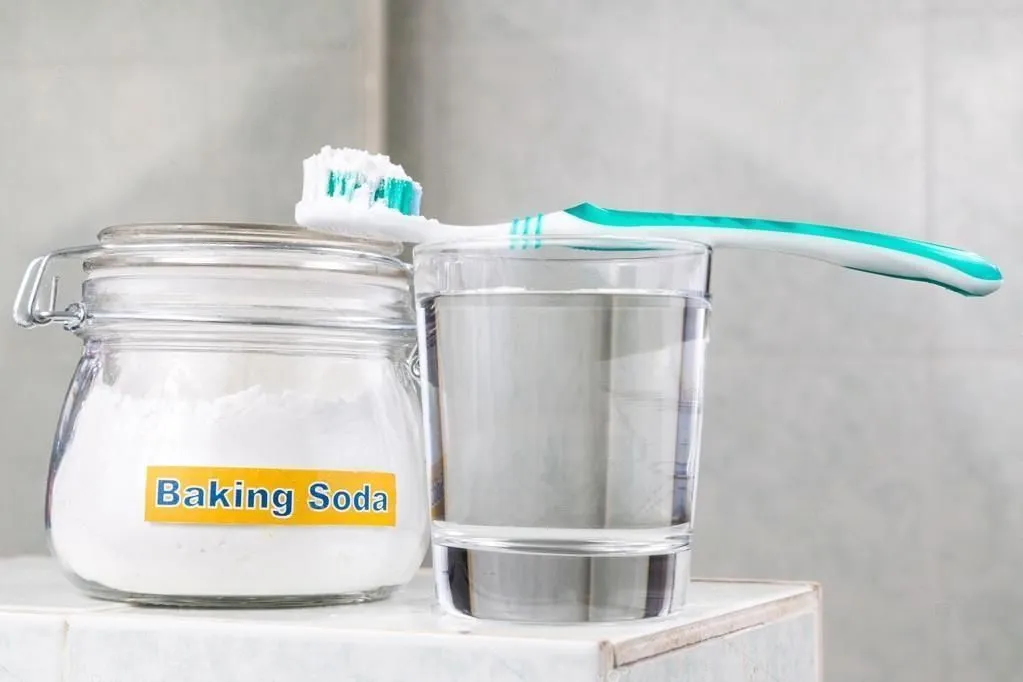
Creating a paste by mixing baking soda with water is the most common method for using it for teeth whitening. The consistency of the paste should be similar to that of regular toothpaste – not too thick or too runny. Start by adding a small amount of baking soda (about half a teaspoon) to a small bowl. Gradually add water, a few drops at a time, and mix until you achieve the desired consistency. The amount of water needed will vary depending on the baking soda and your preference. You want to create a smooth, slightly abrasive paste that’s easy to apply to your toothbrush. Avoid adding too much water, as this can dilute the effectiveness of the baking soda. Once the paste is ready, it’s best to use it immediately. Avoid making large batches, as the paste’s properties may degrade over time. Make sure to rinse your mouth well after brushing with the paste, and follow up with your regular toothpaste and mouthwash for optimal oral hygiene.
Creating a Baking Soda Paste
Creating a baking soda paste involves a simple process that can be easily done at home. You’ll need baking soda, water, and a small bowl or container. Start by measuring out about one teaspoon of baking soda into the bowl. Then, gradually add water, a few drops at a time, mixing with a spoon or your toothbrush until you achieve a paste-like consistency. The goal is to get a thick but spreadable texture. You can also experiment by adding a small amount of regular toothpaste to the mixture, which can help with the taste and provide added benefits, such as fluoride. However, be mindful not to add too much toothpaste, as it can dilute the effectiveness of the baking soda. Before applying the paste, make sure your toothbrush is clean and ready. After brushing, thoroughly rinse your mouth and toothbrush. It is important to note that baking soda paste should be used sparingly, to avoid the potential risks of enamel erosion and gum irritation. Always consult with your dentist before starting to use baking soda for teeth whitening.
Application Techniques
Proper application techniques are crucial for minimizing the risks associated with using baking soda for teeth whitening. When using the paste, apply a small amount to a soft-bristled toothbrush. Gently brush your teeth in a circular motion, paying attention to all surfaces, but avoiding excessive pressure. The goal is to remove surface stains, not to scrub aggressively. Limit the brushing time to no more than two minutes. After brushing, rinse your mouth thoroughly with water to remove any remaining baking soda. Follow up with your regular toothpaste and mouthwash to complete your oral hygiene routine. Avoid swallowing the baking soda paste. If you experience any gum irritation or increased sensitivity, discontinue use and consult with your dentist. Proper technique also involves using baking soda infrequently, perhaps once or twice a week, to minimize the potential for enamel damage. Monitoring the condition of your teeth and gums regularly is also important.
Alternative Teeth Whitening Methods

If you’re looking for alternative teeth whitening methods, several options are available that may be safer and more effective than using baking soda. Professional teeth whitening, performed by a dentist, is often the most effective way to achieve significant whitening results. These treatments use higher concentrations of hydrogen peroxide or other bleaching agents to penetrate the enamel and alter the tooth’s color. Another option is over-the-counter whitening products, such as whitening strips, gels, and toothpastes. These products typically contain lower concentrations of bleaching agents and may offer noticeable results with consistent use. For those seeking natural alternatives, some people use activated charcoal or oil pulling, although the scientific evidence supporting their effectiveness is limited. Before trying any new teeth whitening method, it’s essential to consult with your dentist to determine the best approach based on your individual needs and oral health. Your dentist can also recommend the safest and most effective methods for achieving a brighter smile.
Professional Teeth Whitening Options
Professional teeth whitening, performed by a dentist, offers several advantages over home remedies or over-the-counter products. Dentists use higher concentrations of bleaching agents, typically hydrogen peroxide, which can penetrate the enamel more effectively and achieve more dramatic results. The process is carefully monitored by a dental professional, minimizing the risk of gum irritation or enamel damage. Professional whitening treatments can be customized to your specific needs and the severity of your staining. They also offer the benefit of ensuring your teeth are healthy before the treatment. Before starting the whitening process, your dentist will examine your teeth and gums to identify any underlying issues that need to be addressed. There are different types of professional whitening procedures, including in-office treatments and take-home kits. In-office treatments are performed in the dental office and provide immediate results, while take-home kits allow you to whiten your teeth gradually at home under the guidance of your dentist. Consulting with your dentist allows you to choose the most suitable professional whitening option.
Over the Counter Whitening Products
Over-the-counter teeth whitening products provide a convenient and accessible option for improving the brightness of your smile. These products are widely available at drugstores and supermarkets and typically contain lower concentrations of bleaching agents, such as hydrogen peroxide or carbamide peroxide, compared to professional treatments. Common options include whitening strips, gels, toothpastes, and mouthwashes. Whitening strips are applied directly to your teeth and usually provide noticeable results after a few weeks of use. Whitening gels are applied using trays or applicators. Whitening toothpastes contain mild abrasives or chemicals that help remove surface stains, and whitening mouthwashes can help freshen your breath and provide a mild whitening effect. While these products can be effective for removing surface stains and achieving a brighter smile, their whitening power is usually less significant than that of professional treatments. It’s essential to carefully follow the instructions on the product packaging and to consult your dentist before using any over-the-counter teeth whitening product to ensure it is suitable for your oral health and to avoid any potential risks.
Maintaining a Bright Smile

Maintaining a bright smile involves more than just teeth whitening. It requires a comprehensive approach to oral hygiene and lifestyle choices. Regular brushing and flossing are essential for removing plaque and preventing stains. Brushing your teeth twice a day with fluoride toothpaste and flossing once a day can significantly reduce the buildup of stains and discoloration. Limiting the consumption of staining foods and beverages, such as coffee, tea, red wine, and berries, can help prevent stains from forming in the first place. If you do consume these items, rinsing your mouth with water afterward can help minimize their impact. Avoiding smoking and other tobacco products is also crucial, as smoking is a major contributor to tooth discoloration. Regular dental checkups and professional cleanings are vital for maintaining your oral health and addressing any stains or discoloration that may develop. Following these recommendations will help you maintain a bright and healthy smile for years to come.
Oral Hygiene and Regular Dental Checkups
Practicing good oral hygiene and attending regular dental checkups are fundamental to maintaining a bright and healthy smile. Brushing your teeth twice a day with fluoride toothpaste is crucial for removing plaque, bacteria, and surface stains. Flossing daily helps remove food particles and plaque from between your teeth and along the gum line, areas that your toothbrush can’t reach. Using an antibacterial mouthwash can further reduce bacteria and freshen your breath. Regular dental checkups and professional cleanings are essential for detecting and addressing any dental problems early. Your dentist can remove plaque and tartar that you can’t remove at home and can identify and treat any issues such as cavities, gum disease, or enamel erosion. Professional cleanings can also help remove surface stains, making your teeth appear brighter. The frequency of dental checkups will depend on your individual oral health needs, but it is generally recommended to visit your dentist every six months. Following these recommendations will help you maintain a healthy, beautiful smile and prevent dental problems from developing.