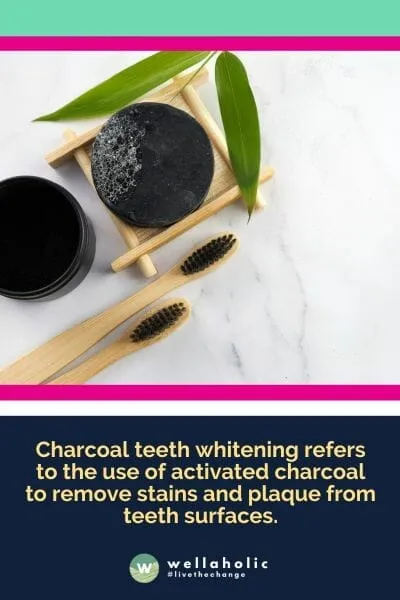
What Is Charcoal Teeth Whitening
Charcoal teeth whitening has gained significant popularity as a natural method for achieving a brighter smile. It involves using activated charcoal, a fine black powder, to help remove stains and discoloration from your teeth. The concept is relatively simple the porous nature of activated charcoal is believed to bind with stains and impurities, lifting them from the surface of the teeth. Many individuals are drawn to charcoal whitening due to its accessibility and the perception of being a more natural alternative to chemical-based whitening treatments. However, it’s crucial to understand the science behind this method and its potential benefits and risks before incorporating it into your oral hygiene routine. This guide will explore the different aspects of charcoal teeth whitening, providing insights to help you make informed decisions about your dental care. This method uses activated charcoal, derived from sources like coconut shells or wood, processed to create a highly absorbent material.
The Science Behind Charcoal Whitening
The science behind charcoal teeth whitening primarily revolves around the properties of activated charcoal. Unlike regular charcoal, activated charcoal undergoes a process called activation, which increases its porosity. This increased porosity allows it to trap and absorb various substances. In the context of teeth whitening, it’s believed that activated charcoal can absorb stains and debris from the teeth’s surface. However, it’s important to note that charcoal doesn’t chemically change the color of your teeth. It doesn’t contain bleaching agents like hydrogen peroxide that are commonly used in professional teeth whitening treatments. Instead, the effect is primarily due to the abrasive nature of charcoal, which helps scrub away surface stains. The effectiveness of charcoal is influenced by factors such as the type of stains, the concentration of the charcoal product, and the frequency of use. The absorption process is enhanced by the charcoal’s large surface area, which allows it to interact with a greater number of molecules. This process is a physical action more than a chemical one.
How Charcoal Works on Teeth

Charcoal works on teeth primarily through its abrasive action and absorptive properties. The fine particles of activated charcoal act as a gentle abrasive, helping to scrub away stains from the enamel surface. These stains often result from consuming foods and beverages like coffee, tea, wine, and certain berries. In addition to its abrasive properties, activated charcoal is also believed to absorb impurities and toxins from the mouth. As the charcoal particles come into contact with the teeth, they bind to the stain molecules, lifting them from the surface. This process can provide a temporary brightening effect by removing these surface stains. However, it’s essential to understand that charcoal does not penetrate the enamel to change the intrinsic color of the teeth. The effectiveness of charcoal in teeth whitening varies depending on the type of stains, the frequency of use, and the specific product being used. It’s important to use charcoal products cautiously to avoid excessive abrasion, which can potentially damage the enamel and lead to increased sensitivity. The process can improve the overall appearance of the teeth by removing external discolorations.
Benefits of Charcoal Teeth Whitening
Charcoal teeth whitening offers several potential benefits, making it an attractive option for those seeking a brighter smile. The primary benefit is its ability to remove surface stains caused by coffee, tea, tobacco, and other substances. By gently exfoliating the enamel, charcoal can reveal a whiter appearance. Many users appreciate charcoal as a natural alternative to chemical-based whitening products. It’s often perceived as a more gentle and less invasive option, appealing to individuals who prefer natural remedies. Additionally, charcoal is generally affordable and readily available, making it an accessible option for many. The convenience of using charcoal at home is another advantage, as it allows individuals to incorporate teeth whitening into their daily routines without the need for professional treatments. It’s important to acknowledge that while charcoal can offer these benefits, the results may vary, and it’s not a substitute for professional dental care. It can boost confidence by enhancing the aesthetic appeal of the teeth and contributing to a healthier-looking smile. Using charcoal can improve oral hygiene by removing debris and impurities.
Effectiveness of Charcoal
The effectiveness of charcoal teeth whitening can vary significantly depending on several factors. For surface stains, particularly those caused by coffee, tea, or tobacco, charcoal can be moderately effective in removing them, leading to a noticeable brightening effect. However, it’s important to manage expectations, as charcoal doesn’t work in the same way as professional whitening treatments that use bleaching agents to alter the intrinsic color of the teeth. The type of stains plays a crucial role in determining effectiveness. Surface stains respond better to charcoal whitening than deeper, intrinsic stains, which may require more intensive treatments. The frequency of use and the concentration of the charcoal product also influence results. Consistent, moderate use may yield better outcomes than infrequent, heavy application. However, it’s crucial to avoid overuse to prevent potential enamel damage. While some users experience significant improvements, others may see minimal results. The degree of effectiveness is subjective and depends on individual oral health conditions and lifestyle factors. Some research suggests that activated charcoal has limited whitening effects and is more effective as a cleaning agent. Furthermore, factors such as the type of stains and the individual’s oral hygiene routine will influence the results.
Cost-Effectiveness

Charcoal teeth whitening is generally considered a cost-effective option compared to professional teeth whitening treatments or some over-the-counter whitening products. Activated charcoal products, such as powders and toothpastes, are typically available at a lower price point. The initial investment in charcoal products is relatively small, making it accessible to a wider range of individuals. The affordability of charcoal whitening is particularly appealing to those who are looking for a budget-friendly way to improve their smile. However, it’s important to consider the long-term cost and potential risks. While charcoal products may be inexpensive, they may not provide the same level of whitening as professional treatments. Additionally, if used incorrectly, charcoal can cause damage to the enamel, potentially leading to costly dental procedures in the future. When evaluating cost-effectiveness, it’s important to factor in the effectiveness of the product, the frequency of use, and any potential long-term costs associated with enamel damage. The cost-effectiveness can also be influenced by the type of charcoal product, as some formulations may be more expensive than others. Always weigh the benefits against any potential risks and consider consulting with a dental professional to determine the most appropriate and cost-effective teeth whitening solution.
How To Use Charcoal For Teeth Whitening
Using charcoal for teeth whitening involves a few key steps, regardless of the product you choose. Before starting, it’s essential to select the right product based on your preferences and needs. Whether you opt for activated charcoal powder, toothpaste, or a charcoal-infused toothbrush, the method remains relatively similar. Proper technique and precautions are essential to maximize the benefits and minimize any potential risks. It’s important to adhere to the manufacturer’s instructions and to consult with a dentist, especially if you have any underlying oral health conditions. Additionally, the effectiveness of charcoal whitening will depend on your adherence to a consistent oral hygiene routine. This section provides a detailed guide on how to use charcoal effectively and safely, ensuring you can incorporate it into your dental care regimen. Always rinse thoroughly after using charcoal, and consider using it in moderation to avoid damaging the enamel. Regular dental check-ups are essential to ensure optimal oral health. Using charcoal whitening methods can bring benefits to your teeth, but it is not a substitute for the dentist.
Choosing the Right Charcoal Product
Selecting the right charcoal product is a crucial first step in achieving effective and safe teeth whitening. The market offers a variety of options, and choosing the best one for your needs depends on your preferences, oral health conditions, and lifestyle. Activated charcoal powder is a popular choice, known for its purity and the ability to be mixed with water to create a paste. Charcoal toothpaste offers convenience, as it combines charcoal with other ingredients found in traditional toothpaste, simplifying the process. Charcoal toothbrushes, often featuring charcoal-infused bristles, are another option, designed to enhance the cleaning and whitening action. When choosing a charcoal product, consider the ingredients and any potential additives. Look for products made from natural sources, such as coconut shells or wood, and avoid those containing harsh chemicals or artificial flavors. Pay attention to the abrasive properties of the product, as excessive abrasiveness can harm the enamel. Reviews from other users can provide insights into the effectiveness and safety of different products. Consulting with your dentist can help you determine the most suitable charcoal product for your specific needs, taking into account your oral health and any existing dental treatments. Understanding the different product options allows you to make an informed decision, setting the stage for a successful and safe teeth whitening experience.
Activated Charcoal Powder

Activated charcoal powder is one of the most widely used forms of charcoal for teeth whitening. It typically comes in a fine, black powder derived from sources like coconut shells or wood. This powder is processed to increase its absorbency, making it effective in binding to stains and impurities on the teeth. Using activated charcoal powder involves dipping a wet toothbrush into the powder and brushing your teeth gently for about 2-3 minutes. It’s important to be careful not to apply too much pressure, as excessive force can damage the enamel. Many users find that using a small amount of powder is sufficient to cover the teeth. After brushing, it’s essential to rinse your mouth thoroughly with water to remove any remaining charcoal particles. Activated charcoal powder is often praised for its purity and the absence of added chemicals, appealing to those seeking a natural approach. However, it can be messy, and care should be taken to avoid staining clothing or surfaces. Proper handling and rinsing are crucial to prevent any unwanted discoloration. The powder’s effectiveness is based on its ability to absorb stains, making it a popular choice for addressing surface discoloration. Activated charcoal powder may be less abrasive than some charcoal toothpaste formulations, making it a good option for those concerned about enamel erosion.
Charcoal Toothpaste
Charcoal toothpaste offers a convenient and user-friendly option for those looking to incorporate charcoal into their oral hygiene routine. Unlike activated charcoal powder, charcoal toothpaste combines charcoal with other ingredients found in traditional toothpaste, such as fluoride, abrasives, and flavoring agents. This makes it easier to use and integrates seamlessly into your daily brushing routine. Charcoal toothpaste is used in the same way as regular toothpaste by applying a small amount to your toothbrush and brushing your teeth for approximately two minutes. It’s advisable to follow the manufacturer’s instructions for brushing technique and frequency. The added ingredients can provide benefits such as cavity protection and fresh breath. However, it’s important to check the ingredients list to ensure the toothpaste doesn’t contain any harsh abrasives that could potentially damage the enamel. While charcoal toothpaste can effectively remove surface stains and freshen breath, its whitening effects may vary depending on the concentration of charcoal and other ingredients. For those seeking a more comprehensive oral care experience, charcoal toothpaste can be a practical choice. The benefits include convenience and the inclusion of other beneficial ingredients, making it a suitable alternative to activated charcoal powder for daily use. Charcoal toothpaste is easily accessible.
Charcoal Toothbrushes
Charcoal toothbrushes are designed to enhance the cleaning and whitening properties of regular toothbrushes. These toothbrushes typically feature bristles infused with activated charcoal, which can aid in removing surface stains and impurities. The charcoal-infused bristles work in conjunction with your chosen toothpaste to provide a combined effect. When using a charcoal toothbrush, it’s important to brush your teeth thoroughly, paying attention to all surfaces. Many manufacturers recommend brushing for the same duration as with a regular toothbrush, usually around two minutes. The benefits of charcoal toothbrushes include their potential to enhance the removal of surface stains and freshen breath. The charcoal-infused bristles may also help to reach areas that traditional toothbrushes may miss. However, it’s crucial to choose a toothbrush with soft bristles to avoid causing any damage to the enamel. Consulting your dentist can help you choose a suitable toothbrush and proper brushing technique. To maintain optimal oral hygiene, charcoal toothbrushes should be replaced regularly, typically every three months, or as recommended by your dentist. Charcoal toothbrushes offer a simple yet effective way to enhance the benefits of your oral care routine, providing a convenient option for those seeking a brighter and healthier smile. These brushes can remove surface stains.
Step-by-Step Guide How To Use Charcoal

Following a step-by-step guide can help you maximize the benefits and minimize the risks of charcoal teeth whitening. The method typically involves several stages, starting with preparation and ending with aftercare. Careful execution of each step is crucial to achieving the best results and maintaining the health of your teeth. This process should be done with caution, and it is essential to consult your dentist beforehand to ensure it is suitable for your specific oral health needs. By following these steps, you can effectively and safely incorporate charcoal teeth whitening into your routine. However, it’s important to remember that this is not a substitute for professional dental care. Regularly check your oral health with your dentist.
Preparation
Preparation is a crucial step in using charcoal for teeth whitening, ensuring the process is effective and safe. Start by gathering all the necessary supplies, including your chosen charcoal product (powder, toothpaste, or toothbrush), a toothbrush (preferably with soft bristles), and water. Wet your toothbrush thoroughly. If using charcoal powder, you can either dip the wet toothbrush directly into the powder or mix a small amount with water to form a paste. Make sure your mouth is clean by gently brushing with regular toothpaste to remove any large food particles or debris. This will help the charcoal to work more effectively. Before beginning, protect your clothes and surroundings, as charcoal can be messy and may stain fabrics. Consider brushing in the sink and avoiding splashing. This preparatory step ensures that you are ready to begin and minimizes any potential problems, making the process more straightforward and effective. Brushing gently, without pressing too hard, is important to minimize damage to your enamel. Proper preparation sets the foundation for a successful teeth whitening experience.
Application
Proper application is key to getting the most from charcoal teeth whitening. After preparing your toothbrush and charcoal product, gently apply the charcoal to your teeth. If using activated charcoal powder, dip your wet toothbrush into the powder or apply the paste directly. For charcoal toothpaste, apply the recommended amount to your toothbrush. Brush your teeth thoroughly, using gentle, circular motions. Focus on all surfaces of your teeth, including the front, back, and chewing surfaces. Brushing time should be approximately 2 minutes, or as recommended by your dentist or the product manufacturer. During brushing, be mindful of the pressure. Avoid scrubbing too vigorously, as this can damage the enamel. If using a charcoal toothbrush, ensure that the bristles make contact with all areas of your teeth. This step is essential for effectively removing surface stains and ensuring an even application of charcoal. After brushing, you may notice your teeth feel smoother and cleaner. Use caution to prevent any unwanted staining. For the best results, it’s important to practice good technique during application.
Rinsing and Aftercare

Rinsing and aftercare are essential steps in the charcoal teeth whitening process, completing the treatment and ensuring the best results. After brushing with charcoal, thoroughly rinse your mouth with water to remove all traces of the charcoal particles. Be diligent, as charcoal can leave a black residue if not rinsed properly. A clean mouth will provide an immediate aesthetic appeal and give a fresh feel. You may also use a regular mouthwash to further cleanse your mouth and freshen your breath. After rinsing, it is a good idea to gently brush your teeth again with regular toothpaste to remove any remaining charcoal and to help restore the enamel. As with any teeth whitening method, moderation is key. Do not overuse charcoal, as excessive use can harm your enamel. For aftercare, avoid consuming foods and beverages that can stain your teeth for at least an hour after the treatment. It is essential to be mindful of the foods and drinks that you consume. Proper aftercare helps ensure the longevity of the whitening effect and maintains the health of your teeth. Complete this step, and you can enhance your smile’s brightness and overall oral hygiene.
Potential Risks and Side Effects
While charcoal teeth whitening can offer aesthetic benefits, it’s essential to be aware of potential risks and side effects. Enamel erosion is a significant concern. Because activated charcoal has an abrasive nature, excessive or improper use can wear down the enamel, the protective outer layer of the teeth. Enamel erosion can lead to increased sensitivity, tooth decay, and other dental problems. Gum irritation is another potential side effect. The abrasive nature of charcoal can irritate the gums, leading to inflammation and discomfort. Sensitivity to hot or cold foods and drinks can increase if the enamel becomes thinner due to erosion. It is crucial to use charcoal products with caution, avoid excessive force while brushing, and adhere to the recommended usage guidelines. If you experience any adverse effects, it is essential to stop using charcoal and consult your dentist immediately. Understanding and addressing the risks involved allows for a safe and effective teeth whitening experience. Regular dental check-ups and professional advice are critical for mitigating these risks.
Enamel Erosion
Enamel erosion is a primary concern with charcoal teeth whitening, as it poses a significant risk to oral health. Enamel, the hard, protective outer layer of your teeth, can be damaged by the abrasive properties of activated charcoal. When used incorrectly or excessively, the charcoal particles can wear down the enamel, making it thinner and more vulnerable. Enamel erosion leads to various problems, including increased tooth sensitivity to hot and cold temperatures. As the enamel thins, the underlying dentin becomes exposed, containing tubules that connect to the nerves, causing sensitivity. Enamel erosion also increases the risk of tooth decay. Without adequate enamel protection, bacteria can more easily penetrate the tooth, leading to cavities and dental problems. Furthermore, enamel erosion can permanently change the appearance of your teeth, making them more susceptible to stains. To mitigate the risk of enamel erosion, it is crucial to use charcoal products cautiously and follow recommended guidelines. The key is to use soft-bristled toothbrushes, brush gently, and limit the frequency of use. It is crucial to consult with your dentist to assess your oral health and determine if charcoal teeth whitening is suitable for you.
Gum Irritation

Gum irritation is another potential side effect of charcoal teeth whitening, which can lead to discomfort and inflammation. The abrasive nature of activated charcoal can sometimes irritate the gums, particularly if they are sensitive or already inflamed. Brushing too vigorously or using excessive pressure while brushing with charcoal can exacerbate gum irritation. The charcoal particles may rub against the gums, causing redness, swelling, and soreness. In some cases, gum irritation can lead to bleeding and other signs of inflammation. Individuals with existing gum conditions, such as gingivitis or periodontitis, may be more susceptible to irritation from charcoal whitening. To minimize the risk of gum irritation, it’s essential to use a soft-bristled toothbrush and to brush gently. Avoid applying excessive pressure and make sure that your brushing technique is proper. If you experience gum irritation, discontinue the use of charcoal products and consult your dentist. They can assess the condition of your gums and provide guidance on appropriate oral hygiene practices. Maintaining healthy gums is critical for overall oral health, and it is essential to prioritize gum health when considering any teeth whitening method. You may also need to use a desensitizing toothpaste.
Sensitivity
Sensitivity is a common side effect of charcoal teeth whitening, often resulting from enamel erosion. When the enamel, the protective outer layer of your teeth, is thinned due to excessive or improper use of charcoal, the underlying dentin becomes exposed. Dentin contains tubules that connect to the nerves within the tooth, which become sensitive to hot, cold, sweet, or acidic foods and beverages. The erosion of enamel can lead to heightened tooth sensitivity, which can cause discomfort and inconvenience. Furthermore, teeth whitening products, including some charcoal-based ones, can temporarily increase sensitivity. To manage sensitivity, it is essential to use charcoal products with caution, following the recommended usage guidelines. Use a soft-bristled toothbrush and brush gently to avoid causing further enamel damage. If you experience significant sensitivity, consider using a desensitizing toothpaste. Desensitizing toothpastes contain ingredients that help to block the tubules in the dentin, reducing the transmission of sensations to the nerves. You should consult with your dentist if sensitivity persists or worsens. They can evaluate the condition of your teeth and recommend appropriate treatments, such as fluoride treatments or other measures to protect your enamel. Managing sensitivity is essential for maintaining your oral health and quality of life.
Tips for Safe Charcoal Whitening
To ensure a safe and effective charcoal teeth whitening experience, follow these tips to minimize potential risks and maximize the benefits. Always consult your dentist before starting any teeth whitening regimen. They can assess your oral health, identify any underlying conditions, and advise you on the most suitable approach. Proper brushing technique is crucial. Use a soft-bristled toothbrush and brush gently, using circular motions. Avoid applying excessive pressure, as this can damage the enamel. Limit the frequency of use, as overusing charcoal products can lead to enamel erosion and sensitivity. Follow the product instructions and avoid brushing more than once or twice a day. Choose high-quality charcoal products from reputable brands. Look for products made from natural sources, such as coconut shells or wood, and avoid those containing harsh chemicals or additives. If you experience any adverse effects, such as increased sensitivity or gum irritation, stop using charcoal and consult your dentist immediately. Prioritize regular dental check-ups and cleanings. Routine dental visits are essential for monitoring your oral health, detecting any potential problems early, and ensuring your teeth remain healthy. By following these tips, you can enjoy the benefits of charcoal teeth whitening while safeguarding the health of your teeth and gums. Ensure your smile stays bright and healthy.
Consult Your Dentist

Consulting your dentist is the most crucial step before starting charcoal teeth whitening. A dental professional can assess your oral health, identify any underlying issues, and provide personalized recommendations. They can examine your teeth and gums for signs of cavities, gum disease, or enamel erosion. If any existing problems are detected, they can advise on the appropriate treatment before you proceed with teeth whitening. Your dentist can also evaluate the suitability of charcoal whitening for your specific needs. They can consider the type of stains you have, the condition of your enamel, and any existing dental work. If you have fillings, crowns, or veneers, charcoal whitening may not be the best option, as it may not effectively whiten these materials. Your dentist can recommend alternative whitening methods that are safe and effective for your particular situation. Furthermore, your dentist can provide guidance on proper brushing techniques and the frequency of use, helping you to avoid potential damage to your teeth. Regular dental check-ups are essential for maintaining your oral health. They can monitor your teeth for any signs of damage and address any concerns promptly. By consulting with your dentist, you can ensure that your charcoal teeth whitening experience is safe, effective, and aligned with your overall oral health goals. A professional consultation is always the best approach.
Proper Brushing Technique
Proper brushing technique is essential to safely and effectively use charcoal for teeth whitening. The correct technique helps to remove surface stains and impurities without damaging the enamel. Always use a soft-bristled toothbrush to avoid excessive abrasion. The soft bristles are gentle on the enamel while effectively cleaning the teeth. Brush your teeth gently, using circular motions. Avoid applying too much pressure, as this can wear down the enamel and lead to sensitivity. Brush all surfaces of your teeth, including the front, back, and chewing surfaces. Ensure you reach all areas of your mouth for a comprehensive clean. The recommended brushing time is typically two minutes. Set a timer or use a toothbrush with a built-in timer to ensure you brush for the appropriate duration. Brush your teeth twice a day, in the morning and before going to bed. This routine helps maintain a clean and healthy mouth. After brushing with charcoal, rinse your mouth thoroughly with water to remove any charcoal residue. You can use regular toothpaste after, although this is not required. By following a proper brushing technique, you can maximize the benefits of charcoal teeth whitening and maintain the health of your teeth and gums. Make sure that you are following the instructions of your dentist.
Frequency of Use
The frequency of use plays a vital role in the safety and effectiveness of charcoal teeth whitening. Overusing charcoal products can lead to enamel erosion and increased sensitivity. It is generally recommended to use charcoal products in moderation, typically once or twice a day, depending on the product and your individual needs. Follow the instructions on the product label and the advice of your dentist. Avoid brushing with charcoal more often than recommended, as this can increase the risk of damage to the enamel. If you are using charcoal powder, you may choose to use it less frequently than charcoal toothpaste, as the powder is typically more abrasive. Always prioritize your oral health over achieving a brighter smile. If you experience any adverse effects, such as sensitivity or gum irritation, reduce the frequency of use or stop using the product and consult your dentist. Consistency is important when using charcoal. Incorporate it into your regular oral hygiene routine, but adhere to the recommended frequency. Regular use helps maintain a bright smile without compromising the health of your teeth. It is always a good idea to discuss the frequency of use with your dentist to ensure the best results and safe usage for your specific situation.
Alternatives to Charcoal Whitening
If charcoal teeth whitening isn’t the right fit for you, various alternative teeth whitening options can help you achieve a brighter smile. These alternatives range from professional treatments to over-the-counter products. The choice depends on your preferences, budget, and the level of whitening you desire. Knowing the different options allows you to make an informed decision and find the best solution for your needs. This section will explore some popular alternatives, along with their benefits and considerations, helping you choose the one that best suits your oral health goals. Each option provides a unique approach to teeth whitening, and understanding these options ensures you can make the right choice for a beautiful, healthy smile. Consult your dentist to determine the best course of action.
Professional Teeth Whitening
Professional teeth whitening, performed by a dentist, is often considered the most effective and safest way to achieve significant whitening results. These treatments use high-concentration bleaching agents, such as hydrogen peroxide, which are applied directly to the teeth. The dentist may use a light or laser to activate the whitening agent, enhancing its effectiveness. Professional whitening offers several advantages. The dentist can carefully monitor the process, ensuring the safety of the teeth and gums. The results are typically much more dramatic and can last for a more extended period. Professional whitening can address both surface and deeper stains, providing a more comprehensive whitening effect. However, professional whitening is more expensive than over-the-counter options or charcoal whitening. Several options are available, including in-office treatments and take-home whitening kits. The in-office treatments provide immediate results. The dentist will apply the whitening agent and monitor the process, ensuring optimal results and safety. With take-home kits, the dentist will take impressions of your teeth and create custom trays. You will then use a whitening gel in the trays at home, following your dentist’s instructions. Professional teeth whitening is a reliable option for individuals seeking significant and lasting results, backed by the expertise and safety measures of a dental professional. Consider this option to ensure a brighter, more radiant smile.
Over-the-Counter Whitening Products
Over-the-counter (OTC) teeth whitening products provide a convenient and accessible alternative to professional treatments. These products are readily available in drugstores and online, making them easy to obtain. The common OTC options include whitening toothpastes, strips, gels, and trays. Whitening toothpastes typically contain mild abrasives or low concentrations of peroxide to remove surface stains and brighten the teeth. Whitening strips are thin, flexible strips coated with a whitening agent that is applied directly to the teeth. Whitening gels can be applied to the teeth using a brush or custom trays, offering a higher concentration of whitening agents. Whitening trays, which are often pre-filled with whitening gel, are designed to fit over your teeth. The effectiveness of OTC products varies depending on the product and the type of stains you have. They are generally less potent than professional treatments and may not provide the same dramatic results. It is essential to follow the product instructions carefully and to be aware of potential side effects, such as sensitivity or gum irritation. Consult with your dentist before using any OTC whitening product, especially if you have any underlying dental conditions. The dentist can advise on the most suitable products and usage guidelines for your needs. OTC products offer an accessible way to improve your smile, but it is essential to manage expectations and prioritize safety.
Maintaining Your Sparkling Smile
Maintaining a sparkling smile requires ongoing care and attention, regardless of whether you choose charcoal whitening or another method. Proper oral hygiene is essential for keeping your teeth bright and healthy. Brush your teeth twice a day for two minutes, and floss daily to remove plaque and bacteria. Regular dental check-ups and cleanings are crucial for preventing and addressing oral health problems. Your dentist can assess the condition of your teeth, clean your teeth, and recommend appropriate treatments. Avoiding foods and beverages that stain your teeth can help prevent discoloration. Limiting your intake of coffee, tea, red wine, and other staining substances can preserve your smile. Quitting smoking and avoiding tobacco products is essential for maintaining a healthy mouth and bright teeth. Tobacco use is a major cause of tooth discoloration and other dental problems. Using a straw can help reduce the contact of staining beverages with your teeth. Rinsing your mouth with water after consuming staining foods or drinks can help prevent stains from setting in. Consider using a whitening toothpaste or mouthwash to remove surface stains and keep your teeth bright. Proper maintenance practices can help you enjoy a bright and healthy smile for years to come. By following these guidelines, you can protect your investment in your smile and enjoy the confidence that comes with it.