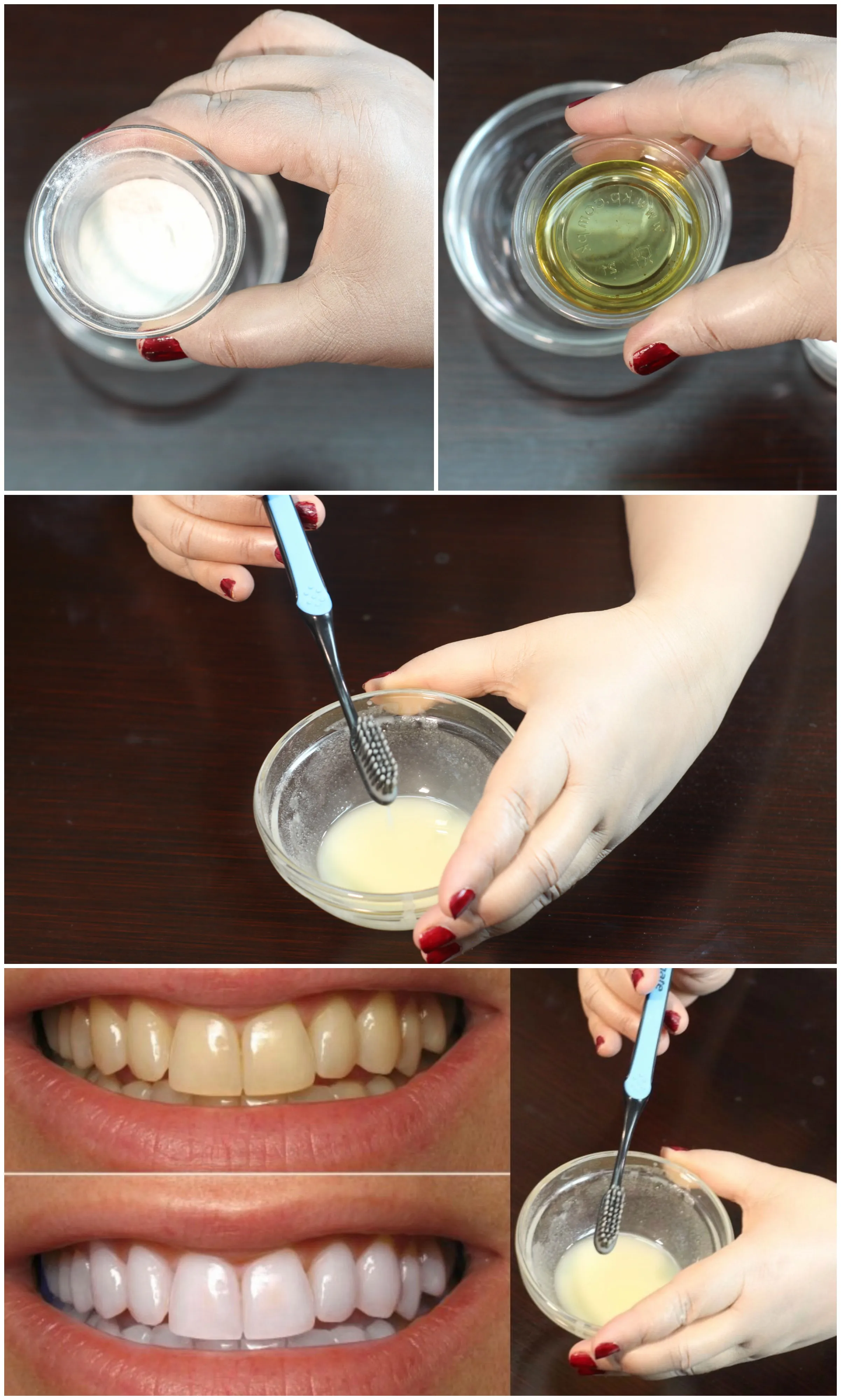
Why DIY Teeth Whitening?
In the pursuit of a brighter, more confident smile, many individuals are turning to DIY (Do-It-Yourself) natural teeth whitening methods, all from the comfort of their own homes. This trend is fueled by a multitude of factors, including the appeal of cost-effectiveness, convenience, and the preference for natural ingredients over harsh chemicals. Unlike expensive professional treatments or commercially available products filled with synthetic additives, DIY methods offer a sense of control and personalization. By crafting your own whitening solutions, you can tailor the ingredients and processes to your specific needs and preferences. The allure of achieving a whiter smile without breaking the bank or exposing yourself to potentially harmful substances makes DIY teeth whitening an attractive option for many. However, it’s crucial to approach these methods with informed caution, understanding both the potential benefits and the limitations. Always prioritize your oral health and consult with a dental professional when in doubt. Before you start, prepare your tools such as a soft bristle toothbrush, cup, and mixing spoon.
Understanding the Science Behind Teeth Whitening
At its core, teeth whitening is the process of removing stains and discoloration from the enamel, the hard, protective outer layer of your teeth. Stains can be broadly categorized into two types: extrinsic and intrinsic. Extrinsic stains reside on the surface of the enamel and are typically caused by factors like coffee, tea, tobacco, and certain foods. Intrinsic stains, on the other hand, occur within the tooth structure itself, often due to aging, genetics, or certain medications. Most whitening agents work by employing oxidation reactions. These agents, such as hydrogen peroxide or carbamide peroxide, penetrate the enamel and dentin, breaking down the stain molecules into smaller, less visible components. The effectiveness of any whitening method depends on several variables. These variables include the concentration of the active whitening agent, the duration of its application, and the specific types of stains present. A deeper understanding of the science behind teeth whitening is crucial for evaluating the potential and limitations of various DIY methods. Make sure you are well-informed before attempting any method at home.
Method 1 Oil Pulling

Oil pulling, an ancient Ayurvedic practice, has gained considerable popularity as a natural DIY teeth whitening method. This technique involves swishing oil, usually coconut oil, in the mouth for a specific duration. Advocates of oil pulling believe that it can reduce bacteria, remove toxins, and potentially brighten teeth. The practice has been around for centuries and is now gaining traction as a simple, accessible method for promoting oral hygiene. If you are looking for an accessible method to begin your journey towards a whiter smile, then oil pulling is a great place to start.
How Oil Pulling Works
The mechanism by which oil pulling is believed to work is rooted in the principle of lipid attraction. It is thought that when you swish oil, particularly coconut oil, around your mouth, the oil binds with bacteria and toxins present. These substances are generally oil-soluble, meaning they are attracted to and dissolve in oil. When the oil is swished, it effectively emulsifies, capturing and trapping the unwanted bacteria and toxins. Upon expulsion, these undesirable elements are removed from the oral cavity. This action is believed to promote fresher breath and potentially contribute to a whiter appearance of the teeth. The practice is straightforward and requires no special tools or ingredients, making it a convenient option for those seeking a natural approach to teeth whitening. Make sure that you do not swallow the oil during the process.
Benefits of Oil Pulling for Whitening
While scientific evidence directly linking oil pulling to significant teeth whitening is limited, anecdotal evidence suggests that it may help to remove surface stains. The physical act of swishing the oil can also help to dislodge plaque buildup, which indirectly contributes to a brighter smile. Moreover, some oils, like coconut oil, possess anti-inflammatory properties, which can benefit overall oral health by reducing gum inflammation and promoting healthier tissues. It is essential to keep in mind that oil pulling should not be viewed as a substitute for professional dental care. The whitening effects of oil pulling are often subtle, and it may not be effective for all types of stains. Always practice good oral hygiene to supplement oil pulling. This is crucial to ensure that you have a healthy and bright smile.
Method 2 Baking Soda and Lemon

Combining baking soda and lemon is a widely used DIY teeth whitening approach. Baking soda serves as a mild abrasive, while lemon juice, due to its citric acid content, is believed to help in breaking down stains. This combination has become increasingly popular because of the accessibility of the ingredients and the perception of its effectiveness. The method is extremely popular as it can be made with very minimal ingredients and can be done from home.
How Baking Soda and Lemon Work Together
Baking soda, with its slightly abrasive qualities, gently scrubs away surface stains. Lemon juice, with its acidity, further enhances the stain-removing process by dissolving stain molecules. When these two ingredients are mixed, a fizzing reaction occurs, potentially amplifying the cleaning effect. Typically, the mixture is applied to the teeth for a short duration, followed by a thorough rinsing. This combination aims to provide a quick and straightforward way to whiten teeth at home. Remember that you must be gentle and do not use too much pressure while brushing.
Potential Risks of this Method
While the baking soda and lemon combination may seem like an easy solution, it carries potential risks to your dental health. Lemon juice is highly acidic, and regular exposure can erode the enamel, causing increased sensitivity and a higher risk of decay. Baking soda, while less abrasive than some commercial whitening products, can still cause damage if used excessively or improperly. Over time, the frequent use of this combination may cause more harm than good. Therefore, this method should be approached with caution and is not recommended for regular use. It is always best to consult with your dentist before attempting this method to ensure it is safe and suitable for your teeth.
Method 3 Hydrogen Peroxide

Hydrogen peroxide is a common ingredient found in professional teeth whitening treatments. It functions by releasing oxygen, which penetrates the enamel and breaks down stain molecules, effectively lightening the color of the teeth. Given its widespread availability and perceived effectiveness, hydrogen peroxide has become a popular DIY option for teeth whitening at home. However, it’s imperative to exercise caution and follow proper guidelines when using this method.
Using Hydrogen Peroxide Safely
When using hydrogen peroxide for teeth whitening at home, it is crucial to use it at a low concentration, typically 3%. Higher concentrations can lead to gum irritation, tooth sensitivity, and potential damage to the soft tissues of the mouth. The application method should be carefully controlled, avoiding prolonged contact with the gums. Rinsing thoroughly after use is also essential to remove any residual hydrogen peroxide, as continued exposure can cause adverse effects. The goal is to achieve the desired whitening effect while minimizing the risk of damage to the enamel and the surrounding tissues. When using hydrogen peroxide for the first time, always start slowly. You may also consider consulting a professional.
Considerations Before Use
Before using hydrogen peroxide, carefully consider your current oral health status. Individuals with sensitive teeth or pre-existing gum disease should exercise extreme caution or avoid this method altogether. It is also recommended to consult with your dentist to determine whether hydrogen peroxide is appropriate for your specific dental condition. Always adhere to the instructions provided and monitor for any adverse reactions, such as increased sensitivity or gum irritation. Begin with short application times and gradually increase the duration if tolerated, always keeping in mind the sensitivity of your teeth. If you experience any side effects, stop using the product and seek advice from your dentist.
Method 4 Activated Charcoal

Activated charcoal has become increasingly popular for its purported ability to absorb stains. This substance is derived from various sources, and it is characterized by its highly porous structure. It works by adsorbing surface stains, leading to the perception of whiter teeth. This ease of use and the availability of activated charcoal have made it a widely adopted DIY teeth whitening choice.
How Activated Charcoal Works for Whitening
Activated charcoal functions by adsorbing stains, which is a process where stain molecules attach to the surface of the charcoal particles due to the porous nature of the substance. The charcoal particles bind with the stain molecules, which are then removed during the rinsing process. The method is relatively easy to incorporate into daily routines, contributing to its widespread use. It’s important to note that the scientific evidence supporting the effectiveness of activated charcoal for teeth whitening is limited and results can vary significantly among individuals. Make sure that you consult a professional about the use of activated charcoal.
Best Practices for Using Charcoal
When using activated charcoal, brush your teeth gently to avoid damaging the enamel. Apply moderate pressure while focusing on the surface of each tooth. Ensure thorough rinsing after brushing to eliminate all traces of charcoal, as any residue can cause discoloration. Given its abrasive nature, activated charcoal should not be used daily. It’s advisable to limit its use to a few times per week, and it is best to seek guidance from a dentist to monitor the effects and check for potential damage to the enamel or increased sensitivity. This way, you ensure that you get the results you are hoping for, without causing any health issues.
Method 5 Turmeric
Turmeric, renowned for its potent anti-inflammatory and antioxidant properties, is another ingredient being explored in DIY teeth whitening methods. This vibrant yellow spice, with a rich history in traditional medicine, is now being considered for its potential in oral care. The belief is that turmeric can gently remove stains and reduce inflammation, fostering a healthier mouth and potentially contributing to a brighter smile. Turmeric is a natural ingredient that has many uses.
The Benefits of Turmeric for Oral Health
Turmeric is rich in curcumin, a powerful compound known for its anti-inflammatory and antioxidant qualities. These properties may help to reduce gum inflammation, combat harmful bacteria, and promote overall oral health. Some studies suggest that curcumin can also assist in preventing plaque buildup. Turmeric is a natural and easily accessible ingredient, making it an attractive option for those seeking holistic approaches to oral hygiene. Make sure you do your research when it comes to the effects of turmeric on your teeth.
How to Use Turmeric for Whitening
To use turmeric for teeth whitening, you can mix turmeric powder with water or coconut oil to form a paste. Gently brush your teeth with the paste for a few minutes, and then rinse thoroughly. It is very important to use a soft-bristled toothbrush and avoid excessive pressure, as turmeric can stain the toothbrush and, if used excessively, may potentially stain the teeth. Consistency is key. It is advised to start with a few times a week and monitor the results and any possible staining. Consult with your dentist to make sure that this is the right method for you, as everyone has different needs. Keep in mind that this method may not suit all individuals.
Method 6 Coconut Oil and Strawberries

The combination of coconut oil and strawberries presents a popular DIY approach for teeth whitening. Coconut oil is recognized for its antimicrobial properties, while strawberries contain malic acid, which may aid in removing surface stains. This method offers a natural, easily accessible option for those seeking to brighten their teeth at home. The combination is quite popular and is easy to create.
Why Coconut Oil and Strawberries?
Coconut oil possesses antimicrobial properties that can help to reduce bacteria in the mouth, contributing to cleaner teeth and overall oral health. Strawberries contain malic acid, a naturally occurring enzyme that acts as a gentle stain remover. This combination aims to offer a dual-action approach. It not only whitens but also provides benefits to overall oral health. The ingredients are natural, making them an appealing option for many individuals who prefer a natural approach to teeth whitening. It is safe to combine the ingredients with each other.
Step-by-Step Guide
To use this method, you can mash a few fresh strawberries and mix them with a tablespoon of coconut oil, creating a paste. Then, apply the paste to your teeth and allow it to sit for a few minutes. Following this, gently brush your teeth with the paste and rinse thoroughly. You can repeat this process once or twice per week. It is essential to brush gently to avoid causing any potential damage to the enamel. Before starting any new method, always consult with a dentist to ensure that it is safe and suitable for your teeth and overall health. They will be able to give you the best advice when it comes to your teeth.
Method 7 DIY Whitening Toothpaste

Creating your own DIY whitening toothpaste offers the opportunity to personalize your oral care regimen. This method provides control over the ingredients used, allowing you to avoid certain chemicals often found in commercial toothpaste. It can also be a budget-friendly option. DIY whitening toothpaste recipes are often available, providing flexibility and tailoring your oral care to your specific needs.
Creating Your Own Whitening Toothpaste
Numerous recipes for DIY whitening toothpaste exist, offering various approaches to teeth whitening. These recipes frequently include ingredients such as baking soda, hydrogen peroxide, activated charcoal, and essential oils, like peppermint or tea tree oil. The overarching goal is to create a paste that effectively cleans teeth and promotes whitening while remaining gentle on the enamel and gums. Typically, the creation process involves mixing the selected ingredients into a paste-like consistency suitable for application using a toothbrush. This method offers a personalized approach and lets you avoid chemicals. You can select ingredients that are suitable to your needs.
Ingredients and Instructions
A common DIY whitening toothpaste recipe may include baking soda, hydrogen peroxide, and a few drops of peppermint oil for added flavor and freshness. To make the toothpaste, mix a small amount of baking soda with hydrogen peroxide to form a paste. Add a few drops of peppermint oil for flavor. Brush your teeth gently with this mixture for a couple of minutes, then rinse thoroughly. Always keep in mind that this method is not a long-term solution. Use the toothpaste for a few times per week. As always, it’s wise to consult with your dentist before using this or any other DIY method to ensure it aligns with your oral health needs.
Important Considerations Before You Start
Before embarking on any DIY teeth whitening method, it’s critical to consult with your dentist. They can provide tailored guidance based on your individual oral health. Your dentist can assess the condition of your teeth, identify the underlying causes of any discoloration, and advise on the most appropriate and safe approach to teeth whitening for your specific situation. They can also discuss professional whitening options if needed. It is also vital to carefully read all the instructions and understand the potential risks associated with each of the ingredients you plan to use. Keep in mind that some methods may not be suitable for everyone. Prioritize the health of your teeth and gums and seek professional advice before you proceed. There are many factors to keep in mind before trying a DIY method.
Consulting Your Dentist
The best and safest first step is always to consult with your dentist before attempting any DIY teeth whitening method. Your dentist can provide expert advice tailored to your specific oral health needs. They can assess the condition of your teeth, discuss the causes of any discoloration, and recommend the most appropriate and safe approach for your situation. Regular dental check-ups are essential for monitoring your oral health. Professional guidance is the best way to ensure the safety and effectiveness of your teeth whitening strategy. They can also recommend the best products and procedures for your needs.
Maintaining Your White Smile
Once you have achieved a whiter smile, maintaining it requires consistent good oral hygiene practices. This includes brushing your teeth twice daily with fluoride toothpaste, flossing daily, and incorporating the use of mouthwash into your routine. Limiting the consumption of stain-causing foods and drinks, such as coffee, tea, and red wine, can also play a crucial role in preventing discoloration. Furthermore, regular dental check-ups and cleanings are essential to remove any surface stains and maintain your overall oral health. Consistency is key. With diligent care, you can enjoy a brighter, more confident smile for years to come. Always prioritize good oral hygiene.
The Importance of Good Oral Hygiene
Regardless of whether you choose DIY teeth whitening or professional treatments, good oral hygiene remains the cornerstone of a healthy and beautiful smile. Brushing your teeth twice a day with fluoride toothpaste, flossing daily, and undergoing regular dental check-ups are essential practices. These habits not only help to keep your teeth clean and bright but also prevent a range of dental problems, including cavities and gum disease. Proper oral hygiene contributes significantly to overall health and is the foundation of a confident smile. Therefore, no matter what, you should always make sure that you are keeping up with good oral hygiene. If you do that, you will ensure that your teeth will be healthy and bright.