Understanding Whitening Strips and Braces
The pursuit of a dazzling smile is a common goal, and teeth whitening has become a popular cosmetic procedure. Whitening strips, in particular, are a convenient and accessible method for brightening teeth. However, when it comes to orthodontics, specifically braces, the situation becomes more complex. Braces, designed to straighten teeth, present unique challenges for whitening treatments. Understanding the interplay between these two elements is crucial for anyone seeking a brighter smile while undergoing orthodontic treatment. This article aims to provide a comprehensive overview of whether whitening strips work effectively with braces, exploring the mechanics, potential risks, and alternative options.
How Whitening Strips Work for Teeth Whitening
Whitening strips typically contain a bleaching agent, usually hydrogen peroxide or carbamide peroxide. These chemicals penetrate the enamel of the teeth and break down the stains and discoloration that accumulate over time. The active ingredient oxidizes the stain molecules, making them less visible and resulting in a lighter shade of the teeth. The concentration of the bleaching agent, along with the duration of the application, determines the effectiveness of the whitening process. Results can vary depending on the type and severity of the stains, as well as the natural shade of the teeth. Regular use, as directed by the manufacturer, is often required to achieve and maintain the desired results.
How Braces Affect Teeth Whitening

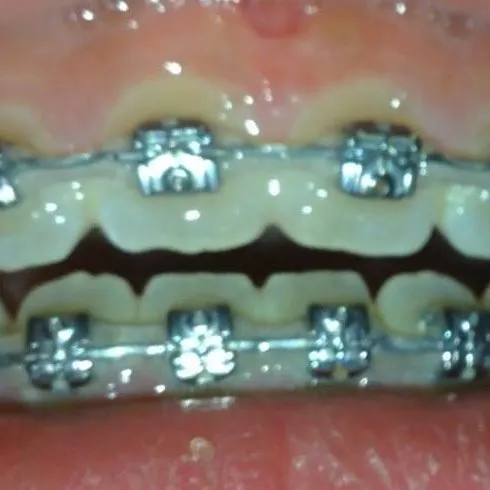
Braces, with their brackets and wires, create a physical barrier that complicates the whitening process. The brackets cover a portion of the tooth surface, preventing the whitening agent from reaching those areas directly. This can lead to uneven whitening, where the areas covered by brackets remain darker than the exposed parts of the teeth. Additionally, the presence of braces makes it more difficult to apply whitening strips effectively, as the strips may not conform properly to the teeth’s surface. This can result in inconsistent coverage and reduced whitening results. Furthermore, the adhesive used to bond the brackets to the teeth can also affect the whitening process, potentially leading to staining around the brackets.
Do Whitening Strips Work with Braces?
The short answer is that whitening strips are generally not recommended for use while wearing braces. The brackets and wires obstruct the whitening strips from properly reaching the entire surface of the teeth. This often results in uneven whitening, where the areas covered by the brackets remain their original color while the exposed areas whiten. The outcome is a smile with noticeable spots and inconsistent shades, which can be aesthetically displeasing. The use of whitening strips while wearing braces is often considered ineffective and can lead to disappointment. It’s important to consult with your orthodontist or dentist about the best teeth whitening options during orthodontic treatment.
Whitening Strips Effectiveness with Braces
The effectiveness of whitening strips with braces is significantly diminished. The physical presence of brackets and wires prevents the strips from making full contact with the tooth surfaces. As a result, the whitening agent may not penetrate the enamel uniformly. This often leads to patchy whitening, with the areas covered by brackets showing less improvement compared to the exposed portions of the teeth. The strips are designed to adhere to the teeth’s surface, but the braces’ hardware interferes with this process, leading to an inefficient and uneven distribution of the whitening product. The effectiveness is, therefore, severely compromised, making it a less viable option for achieving a consistent and bright smile while wearing braces.
What to Expect When Using Whitening Strips with Braces

If whitening strips are used while wearing braces, several outcomes are likely. The most probable result is uneven whitening, with the teeth appearing splotchy due to the brackets blocking the whitening agent’s access. You might notice that the areas around the brackets remain darker, while the rest of the teeth appear whiter. Furthermore, the strips may not adhere well to the teeth because of the brackets and wires, reducing their effectiveness and causing them to slip. You might also experience increased sensitivity in the teeth and gums, which is a common side effect of whitening products. The overall aesthetic outcome is often unsatisfactory, and the process could lead to wasted time and money.
Potential Risks and Considerations
Using whitening strips with braces carries potential risks and requires careful consideration. One primary concern is the uneven whitening, which can result in an unaesthetic appearance. The strips may also cause increased tooth sensitivity and gum irritation, which can be uncomfortable. Additionally, there’s a risk of the whitening agent reacting with the adhesive used to attach the brackets, potentially weakening the bond. Always consult with your orthodontist before using any teeth whitening products while wearing braces to avoid these potential risks and ensure the safety and effectiveness of the treatment. They can offer guidance on the best course of action based on your specific needs and dental health.
Alternatives to Whitening Strips for Braces Wearers
Several alternatives to whitening strips are more suitable for individuals with braces. Your orthodontist may recommend professional teeth whitening treatments, which can be performed after the braces are removed, ensuring uniform results. Another option is to use a whitening toothpaste or mouthwash, which may help to maintain the brightness of your teeth, although they won’t provide the same level of whitening as professional treatments. Custom-fitted whitening trays are also available; these trays are designed to fit snugly around the teeth, allowing the whitening agent to reach all surfaces. These options will often be prescribed by your dentist, and are designed for safe and effective usage. Finally, good oral hygiene practices, like regular brushing and flossing, are essential for maintaining a bright and healthy smile during your treatment.
Proper Oral Hygiene during Braces and Whitening

Maintaining excellent oral hygiene is crucial when you have braces, whether you’re using whitening treatments or not. This includes brushing your teeth at least twice a day, and flossing daily to remove food particles and plaque from around the brackets and wires. Using an interdental brush or water flosser can also help in cleaning hard-to-reach areas. Regular check-ups and professional cleanings by your dentist are essential to prevent the build-up of plaque and tartar, which can lead to cavities and gum disease. Maintaining a balanced diet and avoiding sugary or sticky foods can also help to prevent staining and promote overall oral health, contributing to a brighter and healthier smile during your orthodontic treatment.
Tips for Maintaining a Bright Smile with Braces
Achieving and maintaining a bright smile with braces involves a combination of preventative and proactive measures. Focus on meticulous oral hygiene, which includes brushing after every meal, flossing daily, and using an antibacterial mouthwash to reduce the risk of staining and cavities. Consider limiting consumption of stain-causing foods and drinks, such as coffee, tea, and red wine. Regular dental check-ups and cleanings are essential for preventing any issues and ensuring your teeth stay healthy. Discuss other whitening options with your dentist or orthodontist, such as professional whitening, once your braces are removed. This combined approach will maximize your chances of achieving a bright and beautiful smile.