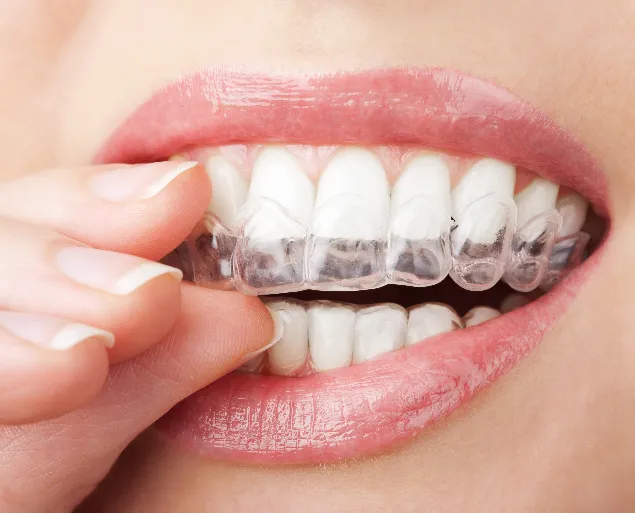
Understanding False Teeth and Staining
Maintaining a bright and confident smile is essential, and for those with false teeth, keeping them looking their best is crucial. False teeth, also known as dentures, can be susceptible to staining and discoloration over time, affecting your overall appearance. This comprehensive guide will provide you with essential knowledge and practical tips on how to effectively whiten and maintain your false teeth, ensuring a dazzling and healthy smile. Understanding the causes of staining, the various types of false teeth, and the best methods for whitening will empower you to take proactive steps in preserving your smile’s brilliance. Proper care and maintenance not only enhance aesthetics but also contribute to the longevity and functionality of your dentures.
Types of False Teeth & Their Materials
False teeth are crafted from a variety of materials, each with distinct properties that influence their susceptibility to staining and the appropriate cleaning methods. The most common materials include acrylic resin, which is frequently used for the base and the teeth themselves, and porcelain, often chosen for its durability and natural appearance. Acrylic dentures are generally more prone to staining than porcelain ones, as their porous surface can absorb pigments from food and drinks. Porcelain dentures, on the other hand, are more resistant to stains but can still discolor over time. Knowing the material of your false teeth is important, since it helps you choose appropriate whitening agents and cleaning techniques, preventing damage and ensuring the longevity of your dentures. Always consult with your dentist to determine the material used in your dentures.
Causes of False Teeth Discoloration

Several factors contribute to the staining and discoloration of false teeth. Dietary habits play a significant role, with certain foods and beverages being notorious stainers. Coffee, tea, red wine, and dark-colored berries contain pigments that can easily adhere to the surface of dentures, leading to discoloration. Smoking is another major contributor, as nicotine and tar can stain the teeth and cause a yellowish or brownish hue. Poor oral hygiene also exacerbates the problem, as inadequate brushing and cleaning allow stains to accumulate. The use of certain medications, especially those containing iron, can also lead to staining. Regular maintenance, good hygiene, and avoiding known staining agents are vital to prevent discoloration and keep your dentures looking their best. Regular visits to the dentist also are important to keep the teeth as white as possible.
Daily Care to Prevent Staining
Preventing staining is often more effective than treating it, and incorporating a diligent daily care routine is crucial for maintaining the appearance of your false teeth. This involves proper brushing techniques, regular cleaning, and being mindful of the foods and drinks you consume. Establishing these habits will not only help prevent staining but also contribute to overall oral health and the longevity of your dentures. Make sure that you rinse your mouth after eating. Careful attention to these practices will keep your dentures looking their best and help you maintain confidence in your smile.
Proper Brushing Techniques
Brushing your false teeth is a fundamental part of your daily care routine. Use a soft-bristled toothbrush specifically designed for dentures, along with a non-abrasive denture cleaner. Avoid using regular toothpaste, as it can be too abrasive and scratch the surface of your dentures, making them more susceptible to staining. Gently brush all surfaces of your dentures, including the inner and outer surfaces, as well as the areas that come into contact with your gums. Ensure that you brush at least twice a day, preferably after meals and before bed, to remove food particles and plaque that contribute to staining and other oral health problems. Proper brushing is essential to remove debris and food from the teeth.
Importance of Regular Cleaning

In addition to brushing, regular cleaning with a denture cleaner is very important for maintaining the cleanliness of your false teeth. Remove your dentures and rinse them thoroughly under running water to remove any loose food particles. Fill a container with warm water and add the denture cleaning solution according to the manufacturer’s instructions. Soak your dentures in the solution for the recommended time, usually overnight, to effectively remove stains, bacteria, and other debris. After soaking, thoroughly rinse your dentures again before reinserting them. Using a denture cleaner helps to disinfect your dentures and reduce the risk of developing infections. Make sure you follow these important steps for your teeth health.
Foods and Drinks to Avoid
Your diet has a big impact on the look of your false teeth. To minimize staining, it’s best to cut back on foods and drinks that are likely to discolor dentures. Coffee, tea, and red wine are infamous culprits, as they contain dark pigments that readily stain the teeth. Berries, such as blueberries and blackberries, can also contribute to staining. If you choose to consume these items, be sure to rinse your mouth with water immediately afterward. Regularly drinking water during the day can also help to prevent staining. Avoid smoking, as it is a significant contributor to discoloration, and it is also harmful to overall health.
Whitening Methods for False Teeth
When staining has occurred, several whitening methods can help restore the brilliance of your false teeth. These methods range from over-the-counter products to professional treatments. The most suitable method will depend on the type and severity of the staining, as well as your personal preferences and budget. Always consult with your dentist to determine the most appropriate whitening strategy for your dentures to keep them looking white and bright. Also, dentists can give the best recommendation for the whitening process of the teeth.
Over the Counter Whitening Products

Several over-the-counter products can assist in whitening false teeth. Denture-cleaning tablets and solutions often contain ingredients that help remove surface stains and brighten the appearance of dentures. Some products are specifically designed for stain removal, while others focus on general cleaning. These products are generally easy to use and readily available in most drugstores. However, it’s crucial to choose products that are specifically formulated for dentures and follow the manufacturer’s instructions closely. Over-the-counter products may not be as effective as professional treatments for more severe stains, but they can be a useful component of your routine maintenance.
Professional Whitening Options
Professional whitening treatments offer the most effective way to address significant staining. Dentists can use specialized cleaning agents and techniques to remove stubborn stains and brighten the appearance of your dentures. One common method involves the use of professional-strength cleaning solutions. Another option is ultrasonic cleaning, which uses sound waves to dislodge stains and deposits. Your dentist will assess your specific needs and recommend the most appropriate treatment based on the material and the level of staining. While professional treatments may be more expensive than over-the-counter options, they typically yield more dramatic and longer-lasting results. Professional options will help keep your teeth looking great.
Home Remedies for Whitening False Teeth
In addition to over-the-counter and professional options, some home remedies may provide limited whitening effects. Baking soda is a mild abrasive that can help remove surface stains. Mixing baking soda with water to form a paste and gently brushing your dentures can help. Hydrogen peroxide can also act as a mild bleaching agent. However, be cautious when using home remedies, as some ingredients can be abrasive or cause damage. Before trying any home remedy, consult with your dentist to ensure its safety and effectiveness for your specific dentures. While these options can offer some benefits, they often are not as effective as professional treatments.
Maintenance and Longevity of Whitened False Teeth

Maintaining the results of whitening treatments and ensuring the longevity of your false teeth requires ongoing care and attention. This includes following post-whitening care instructions, attending regular dental check-ups, and adopting good habits to prevent future staining. Proper maintenance ensures that your dentures remain attractive, functional, and comfortable for an extended period. Implementing these practices will help you to maintain a bright and confident smile.
Post-Whitening Care
After undergoing a whitening treatment, it is important to follow any specific instructions provided by your dentist. This may include avoiding certain foods and drinks for a period of time or using a special maintenance toothpaste. Regular cleaning and maintenance are essential to maintaining the results of any whitening treatment. Continue to brush your dentures at least twice daily, use denture cleaner, and soak them overnight. Schedule regular appointments with your dentist for professional cleaning and examination. This will help maintain the bright appearance and extend the life of your dentures.
When to See a Dentist
Regular dental check-ups are essential for maintaining the health and appearance of your false teeth. Schedule appointments with your dentist at least twice a year for professional cleaning and examination. Your dentist can identify any potential issues, such as cracks, chips, or signs of wear and tear. They can also provide professional whitening treatments and advise you on any necessary adjustments or repairs. In addition to regular check-ups, seek immediate dental care if you notice any changes in the fit or comfort of your dentures, or if you experience any pain or discomfort. By following the advice of your dentist and taking proactive steps, you can maintain a healthy and beautiful smile.
Maintaining a Bright Smile

Maintaining a bright and confident smile with false teeth requires diligence in daily care and consistent attention. By understanding the causes of staining, adopting proper cleaning and brushing techniques, and being mindful of your diet, you can prevent discoloration and keep your dentures looking their best. Take advantage of the whitening methods available, from over-the-counter products to professional treatments, to address existing stains and brighten your smile. Regular check-ups and following the advice of your dentist ensure that your dentures remain in excellent condition for years to come. With the right care and attention, you can continue to flash a brilliant smile with confidence.