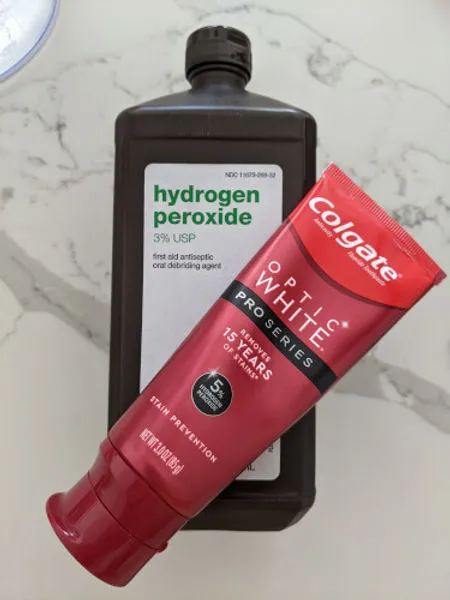
What is Home Teeth Whitening
Home teeth whitening involves various methods to lighten the color of your teeth using products and techniques that can be done at home. These methods offer a convenient and often more affordable alternative to professional treatments. The primary goal of home teeth whitening is to remove stains and discoloration caused by factors such as coffee, tea, tobacco, and aging. The effectiveness of these methods can vary depending on the specific method used, the severity of the stains, and individual tooth characteristics. It is important to approach home teeth whitening with realistic expectations and a good understanding of the potential benefits and risks involved. Consulting with a dental professional is often recommended before starting any home teeth whitening regimen.
Hydrogen Peroxide the Effective Ingredient
Hydrogen peroxide is a key ingredient in many home teeth whitening products because of its oxidizing properties. It works by breaking down stain molecules on the surface of the teeth, thereby making them appear whiter. The concentration of hydrogen peroxide varies in different products, with higher concentrations often found in professional treatments. The effectiveness of hydrogen peroxide in teeth whitening depends on factors such as the concentration used, the duration of application, and the frequency of use. While hydrogen peroxide is generally safe when used as directed, it can cause some side effects, such as tooth sensitivity and gum irritation, especially when used in higher concentrations or for extended periods. Always read the product instructions and follow the recommended usage to minimize potential risks.
The Science Behind Hydrogen Peroxide Whitening

The science behind hydrogen peroxide teeth whitening involves the chemical reaction where hydrogen peroxide molecules penetrate the enamel of the teeth and break down the stain-causing compounds. These compounds are complex organic molecules that have absorbed light, giving teeth a yellowish or brownish appearance. As hydrogen peroxide reacts with these molecules, it breaks them into smaller, colorless components, which results in the teeth appearing whiter. The effectiveness of this process is influenced by factors like the concentration of hydrogen peroxide, the contact time, and the porous nature of the enamel. Higher concentrations and longer contact times can lead to more dramatic results, but they also increase the risk of side effects. The porous nature of enamel allows hydrogen peroxide to seep in, making this process possible. The overall whitening effect depends on the nature and the extent of staining and the individual tooth characteristics.
5 Proven Home Teeth Whitening Methods
There are several home methods for teeth whitening, each with its own approach, ingredients, and procedures. These methods vary in effectiveness, ease of use, and potential side effects. Some of the most popular methods include using hydrogen peroxide with baking soda, mouthwash, whitening strips, toothpaste, and custom whitening trays. Before trying any of these, it’s important to understand how they work and to be aware of possible risks. It is best to consult with a dentist to know which method is the best suitable for you. Using the right method and following proper procedures will improve your chances of seeing the desired whitening effect and minimize the risk of harm to your teeth and gums.
Method 1 Hydrogen Peroxide and Baking Soda
This method combines hydrogen peroxide and baking soda to create a whitening paste. Baking soda acts as a mild abrasive, helping to scrub away surface stains, while hydrogen peroxide provides the bleaching action. This method is relatively inexpensive and easy to prepare at home, making it a popular choice for those seeking a cost-effective solution. It’s important to use the mixture with caution, as excessive brushing with abrasive substances can damage tooth enamel. It is advisable to use this method no more than once or twice a week to avoid any adverse effects on the enamel. The effectiveness of this method depends on the concentration of the hydrogen peroxide used and the frequency of application. It’s a simple method that requires careful preparation and diligent use.
How to Prepare the Mixture

To prepare the hydrogen peroxide and baking soda mixture, start by mixing a small amount of baking soda with hydrogen peroxide to form a paste. The ideal ratio is usually a small amount of baking soda (about a teaspoon) with enough hydrogen peroxide to create a paste-like consistency. The hydrogen peroxide concentration is generally around 3%, which is safe for home use. Avoid making the mixture too watery or too thick; the goal is to get a paste that can be easily applied to your teeth. It is important to use the right amount to ensure that the mixture is effective but not overly abrasive. Always mix the ingredients just before use to maintain their effectiveness. This will guarantee that the mixture is fresh and ready to work. Once prepared, the paste is ready to be used for brushing your teeth.
Application and Usage
When applying the hydrogen peroxide and baking soda paste, use a soft-bristled toothbrush and gently brush your teeth for about two minutes. Focus on covering all the surfaces of your teeth, ensuring that you reach every part that needs whitening. After brushing, rinse your mouth thoroughly with water to remove any remaining paste. It’s important not to brush too hard or too vigorously, as this can erode the enamel. Avoid swallowing the paste, as it’s not meant for consumption. Using this method no more than once or twice a week is recommended to prevent enamel damage and irritation. Regular use and proper application are vital to get the best outcomes. If you feel any sensitivity or discomfort, decrease the frequency of use or stop the procedure entirely.
Method 2 Hydrogen Peroxide Mouthwash
Hydrogen peroxide mouthwash is another simple method that uses hydrogen peroxide to whiten teeth. These mouthwashes are readily available and are designed to be used as part of your daily oral hygiene routine. They work by providing a diluted concentration of hydrogen peroxide, which helps to remove surface stains and brighten your teeth. The effectiveness of the mouthwash depends on the concentration of hydrogen peroxide and the duration of its use. While this method can be effective for minor stains, it may not provide dramatic results. It is also important to adhere to the usage instructions and to be mindful of potential side effects. Combining this method with regular brushing and flossing can enhance your overall oral health and whitening results.
Selecting the Right Mouthwash

When selecting a hydrogen peroxide mouthwash, consider the concentration of hydrogen peroxide and the overall formulation. The concentration should be within a safe range, usually around 1.5% to 3%, to reduce the risk of side effects. Look for mouthwashes that are specifically designed for teeth whitening, as they often contain additional ingredients to support this process. Consider the presence of other ingredients, such as fluoride, which can help strengthen your teeth. Also, review the mouthwash’s taste and whether it suits your preferences. Reading reviews and seeking recommendations from dental professionals can help you choose the best mouthwash. Choosing the right mouthwash involves evaluating the ingredients, concentration, and your personal preferences.
Using the Mouthwash
To use hydrogen peroxide mouthwash effectively, follow the product instructions carefully. Typically, you will need to rinse your mouth with a measured amount of the mouthwash for about 30 to 60 seconds, then spit it out without swallowing. For best results, use the mouthwash after brushing and flossing, ensuring that your teeth are clean. Avoid eating or drinking for at least 30 minutes after using the mouthwash to allow the hydrogen peroxide to work without interference. Regular use, typically once or twice a day, can help maintain the whitening effect. Regular and correct use of the mouthwash can lead to noticeable improvements in the brightness of your teeth. Remember to integrate this method into your daily oral hygiene routine.
Method 3 Hydrogen Peroxide Whitening Strips
Whitening strips containing hydrogen peroxide are a popular and effective method for home teeth whitening. These strips are thin, flexible, and pre-coated with a whitening gel. They are designed to be applied directly to the teeth, providing a consistent and targeted whitening treatment. The strips adhere to the teeth, ensuring maximum contact time with the enamel. The concentration of hydrogen peroxide in whitening strips varies, allowing for a range of whitening strengths. They are easy to use and can be incorporated into your daily routine, making them a convenient option for people looking to enhance their smile. Results may vary depending on the product and the initial condition of the teeth. They deliver noticeable improvements in tooth color and brightness, offering a convenient and user-friendly approach to teeth whitening.
Application Process

Applying hydrogen peroxide whitening strips is a straightforward process. First, brush and floss your teeth to remove any debris or plaque. Carefully peel the strips from their packaging, ensuring that you handle them with clean hands. Apply the strips to your teeth, aligning them with the gumline and gently pressing them to ensure complete contact with the tooth surfaces. Leave the strips on for the time recommended on the product packaging, usually between 30 minutes to an hour. Once the time is up, carefully remove the strips and dispose of them. Rinse your mouth with water to remove any residual gel. Repeat this process as directed on the product’s instructions, typically once or twice a day. By following the correct application process, you can achieve the best results.
Precautions and Safety
While using hydrogen peroxide whitening strips, it’s important to follow some safety precautions. Avoid swallowing the gel, and do not use the strips more frequently than the product instructions recommend. Excessive use can lead to tooth sensitivity and gum irritation. If you experience any discomfort or sensitivity, stop using the strips and consult a dentist. Be cautious about the potential for uneven whitening if the strips are not applied correctly, which can lead to discoloration. If you have dental work, like fillings or crowns, whitening strips will not change their color, so you might end up with uneven results. It’s also important to store the strips in a cool, dry place away from sunlight. By taking these precautions, you can minimize potential risks and ensure a safe whitening experience. Regular dental check-ups will help identify any potential issues early.
Method 4 Hydrogen Peroxide and Toothpaste
Many toothpastes contain hydrogen peroxide as an active ingredient to help whiten teeth. This method is convenient because it incorporates teeth whitening into your daily brushing routine. The concentration of hydrogen peroxide in these toothpastes is typically lower than in other whitening products, making it gentler for everyday use. These toothpastes work by oxidizing stains on the tooth surfaces, resulting in a gradual whitening effect. Regular use can help maintain the brightness of your teeth and prevent new stains from forming. When paired with a comprehensive oral hygiene routine that includes brushing, flossing, and regular dental check-ups, it can enhance your overall dental health and improve the appearance of your smile. However, the results will be more gradual compared to other methods.
Toothpaste Selection

When choosing a hydrogen peroxide toothpaste, consider factors such as the concentration of hydrogen peroxide, the presence of other whitening agents, and the overall formulation. Look for toothpastes that are specifically labeled for whitening, as they often contain a higher concentration of hydrogen peroxide or other effective ingredients. Review the other ingredients, such as fluoride, which helps to strengthen tooth enamel. Also, consider your personal preferences, such as taste and texture, to ensure you enjoy using the toothpaste regularly. Reading reviews and seeking recommendations from dental professionals can help you pick the right toothpaste. Choose a product that addresses your specific needs and fits well within your oral hygiene routine for optimal results. Make sure the toothpaste meets the needs of your teeth.
Application Technique
The application of hydrogen peroxide toothpaste is similar to using regular toothpaste. Apply a pea-sized amount of toothpaste to your toothbrush and brush your teeth thoroughly for at least two minutes. Be sure to reach all surfaces of your teeth, including the front, back, and chewing surfaces. Use gentle, circular motions to avoid damaging your enamel. After brushing, rinse your mouth thoroughly with water. It’s best to use the toothpaste twice a day, as part of your morning and evening routine. To improve results, combine this method with regular flossing and rinsing. Correct brushing technique is essential to maintain the effectiveness and to get the best results. Consistency is key to achieving and maintaining a brighter smile.
Method 5 Hydrogen Peroxide with Whitening Trays
Custom whitening trays, used with a hydrogen peroxide gel, provide a more professional-grade home teeth whitening experience. These trays are custom-made by a dentist to fit your teeth perfectly, ensuring even application of the whitening gel. The dentist will provide you with a specific hydrogen peroxide gel that’s safe for use at home. The customized fit of the trays minimizes the chance of the gel leaking and irritating your gums. This method can offer more dramatic whitening results than over-the-counter products, as it uses a higher concentration of hydrogen peroxide. By working with a dentist, you will receive personalized guidance and support throughout the whitening process. This approach gives you the best chances to achieve the smile you want.
Tray Selection and Customization
The process of tray selection and customization starts with a visit to your dentist. They will take an impression of your teeth to create custom-fitted trays. The trays are designed to snugly fit over your teeth, which ensures the whitening gel makes even contact with the surfaces. Once the trays are made, the dentist will provide instructions on how to use them, including the amount of whitening gel to apply and the duration of each treatment. Custom trays provide better results than generic trays because they are precisely fitted to the individual’s mouth. They prevent the gel from leaking and irritating the gums, maximizing both effectiveness and safety. Custom trays ensure an effective and comfortable whitening process.
Application and Procedure
To use custom whitening trays, start by brushing and flossing your teeth. Apply a small amount of the hydrogen peroxide gel into each tray, following your dentist’s instructions. Carefully insert the trays into your mouth, ensuring they are properly seated over your teeth. Wear the trays for the time recommended by your dentist, which can be anywhere from 30 minutes to several hours, depending on the gel strength and your desired results. After the treatment, remove the trays and rinse them with water. Brush your teeth again to remove any residual gel. It’s crucial to stick to the instructions provided by your dentist to achieve the best results and avoid any complications. Regular follow-up appointments can help monitor progress and address any potential side effects. By following the instructions properly, you can achieve significant improvement in the brightness of your teeth.
Important Considerations and Safety Tips
When considering home teeth whitening with hydrogen peroxide, it’s essential to follow some important considerations and safety tips. Always consult your dentist before starting any whitening treatment to ensure it’s safe for your teeth and gums. Make sure to follow the product instructions exactly, and do not exceed the recommended usage. Using too much or using it more frequently can lead to tooth sensitivity and gum irritation. Avoid swallowing any whitening products. If you have any dental work, such as fillings or crowns, be aware that the whitening treatments will not change their color. Consider your overall oral health, including any existing dental conditions, to determine if home whitening is suitable for you. By taking these precautions, you can maximize the benefits of home teeth whitening while minimizing potential risks. Regular dental check-ups will also help monitor your dental health.
Potential Side Effects and How to Avoid Them
Home teeth whitening with hydrogen peroxide can sometimes lead to side effects, but understanding these and knowing how to prevent them can ensure a safer experience. The most common side effects include tooth sensitivity and gum irritation. To reduce tooth sensitivity, use a toothpaste designed for sensitive teeth before, during, and after whitening treatments. Avoid prolonged use of high-concentration hydrogen peroxide products. Gum irritation can be caused by the whitening gel coming into contact with your gums. To prevent this, use custom-fitted trays, which can prevent leakage. You might also consider using a barrier gel to protect your gums. If you experience severe sensitivity or irritation, stop the treatment and consult your dentist. By addressing these side effects, you can maintain your comfort.
When to Consult a Dentist
It’s crucial to know when to consult a dentist regarding home teeth whitening. If you experience any unusual or persistent side effects, like severe tooth sensitivity or gum irritation, you should seek professional advice. Also, if you have any existing dental conditions, such as cavities, gum disease, or significant tooth decay, it is always best to consult with your dentist before undergoing any whitening treatments. Your dentist can assess your oral health and provide personalized recommendations. Moreover, if you’re not seeing the results you desire from home treatments, your dentist may suggest alternative or more effective professional whitening options. Regular dental check-ups can help ensure that any teeth whitening treatments are safe and suitable for your individual needs. Consulting a dentist offers you the best support.