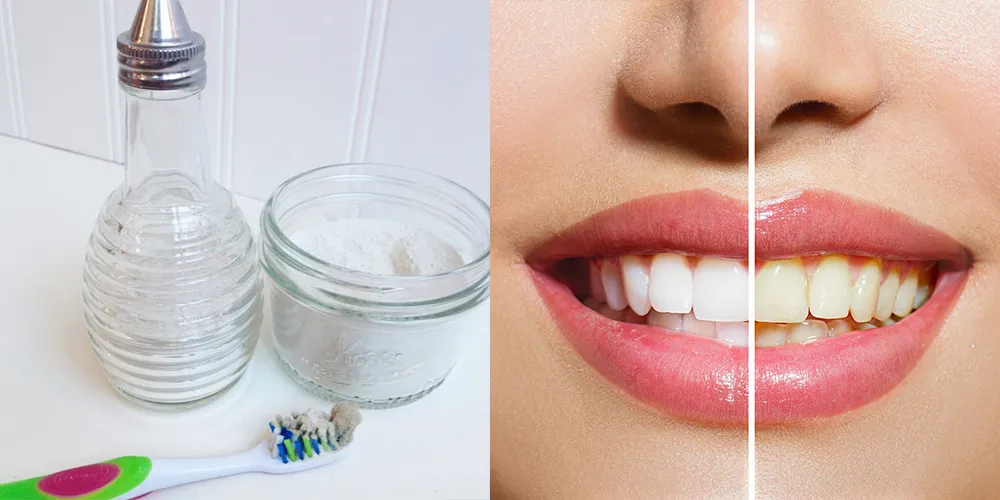
Understanding Teeth Whitening
A bright, white smile is often associated with youth, health, and attractiveness. However, over time, teeth can become discolored due to various factors. Fortunately, there are several effective methods to whiten teeth, including professional treatments and do-it-yourself (DIY) options. This guide explores various homemade teeth whitening techniques, their benefits, and important safety considerations. It aims to provide you with the knowledge you need to achieve a brighter smile from the comfort of your home. Understanding the causes of tooth discoloration is the first step in effectively addressing the problem. By knowing what causes the stains, you can choose the most suitable and effective whitening method for your specific needs and achieve the best possible results.
Causes of Tooth Discoloration
Tooth discoloration can be categorized into two main types extrinsic and intrinsic stains. Understanding the differences between these types is crucial for selecting the most appropriate whitening treatment. Extrinsic stains affect the surface of the tooth, while intrinsic stains originate from within the tooth structure. Both types can significantly impact the appearance of your smile, and each responds differently to whitening treatments. Recognizing the specific type of stain you have will help you choose the most effective home remedy or determine if you need professional dental help.
Extrinsic Stains

Extrinsic stains occur on the enamel surface of the teeth. These are typically caused by external factors such as food, drinks, and tobacco use. Common culprits include coffee, tea, red wine, and dark-colored berries. Tobacco products, like cigarettes and chewing tobacco, are also major contributors. These substances contain chromogens, which are pigment-producing substances that adhere to the enamel and cause discoloration. Regular brushing and professional cleanings can often remove these stains. However, home remedies can also play a significant role in their removal and prevention.
Intrinsic Stains
Intrinsic stains originate from within the tooth structure, specifically in the dentin layer beneath the enamel. These stains can be caused by several factors, including aging, certain medications (like tetracycline), excessive fluoride exposure during childhood, and trauma to the teeth. Intrinsic stains are often more difficult to remove than extrinsic stains and may require professional whitening treatments. Home remedies can sometimes improve the appearance, but results may vary. Consulting a dentist is essential to determine the best course of action for managing intrinsic stains and achieving the desired whitening effect.
DIY Teeth Whitening Methods
Several DIY methods can help whiten teeth at home, offering a cost-effective alternative to professional treatments. It is essential to use these methods cautiously and follow instructions carefully to avoid potential side effects. Always consult your dentist before trying any new whitening method. The effectiveness of these methods varies depending on the type of stain and the individual. Combining different approaches can sometimes yield better results, but it is crucial to monitor your teeth for any signs of sensitivity or irritation. Remember that consistency is key to achieving and maintaining a whiter smile with home remedies.
Baking Soda and Hydrogen Peroxide

Baking soda and hydrogen peroxide are popular home remedies for teeth whitening, known for their abrasive and oxidizing properties. Baking soda gently scrubs away surface stains, while hydrogen peroxide acts as a mild bleaching agent. This combination can help remove extrinsic stains caused by food and drinks. Using this method can provide visible results over time, making it a go-to choice for many looking for a natural way to brighten their smile. Be mindful of proper usage to avoid potential enamel damage and gum irritation. Proper technique is crucial to maximize the benefits and minimize any adverse effects.
Benefits of Baking Soda and Hydrogen Peroxide
The combination of baking soda and hydrogen peroxide offers several benefits for teeth whitening. Baking soda is a mild abrasive that helps to remove surface stains and plaque, making your teeth appear cleaner and whiter. Hydrogen peroxide acts as a mild bleaching agent, breaking down stain-causing molecules and further brightening your smile. Using this combination regularly can lead to noticeable improvements in the appearance of your teeth over time. However, it is important to use it correctly to avoid any potential damage to your enamel or gums. The benefits of this method make it a popular choice for those seeking an accessible and affordable whitening solution.
How to Use Baking Soda and Hydrogen Peroxide
To use baking soda and hydrogen peroxide for teeth whitening, mix one tablespoon of baking soda with two tablespoons of hydrogen peroxide to form a paste. Gently brush your teeth with the paste for about two minutes. Rinse thoroughly with water. Use this method no more than once or twice a week to avoid damaging your enamel. Overuse can lead to tooth sensitivity and gum irritation. Always be gentle when brushing to avoid abrasion. If you experience any discomfort, discontinue use and consult your dentist. Proper technique and frequency are key to achieving the desired whitening effects without compromising your oral health.
Coconut Oil Pulling for Whitening

Coconut oil pulling is an ancient Ayurvedic practice that involves swishing coconut oil in your mouth for a period of time. This method is believed to remove bacteria and toxins, which can contribute to plaque buildup and discoloration. While the whitening effects may be subtle, coconut oil pulling can contribute to overall oral hygiene, leading to a healthier and brighter smile over time. Choosing high-quality, virgin coconut oil is crucial for the best results. It can be a beneficial addition to your oral care routine, especially for those looking for a natural approach to dental health. Be patient and consistent to see the potential benefits.
Benefits of Coconut Oil Pulling
Coconut oil pulling offers several potential benefits for oral health, including teeth whitening. The lauric acid in coconut oil has antimicrobial properties that can help reduce bacteria in the mouth. This, in turn, can decrease plaque buildup and prevent tooth decay. While the whitening effect may not be as dramatic as other methods, coconut oil pulling can contribute to a cleaner and healthier mouth, indirectly leading to a brighter smile. Additionally, some people find that coconut oil pulling helps to freshen breath and improve gum health. It’s a gentle, natural approach that supports overall oral hygiene.
How to Perform Oil Pulling
To perform oil pulling, take one to two tablespoons of coconut oil and swish it around in your mouth for 15 to 20 minutes. Ensure the oil reaches all areas of your mouth and teeth. Spit the oil into the trash can, as it can clog drains. Rinse your mouth with water and then brush your teeth as usual. It is best to perform oil pulling on an empty stomach, ideally in the morning. Consistent practice is essential to see the potential benefits, and it should be incorporated into your daily routine. This simple practice can contribute to a healthier mouth and, over time, a brighter smile. Always consult with your dentist about including this method.
Whitening with Strawberries

Strawberries contain malic acid, a natural enzyme that can act as a mild stain remover. While not as potent as other whitening agents, strawberries can help to remove surface stains and brighten teeth. Combining strawberries with baking soda can enhance their whitening effects. This method is gentle and safe for most people, making it a good option for those with sensitive teeth. Regular use can contribute to a brighter smile, although results may vary. Strawberries are a delicious and natural way to support your oral health and enhance the appearance of your teeth. Enjoying them as part of a balanced diet also provides essential nutrients.
Benefits of Strawberries for Whitening
The malic acid in strawberries acts as a natural astringent, helping to remove surface stains from teeth. The fruit’s slightly abrasive texture can also contribute to stain removal. Strawberries are rich in vitamin C, which promotes overall oral health. While not as strong as other whitening agents, strawberries offer a gentle and natural way to improve the appearance of your smile. They are a safe alternative for those with sensitive teeth or those looking for a less aggressive approach to teeth whitening. Combining strawberries with other natural ingredients, such as baking soda, can maximize their benefits and enhance the whitening effect.
How to Use Strawberries for Whitening
To use strawberries for teeth whitening, mash one or two fresh strawberries into a paste. You can then mix the mashed strawberries with a small amount of baking soda. Apply the paste to your teeth and let it sit for a few minutes. Gently brush your teeth with the mixture, and then rinse thoroughly with water. Use this method no more than once or twice a week to avoid any potential enamel damage. Always be gentle while brushing. It is best to consult your dentist before trying this method, particularly if you have any underlying dental issues or sensitivity. Consistency and proper use are essential to achieve the best results safely.
Apple Cider Vinegar Rinse

Apple cider vinegar (ACV) is believed by some to have teeth-whitening properties due to its acidic nature. ACV can help to remove surface stains and plaque, contributing to a cleaner and brighter smile. However, it is crucial to use ACV with caution because of its acidity, which can potentially erode enamel if used improperly. Always dilute ACV with water and limit its use to avoid damaging your teeth. It is essential to consult your dentist before incorporating ACV into your oral hygiene routine. It’s best to balance this method with proper brushing and other preventative measures for optimal oral health.
Benefits of Apple Cider Vinegar
Apple cider vinegar is thought to have various benefits for oral health, including potential teeth whitening. The acidic nature of ACV can help to remove surface stains and plaque from teeth, making them appear brighter. It can also help to kill bacteria in the mouth, contributing to fresher breath. However, it is crucial to use ACV with caution to avoid any damage to your enamel. Diluting ACV with water can reduce the risk of erosion. Proper use and moderation are key to reaping its potential benefits while minimizing any risks. The benefits, however, should be balanced with other preventative oral hygiene practices.
How to Use Apple Cider Vinegar
To use apple cider vinegar, dilute one tablespoon of ACV with a cup of water. Swish the mixture in your mouth for about 30 seconds, and then rinse thoroughly with water. It’s important to brush your teeth afterward to remove any remaining acid and protect your enamel. Use this rinse no more than once or twice a week, as excessive use can damage your teeth. Always consult your dentist before incorporating ACV into your oral hygiene routine. Proper dilution and frequency are essential to minimize the risk of enamel erosion and ensure that it remains a safe and effective method for you. This is particularly important if you have sensitive teeth or pre-existing dental issues.
Important Considerations and Safety

While home teeth whitening methods can be effective, it is essential to be aware of potential risks and side effects. Always prioritize your oral health and consult your dentist before trying any new treatments. Choosing the right approach can vary depending on your individual needs and any underlying dental conditions. Overuse of certain methods can cause sensitivity, enamel damage, and gum irritation. Being well-informed about the potential issues and consulting with a professional is crucial for ensuring the safety and effectiveness of any whitening procedure. Your dentist can provide personalized advice and guidance tailored to your unique situation.
Potential Risks and Side Effects
Some home teeth whitening methods can cause sensitivity, enamel damage, and gum irritation. Overuse of abrasive substances, like baking soda, can erode enamel over time, making your teeth more susceptible to cavities and sensitivity. Strong acids, such as apple cider vinegar, can also damage enamel. Additionally, some individuals may experience gum irritation or inflammation from certain whitening treatments. It is crucial to be aware of these potential risks and to use home remedies with caution. Always follow instructions carefully, and if you experience any adverse effects, discontinue use and consult your dentist immediately. Monitoring your teeth for sensitivity or irritation is an essential aspect of safe whitening.
Consulting a Dentist
Consulting your dentist is essential before starting any home teeth whitening treatment. Your dentist can assess your oral health, identify any underlying issues, and recommend the most suitable whitening method for your specific needs. They can also advise you on the potential risks and side effects associated with different treatments. Professional dental cleanings and whitening treatments are often more effective and safer than DIY methods, especially for those with significant discoloration or sensitive teeth. Your dentist can provide personalized advice and help you achieve the best possible results while protecting your oral health. Regular dental checkups are critical for maintaining a healthy and bright smile.
Maintaining Your White Smile
Maintaining a white smile requires consistent oral hygiene practices and lifestyle choices. Regular brushing, flossing, and professional dental cleanings are essential for preventing stains and keeping your teeth healthy. Avoiding staining foods and drinks, such as coffee, tea, and red wine, can also help preserve your white smile. Additionally, maintaining a balanced diet and avoiding tobacco products can contribute to your overall oral health and the longevity of your whitening results. Taking care of your teeth on a daily basis will ensure you can enjoy your bright smile for years to come. Incorporating these practices into your daily routine can make a significant difference.
Proper Brushing Techniques
Proper brushing techniques are fundamental to maintaining a white smile. Brush your teeth at least twice a day for two minutes each time. Use a soft-bristled toothbrush and fluoride toothpaste. Brush all surfaces of your teeth, including the front, back, and chewing surfaces. Use a gentle, circular motion to avoid damaging your gums and enamel. Replace your toothbrush every three months, or sooner if the bristles become frayed. Proper brushing helps remove plaque and surface stains, which contributes to a brighter smile. It also promotes healthy gums and prevents tooth decay. Making sure you are following the best brushing practice will help maintain your bright and healthy teeth.
Avoiding Staining Foods and Drinks
Avoiding staining foods and drinks is crucial for preserving a white smile. Certain foods and beverages contain chromogens that can stain your teeth. Common culprits include coffee, tea, red wine, and dark-colored berries. Limiting your intake of these substances can help prevent new stains from forming. If you consume staining foods and drinks, rinse your mouth with water immediately afterward or brush your teeth to minimize their impact. Using a straw for drinks can also help to reduce contact with your teeth. Making mindful choices about your diet can help you maintain the results of your teeth whitening efforts and ensure a brighter smile.