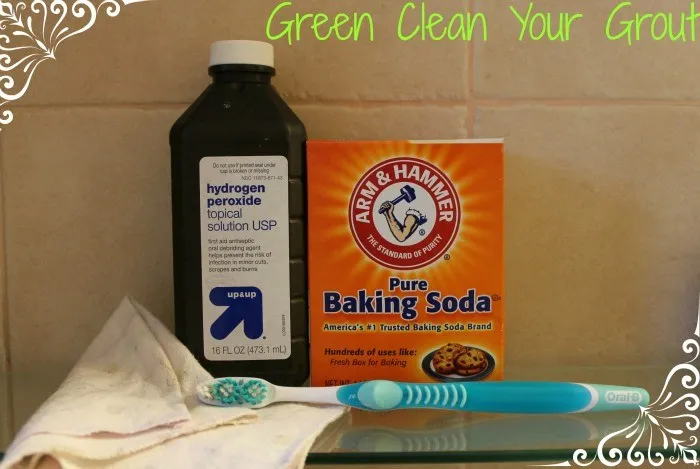
Why Baking Soda and Peroxide for Teeth Whitening
The pursuit of a brighter, whiter smile has led many to explore natural and accessible methods. Among these, the combination of baking soda and hydrogen peroxide has gained significant popularity as a potential teeth whitening solution. This approach offers a budget-friendly alternative to expensive professional treatments and over-the-counter products. But how effective is this method, and what are the underlying principles that make it work? This article delves into the science behind baking soda and peroxide, providing a comprehensive guide to understanding and utilizing this teeth whitening technique. We’ll explore the mechanisms by which these ingredients interact with tooth enamel, the proper methods for application, and the potential benefits and risks involved. Whether you’re a seasoned user or a curious beginner, this guide will equip you with the knowledge to make informed decisions about your oral care routine. Remember, while this method can be effective for some, individual results may vary. It’s always advisable to consult with a dental professional for personalized advice and to ensure this approach aligns with your overall oral health.
The Science Behind Baking Soda’s Whitening Power
Baking soda, also known as sodium bicarbonate, is a mild abrasive that can help remove surface stains from teeth. These stains, which can be caused by coffee, tea, tobacco, and certain foods, accumulate over time and dull the natural whiteness of your teeth. The gentle abrasive action of baking soda helps to scrub away these stains, revealing the underlying enamel. It’s important to note that baking soda doesn’t change the intrinsic color of your teeth; instead, it primarily targets extrinsic stains. Moreover, baking soda has mild alkaline properties that can help neutralize acids in the mouth, which can contribute to enamel erosion and tooth decay. This buffering effect can indirectly contribute to oral health by creating a less acidic environment that is less conducive to bacterial growth. However, its abrasive nature means that it should be used with caution and moderation to avoid damaging the enamel. Overuse can lead to increased sensitivity and even erosion of the tooth’s protective layer. Therefore, understanding the appropriate frequency and method of application is crucial for safe and effective use.
How Peroxide Works on Tooth Stains

Hydrogen peroxide, a common antiseptic and oxidizing agent, is the active ingredient in many professional and over-the-counter teeth whitening products. Its whitening power stems from its ability to penetrate the enamel and break down stain molecules. Unlike baking soda, which primarily removes surface stains, hydrogen peroxide can address both extrinsic and intrinsic stains. When hydrogen peroxide comes into contact with the tooth enamel, it releases oxygen. This oxygen acts as a bleaching agent, breaking down the pigmented compounds that cause discoloration. The effectiveness of hydrogen peroxide depends on its concentration and the duration of its contact with the teeth. Higher concentrations can lead to quicker results but also increase the risk of sensitivity and gum irritation. The concentration of hydrogen peroxide used in at-home methods is typically lower than that used in professional treatments, making it a gentler approach. However, consistent use can still yield noticeable results over time. It is essential to use hydrogen peroxide cautiously, following recommended guidelines to minimize potential side effects and maximize its whitening benefits.
Getting Started What You’ll Need
Before embarking on your teeth whitening journey with baking soda and hydrogen peroxide, it’s important to gather the necessary supplies. Having everything ready beforehand will streamline the process and ensure a smooth application. First, you’ll need a clean toothbrush, preferably one with soft bristles to minimize abrasion. Next, you’ll need baking soda, which can be found in most grocery stores. Ensure you choose plain baking soda, not baking powder, as they have different compositions and uses. You’ll also need hydrogen peroxide, typically a 3% solution, which is readily available at pharmacies. Make sure the hydrogen peroxide is fresh and within its expiration date. Additionally, a small bowl and a spoon or mixing utensil will be helpful for preparing the mixture. Some individuals also like to use a small cup for rinsing. Lastly, consider having a timer on hand to accurately track the application time. Having all these items prepared will allow you to efficiently follow the teeth whitening process and achieve the desired results. Remember to prioritize hygiene by ensuring that all utensils and containers are clean before use.
Baking Soda
Baking soda is the star ingredient in this teeth whitening method, offering gentle abrasive action. It’s crucial to use pure baking soda, ensuring it’s free from additives and suitable for oral use. This common household item effectively removes surface stains from teeth, contributing to a brighter smile. Make sure that you purchase pure baking soda from a reputable source to ensure its quality and effectiveness. Store your baking soda in a dry, airtight container to preserve its efficacy. During the teeth whitening process, baking soda acts as a mild abrasive, gently scrubbing away stains caused by coffee, tea, and other substances. It’s important to use baking soda in moderation to prevent any potential damage to the tooth enamel. While it’s a safe and effective option for teeth whitening, the goal is to maintain oral health, so it should be used cautiously.
Hydrogen Peroxide

Hydrogen peroxide is another crucial ingredient, offering its whitening power. Typically, a 3% solution, which is readily available at pharmacies, is safe for home use. It is essential to handle hydrogen peroxide with care, avoiding contact with eyes and skin. Ensure the hydrogen peroxide is fresh and within its expiration date to guarantee its efficacy. Before using hydrogen peroxide for teeth whitening, consider consulting with a dentist for personalized advice and to address any potential concerns. When combined with baking soda, hydrogen peroxide penetrates the enamel, breaking down stain molecules and contributing to a brighter smile. While effective, use it in moderation to prevent potential side effects, and follow recommended guidelines for safe application. You can also rinse your mouth with a diluted hydrogen peroxide solution to help kill bacteria and freshen breath. Be sure to rinse thoroughly with water after use.
The Step-by-Step Whitening Method
Following the right steps is essential for achieving optimal results when whitening your teeth with baking soda and hydrogen peroxide. This method requires careful execution to maximize effectiveness and minimize any potential risks. Proper preparation and adherence to the procedure will ensure your teeth are whitened safely and efficiently. Before you begin, ensure you have all the necessary materials readily available, including baking soda, hydrogen peroxide, a toothbrush, and a small mixing bowl. The following steps should be followed for the teeth whitening method, ensuring a brighter and healthier smile while keeping your teeth safe from harm. This procedure is not a permanent solution and requires consistent attention to oral hygiene and dietary habits. Also, it’s important to be patient, as results may vary depending on the individual and the severity of the stains.
Mixing the Ingredients
The proper mixing of baking soda and hydrogen peroxide is crucial for creating an effective and safe teeth whitening paste. In a small, clean bowl, start by adding a small amount of baking soda, approximately a teaspoon, which is enough to cover your toothbrush bristles. Then, slowly add hydrogen peroxide, starting with a few drops, and mix until you achieve a paste-like consistency. Be careful not to make the mixture too watery or too thick. The ideal consistency is similar to toothpaste. Avoid using too much hydrogen peroxide to prevent potential irritation. Before you start, ensure that all utensils are clean and that you’re working in a well-lit area. By following these steps, you can ensure you have an effective and safe mixture ready for application.
Applying the Paste

After preparing the baking soda and hydrogen peroxide paste, the next step is applying it to your teeth. Using your toothbrush, gently scoop a small amount of the mixture. Apply the paste evenly across your teeth, ensuring all surfaces are covered. Be careful not to apply too much pressure, as this can damage your enamel. Focus on the areas with the most noticeable stains. However, avoid brushing too aggressively, as this can also lead to enamel erosion and sensitivity. Once your teeth are covered, allow the paste to sit for about a minute. This allows the ingredients to work on the stains. Ensure the paste remains in contact with the teeth, which is vital for its effectiveness.
Brushing Technique
Proper brushing technique is crucial when using baking soda and hydrogen peroxide to whiten your teeth. Once the paste is applied, gently brush your teeth using a circular motion. Avoid applying excessive pressure, as this can damage your enamel and increase sensitivity. Focus on brushing each tooth for about a minute, ensuring you reach all surfaces, including the front, back, and chewing surfaces. The aim is to remove surface stains without causing any harm to your gums or teeth. Maintain a consistent and gentle brushing motion throughout the process. After you’ve finished brushing, make sure to thoroughly rinse your mouth with water. After rinsing, you can also use your regular toothpaste for further cleaning. The combination of the whitening paste and the regular toothpaste will help to leave your teeth clean and refreshed.
Rinsing and Aftercare
After brushing with the baking soda and hydrogen peroxide mixture, it’s essential to rinse your mouth thoroughly. Use plenty of water to ensure all traces of the paste are removed. This step is crucial to prevent any residue from remaining on your teeth or gums, which could potentially cause irritation. Once you’ve rinsed your mouth, brush your teeth with regular toothpaste. This helps to neutralize the baking soda’s abrasive effects and protects your teeth from further damage. You can also floss to remove any remaining debris between your teeth. Finally, consider using a fluoride mouthwash to further strengthen your enamel and protect against cavities. Remember to monitor your teeth for any signs of sensitivity or irritation after the treatment, and adjust the frequency of use accordingly. Consistent and proper rinsing and aftercare are key to ensuring the safety and effectiveness of the teeth whitening process. It will leave you with a brighter, healthier smile, without causing any harm.
How Often Should You Whiten Your Teeth

Determining the right frequency for teeth whitening with baking soda and hydrogen peroxide is critical for achieving the desired results while minimizing potential risks. The general recommendation is to use this method no more than once or twice a week. Overuse can lead to enamel erosion and increased tooth sensitivity. If you experience any sensitivity or gum irritation, it’s best to reduce the frequency or discontinue use altogether. Listen to your body and monitor your teeth for any adverse reactions. If you’re new to this method, start with a lower frequency, such as once a week, and gradually increase it if your teeth tolerate it well. Keep in mind that individual results vary, and what works for one person might not work for another. It’s always best to err on the side of caution to protect your oral health. If you’re unsure about the appropriate frequency, consult with your dentist for personalized advice based on your specific needs and oral health condition.
Potential Risks and Side Effects
While baking soda and hydrogen peroxide can be effective for teeth whitening, it’s important to be aware of the potential risks and side effects associated with this method. The primary risks include increased tooth sensitivity and gum irritation. Tooth sensitivity can manifest as discomfort when consuming hot or cold foods and drinks. Gum irritation may appear as redness, swelling, or soreness. These side effects are often a result of the abrasive nature of baking soda and the oxidizing properties of hydrogen peroxide. Overuse or improper application can exacerbate these issues. To minimize the risks, use the mixture sparingly, follow the recommended guidelines, and monitor your teeth for any adverse reactions. If you experience any of these side effects, stop using the method and consult with your dentist. It is always important to prioritize your oral health and be cautious when using any teeth whitening treatment.
Tooth Sensitivity
Tooth sensitivity is a common side effect of using baking soda and hydrogen peroxide for teeth whitening. The abrasive nature of baking soda and the chemical action of hydrogen peroxide can sometimes erode the enamel, exposing the underlying dentin. The dentin contains tiny tubules that lead to the nerves, making your teeth more sensitive to temperature changes and pressure. If you experience tooth sensitivity, it’s a sign that you should reduce the frequency of your teeth whitening treatments. You may also want to try using a toothpaste designed for sensitive teeth. These toothpastes typically contain ingredients that help block the tubules and reduce sensitivity. If the sensitivity persists or worsens, it’s important to consult with your dentist, as they may recommend alternative treatments or solutions. The image shows a diagram explaining the structure of a tooth and how sensitivity can occur due to enamel erosion.
Gum Irritation

Gum irritation is another potential side effect that may occur when using baking soda and hydrogen peroxide for teeth whitening. The chemicals in the mixture can irritate the delicate tissues of your gums, leading to redness, swelling, and soreness. This irritation may be more likely if you have pre-existing gum issues or if you use the mixture too frequently or brush too aggressively. To reduce the risk of gum irritation, make sure to use the recommended amount of baking soda and hydrogen peroxide and follow the proper application techniques. Avoid brushing your gums directly, and focus on brushing your teeth gently. If you experience any gum irritation, stop using the mixture immediately and rinse your mouth with water. If the irritation persists or worsens, seek advice from your dentist. Proper oral hygiene and care are vital in preventing gum irritation and ensuring a healthy smile.
Alternatives to Baking Soda and Peroxide
If you’re looking for alternatives to baking soda and hydrogen peroxide for teeth whitening, there are several other options available. Over-the-counter whitening products, such as whitening strips, gels, and toothpastes, are widely accessible and offer varying levels of effectiveness. These products typically contain carbamide peroxide or hydrogen peroxide as the active whitening agent. Another option is to consult your dentist about professional whitening treatments. These treatments use higher concentrations of hydrogen peroxide and can provide more dramatic results in a shorter period. Some people also explore natural alternatives like activated charcoal or oil pulling, although the scientific evidence supporting their effectiveness is limited. Consider your oral health needs and preferences when deciding which method is right for you. Before starting any new teeth whitening regimen, it’s always wise to consult with your dentist to discuss the best options and ensure your oral health is properly cared for.
Professional Whitening Treatments
Professional teeth whitening treatments offer a more effective and controlled approach to achieving a brighter smile. Dentists can provide in-office whitening procedures that utilize higher concentrations of hydrogen peroxide than at-home methods, resulting in faster and more significant whitening. These treatments are usually performed under professional supervision, ensuring that your gums and teeth are protected throughout the process. Your dentist can also create custom-fitted trays for at-home whitening, which can be more effective than over-the-counter options. Professional treatments are particularly beneficial for addressing stubborn stains or discoloration that may not respond to home remedies. It is essential to consult with your dentist to determine the best option for your unique needs and oral health condition. They can assess the health of your teeth and gums, and advise you on the most appropriate treatment plan. Professional teeth whitening can significantly improve your smile, boosting your confidence and leaving a lasting impression. The image displays a dentist performing teeth whitening on a patient.
Over-the-Counter Whitening Products

Over-the-counter (OTC) teeth whitening products offer a convenient and accessible option for those seeking to brighten their smiles. These products include whitening strips, gels, toothpastes, and mouthwashes. Whitening strips are popular because they are easy to use and typically contain a thin layer of hydrogen peroxide that adheres to your teeth. Whitening gels can be applied using a tray or brush and usually contain carbamide peroxide or hydrogen peroxide. Whitening toothpastes contain mild abrasives and whitening agents, while whitening mouthwashes can help to freshen breath and contribute to overall whitening. The effectiveness of OTC products varies depending on the product and the individual. It’s crucial to carefully follow the instructions and use the products as directed. Some people may experience tooth sensitivity or gum irritation. Consult with your dentist if you have concerns. The image highlights various over-the-counter teeth whitening products.
Maintaining Your White Smile
Maintaining a white smile after teeth whitening requires a consistent and dedicated approach to oral hygiene and lifestyle habits. Regular brushing and flossing are essential for removing plaque and preventing the buildup of stains. Using a whitening toothpaste can help to maintain the results of your whitening treatments. Avoiding foods and drinks that stain teeth, such as coffee, tea, red wine, and dark-colored berries, can also help prolong your bright smile. If you consume staining foods and drinks, rinse your mouth with water immediately afterward to minimize their impact. Regular dental checkups and cleanings are also vital for maintaining your oral health and the results of your teeth whitening efforts. Your dentist can remove any surface stains and advise you on the best practices for keeping your teeth white and healthy. By following these strategies, you can ensure your smile stays bright and vibrant for years to come. A radiant smile can boost your confidence and leave a lasting impression.