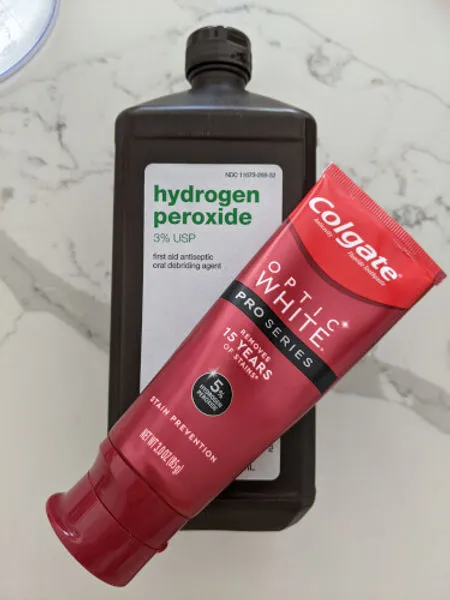
Potential Side Effects of Hydrogen Peroxide Teeth Whitening
Hydrogen peroxide is a common ingredient in teeth whitening products, known for its ability to oxidize stains and brighten teeth. While effective, it’s essential to understand the potential side effects associated with its use. Many over-the-counter and professional teeth whitening treatments utilize hydrogen peroxide in varying concentrations. The higher the concentration, the more potent the whitening effect, but also the greater the risk of experiencing adverse reactions. Understanding these side effects allows individuals to make informed decisions about their oral health and take necessary precautions. This article will explore five key side effects, providing insights into their causes, symptoms, and preventative measures.
Tooth Sensitivity
Tooth sensitivity is perhaps the most frequently reported side effect of hydrogen peroxide teeth whitening. Many individuals experience heightened sensitivity to hot, cold, sweet, or acidic foods and beverages. This sensitivity can range from mild discomfort to sharp, shooting pains. The underlying cause is the temporary opening of the dentinal tubules, microscopic channels within the tooth that lead to the nerve. As hydrogen peroxide penetrates the enamel, it can irritate the nerves, leading to sensitivity. This is a common issue, so it’s always important to do teeth whitening with the proper consultation. Choosing the right product for your teeth is the best approach, as well as consulting your dentist.
Causes of Tooth Sensitivity

Several factors contribute to tooth sensitivity during teeth whitening. The concentration of hydrogen peroxide in the whitening product is a key determinant. Higher concentrations tend to cause more sensitivity. The duration of treatment and the frequency of application also play a role. Using whitening products for extended periods or more frequently than recommended increases the likelihood of sensitivity. Pre-existing conditions, such as receding gums or thin enamel, can make teeth more vulnerable. Furthermore, individual variations in tooth structure and sensitivity levels also contribute. Some individuals are naturally more prone to sensitivity than others, making them more susceptible to this side effect.
Managing Tooth Sensitivity
Several strategies can help manage tooth sensitivity. Switching to a toothpaste specifically designed for sensitive teeth, containing ingredients like potassium nitrate, can provide relief by blocking nerve signals. Avoiding extremely hot or cold foods and beverages can also minimize discomfort. Using a lower concentration of hydrogen peroxide or reducing the frequency of whitening treatments can help. Over-the-counter pain relievers, such as ibuprofen or acetaminophen, can alleviate pain. If sensitivity persists or becomes severe, consulting a dentist is crucial. A dentist can assess the underlying cause and recommend additional treatments, such as fluoride applications or prescription-strength desensitizing toothpaste.
Gum Irritation
Gum irritation, or gingivitis, is another common side effect of hydrogen peroxide teeth whitening. The chemicals can come into contact with the soft tissues of the gums, causing inflammation and irritation. This can result in redness, swelling, and tenderness of the gums. In some cases, the gums may appear white or have a burned appearance. Gum irritation can be especially problematic if the whitening product comes into contact with the gums for an extended period or if the individual has pre-existing gum issues. Therefore, it’s important to use whitening products as directed and to take precautions to protect the gums during the whitening process.
Symptoms of Gum Irritation

Recognizing the symptoms of gum irritation is essential for prompt management. Common signs include redness and swelling of the gums, often accompanied by tenderness. The gums may feel sore or sensitive to touch. In some cases, white patches may appear on the gums, indicating chemical burns. Bleeding during brushing or flossing can also be a sign of gum irritation. If you experience any of these symptoms after teeth whitening, it’s important to discontinue the treatment and monitor your gums. If the symptoms persist or worsen, consult a dentist for professional advice and treatment. Proper care will help in reducing the effects.
Preventing Gum Irritation
Several measures can help prevent gum irritation during teeth whitening. It’s crucial to follow the product instructions carefully and avoid over-application. Ensuring the whitening product only comes into contact with the teeth is essential. Using trays or strips that fit properly and don’t extend onto the gums can help. If using custom trays, make sure they fit snugly. Consider using a protective barrier, such as petroleum jelly or a similar product, to shield the gums from the whitening agent. If gum irritation occurs, discontinue the whitening treatment and rinse your mouth thoroughly with water. You can also use a warm salt water rinse to soothe the gums. If the irritation persists, seek professional dental care.
Enamel Damage
While tooth enamel is the hardest substance in the human body, it can still be vulnerable to damage from hydrogen peroxide teeth whitening, especially with frequent or improper use. Enamel erosion can occur when the whitening agent weakens the enamel structure, making teeth more susceptible to decay, staining, and sensitivity. The extent of enamel damage depends on various factors, including the concentration of hydrogen peroxide, the duration of treatment, and individual oral health. It is crucial to understand the potential risks and take steps to protect the enamel during teeth whitening. Always use a product that is approved and recommended by your dentist.
Understanding Enamel Erosion

Enamel erosion is the gradual wearing away of the tooth’s enamel, the protective outer layer of the tooth. Hydrogen peroxide can contribute to erosion by breaking down the minerals that make up enamel. This process can weaken the tooth structure, making it more vulnerable to damage. Erosion can also increase tooth sensitivity, as the underlying dentin, which contains nerve endings, becomes more exposed. Early signs of enamel erosion may include increased sensitivity, changes in tooth color, and the appearance of small cracks or chips. Over time, severe enamel erosion can lead to tooth decay and other dental problems. It is essential to check with your dentist if you notice anything unusual.
Protecting Tooth Enamel
Several strategies can help protect tooth enamel during teeth whitening. Using products with lower concentrations of hydrogen peroxide can reduce the risk of enamel damage. Following the product instructions carefully and avoiding over-application is crucial. Limiting the duration and frequency of whitening treatments can also minimize the risk. Using a fluoride toothpaste can help remineralize the enamel and strengthen the teeth. Avoiding acidic foods and beverages immediately after whitening can also protect the enamel. Regular dental check-ups are essential for monitoring enamel health and addressing any early signs of damage. Your dentist may recommend specific treatments to protect the enamel and maintain oral health.
Soft Tissue Damage
Hydrogen peroxide can also cause damage to the soft tissues in the mouth, including the gums, cheeks, and tongue. This occurs when the whitening agent comes into direct contact with these tissues, leading to irritation and inflammation. Soft tissue damage is often more likely with higher concentrations of hydrogen peroxide and improper application techniques. The effects can range from mild discomfort to more severe problems, such as chemical burns. Taking precautions to protect the soft tissues is essential during teeth whitening. Always follow your dentist’s instructions when using any product on your teeth, and if you are unsure always ask!
Causes of Soft Tissue Damage

Several factors can cause soft tissue damage during teeth whitening. The concentration of hydrogen peroxide is a significant factor; higher concentrations are more likely to cause irritation. Improper application techniques, such as using ill-fitting trays or applying the whitening agent directly to the gums, can increase the risk. Prolonged contact between the whitening agent and the soft tissues also increases the likelihood of damage. Individuals with pre-existing oral health issues, such as gum disease or open sores, may be more susceptible to soft tissue damage. Always ensure you are using the product correctly and that the trays fit your teeth properly.
Minimizing Soft Tissue Damage
Several measures can help minimize soft tissue damage. Following the product instructions carefully is crucial. Using well-fitting trays or strips that keep the whitening agent away from the gums and other soft tissues is essential. If using custom trays, ensure they fit snugly and cover only the teeth. Consider using a protective barrier, such as petroleum jelly, to shield the gums. If you experience any irritation, discontinue the whitening treatment and rinse your mouth thoroughly with water. Consult your dentist for advice and treatment if the irritation persists or worsens. Regular dental check-ups can also help in identifying and addressing any potential issues early.
Allergic Reactions
Although rare, allergic reactions to hydrogen peroxide or other ingredients in teeth whitening products are possible. These reactions can range from mild to severe, including symptoms like skin rashes, hives, and swelling. Individuals with sensitive skin or a history of allergies are more susceptible to these reactions. Recognizing the signs of an allergic reaction and seeking medical attention is essential. Always review the product ingredients and check for any known allergens. If you experience any unusual symptoms after teeth whitening, it is important to seek advice from your doctor or dentist.
Identifying Allergic Reactions

Recognizing the signs of an allergic reaction is crucial for prompt treatment. Common symptoms include skin rashes, itching, and hives. Swelling of the face, lips, tongue, or throat can also occur, which may indicate a severe reaction. Other symptoms may include difficulty breathing, wheezing, and dizziness. If you experience any of these symptoms after teeth whitening, discontinue the treatment immediately. Seek medical attention if the symptoms are severe or if you have difficulty breathing. If you have a known allergy to any ingredients in the whitening product, avoid using it. Inform your dentist about any allergies before starting any dental treatment.
Seeking Medical Attention
If you suspect you are experiencing an allergic reaction to a teeth whitening product, seek medical attention immediately. Mild reactions, such as skin rashes, may be treated with over-the-counter antihistamines. However, more severe reactions, such as swelling or difficulty breathing, require immediate medical care. Call your doctor or go to the nearest emergency room. Provide the medical professionals with detailed information about the product you used, including the ingredients. Follow your doctor’s recommendations for treatment and care. Report the reaction to your dentist or the product manufacturer. They can help determine the cause and prevent future occurrences.
In conclusion, while hydrogen peroxide teeth whitening can be an effective way to brighten your smile, it’s essential to be aware of the potential side effects. Tooth sensitivity, gum irritation, enamel damage, soft tissue damage, and allergic reactions are all possible. By understanding these risks and taking appropriate precautions, you can minimize the adverse effects and maintain a healthy and beautiful smile. Always consult with your dentist before starting any teeth whitening treatment to ensure it’s safe and suitable for your specific oral health needs. Regular dental check-ups and proper oral hygiene practices are essential for preventing complications and maintaining a healthy smile.