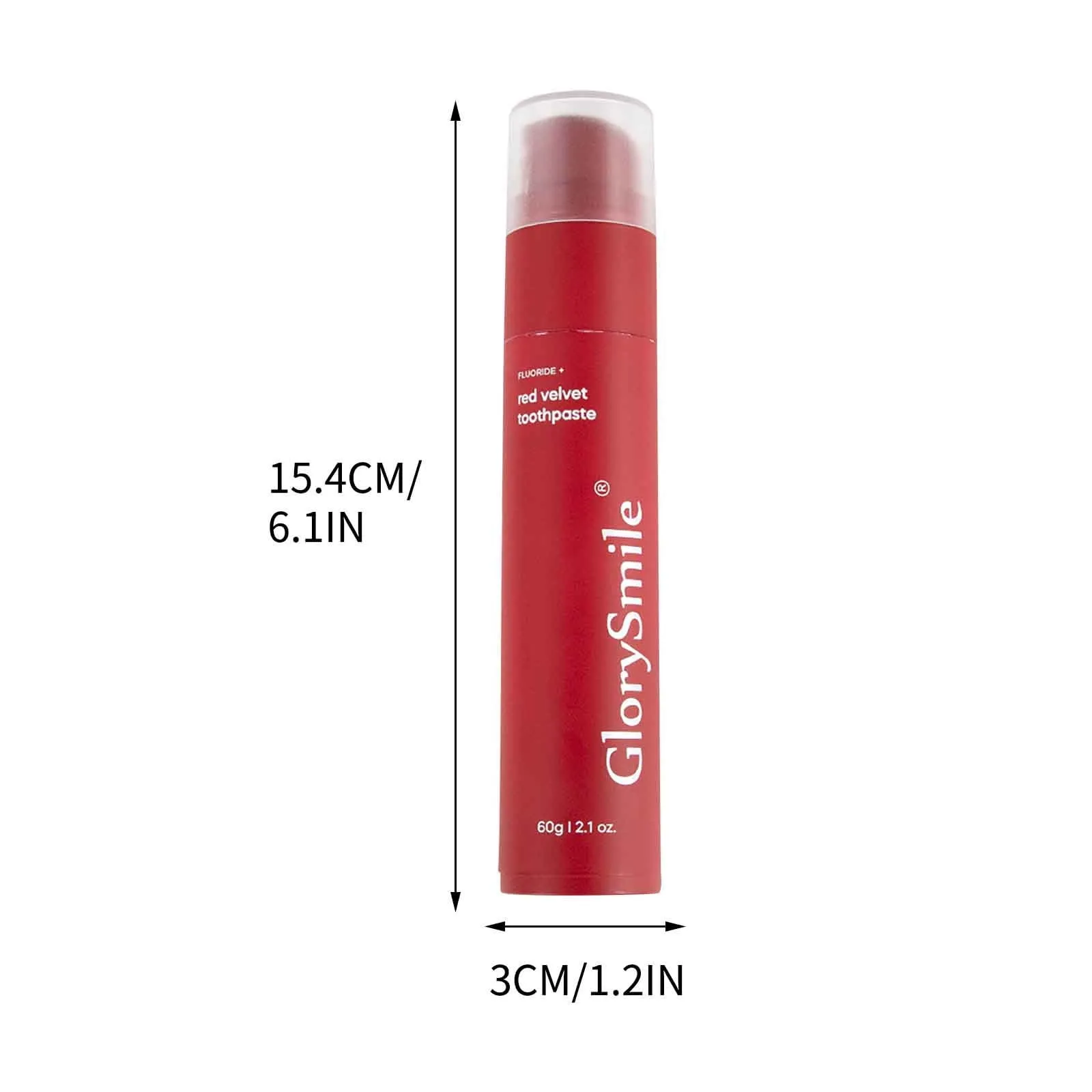
Understanding Kids Whitening Toothpaste
Choosing the right toothpaste for your child can feel overwhelming, especially with the variety of options available. Kids whitening toothpaste is designed to help remove surface stains and brighten your child’s teeth. However, it’s essential to understand the benefits, ingredients, and factors to consider when selecting the best product for your child’s oral health. This guide will provide you with the necessary information to make an informed decision and ensure your child develops healthy dental habits from a young age. Remember, regular dental check-ups and proper brushing techniques are just as important as the toothpaste itself.
What is Kids Whitening Toothpaste
Kids whitening toothpaste typically contains mild abrasive agents and other ingredients that help to remove surface stains on teeth. These stains often result from food, drinks, and other factors. Unlike adult whitening products, kids’ versions are generally formulated to be gentler on developing enamel. It’s crucial to understand that these toothpastes don’t actually change the color of the teeth at the core level like professional whitening treatments. Instead, they work by polishing the tooth surface and removing external discoloration. Regular use, combined with proper brushing, can contribute to brighter, cleaner teeth for your child.
How Does Whitening Toothpaste Work for Kids

Whitening toothpaste for kids generally works through a combination of mild abrasives and other active ingredients. The abrasives, such as hydrated silica or calcium carbonate, gently scrub the tooth surface to remove stains. Additionally, these toothpastes may contain ingredients like sodium tripolyphosphate, which helps to break down stains and prevent new ones from forming. Some products might also incorporate enzymes to further assist in stain removal. It’s important to emphasize that these toothpastes are not designed to drastically change the color of the teeth; instead, they focus on restoring the natural whiteness by removing surface stains caused by diet and other factors.
Ingredients to Look for in Kids Toothpaste
When choosing a kids whitening toothpaste, pay close attention to the ingredients list. Look for toothpastes that contain fluoride, as this helps to strengthen tooth enamel and protect against cavities. Mild abrasives are necessary for stain removal, but ensure they are gentle enough for children’s teeth. Some toothpastes also include Xylitol, a natural sweetener that helps prevent tooth decay. It’s also important to consider the flavor. Choose a toothpaste that your child enjoys, as this can encourage better brushing habits. Always check for the American Dental Association (ADA) Seal of Acceptance, which indicates that the product has been tested and is safe and effective.
Key Ingredients and Their Benefits
Several ingredients play a crucial role in the effectiveness and safety of kids whitening toothpaste. Fluoride is perhaps the most essential, as it helps to remineralize tooth enamel, making it more resistant to acid attacks from bacteria. Mild abrasives, such as hydrated silica, gently remove surface stains without damaging the enamel. Xylitol, a sugar substitute, is beneficial because it cannot be metabolized by oral bacteria, helping to prevent cavities. Some toothpastes also contain other ingredients like glycerin and sorbitol, which act as humectants to keep the toothpaste moist and prevent it from drying out. Always review the ingredient list and consult with your dentist if you have any concerns.
Ingredients to Avoid in Kids Toothpaste

Certain ingredients should be avoided or carefully considered when choosing a toothpaste for your child. One such ingredient is sodium lauryl sulfate (SLS), a foaming agent that can irritate the soft tissues in the mouth and cause canker sores in some children. Artificial colors and flavors, while making the toothpaste more appealing, might cause allergic reactions in sensitive individuals. It’s also wise to avoid toothpastes with excessive amounts of abrasives, as these can wear down enamel over time. Always be mindful of the fluoride content and ensure that your child doesn’t swallow too much toothpaste, as this can lead to fluorosis, a condition that causes white spots on teeth.
Choosing the Right Toothpaste for Your Child’s Age
The appropriate toothpaste varies depending on your child’s age and developmental stage. Infants and toddlers require a very small amount of fluoride toothpaste (the size of a grain of rice) or a fluoride-free option. As children grow older, they can start using a pea-sized amount of fluoride toothpaste. Always supervise children under the age of six while they brush their teeth to ensure they don’t swallow the toothpaste. Consider the flavor preferences of your child, as it can influence their willingness to brush. Also, consult with your dentist about the best toothpaste for your child’s specific needs and age group, they can guide you better.
Toothpaste for Infants and Toddlers
For infants and toddlers, the primary goal is to introduce them to the brushing routine without overwhelming them with too much fluoride. At this stage, fluoride-free toothpaste can be a good option to establish the habit of brushing. If you choose a fluoride toothpaste, use a very small amount (the size of a grain of rice) to minimize the risk of swallowing too much. The focus should be on gently cleaning the teeth and gums with a soft-bristled toothbrush. Introduce the concept of brushing as a fun activity and make it part of their daily routine. Regular dental check-ups are essential, too, to detect any developing issues early.
Toothpaste for Older Children and Teens

As children get older, they can graduate to using a pea-sized amount of fluoride toothpaste. Look for toothpastes specifically designed for children, which often have milder flavors and attractive packaging. At this stage, you can introduce the concept of whitening toothpaste if you feel it’s appropriate, but remember that the primary focus should always be on proper oral hygiene. Encourage your child to brush for two minutes, twice a day, and to floss daily. Discuss the importance of a balanced diet, limiting sugary snacks and drinks to maintain good dental health. Regular dental check-ups are still critical to address any emerging problems.
Factors to Consider When Choosing Toothpaste
Several factors influence your decision when selecting a kids whitening toothpaste. Your child’s age is paramount because it dictates the fluoride content and the amount of toothpaste to use. Consider any specific dental needs, such as sensitivity or a predisposition to cavities. Flavor is crucial; choose a toothpaste your child enjoys to encourage consistent brushing. Always look for the ADA Seal of Acceptance, which guarantees the product’s safety and effectiveness. Review the ingredients list for any potential allergens or harmful substances. If you are unsure, consult with your dentist for personalized recommendations based on your child’s individual requirements.
Flavor Preferences and Oral Health
The flavor of the toothpaste can significantly impact your child’s brushing habits. Kids often have strong preferences, so choose flavors like bubblegum, strawberry, or fruit combinations to make brushing a more enjoyable experience. A pleasant taste encourages them to brush for the recommended two minutes, which is essential for effective cleaning and cavity prevention. However, avoid toothpastes that are overly sweet or contain high levels of sugar, as this can inadvertently contribute to tooth decay. Prioritize the health benefits of the toothpaste while making it appealing to your child’s preferences.
Fluoride Content and Its Importance

Fluoride is a crucial ingredient in kids toothpaste because it strengthens tooth enamel, making it more resistant to acid attacks from bacteria, which is the primary cause of tooth decay. It helps remineralize the enamel, reversing the early stages of decay. The appropriate fluoride concentration varies by age, with younger children needing less. Always supervise brushing to ensure your child doesn’t swallow toothpaste, as excessive fluoride intake can lead to fluorosis. Consult with your dentist to determine the ideal fluoride level for your child’s specific needs, as they can help you to make decisions based on the need.
Addressing Specific Dental Needs
Some children have unique dental needs that should influence your toothpaste selection. If your child has sensitive teeth, look for toothpastes formulated for sensitivity. These toothpastes often contain ingredients like potassium nitrate, which helps block the pain signals to the nerves. If your child is prone to cavities, a toothpaste with a higher fluoride content or one that contains Xylitol might be beneficial. In cases of orthodontic treatment, ensure the toothpaste is gentle yet effective in cleaning around braces. Always consult with your dentist, as they can make personalized recommendations based on your child’s specific dental conditions.
Sensitivity and Enamel Protection
Children with sensitive teeth may experience discomfort when exposed to hot or cold temperatures or sugary foods. Toothpastes designed for sensitive teeth typically contain ingredients that help to block pain signals to the nerves in the teeth. When choosing a whitening toothpaste for children with sensitive teeth, make sure that it is gentle and contains mild abrasives. Regular brushing with proper technique is very important to protect the enamel. Furthermore, consult your dentist about the best toothpaste and oral care routine to alleviate the sensitivity and protect the enamel, preventing further damage and discomfort.
The Role of Dentists and Recommendations

Your dentist plays a critical role in guiding you on the best kids whitening toothpaste for your child. They can assess your child’s oral health, identify any specific needs, and recommend appropriate products. Dentists can provide personalized advice on fluoride levels, ingredients to avoid, and brushing techniques. Regular dental check-ups and professional cleanings are crucial for maintaining optimal oral health. Do not hesitate to ask your dentist for recommendations or to voice any concerns you have regarding toothpaste selection or oral care practices. They are the experts and are best positioned to provide guidance tailored to your child’s unique circumstances.