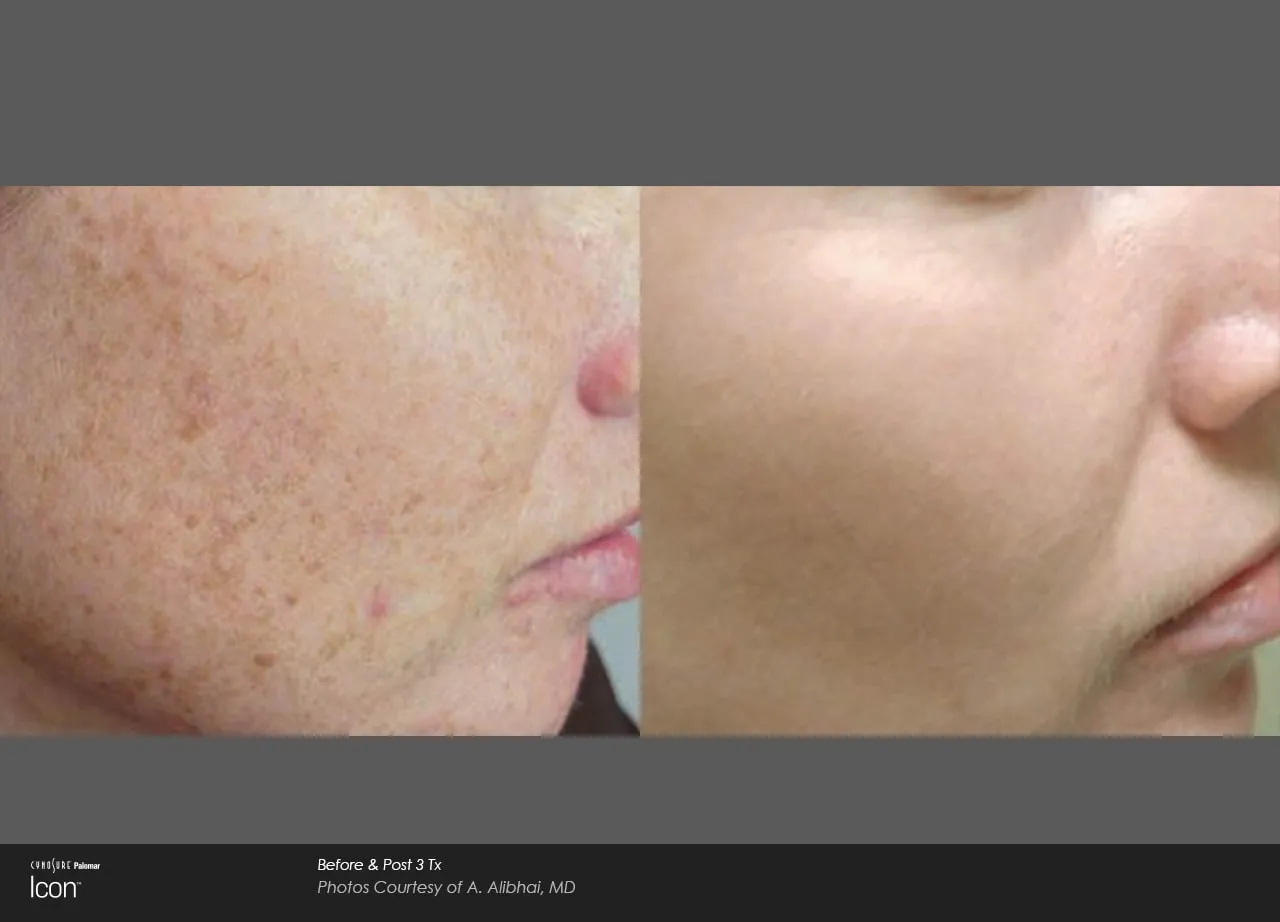
What is Laser Skin Whitening
Laser skin whitening, also known as laser skin lightening, is a cosmetic procedure designed to reduce hyperpigmentation and even out skin tone. This treatment utilizes focused beams of light to target melanin, the pigment responsible for dark spots, sun damage, and uneven skin coloration. The goal is to reveal a brighter, more radiant complexion by diminishing the appearance of unwanted pigmentation. It’s a popular choice for those seeking to address issues such as melasma, age spots, freckles, and post-inflammatory hyperpigmentation resulting from acne or other skin injuries. The process typically involves multiple sessions to achieve optimal results, and the effectiveness can vary depending on the individual’s skin type and the specific concerns being addressed. Understanding the fundamentals of how laser skin whitening works is the first step in determining if it’s the right choice for your skin goals.
How Laser Skin Whitening Works
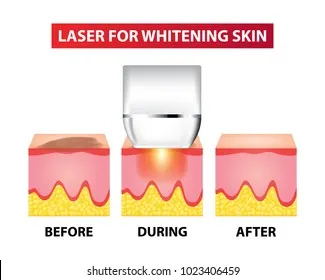
Laser skin whitening works by targeting melanin, the pigment that gives skin its color. Specialized lasers emit concentrated beams of light that are absorbed by the melanin in the skin. This process breaks down the excess pigment, causing the pigmented cells to be naturally eliminated by the body. The laser’s energy is precisely calibrated to target only the pigmented areas, leaving the surrounding skin relatively unaffected. This selective targeting minimizes the risk of damage to healthy skin cells. Over a series of treatments, the targeted areas gradually lighten as the pigmented cells are removed. The effectiveness of the laser treatment depends on the type of laser used, the individual’s skin type, and the specific condition being treated. It’s crucial to consult with a qualified dermatologist or skincare professional to determine the most appropriate laser treatment for your skin concerns and to understand the expected outcomes.
Types of Lasers Used

Several types of lasers are used for skin whitening, each with unique characteristics and applications. The choice of laser depends on the individual’s skin type, the specific pigmentary concerns, and the desired outcome. Some common types include Q-Switched lasers and fractional lasers. The dermatologist will assess your skin type and the nature of your pigmentation to determine the most suitable laser for your specific needs. Understanding the different laser technologies is important for making an informed decision and managing expectations. The selection of the laser directly influences the treatment’s efficacy, the recovery period, and the potential for side effects. Therefore, a detailed discussion with a qualified practitioner is vital to ensuring the safest and most effective treatment plan.
Q-Switched Lasers
Q-Switched lasers are a popular choice for laser skin whitening due to their ability to deliver high-intensity pulses of light in a very short duration. This rapid delivery of energy allows the laser to target melanin with precision while minimizing damage to the surrounding skin. These lasers are particularly effective at treating pigmented lesions such as age spots, freckles, and sunspots. They are also used for tattoo removal, as they can break down the ink particles in the skin. Q-Switched lasers come in various wavelengths, each designed to target specific pigments. The choice of wavelength depends on the color of the pigmentation being treated and the patient’s skin type. Multiple sessions are typically required to achieve optimal results, with each session spaced several weeks apart to allow the skin to heal. The Q-Switched laser remains a gold standard in many clinics due to its versatility and effectiveness in addressing a range of pigmentary concerns.
Fractional Lasers
Fractional lasers, such as the fractional CO2 and erbium lasers, take a different approach. Instead of targeting pigment directly, they create microscopic columns of injury in the skin, stimulating the body’s natural healing process. This process promotes collagen production and cell turnover, leading to improved skin tone and texture. While fractional lasers are not solely used for whitening, they can indirectly contribute to a more even complexion by reducing the appearance of sun damage and promoting the regeneration of healthy skin cells. They are also effective for treating wrinkles, scars, and other skin imperfections. Fractional lasers offer a balance between efficacy and downtime, with the recovery period generally shorter than that of more aggressive laser treatments. The fractional approach allows for targeted treatment, minimizing the impact on surrounding tissues. As with other laser treatments, multiple sessions are often needed to achieve the desired results. The choice between Q-Switched and fractional lasers often depends on the specific skin concerns and the desired outcome, with the dermatologist’s expertise being crucial in making the right recommendation.
Laser Skin Whitening Procedure

The laser skin whitening procedure involves several steps, from initial consultation to post-treatment care. Understanding the process can help patients manage their expectations and prepare for the treatment. The entire process typically involves a pre-treatment consultation, the laser treatment itself, and a recovery period. Each step is designed to ensure the safety and effectiveness of the procedure. The procedure’s success relies not only on the laser technology but also on the expertise of the practitioner and the patient’s adherence to pre- and post-treatment instructions. Careful planning and diligent follow-up are crucial for achieving the best possible outcome. The detailed understanding of each step is key to a successful and satisfying outcome.
Before the Procedure
Before undergoing laser skin whitening, a thorough evaluation and preparation are essential. This phase ensures the treatment is appropriate and minimizes the risk of complications. It involves a consultation with a qualified dermatologist or skincare professional to assess your skin type, medical history, and the specific concerns you wish to address. Proper preparation can significantly influence the treatment’s efficacy and the overall patient experience. The consultation is an opportunity to ask questions, clarify doubts, and establish realistic expectations. Following the dermatologist’s instructions diligently is a must for the best results.
Consultation and Skin Assessment
The consultation is a vital part of the process where the practitioner evaluates the patient’s skin, discusses their medical history, and determines their suitability for laser skin whitening. This includes assessing the patient’s skin type (e.g., Fitzpatrick scale) and the nature of the pigmentation concerns. The dermatologist will inquire about any existing skin conditions, allergies, and medications the patient is taking. They will also explain the procedure in detail, including the benefits, risks, and potential side effects. This is an opportunity for the patient to ask questions and express any concerns they may have. A detailed skin assessment helps the dermatologist tailor the treatment plan to the individual’s needs, ensuring the safest and most effective outcome. A personalized approach is key, as each patient’s skin and concerns are unique.
Preparing Your Skin

Proper preparation of the skin is essential for optimal results and to minimize the risk of complications. Patients are typically advised to avoid sun exposure and tanning beds for several weeks before the treatment. This helps to reduce the skin’s melanin content and makes the laser treatment more effective. The dermatologist may recommend using specific skincare products, such as a gentle cleanser, a broad-spectrum sunscreen, and potentially a lightening agent like hydroquinone. Patients may be instructed to discontinue the use of certain skincare products, such as retinoids and exfoliating agents, a few days before the procedure. This pre-treatment skincare regimen ensures the skin is in the best possible condition to receive the laser treatment. Following the dermatologist’s specific instructions is vital for a successful and safe outcome, helping to maximize the laser’s effectiveness and reduce the chance of adverse reactions.
During the Procedure
During the laser skin whitening procedure, the patient’s skin is carefully treated with the laser device. The process typically involves cleaning the skin, applying a topical anesthetic (if necessary), and then administering the laser pulses. The patient’s comfort and safety are paramount throughout the process. The duration of the procedure varies depending on the size of the treatment area and the type of laser used. The practitioner will closely monitor the patient’s response to the laser and adjust the settings as needed. Understanding what to expect during the procedure can help alleviate anxiety and ensure a smoother experience. The practitioner’s expertise and attention to detail are critical for achieving the desired results.
The Laser Treatment Process
The laser treatment process typically begins with the cleansing of the skin to remove any makeup, oils, or debris. In some cases, a topical anesthetic cream may be applied to numb the area and minimize any discomfort. The practitioner will then use the laser device, carefully directing the laser pulses over the targeted areas of the skin. The patient may feel a snapping or tingling sensation as the laser is applied. The duration of the treatment varies depending on the size of the area being treated, but typically lasts from a few minutes to an hour. Protective eyewear is provided to shield the patient’s eyes from the laser light. Throughout the procedure, the practitioner monitors the patient’s skin and makes adjustments as needed to ensure the treatment is effective and safe. The laser parameters are finely tuned to suit the patient’s skin type and the specific concerns being addressed.
Pain Management

While laser skin whitening is generally well-tolerated, some patients may experience mild discomfort during the procedure. The level of discomfort varies depending on the individual’s pain tolerance and the type of laser used. To manage pain, practitioners may apply a topical anesthetic cream before the treatment to numb the skin. Cooling devices, such as chilled air or ice packs, may also be used to reduce any heat sensation. Some patients report a feeling similar to a rubber band snapping against the skin. The practitioner will work to ensure the patient’s comfort throughout the procedure. Communication between the patient and the practitioner is essential; informing the practitioner of any discomfort allows them to make adjustments as needed. Most patients find the discomfort manageable, and any pain typically subsides shortly after the treatment.
After the Procedure
After the laser skin whitening procedure, the treated area requires careful attention and care to promote healing and achieve optimal results. Following the post-treatment instructions provided by the practitioner is crucial for minimizing complications and ensuring a smooth recovery. This phase involves protecting the skin, managing any side effects, and adhering to a specific skincare regimen. Patience and consistency are key during this recovery period, as the skin undergoes changes and heals. Understanding what to expect after the procedure can help patients manage their expectations and address any concerns they may have. The post-treatment care plan plays a pivotal role in the overall success of the laser skin whitening treatment.
Recovery and Aftercare
Following a laser skin whitening treatment, the skin may be slightly red, swollen, and sensitive. Patients are typically advised to apply a soothing ointment or moisturizer to the treated area and to avoid sun exposure. Sunscreen with a high SPF is essential to protect the skin from further damage and hyperpigmentation. The practitioner may recommend avoiding strenuous activities, hot showers, and harsh skincare products for a few days. Gentle cleansing and moisturizing are key during the recovery period. Patients should follow the specific aftercare instructions provided by their practitioner, which may include avoiding picking or scratching the treated area and attending follow-up appointments. The healing process varies depending on the individual and the intensity of the treatment. Generally, the skin begins to heal within a few days to a week, with continued improvements over the following weeks. Adhering to aftercare instructions is a critical factor in achieving the best possible outcome and minimizing the risk of complications.
Expected Results

The expected results of laser skin whitening can vary depending on the individual’s skin type, the specific concerns being addressed, and the type of laser used. However, in general, patients can anticipate a gradual lightening of the treated areas and a more even skin tone. Multiple sessions are usually required to achieve the desired results, with each session building upon the previous one. The degree of improvement can vary, but many patients experience a noticeable reduction in the appearance of dark spots, sun damage, and uneven pigmentation. It’s important to have realistic expectations and understand that complete removal of all pigmentation may not always be possible. The results often become more apparent over time as the skin heals and regenerates. Maintaining the results requires consistent sun protection and a proper skincare routine. Regular follow-up appointments with the dermatologist are recommended to monitor progress and address any concerns.
Benefits of Laser Skin Whitening
Laser skin whitening offers several benefits for individuals seeking to improve their skin’s appearance. This treatment can effectively reduce the appearance of dark spots, sun damage, and uneven pigmentation. The benefits extend beyond cosmetic enhancements, with many patients reporting increased self-confidence and improved skin health. By addressing pigmentation issues, the treatment can contribute to a more youthful and radiant complexion. The targeted nature of laser treatments minimizes the risk of damage to surrounding healthy skin. This process can be customized to suit different skin types and concerns, making it a versatile solution for a variety of pigmentary conditions. The results often build with each session, providing a lasting improvement in skin tone and texture. Overall, laser skin whitening offers a powerful way to achieve a brighter, more even, and healthier-looking skin, significantly enhancing the patient’s aesthetic and emotional well-being. Consistent maintenance and proper skincare are essential to preserve the benefits of the treatment.
Risks and Side Effects
While laser skin whitening is generally safe, it carries potential risks and side effects. Common side effects include temporary redness, swelling, and mild discomfort in the treated area. More serious, but less common, risks include hyperpigmentation (darkening of the skin), hypopigmentation (lightening of the skin), blistering, scarring, and infection. The likelihood of these risks is influenced by factors like skin type, the practitioner’s experience, and adherence to aftercare instructions. It’s crucial to discuss these potential risks with the practitioner before undergoing the treatment. Selecting a qualified and experienced practitioner can help minimize the risk of complications. Patients should report any unusual symptoms or concerns to their doctor immediately. Careful adherence to pre- and post-treatment instructions is essential for reducing the risk of adverse effects and ensuring a safe and effective outcome. Understanding these potential risks and taking appropriate precautions helps ensure a successful and satisfying treatment experience.
Cost and Considerations
The cost of laser skin whitening varies depending on several factors, including the type of laser used, the size of the treatment area, the number of sessions required, and the location of the clinic. The cost per session can range significantly, and patients should inquire about the total cost, including pre- and post-treatment care. It is crucial to understand that laser skin whitening is generally considered a cosmetic procedure and is not covered by insurance. Financing options may be available in some clinics. Beyond cost, it’s important to consider the practitioner’s experience, the clinic’s reputation, and the technology used. Patients should research and compare prices and services offered by different clinics. Always prioritize a qualified and experienced practitioner over cost. Furthermore, patients should factor in the time commitment required, including the number of sessions and the recovery time. Considering these factors helps patients make informed decisions and manage their expectations effectively, leading to a more satisfying and successful outcome.
Finding a Qualified Practitioner
Choosing a qualified and experienced practitioner is crucial for the safety and effectiveness of laser skin whitening. Look for a board-certified dermatologist or a licensed and experienced aesthetician with extensive experience in laser treatments. Research the practitioner’s credentials, training, and experience. Ask to see before-and-after photos of previous patients to assess the practitioner’s results. Schedule a consultation to discuss your concerns and the treatment plan. During the consultation, pay attention to the practitioner’s communication style, their ability to answer your questions, and their overall professionalism. Ensure the clinic uses state-of-the-art equipment and follows proper safety protocols. Read reviews and testimonials from other patients to gauge their experiences. Trust your instincts and choose a practitioner with whom you feel comfortable and confident. A qualified practitioner will prioritize your safety and provide you with realistic expectations and a customized treatment plan. Selecting the right practitioner is the most important step in achieving a safe, effective, and satisfying outcome.