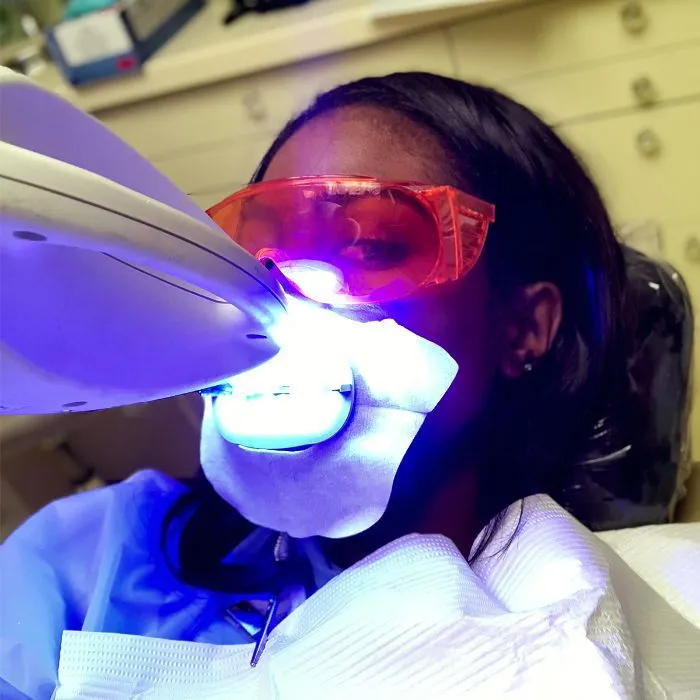
What is Laser Teeth Whitening
Laser teeth whitening, also known as light-activated teeth whitening or power whitening, is a cosmetic dental procedure designed to lighten the color of your teeth. It involves the application of a bleaching agent, typically hydrogen peroxide, to the tooth surface, which is then activated by a special laser light. This process breaks down the stains and discoloration within the enamel and dentin, resulting in a brighter, whiter smile. This procedure is a popular choice for those seeking immediate and significant improvements in their smile’s appearance. It offers a more effective solution compared to over-the-counter whitening products, providing professional-grade results in a relatively short time. The treatment is usually performed in a dental office by a qualified dentist or dental professional.
The Science Behind Laser Teeth Whitening
The science behind laser teeth whitening revolves around the chemical reaction between the bleaching agent and the stains in your teeth. The active ingredient, usually hydrogen peroxide or carbamide peroxide, penetrates the enamel and dentin layers of the tooth. The laser light doesn’t directly whiten the teeth but acts as a catalyst, speeding up the chemical reaction. This reaction breaks down the stain molecules into smaller, less concentrated components. This process effectively reduces the appearance of stains caused by coffee, tea, tobacco, and other substances. The energy from the laser helps the bleaching agent to work more efficiently, leading to faster and more noticeable whitening results. The effectiveness of the process depends on the concentration of the bleaching agent, the duration of the treatment, and the type of laser used.
How Laser Whitening Works

The process typically begins with a thorough cleaning of your teeth to remove any plaque or debris. The dentist will then apply a protective barrier to your gums to shield them from the bleaching agent. After the protective barrier is set up, the whitening gel is applied to the surface of your teeth. The laser light is then directed at the teeth, activating the gel. The laser’s energy enhances the bleaching process, allowing the hydrogen peroxide to penetrate the enamel and break down the stains. This process may be repeated several times during a single session, depending on the desired outcome and the condition of your teeth. After the treatment, the dentist will remove the gel and the protective barrier. Finally, you may receive instructions on post-treatment care to maintain your newly whitened smile.
Top 5 Facts About Laser Teeth Whitening
Fact 1 Professional Treatment
Laser teeth whitening is a professional treatment conducted by dentists or trained dental professionals. This ensures that the procedure is carried out safely and effectively. Professionals have the expertise to assess your oral health, determine the suitability of laser whitening for your specific needs, and manage any potential risks. They also use higher concentrations of bleaching agents, which are not available in over-the-counter products. This professional approach guarantees better results and minimizes the risk of complications, such as gum irritation or tooth sensitivity. The dentist can also provide guidance on maintaining your new smile and addressing any concerns you may have. Choosing a professional means you’re entrusting your smile to someone with the knowledge and experience to deliver optimal results.
Fact 2 Quick Results

One of the most significant advantages of laser teeth whitening is the speed with which it delivers results. Unlike at-home whitening methods that can take weeks or months to show a noticeable difference, laser whitening can produce visible results in a single dental visit, typically lasting about an hour. The combination of a potent bleaching agent and the laser light’s activating effect accelerates the whitening process. This makes it an ideal choice for people who want a brighter smile quickly, whether for a special event, a job interview, or simply to boost their confidence. The immediate impact of laser whitening allows you to enjoy a more radiant smile right away. The number of shades your teeth whiten varies, but significant improvements are common.
Fact 3 Effective Stain Removal
Laser teeth whitening is highly effective at removing a wide range of stains and discolorations from your teeth. It can address stains caused by coffee, tea, red wine, tobacco, and certain foods. The bleaching agent breaks down the stain molecules that have accumulated within the enamel and dentin. This process is more powerful than over-the-counter products, often leading to a more dramatic transformation. It is important to note that while laser whitening can effectively treat most stains, its effectiveness may vary depending on the type and severity of the stains, as well as the individual’s tooth structure. Consistent results make laser whitening a reliable choice for those seeking a brighter smile.
Fact 4 Sensitivity Considerations
Tooth sensitivity is a common side effect of laser teeth whitening, but it is usually temporary. The bleaching agent can penetrate the enamel and dentin, which can lead to temporary sensitivity to hot and cold temperatures. Your dentist will take precautions to minimize sensitivity, such as using a lower concentration of bleaching agent or applying a desensitizing agent before and after the procedure. While sensitivity can be uncomfortable, it typically subsides within a few days after the treatment. If you have pre-existing sensitivity, be sure to inform your dentist, as they can adjust the treatment accordingly. Following post-treatment care instructions, such as using a fluoride toothpaste, can also help reduce sensitivity and promote comfort.
Fact 5 Cost Factors

The cost of laser teeth whitening varies based on factors such as geographic location, the dentist’s fees, and the specific treatment plan. Laser whitening is typically more expensive than at-home whitening options due to the professional services involved. The total cost may include the initial consultation, the procedure itself, and any post-treatment care products. While it may seem like a significant investment, the quick and effective results often make it worthwhile for those seeking a dramatic improvement in their smile. Many dental practices offer financing options or payment plans to make the treatment more accessible. Comparing prices from different dental practices and discussing the costs upfront can help you budget for the procedure.
The Laser Teeth Whitening Procedure
The Consultation
Before undergoing laser teeth whitening, you’ll have a consultation with your dentist. During this consultation, the dentist will examine your teeth and gums to assess your oral health and determine if you are a good candidate for the procedure. They will discuss your expectations, explain the process, and answer any questions you may have. The dentist might take photos of your teeth to document the initial shade for comparison after the treatment. They will also discuss the potential risks and benefits, ensuring you are fully informed before proceeding. This consultation allows you to personalize the treatment plan, ensuring it meets your unique needs and goals. The dentist will also provide pre-treatment instructions to prepare you for the whitening session.
The Whitening Process

The actual whitening process involves several steps. Initially, the dentist will clean your teeth and isolate them using a cheek retractor. This allows the dentist to work without interference. They will then apply a protective barrier to your gums to prevent the bleaching agent from causing irritation. After the protective barrier is set, the whitening gel, which contains a high concentration of hydrogen peroxide, is applied to your teeth. The laser light is then directed at the teeth, activating the gel and accelerating the whitening process. The laser light enhances the bleaching process, allowing the hydrogen peroxide to penetrate the enamel and break down the stains. The process may be repeated one or more times during the session, and the entire procedure typically takes about an hour.
Post-Treatment Care
After laser teeth whitening, proper post-treatment care is essential to maintain your newly whitened smile and minimize any potential side effects. Your dentist will provide specific instructions, which often include avoiding certain foods and drinks that can stain your teeth, such as coffee, tea, red wine, and heavily pigmented foods, for at least the first 48 hours. It is also important to avoid smoking during this time. You might be advised to use a toothpaste designed for sensitive teeth to reduce any temporary sensitivity. Regular dental checkups and professional cleanings will also help to maintain your bright smile. Following these guidelines will help you enjoy your whiter teeth for a longer duration.
Benefits of Laser Teeth Whitening
Improved Aesthetics

One of the most immediate benefits of laser teeth whitening is the significant improvement in the appearance of your smile. The treatment effectively removes stains and discoloration, leaving your teeth looking brighter and more radiant. This transformation can enhance your overall appearance, making you look younger and healthier. A brighter smile can also boost your self-esteem and make you feel more confident in social situations. The dramatic improvement in aesthetics often leads to increased confidence and a more positive self-image. The process allows for a complete smile makeover, significantly impacting your overall look.
Boosted Confidence
A whiter, brighter smile can significantly boost your self-esteem and confidence. Having stained or discolored teeth can make individuals feel self-conscious about their appearance, leading them to hide their smiles. Laser teeth whitening can eliminate these concerns, helping you feel more comfortable and confident in social and professional settings. Knowing that your smile looks its best can have a positive impact on your overall well-being and interpersonal interactions. It can make you more likely to smile, laugh, and engage with others, creating a positive cycle of confidence and social engagement. Feeling good about your smile can translate into greater self-assurance in all aspects of your life.
Long-Lasting Results
Laser teeth whitening offers long-lasting results compared to some other whitening methods. While the longevity of the results can vary depending on individual habits, such as diet and oral hygiene, the effects of laser whitening can last for several months to several years. Maintaining good oral hygiene, including regular brushing, flossing, and dental checkups, helps to preserve the results. Avoiding or minimizing consumption of staining foods and beverages like coffee, tea, and red wine can also help. Periodic touch-up treatments can be done to maintain the whiteness over a longer period. Proper maintenance and care will help ensure you enjoy a bright, confident smile for a long time.
Potential Risks and Considerations

Tooth Sensitivity
Tooth sensitivity is a common side effect of laser teeth whitening. During the procedure, the bleaching agent can penetrate the enamel, which may cause temporary sensitivity to hot and cold temperatures. This sensitivity usually subsides within a few days or weeks after the treatment. The dentist can take steps to minimize sensitivity, such as using a lower concentration of bleaching agent or applying a desensitizing agent before and after the procedure. Using a toothpaste for sensitive teeth can also provide relief. If you have a history of sensitive teeth, be sure to inform your dentist before the procedure, so they can adjust the treatment plan accordingly. Usually, the sensitivity is mild and temporary.
Gum Irritation
Gum irritation is another potential risk associated with laser teeth whitening. The bleaching agent can irritate the gums if it comes into contact with them. Dentists take precautions to protect the gums by applying a protective barrier before the procedure. However, some mild irritation or inflammation may occur. This irritation is usually temporary and resolves within a few days. Proper post-treatment care, such as avoiding harsh brushing and using a gentle toothpaste, can help to minimize any discomfort. If you experience any significant gum irritation, contact your dentist for advice. In most cases, the irritation is minor and does not cause long-term problems.
Cost and Accessibility
The cost of laser teeth whitening can be a significant consideration. It is generally more expensive than at-home whitening options due to the professional services involved. The price depends on the dentist’s fees, the geographic location, and the specific treatment plan. While it may seem like a significant investment, the quick and effective results often make it worthwhile for people seeking a dramatic improvement in their smile. Many dental practices offer financing options or payment plans to make the treatment more accessible. While the cost is a factor, it’s important to weigh the benefits against the price. Comparing prices from different dental practices and discussing the costs upfront can help you make an informed decision.