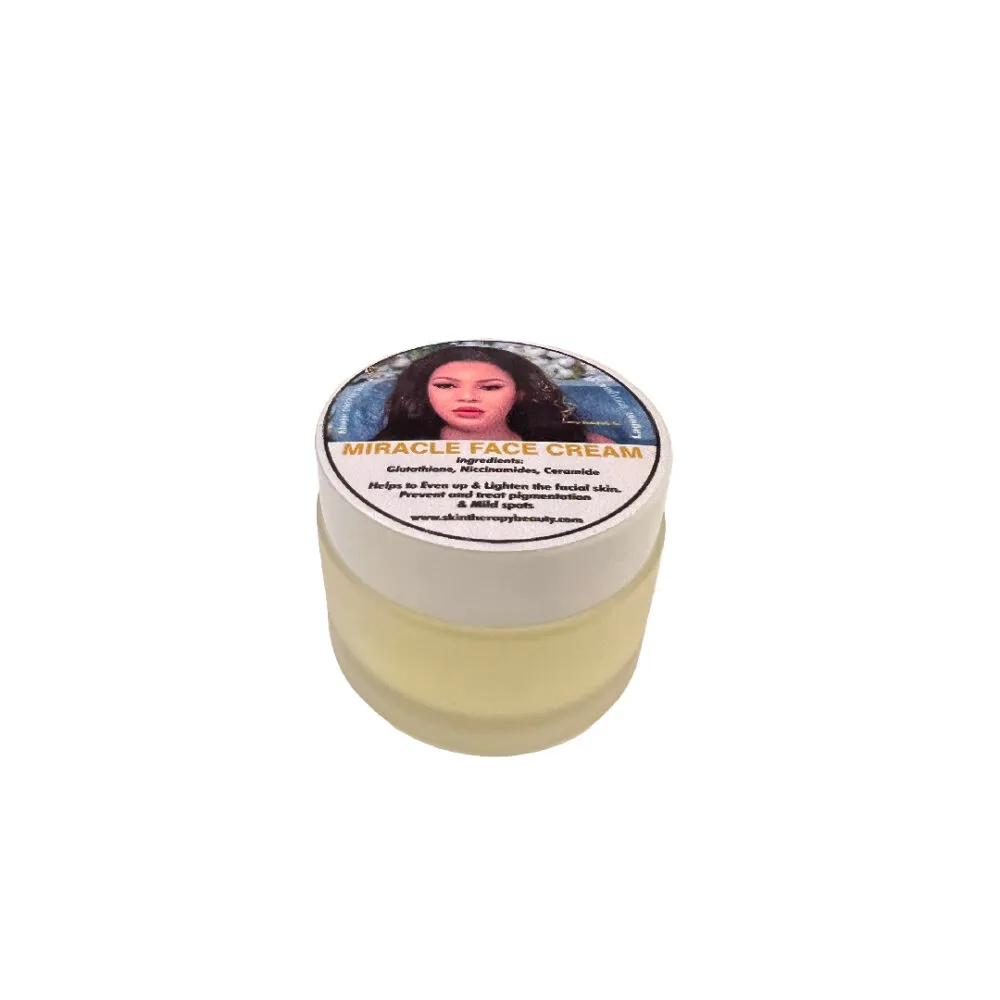
What is Miracle Skin Whitening Cream
Miracle skin whitening creams have gained significant popularity as people seek ways to achieve a brighter, more even skin tone. These creams are specifically formulated to reduce the appearance of dark spots, hyperpigmentation, and uneven skin tone, with the ultimate goal of creating a more radiant complexion. However, it’s crucial to understand what these creams are and how they work before incorporating them into your skincare routine. Miracle skin whitening creams typically contain a blend of active ingredients that target melanin production, the pigment responsible for skin color. The efficacy of these creams can vary, depending on the ingredients, concentration, and individual skin type. Always consult with a dermatologist to determine the most appropriate product for your specific needs and skin condition. The term “miracle” often implies instant results, but it’s essential to have realistic expectations and understand that noticeable changes usually take time and consistent use.
Ingredients in Miracle Skin Whitening Creams
The effectiveness of a miracle skin whitening cream largely depends on its active ingredients. Several key components are commonly found in these formulations, each with its unique mechanism of action. Understanding these ingredients is essential for making informed choices and managing expectations. Many skin whitening creams utilize ingredients that suppress melanin production or promote cell turnover. The specific combination and concentration of these ingredients can influence the cream’s potency and the potential for side effects. It is critical to read labels and understand the purpose of each ingredient to ensure it aligns with your skin’s needs. Always perform a patch test before applying a new product to a larger area of your skin to check for any adverse reactions. Consulting a dermatologist can help you navigate the various ingredients and choose the most effective and safe option for your skin type and concerns. Be aware of potential allergens and irritants.
Hydroquinone

Hydroquinone is a potent skin-lightening agent that works by inhibiting the enzyme tyrosinase, which is essential for melanin production. It is often considered one of the most effective ingredients for treating hyperpigmentation and dark spots. However, it also comes with potential risks, including skin irritation, ochronosis (a bluish-black discoloration of the skin), and, in rare cases, increased sun sensitivity. Due to these risks, hydroquinone is often available only by prescription in many countries, and its use should be closely monitored by a dermatologist. When used under medical supervision, hydroquinone can be a highly effective treatment for stubborn discoloration, but it’s crucial to follow all instructions and be aware of the potential side effects. Proper sun protection is essential when using hydroquinone to prevent further damage and maximize its effectiveness.
Retinoids
Retinoids, derived from vitamin A, promote cell turnover and can help reduce hyperpigmentation and improve skin texture. They work by accelerating the shedding of dead skin cells and stimulating the production of new, healthy skin cells. This process helps fade dark spots and even out skin tone. Retinoids are available in various strengths, ranging from over-the-counter retinol products to prescription-strength tretinoin. Common side effects include dryness, redness, and peeling, especially when starting treatment. Gradual introduction and proper moisturizing can help minimize these effects. Retinoids can also increase sun sensitivity, so it’s crucial to use sunscreen daily when incorporating them into your skincare routine. They are a valuable ingredient for overall skin health and can contribute to a brighter complexion.
Vitamin C
Vitamin C is a powerful antioxidant that can brighten skin and protect against free radical damage. It also helps inhibit melanin production, contributing to a more even skin tone. Vitamin C is often found in serums and creams, and its benefits extend beyond just skin whitening. It can also boost collagen production, improving skin elasticity and reducing the appearance of fine lines and wrinkles. Different forms of vitamin C have varying levels of stability and effectiveness, with L-ascorbic acid being the most potent but also the most unstable. Products containing vitamin C should be stored properly to maintain their efficacy. Using vitamin C in combination with other ingredients, like sunscreen, can provide comprehensive protection and promote a healthy, radiant complexion.
How Miracle Skin Whitening Cream Works

Miracle skin whitening creams typically work by targeting the mechanisms involved in melanin production, the pigment responsible for skin color. The active ingredients in these creams interfere with this process at various stages, ultimately reducing the amount of melanin in the skin and leading to a lighter complexion. The exact mechanism of action depends on the specific ingredients used, but the overall goal is to achieve a more even skin tone and reduce the appearance of dark spots, hyperpigmentation, and other forms of discoloration. Understanding how these creams work is essential for managing expectations and ensuring that the products are used appropriately. It’s also crucial to recognize that results can vary depending on the individual’s skin type, the severity of the pigmentation, and the consistency of product use.
The Science Behind Skin Whitening
Skin whitening is a complex process involving the interplay of several biological pathways. Melanin, the pigment responsible for skin color, is produced by melanocytes, specialized cells located in the epidermis. The production of melanin is triggered by various factors, including sun exposure, hormonal changes, and inflammation. Skin whitening creams work by targeting different steps in this process, such as inhibiting the enzyme tyrosinase (which is essential for melanin production), reducing the transfer of melanin to skin cells, or accelerating the shedding of pigmented skin cells. Understanding the scientific basis of skin whitening helps to appreciate the various mechanisms of action and to make informed decisions about the products being used. Scientific research continues to explore new and effective ingredients and formulations to address hyperpigmentation and achieve a brighter complexion. Always seek guidance from a dermatologist for the best approach to your skin concerns.
Targeting Melanin Production
The primary goal of most skin whitening creams is to reduce melanin production or distribution. This is achieved through a variety of mechanisms, including inhibiting the enzyme tyrosinase. Hydroquinone, for instance, is a well-known tyrosinase inhibitor. Other ingredients, such as vitamin C and certain plant extracts, also possess melanin-inhibiting properties. Another approach is to accelerate the turnover of skin cells, which helps to shed pigmented cells more quickly. Retinoids are particularly effective in this regard. Some creams also work by preventing the transfer of melanin from melanocytes to keratinocytes, the main cells of the epidermis. The effectiveness of each approach varies, and many creams use a combination of ingredients to achieve the best results. The specific ingredients and their concentrations are critical, so it is important to choose products formulated for your skin concerns. Always conduct a patch test before applying any new product to a larger area.
How to Choose the Right Miracle Skin Whitening Cream

Selecting the right miracle skin whitening cream can be a daunting task, given the wide variety of products available. Making an informed choice involves several factors, including your skin type, the specific concerns you want to address, and the ingredients in the product. It’s essential to research different products, read reviews, and, ideally, consult with a dermatologist or skincare professional to receive personalized recommendations. Always consider the potential risks and side effects associated with the active ingredients and carefully evaluate whether the product aligns with your skincare goals. Choosing a product that complements your existing skincare routine and has been formulated for your skin type is crucial for achieving the desired results. Make sure you understand the product’s purpose and know how to use it effectively to get the best results.
Skin Type Consideration
Your skin type plays a crucial role in determining which skin whitening cream is best suited for you. Different skin types have varying levels of sensitivity and react differently to certain ingredients. For instance, individuals with sensitive skin should be cautious of products containing harsh ingredients like hydroquinone or high concentrations of retinoids. Instead, they might prefer gentler alternatives such as vitamin C or plant-based extracts. Oily skin types may benefit from lighter formulations that won’t clog pores, while dry skin types may need creams with moisturizing properties. Considering your skin’s unique characteristics will help you avoid irritation and maximize the effectiveness of the product. Always start with a patch test and carefully monitor how your skin responds to the cream. Consulting a dermatologist is essential for tailoring the choice to your specific skin’s needs.
Product Reviews and Recommendations
Reading product reviews and recommendations can provide valuable insights into the effectiveness of a miracle skin whitening cream. Real-life experiences shared by other users can help you understand how a product works in practice and whether it meets your expectations. Look for reviews that mention the user’s skin type, the specific concerns they were addressing, and the results they achieved. However, remember that individual experiences may vary, so it is important to consider a range of reviews. Consult reputable sources, such as dermatologists and skincare professionals, for product recommendations. These experts can offer objective advice and suggest products based on scientific evidence and their clinical experience. Prioritize products that have a strong reputation for safety and efficacy. Researching and comparing different brands can help narrow down your choices.
How to Use Miracle Skin Whitening Cream Effectively

To achieve the best results from a miracle skin whitening cream, it’s essential to follow the instructions carefully and incorporate the product into your skincare routine correctly. Proper application, consistency, and supporting practices, such as sun protection, will maximize the cream’s effectiveness and minimize the potential for side effects. Always read the product label and any instructions provided by your dermatologist or skincare professional. Be patient and consistent, as noticeable results typically take time. Adjust your expectations, and remember that a gradual, sustainable approach is often more effective and safer than aggressive methods. By adhering to these guidelines, you can enhance your chances of achieving a brighter and more even skin tone.
Application Techniques
The way you apply a miracle skin whitening cream can significantly impact its effectiveness. Start by thoroughly cleansing your skin to remove dirt, oil, and makeup. Apply the cream evenly to the affected areas, following the product’s instructions regarding the amount and frequency of use. Gently massage the cream into your skin until it is fully absorbed. Avoid applying it too close to your eyes or other sensitive areas unless specifically instructed to do so. Be consistent with your application, typically applying the cream once or twice daily, as recommended by the product or your dermatologist. If you use the cream in the morning, always apply sunscreen afterward. Pay attention to the skin’s reaction to the cream. If you experience any irritation or adverse effects, discontinue use and consult your dermatologist.
Sun Protection is a Must
Sun protection is critical when using miracle skin whitening creams. Many of these creams contain ingredients that can make your skin more sensitive to the sun’s harmful rays. Additionally, sun exposure can worsen hyperpigmentation and counteract the effects of the cream. Always apply a broad-spectrum sunscreen with an SPF of 30 or higher every morning, even on cloudy days. Reapply sunscreen every two hours, especially if you are spending time outdoors. Consider wearing protective clothing, such as a wide-brimmed hat and sunglasses, to further shield your skin from the sun. Regular and consistent sun protection is essential for maximizing the effectiveness of the cream and maintaining a healthy complexion. Failing to protect your skin from the sun can undo the progress you make with the cream.
Potential Risks and Side Effects

While miracle skin whitening creams can be effective, it’s essential to be aware of the potential risks and side effects associated with their use. Some ingredients, such as hydroquinone, have been linked to skin irritation, ochronosis, and increased sun sensitivity. Others, like retinoids, can cause dryness, redness, and peeling. It’s crucial to understand these potential side effects and to take steps to minimize the risk. Always conduct a patch test before applying any new product to a larger area of your skin. Be aware of your skin’s response and discontinue use if you experience any adverse reactions. Consulting a dermatologist can help you choose a product that is safe and appropriate for your skin type and concerns. Read the product labels and instructions carefully to fully understand the potential side effects. A gradual introduction to the cream can also help your skin adjust and minimize side effects. Be mindful of the possibility of allergic reactions.
Common Side Effects
Several common side effects can occur when using miracle skin whitening creams. These include skin irritation, such as redness, itching, and burning; dryness and peeling, particularly with retinoid-containing products; and increased sun sensitivity. Some people may experience changes in skin pigmentation, either lightening or darkening. Contact dermatitis, an allergic reaction to certain ingredients, can also occur. The severity of these side effects varies depending on the product’s ingredients, concentration, and individual skin sensitivity. It is important to monitor your skin closely and to stop using the product if you experience any severe or persistent side effects. If any side effects persist or worsen, consult a dermatologist immediately. Using moisturizers can help mitigate some side effects like dryness and irritation. Be mindful of how your skin feels and looks while using the cream.
When to See a Dermatologist
Consulting a dermatologist is essential if you have concerns about your skin or experience adverse reactions to a miracle skin whitening cream. A dermatologist can assess your skin, recommend suitable products, and provide personalized advice. Seek professional help if you experience persistent skin irritation, severe redness, burning, or itching. If you notice changes in skin pigmentation, such as increased lightening or darkening, consult a dermatologist as soon as possible. They can diagnose any underlying issues and recommend appropriate treatment. A dermatologist can also help you manage the side effects of the cream and monitor your progress. If you are unsure which product to use or have specific questions about skin whitening, scheduling a consultation with a dermatologist is always a wise decision. Your dermatologist can help to tailor the skincare routine to your specific skin needs.
Alternative Skin Whitening Methods

Besides miracle skin whitening creams, several alternative methods can help achieve a brighter and more even skin tone. These methods range from natural remedies to professional treatments, each with its own benefits and considerations. Exploring these alternatives can provide a comprehensive approach to skin whitening, allowing you to choose the best option based on your preferences and needs. It’s essential to research these methods, understand their potential risks and benefits, and consult with a skincare professional before trying any new treatments. Combining various methods, such as using a skin whitening cream with a natural remedy, may boost overall results. Always be patient and consistent with your chosen approach.
Natural Remedies
Many natural remedies can help brighten skin and reduce the appearance of dark spots. These remedies often involve ingredients with skin-lightening properties, such as lemon juice, turmeric, and aloe vera. Lemon juice contains citric acid, which can act as a natural bleaching agent, while turmeric has anti-inflammatory and antioxidant properties. Aloe vera can soothe and hydrate the skin, while also reducing inflammation and promoting skin healing. When using natural remedies, always perform a patch test to check for any allergic reactions or skin irritation. Dilute potent ingredients like lemon juice with water to minimize the risk of irritation. Be aware that natural remedies might be less potent than commercially available products, and the results may take longer to appear. Consistent use is essential. Remember that using natural remedies may not be suitable for all skin types and concerns.
Professional Treatments
Professional treatments, such as chemical peels, laser treatments, and microdermabrasion, offer more intensive skin whitening options. Chemical peels use chemical solutions to exfoliate the skin, revealing a brighter, smoother complexion. Laser treatments target specific areas of hyperpigmentation, while microdermabrasion gently exfoliates the skin’s surface. These treatments are typically administered by dermatologists or trained skincare professionals and may require multiple sessions to achieve the desired results. The results can be more dramatic and faster than with over-the-counter products. However, these treatments also carry potential risks, such as redness, swelling, and temporary skin sensitivity. Always consult with a dermatologist to determine if these treatments are suitable for your skin type and to discuss the potential risks and benefits. Pre- and post-treatment care is crucial to maximize results and minimize complications. Be aware of the cost and recovery time associated with these treatments.