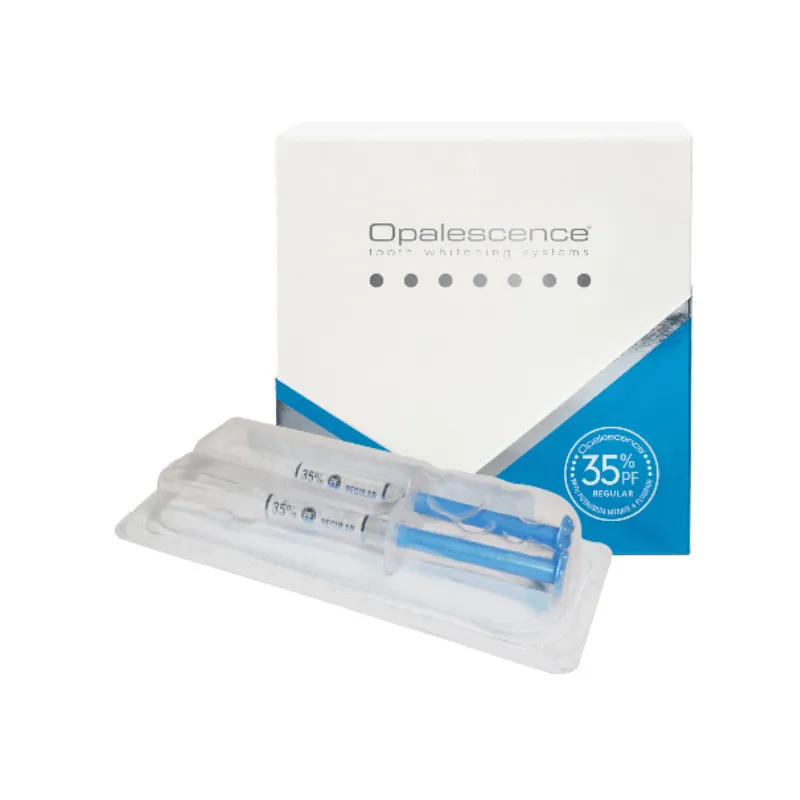
What is Opalescence Teeth Whitening
Opalescence is a popular professional teeth whitening system used by dentists and available for at-home use. It’s designed to lighten the shade of your teeth, removing stains and discoloration caused by factors like coffee, tea, tobacco, and aging. Opalescence offers various concentrations of whitening agents and delivery methods, including custom-fitted trays, pre-filled trays, and whitening toothpastes. The effectiveness of Opalescence lies in its active ingredients, which penetrate the enamel to break down stain molecules. This results in a brighter, more confident smile. The system is widely recognized for its effectiveness and the range of options available to suit individual needs and preferences, ensuring a tailored approach to teeth whitening. It’s crucial to consult with a dentist to determine the best Opalescence product for your specific needs and to ensure the safety and effectiveness of the treatment.
The Science Behind Opalescence Whitening
The science behind Opalescence teeth whitening revolves around the chemical reactions that occur when the active ingredients interact with the tooth enamel. The primary active ingredients, typically hydrogen peroxide or carbamide peroxide, release oxygen molecules. These oxygen molecules penetrate the enamel and dentin, breaking down the stain molecules that cause discoloration. The process is effective because it doesn’t damage the tooth structure; instead, it alters the stain molecules, making them less visible. The effectiveness depends on the concentration of the whitening agent, the duration of application, and the individual’s tooth structure. Opalescence products often contain other ingredients, such as potassium nitrate and fluoride, to reduce sensitivity and strengthen the enamel during the whitening process. Understanding this science helps patients appreciate the rationale behind the different Opalescence products and how they work to achieve brighter smiles. The process effectively oxidizes the stain molecules, providing a noticeable improvement in tooth shade.
Active Ingredients in Opalescence

The core of Opalescence teeth whitening effectiveness lies in its active ingredients, primarily hydrogen peroxide or carbamide peroxide. These compounds are responsible for the whitening action. Hydrogen peroxide is a more potent whitening agent, often used in higher concentrations in professional treatments. Carbamide peroxide breaks down into hydrogen peroxide and urea, providing a slower release of the whitening agent. This makes it suitable for at-home treatments where extended application times are common. The concentration of the active ingredient determines the speed and intensity of the whitening effect. The choice between hydrogen peroxide and carbamide peroxide, along with the concentration, often depends on the type of Opalescence product, the degree of staining, and the patient’s sensitivity. The active ingredients work by oxidizing stain molecules, effectively lightening the teeth.
Hydrogen Peroxide Explained
Hydrogen peroxide is a powerful oxidizing agent and is a key ingredient in many professional Opalescence teeth whitening products. It works by penetrating the enamel and dentin, breaking down the stain molecules that cause discoloration. The higher the concentration of hydrogen peroxide, the faster and more intense the whitening effect. However, higher concentrations also increase the risk of tooth sensitivity and gum irritation. Opalescence products use varying concentrations of hydrogen peroxide to tailor the treatment to the patient’s needs and tolerance. Professional treatments use higher concentrations, usually applied under the supervision of a dentist. At-home kits may use lower concentrations, ensuring safe and effective whitening with less risk of adverse side effects. The action of hydrogen peroxide is a fundamental aspect of the Opalescence system, providing significant and noticeable results.
Carbamide Peroxide Breakdown
Carbamide peroxide is another active ingredient used in Opalescence teeth whitening, particularly in at-home treatments. It breaks down into hydrogen peroxide and urea when it comes into contact with water. This slower release of hydrogen peroxide makes it gentler on teeth and gums, allowing for longer application times. Carbamide peroxide concentrations vary in Opalescence products, providing customized whitening solutions. The urea component also has some benefits, acting as a moisturizing agent and helping to stabilize the hydrogen peroxide. This makes carbamide peroxide a suitable choice for those with sensitive teeth or those preferring a more gradual whitening process. The controlled release of hydrogen peroxide from carbamide peroxide helps achieve effective results while minimizing the risk of sensitivity. It’s a common and effective alternative to higher concentrations of hydrogen peroxide, providing flexibility in the whitening process.
Potassium Nitrate and Fluoride Benefits

In addition to the primary whitening agents, Opalescence products often include potassium nitrate and fluoride. Potassium nitrate is a desensitizing agent that helps to reduce tooth sensitivity, a common side effect of teeth whitening. It works by blocking the nerve signals that cause pain, providing relief and allowing patients to continue with their whitening treatment comfortably. Fluoride is another important component, as it strengthens the tooth enamel and helps to remineralize the teeth. This is beneficial because the whitening process can sometimes weaken the enamel. Fluoride helps to counteract this effect, protecting teeth from decay and enhancing their overall health. The inclusion of these ingredients demonstrates a commitment to both effective whitening and the overall oral health of the user. Potassium nitrate and fluoride work synergistically to improve the whitening experience.
Inactive Ingredients to Know
Besides the active whitening agents, Opalescence products contain several inactive ingredients that play important roles in their function and user experience. These ingredients affect the product’s consistency, taste, and the overall comfort of use. While they don’t directly contribute to the whitening process, they are crucial for delivering the active ingredients effectively and safely. Understanding these ingredients helps in choosing the right Opalescence product.
Glycerin’s Role
Glycerin is a common inactive ingredient in Opalescence products, serving as a humectant. It helps to retain moisture, preventing the whitening gel from drying out, which ensures it can effectively interact with the teeth for the duration of the treatment. Glycerin also helps to create a smooth, pleasant texture, enhancing the overall user experience. By preventing the gel from drying, glycerin promotes a more consistent and effective whitening process. It also helps to prevent the gel from sticking to the teeth or trays, making it easier to apply and remove. Glycerin’s role is vital in making Opalescence treatments comfortable and effective.
Water and Its Importance

Water is another essential inactive ingredient in Opalescence products, acting as a solvent and a carrier for the active ingredients. It helps to dissolve and distribute the whitening agents evenly across the teeth. Water also plays a role in hydrating the teeth, which can reduce sensitivity. The water content in Opalescence gels ensures that the active ingredients are readily available to penetrate the enamel and perform their whitening function. The precise balance of water in the formulation can also affect the product’s overall consistency and how well it adheres to the teeth. Water is essential to the functionality and effectiveness of the whitening process.
Flavoring and Sweeteners
Flavoring and sweeteners are included in Opalescence products to improve the taste and make the treatment more pleasant. Common flavorings include mint, spearmint, and other refreshing options. These flavors mask the sometimes unpleasant taste of the active ingredients. Sweeteners, often sugar-free, add to the palatability of the gel without contributing to tooth decay. These ingredients enhance the overall user experience, encouraging compliance with the recommended treatment duration. Flavoring and sweeteners are critical in improving patient comfort and satisfaction with the teeth whitening process. They make the process more enjoyable.
Safety and Effectiveness
Opalescence teeth whitening is generally considered safe and effective when used as directed. The safety profile is well-established, with potential side effects mostly manageable. The effectiveness depends on the concentration of the active ingredients, the type of staining, and the individual’s tooth structure. Opalescence provides options suitable for different levels of sensitivity and desired results. It is essential to consult with a dentist to determine the appropriate treatment plan.
How Effective is Opalescence

Opalescence is highly effective in whitening teeth, with noticeable results often visible after the first few applications. The degree of whitening varies depending on several factors. These factors include the concentration of the active ingredient, the duration of the treatment, and the type and severity of the staining. Opalescence products can effectively remove surface stains caused by coffee, tea, and tobacco. They can also lighten deeper stains, though multiple treatments may be needed. Results are usually long-lasting, especially when combined with good oral hygiene practices and maintenance. The effectiveness of Opalescence makes it a popular choice for achieving a brighter, more confident smile. Success is most visible when the product is used consistently as directed.
Potential Side Effects and Management
The most common side effects of Opalescence teeth whitening are tooth sensitivity and gum irritation. Tooth sensitivity can occur because the whitening agents can penetrate the enamel, affecting the nerves. Gum irritation may occur if the whitening gel comes into contact with the gums. These side effects are usually temporary and can be managed. Using desensitizing toothpaste containing potassium nitrate before and during treatment can significantly reduce sensitivity. Avoiding overly hot or cold foods and drinks can also help. If gum irritation occurs, reducing the treatment duration or concentration may be necessary. Consulting with a dentist can provide guidance on how to manage these side effects effectively and ensure a comfortable whitening experience. Recognizing and managing side effects ensures a positive whitening experience.
Conclusion
Opalescence teeth whitening offers a range of effective solutions for achieving a brighter smile. Understanding the active and inactive ingredients, the science behind the process, and the potential side effects, allows patients to make informed decisions. Consulting with a dentist is crucial for determining the most suitable Opalescence product and ensuring safe and effective treatment. With proper use and care, Opalescence can help you achieve a beautiful, confident smile. The key to success is choosing the right product, following the instructions, and maintaining good oral hygiene. The ingredients work together to lighten your teeth and boost your confidence.