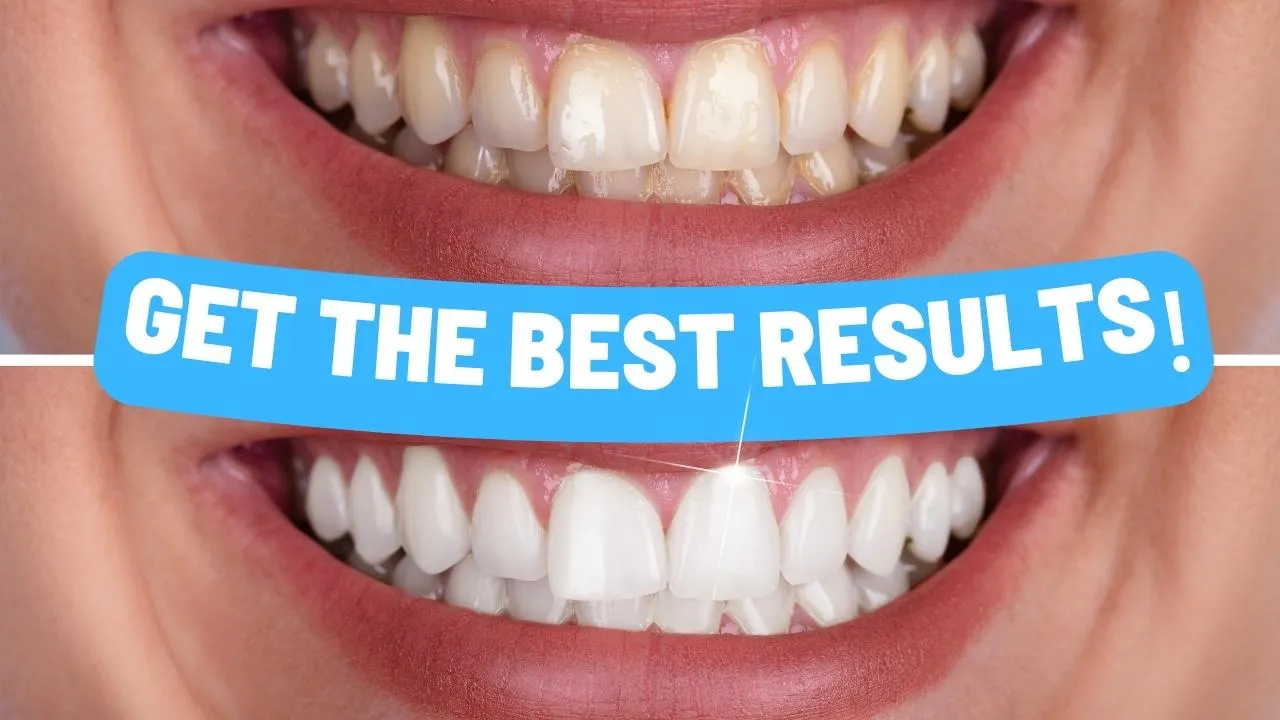
Understanding Perfect Teeth Whitening
A dazzling, sparkling smile is often considered a sign of health, vitality, and confidence. Perfect teeth whitening has become increasingly popular as people seek to enhance their appearance and boost their self-esteem. The pursuit of a brighter smile involves understanding the factors that cause tooth discoloration, the various methods available for whitening, and the best practices for achieving and maintaining a brilliant, healthy smile. This article aims to provide a comprehensive guide to perfect teeth whitening, covering everything from the underlying causes of discoloration to the most effective whitening treatments and aftercare tips. By understanding these aspects, you can make informed decisions and embark on a journey to achieve the radiant smile you’ve always desired. The goal is not just whiter teeth but also to improve overall oral health and well-being.
What Causes Tooth Discoloration
Before diving into whitening methods, it’s crucial to understand why teeth discolor in the first place. Tooth discoloration can stem from a variety of factors, both internal and external. External stains affect the tooth surface, while internal stains are embedded within the tooth structure. Knowing the causes helps in choosing the right whitening approach and preventing future staining. These causes can be broadly categorized into dietary habits, lifestyle choices, aging, and certain medical conditions. Addressing these causes is the first step toward achieving and maintaining a perfect, bright smile.
Common Foods and Drinks

Certain foods and drinks are notorious for staining teeth. These items contain chromogens, which are color-producing substances that adhere to the tooth enamel. Coffee, tea, red wine, and dark-colored sodas are common culprits. Additionally, deeply pigmented fruits like berries, and certain sauces such as soy sauce and balsamic vinegar, can contribute to staining. Regularly consuming these items can lead to gradual discoloration, making teeth appear dull or yellow. Minimizing the consumption of these staining foods and drinks, or practicing good oral hygiene immediately after consumption, can significantly help in preventing stains and maintaining a brighter smile. Paying attention to your diet is a simple yet effective way to support your teeth whitening efforts and maintain a fresh, clean mouth.
Lifestyle Habits
Beyond dietary choices, certain lifestyle habits can significantly impact the color of your teeth. Smoking and chewing tobacco are major contributors to tooth discoloration. The nicotine and tar in these products leave stubborn stains on the enamel, leading to a yellowish or brownish appearance. Poor oral hygiene, such as infrequent brushing and flossing, allows stains to build up and makes teeth more susceptible to discoloration. Furthermore, the use of certain medications, such as tetracycline antibiotics, can cause internal tooth staining, especially in developing teeth. Being mindful of these habits and making positive changes can have a considerable effect on the brightness of your smile. Quitting smoking, practicing excellent oral hygiene, and being aware of the potential side effects of medications are all vital steps in maintaining a perfect, white smile and improving overall health.
Types of Teeth Whitening Methods
Several effective teeth whitening methods are available, each with its own advantages and disadvantages. These methods range from professional treatments performed by dentists to over-the-counter products you can use at home. The choice of method depends on your individual needs, the severity of your staining, and your budget. Understanding the different options will help you choose the most suitable approach for achieving your desired results. The key is to find a method that is both effective and safe, ensuring a brighter smile without compromising the health of your teeth or gums. Consulting with a dentist is crucial to determine the best course of action and ensure the best outcomes for your perfect teeth whitening journey.
Professional Teeth Whitening

Professional teeth whitening, performed by a dentist, offers the most effective and immediate results. These treatments use high-concentration bleaching agents that are not available over the counter. Dentists can also customize the treatment to your specific needs, ensuring the best possible outcome while protecting your gums and teeth. The process usually involves isolating the teeth with a protective barrier and applying the whitening solution. The dentist may use a special light or laser to activate the whitening agent, speeding up the process. Professional whitening can significantly lighten teeth, often several shades in a single session. It is an excellent option for those seeking dramatic results and willing to invest in a professional service. Regular checkups with a dentist ensure the effectiveness of the treatment and the long-term health of your teeth.
In-Office Whitening
In-office whitening is the fastest way to achieve a brighter smile. The procedure involves the dentist applying a strong whitening gel to your teeth, followed by the use of a special light or laser to enhance the bleaching process. This method is typically completed in a single, one-hour appointment. The results are immediate and noticeable, making it a popular choice for special occasions or those seeking rapid improvement. Your dentist can monitor the entire process to minimize any potential sensitivity and ensure even whitening across all teeth. The high concentration of the whitening agent used in-office provides superior results compared to at-home methods. Post-treatment care includes avoiding staining foods and drinks for a few days to maintain the brightened shade. Maintaining your smile is key, so the dentist is always available to advise and assist.
At-Home Whitening Kits
At-home whitening kits provide a convenient and more affordable alternative to professional treatments. These kits typically include custom-fitted trays and a bleaching gel that you apply to your teeth for a specified amount of time each day. The gels used in these kits contain a lower concentration of peroxide compared to professional treatments, making them less likely to cause sensitivity. You’ll follow the instructions provided by your dentist or the kit manufacturer for the best outcomes. The process takes several weeks to achieve the desired results, but it allows you to whiten your teeth in the comfort of your home. The benefit of these kits includes convenience and cost-effectiveness, and regular use can help maintain a brighter smile. It’s essential to consult with your dentist before using at-home kits to ensure they are appropriate for your needs and to get advice on how to use them correctly.
Over-the-Counter Options

Over-the-counter (OTC) teeth whitening products are widely available in drugstores and supermarkets, offering a budget-friendly approach to teeth whitening. These products include whitening toothpaste, strips, and gels. Whitening toothpastes contain mild abrasives and chemicals that help remove surface stains, but they generally do not lighten the teeth significantly. Whitening strips are thin, flexible strips coated with a peroxide-based whitening agent that you apply to your teeth for a certain period. While OTC options are convenient and easy to use, the results are often less dramatic compared to professional or at-home kits. It’s important to follow the instructions carefully and be aware of the potential for sensitivity. Consulting with your dentist is always recommended before using any teeth whitening product to ensure it’s suitable for your oral health. The effectiveness of these products varies depending on the concentration of the active ingredient and the frequency of use.
Best Practices for Teeth Whitening
To achieve and maintain the best results, it is important to follow best practices throughout the teeth whitening process. This includes consulting with a dentist, understanding the importance of oral hygiene, and making informed decisions about your diet. Careful consideration and adherence to these practices will maximize the effectiveness of any whitening method and ensure a healthier, brighter smile. Combining professional advice with diligent self-care creates the optimal pathway to a perfect, glowing smile.
Consultation with a Dentist
Before starting any teeth whitening treatment, consulting a dentist is crucial. A dentist can assess your oral health, identify any underlying issues (such as cavities or gum disease), and recommend the most appropriate whitening method for your specific needs. They can also advise you on the potential risks and side effects of the treatment and help you manage any sensitivity or irritation. Dentists can also provide custom-fitted trays for at-home whitening kits, which offer a better fit and prevent the whitening agent from leaking onto your gums. Professional guidance ensures the effectiveness and safety of the whitening process, and increases the likelihood of achieving the desired results while maintaining good oral health. Regular dental checkups and cleanings are essential for both a bright smile and overall well-being.
Maintaining a White Smile

Maintaining a white smile requires a commitment to a consistent oral hygiene routine and lifestyle adjustments. This includes brushing your teeth twice daily with a whitening toothpaste, flossing daily to remove plaque and food particles, and visiting your dentist for regular checkups and cleanings. Additionally, being mindful of your diet and avoiding or limiting staining foods and drinks will help prevent future discoloration. Consistent care and attention to your oral health will help you enjoy your brighter smile for longer. Using a straw when drinking staining beverages, and rinsing your mouth with water after consuming staining foods can further help in preventing stains. Continued maintenance is key to preserving your perfect teeth whitening results, making your smile a lasting asset.
Avoiding Staining Foods and Drinks
To prevent future staining, it’s important to be aware of the foods and drinks that can discolor your teeth. Beverages like coffee, tea, and red wine contain pigments that can adhere to the enamel, causing stains over time. Similarly, dark-colored sodas, juices, and sports drinks can also contribute to staining. Foods like berries, soy sauce, and balsamic vinegar are known to stain teeth. Limiting the consumption of these items or practicing good oral hygiene after consuming them is crucial. Consider using a straw when drinking staining beverages, and rinse your mouth with water after meals or snacks. Making smart dietary choices and adopting these preventive measures will help maintain your teeth’s whiteness and keep your smile radiant for years to come. Consistent awareness and simple changes can make a big difference.
Oral Hygiene Routine
A consistent oral hygiene routine is vital for maintaining a white and healthy smile. This routine includes brushing your teeth at least twice a day with a fluoride toothpaste, and flossing daily to remove plaque and food particles from between your teeth and below the gum line. Brushing helps remove surface stains and prevent plaque buildup, while flossing removes debris that brushing can’t reach. Using a mouthwash can further reduce bacteria and freshen breath. Regular dental checkups and professional cleanings are also essential for maintaining optimal oral health and preventing staining. These cleanings can remove tartar, polish your teeth, and help keep them looking their best. Proper oral hygiene practices, combined with regular dental care, will help you achieve and maintain a sparkling, healthy smile. Make it a habit to take care of your teeth; it is an investment in your overall well-being.
Potential Risks and Side Effects

While teeth whitening is generally safe, there are potential risks and side effects to be aware of. These side effects are usually temporary and can be managed with proper care and guidance from your dentist. Understanding these potential issues helps in making informed decisions and taking necessary precautions. Being aware of the risks and discussing them with a dental professional can minimize discomfort and ensure a positive whitening experience. The goal is to achieve a brighter smile safely and effectively, without compromising your oral health. It’s important to remember that every individual responds differently to teeth whitening treatments.
Sensitivity
Tooth sensitivity is one of the most common side effects of teeth whitening. The bleaching agents can penetrate the enamel and reach the dentin, causing temporary sensitivity to hot and cold temperatures. This sensitivity usually subsides within a few days after the treatment. To minimize sensitivity, use a toothpaste designed for sensitive teeth before, during, and after whitening. Avoid consuming extremely hot or cold foods and drinks during the treatment period. Your dentist may also recommend fluoride treatments or desensitizing agents to help alleviate sensitivity. Proper management of sensitivity helps ensure a comfortable whitening experience and allows you to enjoy the benefits of a brighter smile without undue discomfort. Consult your dentist if the sensitivity persists or becomes severe, as they can provide further recommendations and support.
Gum Irritation
Gum irritation is another potential side effect of teeth whitening, particularly if the whitening agent comes into contact with the gums. This can result in redness, swelling, or soreness. To prevent gum irritation, it’s essential to follow your dentist’s instructions carefully and ensure the whitening trays fit properly. When using at-home kits, avoid overfilling the trays with the whitening gel. In professional settings, dentists use protective barriers to isolate the gums from the bleaching agent. If you experience gum irritation, stop the treatment and consult your dentist. They may recommend using a soothing mouthwash or adjusting the treatment plan. Proper care and attention to detail can minimize the risk of gum irritation and ensure a smooth whitening experience. Addressing the issue promptly will help you maintain healthy gums and achieve your desired smile without complications.
Achieving and Maintaining a Sparkling Smile

Perfect teeth whitening offers a path to a brighter, more confident smile. Understanding the causes of tooth discoloration, exploring the various whitening methods, and adopting best practices are essential steps in achieving the desired results. Regular dental checkups, a consistent oral hygiene routine, and mindful dietary choices will help you maintain your sparkling smile long after your whitening treatment. By following the guidance provided and committing to ongoing care, you can look forward to a radiant smile and improved oral health for years to come. Celebrate your enhanced smile and the positive impact it has on your overall well-being, and be proud of your commitment to self-care and a healthy lifestyle. A beautiful smile is an invaluable asset, boosting your confidence and enhancing your interactions with others. Embrace the journey to perfect teeth whitening and enjoy the many benefits of a radiant, healthy smile.