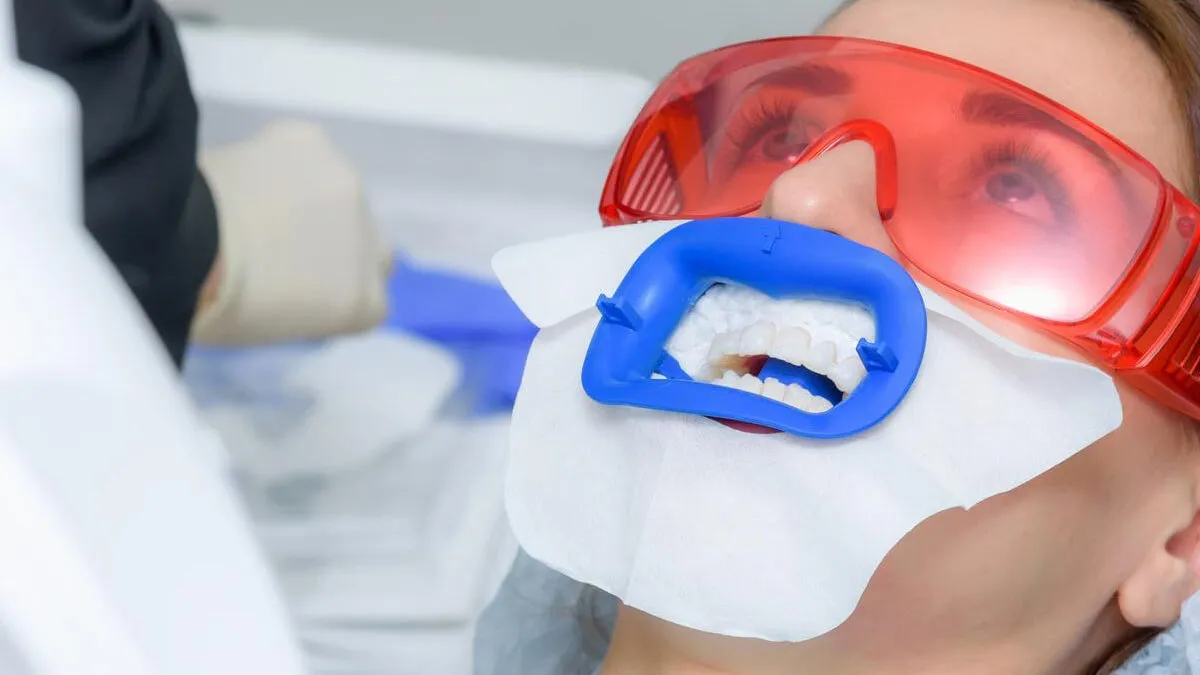
Understanding Tooth Sensitivity After Whitening
Many people experience tooth sensitivity after undergoing teeth whitening treatments. This discomfort, ranging from mild twinges to sharp, intense pain, can significantly impact your daily life. It’s essential to understand the causes and how to manage this common side effect to enjoy the benefits of a brighter smile. Tooth sensitivity after whitening is usually temporary, but knowing what to expect and how to address it can make the experience more comfortable. The good news is there are many effective strategies and remedies available to minimize sensitivity and ensure a positive teeth whitening experience. This article provides a comprehensive guide to understanding and managing tooth sensitivity after whitening.
The Science Behind Sensitivity
To understand why teeth become sensitive after whitening, you need to know a bit about tooth structure. The outer layer of your teeth, the enamel, is the hardest substance in the human body. Beneath the enamel is dentin, which contains microscopic tubules that lead to the tooth’s pulp, where the nerves and blood vessels reside. Whitening agents, typically hydrogen peroxide or carbamide peroxide, work by penetrating the enamel and reaching the dentin. This process can irritate the nerves within the tubules, causing sensitivity. This irritation is generally temporary, as the tooth recovers, but it is an important factor to consider.
How Whitening Treatments Cause Sensitivity
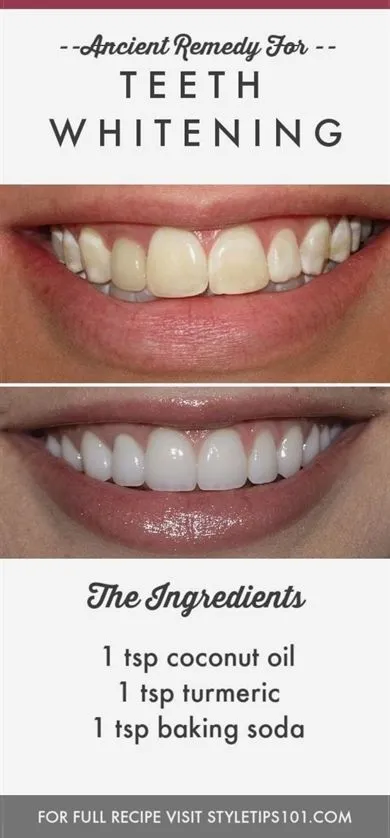
Whitening treatments use chemicals to break down stains and lighten the color of your teeth. This process, while effective, can also affect the tooth’s structure, leading to sensitivity. The active ingredients in whitening products, such as hydrogen peroxide, can pass through the enamel and irritate the nerves in the teeth. This is especially true if the enamel is already thin or if there are existing cracks or cavities. The concentration of the whitening agent and the duration of its application also play a role in the degree of sensitivity experienced. Different whitening methods have varying levels of potency and application times, influencing the likelihood of sensitivity.
Common Causes
The most common cause of sensitivity after whitening is the irritation of the dental pulp due to the whitening agents. However, other factors can also contribute. For example, if the whitening agent comes into contact with the gums, it can cause inflammation and increase sensitivity. Existing dental issues, such as cavities or gum disease, can also worsen sensitivity. In some cases, the use of trays that don’t fit properly can lead to uneven whitening and increased sensitivity. It’s essential to identify all contributing factors to address the problem effectively and to find relief.
Factors that Increase Sensitivity Risk
Several factors can increase the risk of tooth sensitivity after whitening. People with naturally thin enamel are more susceptible because the whitening agents can easily penetrate the dentin. Those with receding gums, which expose the tooth roots, are also at higher risk, as the roots lack the protective enamel. Using high-concentration whitening products or applying them for extended periods can increase sensitivity. Finally, individuals with a history of tooth sensitivity or existing dental issues are more likely to experience discomfort after whitening. Taking these factors into consideration can help you mitigate the sensitivity.
Identifying and Managing Sensitive Teeth

Recognizing the symptoms of tooth sensitivity is the first step in managing it. Common signs include sharp, sudden pain when consuming hot, cold, sweet, or sour foods and drinks. You might also experience discomfort when brushing or flossing. If you notice these symptoms after teeth whitening, there are several methods to alleviate the pain. The severity of the sensitivity can vary from person to person, but the management strategies can be effective for many people. Effective management involves both immediate relief measures and long-term strategies to minimize future discomfort.
Immediate Relief Methods
For immediate relief from tooth sensitivity, there are several options available. Avoiding extremely hot or cold foods and drinks can help. Using a desensitizing toothpaste, which contains ingredients like potassium nitrate, can block the tubules and reduce nerve irritation. Gently brushing your teeth and avoiding aggressive scrubbing is also important. Over-the-counter pain relievers, such as ibuprofen or acetaminophen, can provide temporary relief. Rinsing your mouth with lukewarm water after eating or drinking can also help minimize discomfort. These simple measures can make a big difference.
Over-the-Counter Products
Many over-the-counter products can help manage tooth sensitivity. Desensitizing toothpastes are specifically designed to reduce sensitivity by blocking the tubules in the dentin. These toothpastes often take a few weeks to show full effectiveness. Fluoride mouthwashes can also help strengthen the enamel and reduce sensitivity. Products containing stannous fluoride can be particularly effective. You should choose products with a dentist’s recommendation. If sensitivity persists, consult your dentist for additional recommendations.
Prescription Treatments

If over-the-counter treatments are not enough, your dentist may prescribe stronger solutions. Fluoride varnishes applied in-office can strengthen the enamel and reduce sensitivity. In some cases, your dentist might recommend prescription-strength desensitizing toothpaste or mouthwash. For more severe cases, dental bonding or fillings can be used to protect the exposed dentin and reduce sensitivity. In severe cases, your dentist may explore other options like root canal therapy. Always consult your dentist for the best course of action.
Lifestyle Adjustments for Sensitivity
Making lifestyle adjustments can significantly reduce tooth sensitivity. This includes being mindful of the foods and drinks you consume. Maintaining good oral hygiene is essential to minimize sensitivity. These simple changes can make a significant difference in comfort and can also support long-term dental health. It’s about adapting habits to your body’s needs. Avoiding these triggers, combined with the right dental care, can help alleviate the pain.
Dietary Changes
Your diet plays a crucial role in managing tooth sensitivity. Avoiding highly acidic foods and drinks, such as citrus fruits, sodas, and vinegar-based dressings, is essential because acids can erode enamel and increase sensitivity. Similarly, very hot or cold foods can trigger pain. Opt for a balanced diet rich in calcium and vitamins to support strong enamel. It’s also a good idea to limit your intake of sugary foods and drinks, as they can contribute to tooth decay and increase sensitivity. Paying attention to what you eat and drink will help minimize the discomfort.
Oral Hygiene Tips

Proper oral hygiene is critical for managing tooth sensitivity. Brush your teeth gently with a soft-bristled toothbrush, and avoid scrubbing aggressively, which can wear away enamel. Use a desensitizing toothpaste regularly. Floss daily to remove plaque and food particles that can contribute to sensitivity. Consider using a fluoride mouthwash to strengthen your enamel. Make sure to rinse your mouth thoroughly after eating acidic foods. Regular dental check-ups and professional cleanings are also essential for maintaining optimal oral health. This is about creating habits.
Preventing Sensitivity Before Whitening
Preventing tooth sensitivity before whitening is often possible with careful planning and preparation. This approach can often make the teeth whitening process more comfortable and enjoyable. Consulting your dentist and adopting appropriate measures are key to a successful outcome. Proactive measures can help minimize the risks of sensitivity. Proper planning and preparation can result in a more comfortable and successful teeth whitening experience.
Consulting Your Dentist
Before undergoing teeth whitening, consult your dentist. They can assess your oral health and identify any existing issues, such as cavities or gum disease, that could increase sensitivity. Your dentist can also advise you on the best whitening method for your specific needs and provide personalized recommendations. They might suggest pre-whitening treatments to prepare your teeth and minimize sensitivity. During the consultation, you can discuss your concerns and receive expert advice. This step is essential for a safe and comfortable whitening experience.
Pre-Whitening Treatments

Pre-whitening treatments can help prepare your teeth and reduce the likelihood of sensitivity. Your dentist might recommend using a desensitizing toothpaste for a few weeks before your whitening treatment. They can also apply fluoride varnish or perform other in-office treatments to strengthen your enamel. In some cases, they may recommend delaying whitening if you have existing dental issues that need to be addressed first. These pre-whitening treatments can make a big difference.
Choosing the Right Whitening Method
The whitening method you choose can significantly impact your experience with tooth sensitivity. Different methods have varying levels of strength and application methods. Understanding the options and how they affect sensitivity can help you make an informed decision. It is important to consider your personal circumstances. This can help you make an informed choice. This will help you achieve your desired results.
Professional Whitening vs. At-Home Kits
Professional teeth whitening, performed by a dentist, generally uses stronger whitening agents than at-home kits. This can lead to a higher likelihood of sensitivity. However, professional treatments are also often monitored and customized to minimize discomfort. At-home kits, on the other hand, typically use lower concentrations of the whitening agent and may cause less sensitivity. However, they can take longer to achieve the desired results. Your dentist can help you choose the method that best suits your needs and tolerance for sensitivity.
Comparing Sensitivity Levels

The level of sensitivity varies depending on the whitening method. Professional whitening, which uses higher concentrations of hydrogen peroxide, often results in more sensitivity compared to at-home kits. The type of at-home kit you choose also influences sensitivity. For example, custom-fitted trays used with professional-strength gels may cause more sensitivity than over-the-counter strips. When choosing a whitening method, consider your sensitivity threshold. Understanding these factors will help you make an informed decision.
Long-Term Care and Maintenance
Long-term care and maintenance are vital for preserving your bright smile and managing potential sensitivity. Regular dental check-ups, good oral hygiene, and sensible habits will contribute to long-lasting results. Maintaining a healthy mouth is vital. This approach is essential to ensuring both a beautiful smile and optimal oral health. Regular dental care provides consistent results.
Regular Dental Check-ups
Regular dental check-ups and professional cleanings are essential for maintaining a healthy smile and managing sensitivity. Your dentist can monitor your teeth for any signs of sensitivity or dental problems. They can also provide professional cleanings to remove plaque and tartar, which can exacerbate sensitivity. During check-ups, your dentist can offer personalized advice on oral hygiene and recommend any necessary treatments. Regular check-ups ensure a proactive approach to oral health.
Maintaining a Bright, Healthy Smile

After whitening your teeth, maintaining a bright, healthy smile involves ongoing care. Continue using a desensitizing toothpaste if you experience sensitivity. Avoid excessive consumption of staining foods and drinks, such as coffee, tea, and red wine. If you do consume them, rinse your mouth with water afterward. Practice good oral hygiene habits. Consider touch-up whitening treatments as needed, but consult your dentist first. Prioritize your dental health. These actions will keep your smile radiant.