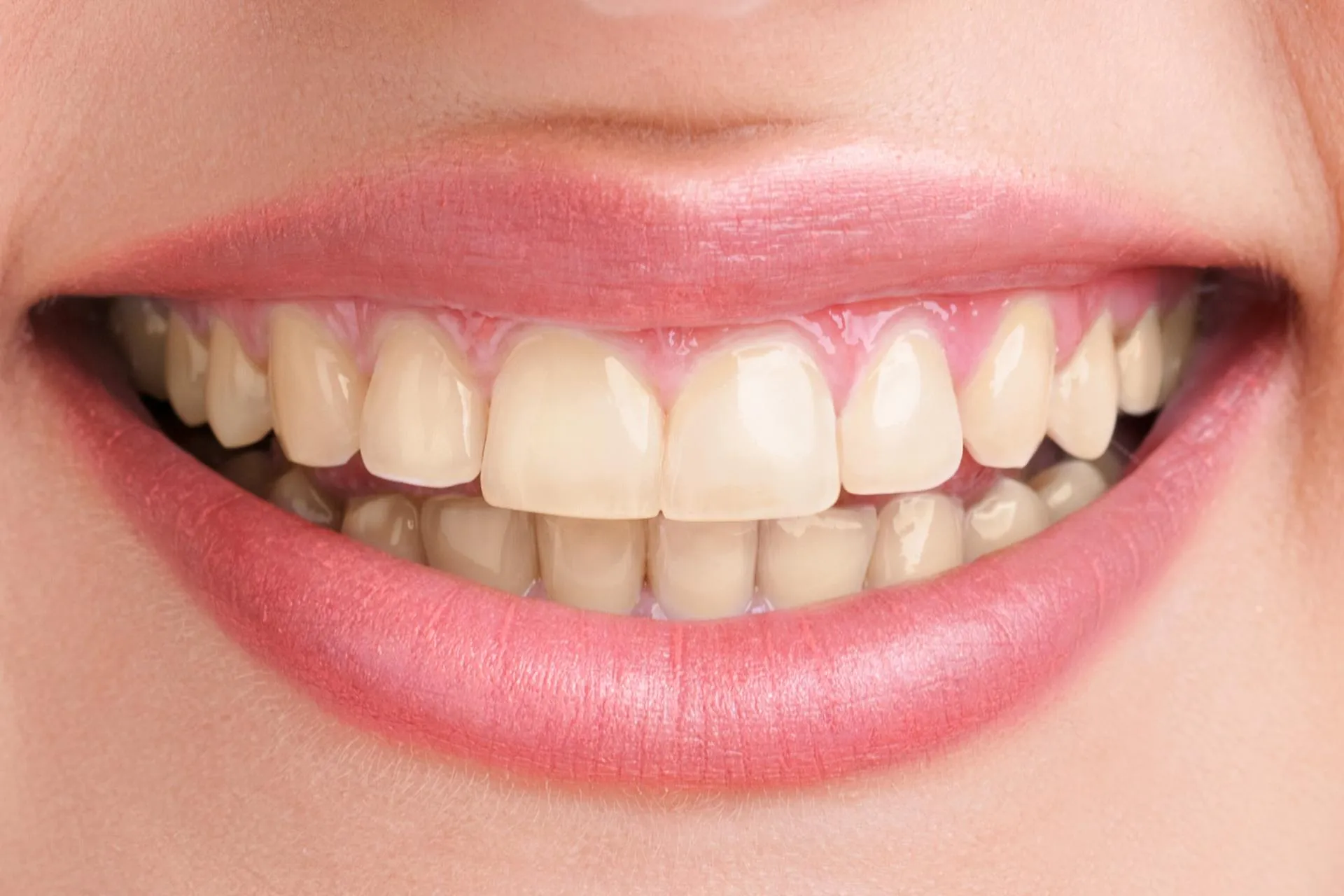
What is Teeth Whitening
Teeth whitening, also known as teeth bleaching, is a cosmetic dental procedure designed to lighten the color of your teeth. It’s one of the most popular cosmetic dental procedures, as it can significantly improve the appearance of your smile. The process involves removing stains and discoloration, making your teeth appear brighter and more youthful. Teeth whitening can be achieved through various methods, ranging from professional treatments performed by a dentist to over-the-counter products available for at-home use. The effectiveness of these methods varies depending on the type of staining and the individual’s dental condition. Understanding the different options and the underlying science of teeth whitening is key to achieving the best results and maintaining a healthy, dazzling smile. This guide offers a comprehensive overview of the process, exploring various techniques, ingredients, and important considerations.
Types of Teeth Whitening
Teeth whitening can be broadly categorized into two main types in-office and at-home treatments. Each method offers its own advantages and disadvantages, catering to different needs and preferences. In-office whitening provides immediate results under professional supervision, while at-home methods offer convenience and affordability. The choice between these options often depends on factors such as the degree of staining, the desired level of whitening, and the individual’s budget and time constraints. Exploring these methods allows you to make an informed decision that best suits your needs, leading to a brighter, more confident smile. Both approaches use bleaching agents to break down stains, but the concentration of these agents, and the methods of application differ significantly. Understanding these differences is key to making an informed decision.
In-Office Whitening

In-office teeth whitening involves a professional dental procedure performed by a dentist in a clinic setting. This method typically offers the fastest results, often achieving a significant change in tooth color in a single session. In-office treatments use a higher concentration of bleaching agents compared to at-home products, allowing for more dramatic whitening effects. The procedure usually involves the dentist applying a protective gel to the gums to prevent irritation, followed by the application of the whitening agent to the teeth. A special light or laser may be used to accelerate the whitening process. This method is ideal for individuals seeking immediate results or those with significant tooth discoloration. The entire procedure is carefully monitored by a dental professional, ensuring safety and effectiveness. The benefits include rapid results, professional supervision, and potentially long-lasting effects, making it a popular choice for those looking to enhance their smiles quickly.
How In-Office Whitening Works
The in-office teeth whitening process begins with a thorough examination of the teeth and gums to ensure they are healthy enough for the procedure. The dentist will then isolate the teeth, often using cheek retractors and a protective barrier for the gums. A high-concentration whitening gel, typically containing hydrogen peroxide, is applied to the teeth. The dentist may then use a special light or laser to activate the whitening agent, enhancing its effectiveness. The gel is left on the teeth for a specific amount of time, and the process is repeated several times during the session. After the final application, the teeth are thoroughly rinsed, and a fluoride treatment may be applied to reduce sensitivity. The entire procedure is designed to be safe and effective, with the dentist monitoring the patient’s comfort and the progress of the whitening throughout the session. Post-treatment instructions typically include avoiding certain foods and drinks that can stain the teeth, such as coffee, tea, and red wine, to maintain the results.
At-Home Whitening
At-home teeth whitening offers a convenient and cost-effective way to brighten your smile. Several options are available, including whitening toothpastes, mouthwashes, strips, and custom-fitted trays. These products typically contain lower concentrations of bleaching agents compared to in-office treatments, making them safer for unsupervised use. However, the results may take longer to appear, and the degree of whitening may be less dramatic. Before starting any at-home whitening treatment, it’s recommended to consult with a dentist to ensure it is appropriate for your dental health and to discuss potential risks and side effects. Consistency is key with at-home methods, as you’ll need to use the products regularly according to the instructions to achieve the desired results. With a variety of products available, at-home whitening can be tailored to fit your budget and lifestyle, providing a gradual and manageable approach to a brighter smile.
Whitening Toothpastes and Mouthwashes

Whitening toothpastes and mouthwashes are popular over-the-counter options for enhancing the brightness of your teeth. These products often contain mild abrasives or chemical agents that help remove surface stains. Whitening toothpastes may contain ingredients like hydrated silica or calcium carbonate to gently scrub away stains, while whitening mouthwashes may contain hydrogen peroxide or other bleaching agents. The effectiveness of these products is typically limited to removing surface stains, and they are unlikely to significantly change the natural color of your teeth. They are best used as part of your daily oral hygiene routine to maintain a brighter smile. However, they cannot achieve the same dramatic results as professional treatments or whitening strips. Always follow the instructions on the product label and consult with your dentist to ensure they are suitable for your needs and oral health.
Whitening Strips and Gels
Whitening strips and gels are another popular at-home teeth whitening option. These products typically contain a thin strip coated with a bleaching agent, such as hydrogen peroxide, that is applied directly to the teeth. The strips are designed to adhere to the teeth, allowing the whitening agent to remain in contact for a specified amount of time. Whitening gels are applied using a tray or brush, and they work similarly by delivering the bleaching agent to the teeth. The concentration of the bleaching agent in these products is generally higher than in toothpastes or mouthwashes, offering more noticeable results. It is important to follow the instructions carefully, as overuse can lead to tooth sensitivity or gum irritation. Results can vary depending on the product, the degree of staining, and the individual’s dental condition. With consistent use, whitening strips and gels can provide a convenient and effective way to achieve a brighter smile at home.
Teeth Whitening Ingredients
The primary active ingredients in teeth whitening products are bleaching agents, with hydrogen peroxide and carbamide peroxide being the most common. These agents work by breaking down the stains and discoloration molecules within the enamel of the teeth. The concentration of these ingredients varies depending on the product, with in-office treatments using higher concentrations than at-home products. Understanding the role and effects of these key ingredients helps consumers to make informed choices and manage their expectations regarding the whitening process. These ingredients penetrate the enamel and dentin, effectively lightening the color of the teeth from the inside out. It is crucial to use products containing these ingredients according to the instructions to ensure both safety and efficacy. Furthermore, other ingredients such as desensitizing agents may be included to mitigate any potential side effects, such as tooth sensitivity, making the whitening process more comfortable.
Hydrogen Peroxide

Hydrogen peroxide is a widely used bleaching agent in teeth whitening products. It is a powerful oxidizing agent that penetrates the enamel of the teeth and breaks down the stain molecules, resulting in a lighter tooth color. The concentration of hydrogen peroxide varies depending on the type of product. In-office treatments may use high concentrations, sometimes up to 40%, while at-home products contain lower concentrations, typically ranging from 3% to 20%. Hydrogen peroxide acts rapidly, often providing noticeable results within a single treatment session in professional settings. However, it can also cause temporary tooth sensitivity and gum irritation, especially at higher concentrations. Careful application and following the product instructions are essential to minimize these side effects. The effectiveness of hydrogen peroxide makes it a cornerstone of teeth whitening, offering a significant improvement in the appearance of your smile.
Carbamide Peroxide
Carbamide peroxide is another common bleaching agent used in teeth whitening, particularly in at-home treatments. When carbamide peroxide comes into contact with water, it breaks down into hydrogen peroxide and urea. The hydrogen peroxide then acts as the bleaching agent, breaking down stains within the teeth. Carbamide peroxide is often used in lower concentrations than hydrogen peroxide used in in-office treatments, making it a gentler option for at-home use. It releases hydrogen peroxide over a more extended period, which can reduce tooth sensitivity. The slower release also helps maintain the whitening effect over time. Carbamide peroxide is a safe and effective ingredient for teeth whitening when used as directed, offering a convenient way to achieve a brighter smile at home while minimizing the risk of irritation. Always consult with your dentist before starting any teeth whitening treatment.
Considerations and Risks
Teeth whitening, while generally safe, involves certain considerations and potential risks that you should be aware of. Understanding these factors can help you make informed decisions and minimize the chances of experiencing adverse effects. Common side effects include tooth sensitivity and gum irritation. Certain individuals may be more prone to these issues than others. The effectiveness of teeth whitening can also vary depending on the type and severity of stains, as well as the individual’s dental condition. It is essential to discuss your dental history and expectations with your dentist before undergoing any teeth whitening procedure. They can assess your suitability for the treatment and provide guidance on the most appropriate approach. Furthermore, it’s crucial to follow all instructions carefully to ensure the best results and protect your oral health. By being aware of these considerations, you can approach teeth whitening with realistic expectations and take steps to ensure a safe and satisfying outcome.
Sensitivity

Tooth sensitivity is a common side effect of teeth whitening. It can occur due to the bleaching agents penetrating the enamel and affecting the nerves in the teeth. The sensitivity typically manifests as a sharp, temporary pain or discomfort when consuming hot, cold, sweet, or acidic foods and drinks. The level of sensitivity varies from person to person and depends on factors such as the concentration of the whitening agent and the duration of treatment. Using products with desensitizing agents, such as potassium nitrate, can help to reduce sensitivity. Avoiding excessively hot or cold foods and drinks during treatment can also minimize discomfort. If sensitivity becomes severe, it is advisable to stop the treatment and consult with your dentist. They may recommend using a fluoride treatment or adjusting the whitening schedule. Generally, tooth sensitivity subsides within a few days after treatment completion.
Effectiveness on Different Stains
The effectiveness of teeth whitening varies depending on the type and severity of the stains. Extrinsic stains, those on the surface of the teeth, such as those caused by coffee, tea, and tobacco, typically respond well to teeth whitening treatments. Intrinsic stains, which are within the tooth structure, may be more challenging to remove. These can be caused by factors such as aging, genetics, medications, or dental trauma. Teeth whitening treatments may not be effective for everyone. For example, whitening may not work well on dental work, such as fillings, crowns, and veneers. The effectiveness of at-home treatments is generally lower compared to in-office whitening. Consulting your dentist can help you understand the expected outcome and the best whitening method for your specific type of stains. In some cases, alternative cosmetic procedures, such as veneers or crowns, might be needed to achieve the desired results.
Consulting a Dentist
Before undergoing any teeth whitening procedure, consulting with a dentist is highly recommended. A dentist can assess your oral health, identify any underlying issues, and determine if teeth whitening is a suitable option for you. They can also discuss your expectations and provide guidance on the most appropriate whitening method. The dentist will examine your teeth and gums to ensure they are healthy and free from cavities, gum disease, or other conditions that might impact the treatment. They can also inform you about potential risks, such as tooth sensitivity or gum irritation, and advise on ways to minimize these side effects. A dentist can tailor the whitening treatment to your specific needs and provide professional supervision, which is especially important for in-office procedures. Furthermore, they can provide valuable advice on maintaining your results and preventing future stains. Consulting a dentist ensures a safe and effective teeth whitening experience.