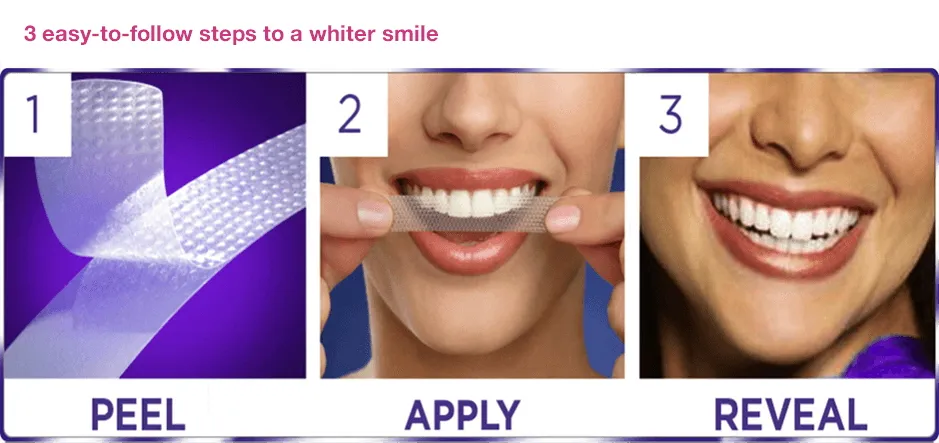
Understanding Teeth Sensitivity After Whitening
Teeth whitening is a popular cosmetic procedure, offering a brighter and more confident smile. However, a common side effect is tooth sensitivity. This discomfort, often experienced as a sharp, transient pain, can make enjoying everyday activities like eating and drinking a challenge. Understanding the reasons behind this sensitivity is the first step in effectively managing and minimizing it, ensuring you can reap the full benefits of your whitening treatment without unnecessary discomfort. It’s crucial to be informed about the process and what to expect.
Why Does Whitening Cause Sensitivity
The sensitivity experienced after teeth whitening is a direct result of the whitening agents used. These agents, typically hydrogen peroxide or carbamide peroxide, work by penetrating the enamel to break down stain molecules. This process, while effective, can also affect the tooth’s nerves. The chemicals can pass through the enamel and dentin, reaching the nerves inside the teeth. This can cause irritation and inflammation, leading to increased sensitivity to temperature changes and pressure. This effect is usually temporary, but understanding the mechanism helps in choosing the right aftercare.
How Whitening Works on Teeth

Teeth whitening products, whether professional treatments or at-home kits, contain bleaching agents that oxidize the stains within your teeth. These oxidizing agents break the bonds of the stain molecules, causing them to disperse and making your teeth appear whiter. The process involves the bleaching agent penetrating the enamel and dentin to reach the stained molecules. The effectiveness of the process depends on the concentration of the whitening agent, the duration of application, and the individual’s tooth structure. The process can temporarily make teeth more porous, increasing the chances of sensitivity.
Common Causes of Sensitivity
Sensitivity after teeth whitening is primarily caused by the bleaching agents irritating the nerves in your teeth. However, other factors can contribute to the discomfort. These include pre-existing dental conditions such as cavities, cracks, or gum recession. Thin enamel, a genetic predisposition, can also make teeth more susceptible to sensitivity. Moreover, the strength of the whitening product and the duration of the treatment play a significant role. Using high-concentration products or exceeding the recommended treatment time can intensify sensitivity. Also, individual variations in tooth structure and nerve sensitivity can influence how intensely a person experiences discomfort.
Top 5 Aftercare Tips for Teeth Whitening
Proper aftercare is crucial for managing and reducing teeth sensitivity after whitening. Implementing the following tips can significantly improve your comfort level and help you maintain your bright smile. From using specific products to altering your dietary habits, each tip is designed to provide relief and promote overall oral health. It is important to remember that patience and consistency are key when dealing with post-whitening sensitivity. By following these recommendations, you can enjoy the benefits of teeth whitening with minimal discomfort.
Use Sensitivity Toothpaste

Sensitivity toothpaste is specifically formulated to provide relief from tooth sensitivity. These toothpastes typically contain ingredients like potassium nitrate or stannous fluoride, which help to block the pathways to the tooth’s nerves. This action reduces the transmission of pain signals to the brain, providing relief from sensitivity caused by cold or hot foods and drinks. Using sensitivity toothpaste before and after your teeth whitening treatment can create a protective barrier and minimize discomfort. It is important to use it consistently for several weeks to achieve the best results. Choose a product that is clinically proven for its effectiveness.
How Sensitivity Toothpaste Works
Sensitivity toothpastes work primarily by either blocking the dentinal tubules (tiny channels in the dentin layer of your teeth) or desensitizing the nerve endings. Potassium nitrate penetrates the tooth and calms the nerves, reducing their sensitivity to stimuli. Stannous fluoride, on the other hand, can help block the dentinal tubules, preventing external stimuli from reaching the nerves. Consistent use of sensitivity toothpaste creates a protective layer, which reduces sensitivity over time. The effectiveness of sensitivity toothpastes can vary depending on the individual and the specific formulation used, but they generally provide significant relief.
Best Sensitivity Toothpaste
Several sensitivity toothpastes are highly recommended and widely available. Popular choices often include those containing potassium nitrate, such as Sensodyne or Pronamel. These toothpastes have been clinically tested and proven effective in reducing tooth sensitivity. When selecting a sensitivity toothpaste, check for the presence of fluoride, as it helps strengthen tooth enamel and further reduce sensitivity. It’s important to use these toothpastes as directed, usually twice a day, and to be patient as it may take several weeks to notice the full benefits. Consult with your dentist for personalized recommendations based on your specific needs.
Avoid Extremely Hot or Cold Foods

One of the most immediate and effective ways to manage teeth sensitivity after whitening is to avoid extremely hot or cold foods and drinks. These temperatures can trigger sharp pain in sensitive teeth, exacerbating discomfort. It is advisable to choose foods and beverages at room temperature or lukewarm. This includes being mindful of your coffee, tea, ice cream, and even water. Gradual temperature changes, rather than sudden jolts, will help minimize the impact on your sensitive teeth. This precaution can help to prevent discomfort and give your teeth time to recover after the whitening procedure. Pay close attention to the temperature of foods and beverages.
Why Temperature Matters
Temperature sensitivity is a common symptom of teeth whitening because the whitening process temporarily makes the enamel more porous, and the dentin, which contains nerve endings, is more exposed. Extreme temperatures can rapidly stimulate these nerves, causing the sensation of pain. Hot temperatures can cause the tooth to expand, while cold temperatures can cause it to contract, creating pressure changes that irritate the sensitive nerves. Avoiding rapid temperature shifts helps to minimize this stimulation, giving your teeth a chance to recover from the whitening treatment. This allows the enamel to re-mineralize and the sensitivity to subside.
Best Food and Drink to Avoid
To minimize sensitivity after teeth whitening, it’s best to temporarily avoid certain foods and drinks that can trigger pain. This includes ice-cold beverages such as iced coffee, smoothies, and ice water. Also, be cautious with hot drinks like coffee, tea, and hot chocolate. Acidic foods like citrus fruits, tomatoes, and vinegar-based dressings can further irritate sensitive teeth. Hard, crunchy foods like raw vegetables and hard candies should also be approached with caution, as they may increase discomfort. Opt for softer, temperature-neutral foods and drinks during this sensitive period to provide your teeth with the best chance of recovery.
Use Fluoride Treatments

Fluoride treatments are beneficial for reducing teeth sensitivity and strengthening tooth enamel. Fluoride works by remineralizing the enamel, making it more resistant to sensitivity triggers. This process helps to seal the dentinal tubules, reducing the pathways through which stimuli reach the nerves. Fluoride treatments can be obtained from your dentist or in the form of over-the-counter products. Regular fluoride application can help to alleviate sensitivity and maintain good oral health after teeth whitening. Follow your dentist’s recommendations for the best results. Consider professional fluoride treatments, especially if you experience significant sensitivity.
Where to Get Fluoride Treatments
Fluoride treatments are available in multiple ways. Your dentist can provide professional fluoride treatments, which are typically more concentrated and effective. These treatments often come in the form of a gel, foam, or varnish that is applied directly to your teeth. Over-the-counter options include fluoride-containing toothpastes and mouthwashes. Your dentist can recommend the best type of treatment based on your specific needs. Some dentists also prescribe high-fluoride toothpastes for patients with increased sensitivity. Regular dental check-ups allow your dentist to monitor your oral health and recommend the most appropriate fluoride treatments for you.
How Fluoride Helps
Fluoride helps to reduce teeth sensitivity by strengthening tooth enamel and blocking the pathways to the nerves. It works by incorporating itself into the enamel structure, making it more resistant to acid attacks and less porous. This remineralization process fills in microscopic holes and weakens areas of the enamel, which helps to reduce sensitivity. Fluoride also creates a protective barrier that prevents external stimuli from reaching the nerves. By using fluoride, you can reduce the discomfort of sensitivity after teeth whitening and improve your overall oral health. Using fluoride consistently can lead to significant relief and protect your teeth long-term.
Consider Over-the-Counter Pain Relief

Over-the-counter pain relievers can provide effective relief from teeth sensitivity after whitening. Medications like ibuprofen (Advil, Motrin) or acetaminophen (Tylenol) can help reduce pain and inflammation, making your experience more comfortable. It’s essential to follow the dosage instructions on the label carefully and to avoid exceeding the recommended dose. Consider taking pain relievers before you expect to eat or drink something that might trigger sensitivity. While these medications can offer temporary relief, they should not be relied upon as a long-term solution. If your sensitivity persists or worsens, consult with your dentist for further advice.
Types of Pain Relief
Several types of over-the-counter pain relievers can help alleviate teeth sensitivity. Nonsteroidal anti-inflammatory drugs (NSAIDs) such as ibuprofen are effective because they reduce inflammation, which is often a significant factor in tooth sensitivity. Acetaminophen is another option that can reduce pain but does not have the same anti-inflammatory properties. Topical anesthetics, such as those containing benzocaine, can also be applied to the teeth and gums for localized relief. Your dentist might recommend specific products depending on your pain levels and overall health. Always consult with your dentist or healthcare provider if you are unsure about which medication to use or if you have any underlying medical conditions.
When to See a Dentist
While some sensitivity after teeth whitening is normal, it is important to know when to seek professional dental care. If your sensitivity is severe, persistent, or worsens over time, it’s best to consult your dentist. Other signs that warrant a dental visit include pain that doesn’t subside with over-the-counter medications, bleeding gums, or any other unusual symptoms. Your dentist can examine your teeth, identify the cause of the sensitivity, and recommend appropriate treatments. They might suggest further treatments such as prescription-strength fluoride, desensitizing agents, or other procedures to address your concerns. Prompt professional intervention can help prevent more serious dental issues.
Practice Gentle Brushing Techniques

Proper brushing techniques play a crucial role in managing and preventing teeth sensitivity, especially after whitening. Using a soft-bristled toothbrush and brushing gently can minimize irritation to the enamel and gums. Avoid applying too much pressure, as this can wear down the enamel and cause further sensitivity. Brush in a circular or sweeping motion, rather than scrubbing back and forth, which can damage the tooth surface. Brushing gently also protects your gums, preventing recession which can expose the sensitive root surfaces of your teeth. Practicing proper techniques contributes to good oral hygiene and reduces discomfort, helping you maintain your bright smile.
Proper Brushing Methods
Implementing proper brushing methods is key to protecting your teeth from sensitivity. Use a soft-bristled toothbrush and hold it at a 45-degree angle to your gum line. Gently brush in small circular motions, ensuring you reach all surfaces of your teeth, including the front, back, and chewing surfaces. Avoid aggressive scrubbing, as this can wear away enamel and irritate your gums. Spend about two minutes brushing, giving each section of your mouth adequate attention. Pay extra attention to areas where your gums meet your teeth, as this is where sensitivity often occurs. Consider using an electric toothbrush with a pressure sensor, which can help you avoid brushing too hard.
Best Soft Toothbrushes
Selecting the right toothbrush is important to reducing teeth sensitivity. Choose a soft-bristled toothbrush to minimize abrasion and protect your enamel and gums. Look for toothbrushes with rounded or polished bristles, as these are gentler on your teeth. Many brands offer toothbrushes specifically designed for sensitive teeth, with extra-soft bristles and ergonomic handles. When choosing a toothbrush, consider electric models, which often have built-in pressure sensors to prevent over-brushing. Change your toothbrush every three months, or sooner if the bristles become worn. By using the best soft toothbrush for your needs, you can effectively minimize sensitivity and improve overall oral health.
Additional Tips to Minimize Sensitivity

In addition to the main aftercare tips, several additional strategies can further help minimize teeth sensitivity after whitening. These tips focus on maintaining a healthy oral environment and avoiding habits that can trigger discomfort. Incorporating these recommendations into your routine can lead to a more comfortable experience and help you fully enjoy the results of your teeth whitening treatment. They are simple but powerful ways to protect your teeth and maintain a bright smile without excessive sensitivity. By making these a part of your oral hygiene practices, you can make your teeth feel much better.
Maintain Good Oral Hygiene
Maintaining good oral hygiene is crucial for preventing and managing teeth sensitivity. Brush your teeth twice a day with a soft-bristled toothbrush and sensitivity toothpaste. Floss daily to remove plaque and food particles from between your teeth, where brushing can’t reach. Consider using an antibacterial mouthwash to reduce bacteria in your mouth, but avoid mouthwashes containing alcohol, as they can dry out your mouth and increase sensitivity. Regular dental check-ups and professional cleanings can help identify and address any potential issues early on, helping to maintain healthy teeth and gums. A good oral hygiene routine is the cornerstone of comfortable, healthy teeth.
Stay Hydrated
Staying hydrated plays an important role in oral health and can help reduce teeth sensitivity. Drinking adequate water helps to stimulate saliva production, which is essential for neutralizing acids, washing away food particles, and remineralizing the enamel. Saliva acts as a natural buffer, protecting your teeth from sensitivity triggers. Dehydration can reduce saliva production, making your teeth more susceptible to sensitivity. Make sure to drink plenty of water throughout the day, especially after eating or drinking something that could potentially cause irritation. Keeping your mouth moist supports the healing process after teeth whitening and promotes overall oral health.
Limit Acidic Food and Drinks
Limiting your consumption of acidic foods and drinks can significantly reduce teeth sensitivity. Acidic substances can erode the enamel, making your teeth more vulnerable to sensitivity. This includes citrus fruits, tomatoes, vinegars, and carbonated beverages. While enjoying these treats, it is best to do so in moderation, especially after teeth whitening. After consuming acidic foods or drinks, rinse your mouth with water to neutralize the acids and minimize their impact. Wait at least 30 minutes before brushing your teeth after consuming acidic substances, as brushing immediately can further erode the enamel. Careful food choices will help protect your teeth and provide you with greater comfort.
Conclusion
Managing teeth sensitivity after whitening involves a multifaceted approach, including several aftercare strategies. By following the top 5 tips: using sensitivity toothpaste, avoiding extremely hot or cold foods, using fluoride treatments, considering over-the-counter pain relief, and practicing gentle brushing techniques, you can effectively minimize discomfort and maintain a bright smile. Additional tips, such as maintaining good oral hygiene, staying hydrated, and limiting acidic foods, further contribute to your comfort and oral health. Remember, consistency and patience are key to enjoying the full benefits of teeth whitening. Always consult your dentist if you experience persistent or worsening sensitivity for professional guidance and treatment. With the right care, you can achieve a brighter smile with minimal discomfort.