Understanding Teeth Discoloration
Teeth discoloration is a common cosmetic concern that affects people of all ages. The natural color of teeth varies from person to person, but factors like genetics, aging, and lifestyle choices can lead to changes in shade. Understanding the causes of discoloration is the first step towards effective treatment. Knowing why your teeth aren’t as bright as they once were, will help you choose the best teeth whitening options. Discoloration can range from mild staining to more severe darkening, impacting the overall appearance of your smile. Several factors contribute to the color of your teeth, including the thickness of the enamel, the underlying dentin, and the presence of stains. This knowledge empowers you to take proactive steps in restoring your smile.
Common Causes of Teeth Discoloration
Several factors can contribute to teeth discoloration. Extrinsic stains occur on the surface of the enamel, often due to exposure to substances like coffee, tea, and tobacco. Intrinsic stains, on the other hand, originate from within the tooth structure, and may be caused by factors such as aging, certain medications, or dental trauma. The gradual thinning of enamel with age allows the yellow dentin beneath to become more visible, contributing to the appearance of a darker smile. Additionally, poor oral hygiene practices, such as infrequent brushing and flossing, can lead to a buildup of plaque and tartar, which can also stain teeth. Understanding these common causes will enable you to make informed choices about your diet, habits, and dental care routine.
Foods and Drinks That Stain Teeth

Certain foods and drinks are notorious for staining teeth. Coffee, tea, red wine, and dark-colored sodas contain chromogens, which are pigments that can adhere to tooth enamel, leading to discoloration. These chromogens can be absorbed into the enamel, leaving behind stains. The tannins in tea can also contribute to staining, as they help the chromogens bind to the teeth. Berries, such as blueberries and blackberries, are also high in pigments that can cause staining. Regular consumption of these items, particularly without proper oral hygiene, can accelerate the process of teeth discoloration. Minimizing intake or rinsing your mouth with water after consuming these items can help to reduce their staining effects.
Lifestyle Habits That Affect Teeth Color
Lifestyle habits play a significant role in the color of your teeth. Smoking and chewing tobacco are major contributors to teeth staining, as they contain nicotine and tar, which readily stain the enamel. The nicotine and tar from these products not only stain teeth but can also damage the overall health of your gums and teeth. Furthermore, the frequency and thoroughness of oral hygiene routines directly impact teeth color. Infrequent or improper brushing and flossing allow plaque and tartar to accumulate, leading to discoloration and potentially other dental problems. Maintaining a consistent and effective oral hygiene routine is essential for preserving a bright, healthy smile. Even the best teeth whitening solutions will not be effective without good habits.
Effective Home Remedies for Teeth Whitening
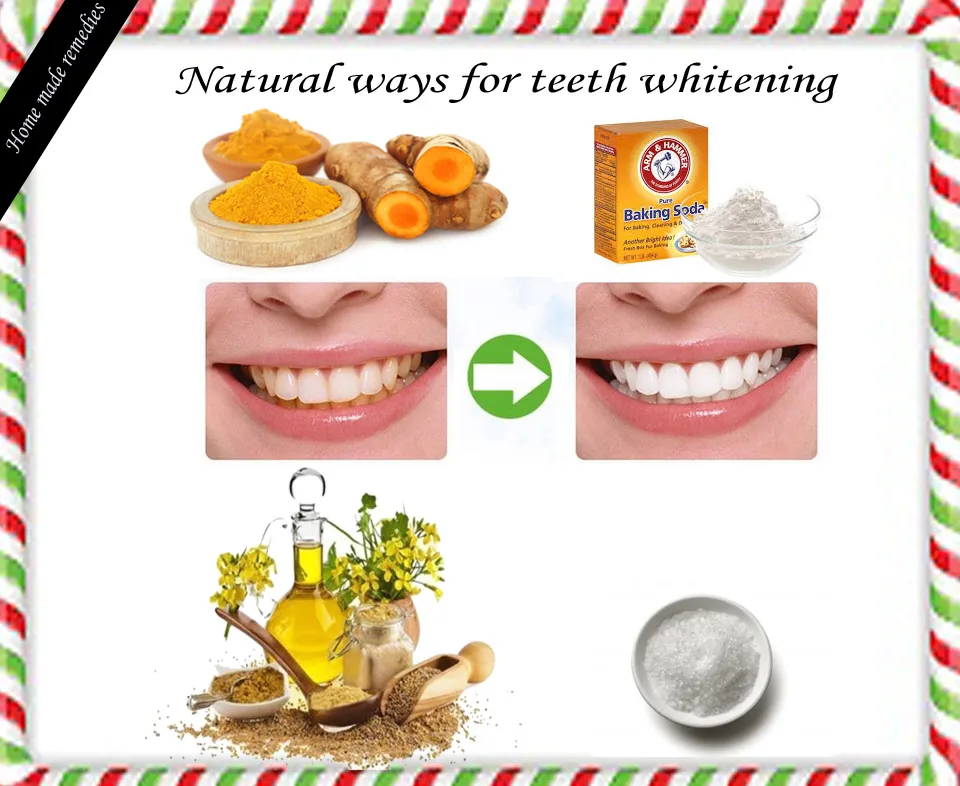
Fortunately, several home remedies can help you achieve a brighter smile. These remedies often use readily available ingredients and are generally safe when used correctly. However, it is important to note that the effectiveness of these remedies can vary, and it is always best to consult a dentist before trying any new teeth whitening methods. Several natural solutions, like oil pulling, baking soda and hydrogen peroxide, apple cider vinegar, lemon juice, and strawberries, can help to reduce stains and brighten teeth. While home remedies can be effective, it’s essential to use them properly and in moderation to avoid any potential risks or damage to your teeth. Proper guidance is always useful when looking for teeth whitening solutions.
Oil Pulling for a Brighter Smile

Oil pulling is an ancient Ayurvedic practice that involves swishing oil in your mouth to remove bacteria and toxins. This practice can contribute to teeth whitening by reducing plaque and bacteria, and by removing surface stains. The oils used in oil pulling, such as coconut oil, can help dissolve debris and pull stains from the teeth. Additionally, oil pulling can improve oral hygiene and overall health. Its simplicity and accessibility have made it a popular home remedy. Consistency is key when using this teeth whitening method and combining it with regular brushing and flossing can help ensure maximum results.
How to Perform Oil Pulling
To perform oil pulling, take one to two tablespoons of oil (typically coconut oil) and swish it in your mouth for 15–20 minutes. Ensure that the oil is moving throughout your mouth, reaching all surfaces of your teeth and gums. It’s important not to swallow the oil, as it contains toxins and bacteria that have been removed from your mouth. After swishing, spit the oil into a trash can (to avoid clogging your sink), rinse your mouth thoroughly with water, and brush your teeth as usual. Oil pulling should be done on an empty stomach, ideally in the morning before eating or drinking anything. Consistent practice, such as daily or several times a week, will gradually improve the appearance of your smile and promote better oral hygiene.
Baking Soda and Hydrogen Peroxide Whitening
Baking soda and hydrogen peroxide are common household ingredients with teeth whitening properties. Baking soda acts as a gentle abrasive, helping to scrub away surface stains, while hydrogen peroxide is a mild bleaching agent that can lighten the color of your teeth. When used together, they create a potent combination for teeth whitening. This method is a relatively inexpensive and easily accessible home remedy that can offer noticeable results over time. However, it’s essential to use this combination carefully to avoid damaging tooth enamel. Proper usage and caution are necessary to ensure the safety and effectiveness of this method for teeth whitening.
Making a Baking Soda and Peroxide Paste

To create a whitening paste, mix baking soda with hydrogen peroxide to form a paste. Start with a small amount, using a ratio of about two parts baking soda to one part hydrogen peroxide. Apply the paste to your toothbrush and gently brush your teeth for about two minutes. Rinse your mouth thoroughly with water after brushing. It’s recommended to use this mixture no more than once or twice a week to avoid enamel erosion. Although baking soda and hydrogen peroxide can whiten teeth, overusing the mixture might make teeth more sensitive. Therefore, moderating your use of this teeth whitening solution is essential.
Using Apple Cider Vinegar for Whitening
Apple cider vinegar (ACV) is another home remedy that some people use to whiten their teeth. ACV contains acetic acid, which can help remove stains and kill bacteria. However, it’s important to use it with caution, as the acidity can potentially erode tooth enamel. It is essential to dilute the ACV with water before use. Another benefit of ACV is its potential to balance the pH levels in your mouth. Some studies suggest that this can reduce the risk of tooth decay. When used as a rinse, ACV may contribute to a cleaner and healthier oral environment.
Benefits of Apple Cider Vinegar for Teeth
Besides its potential whitening effect, apple cider vinegar can also improve overall oral health. The antimicrobial properties of ACV can help reduce bacteria and fight against gingivitis. Furthermore, by removing surface stains, it can contribute to a brighter smile. The properties of ACV may help remove plaque buildup and improve the overall health of your teeth. However, it is important to remember that more research is required to confirm the effectiveness and safety of ACV for teeth whitening. Using ACV requires moderation and caution to minimize the potential risks associated with its acidic nature.
Whitening with Lemon Juice and Baking Soda

The combination of lemon juice and baking soda is another popular home remedy for teeth whitening. Lemon juice has a high citric acid content, which can help remove stains, while baking soda acts as a gentle abrasive. Combining these ingredients can create an effective whitening solution, however, the high acidity of lemon juice can erode tooth enamel if used excessively. Therefore, it’s essential to use this mixture sparingly. Although it may offer a quick whitening effect, the potential for damaging your teeth means this method should be approached with caution and moderation. Regular use of lemon juice might not be appropriate for everyone.
Precautions When Using Lemon Juice
When using lemon juice for teeth whitening, it’s important to exercise caution. The high acidity of lemon juice can erode tooth enamel, increasing the risk of tooth sensitivity and decay. Never brush your teeth immediately after applying lemon juice, as this can exacerbate the erosion. Rinse your mouth thoroughly with water after use, and consider waiting at least 30 minutes before brushing your teeth. It is best to use lemon juice in moderation or to avoid it altogether, especially if you have sensitive teeth. Consulting a dentist before trying this method can help you assess your oral health and determine whether it is suitable for you.
The Role of Strawberries in Teeth Whitening
Strawberries contain malic acid, which is a natural astringent that can help remove surface stains. This makes them a potential home remedy for teeth whitening. You can mash strawberries and apply them to your teeth, leaving them for a few minutes before rinsing. While strawberries can contribute to a brighter smile, their whitening effect may be relatively mild. The effectiveness of strawberries depends on the frequency and consistency of use. Strawberries can be a part of a teeth whitening plan, but they work best as a gentle method.
How to Use Strawberries for Whitening

To use strawberries for teeth whitening, mash a few ripe strawberries into a paste. Apply the paste to your teeth, allowing it to sit for a few minutes. Gently brush the mixture around your teeth using a soft-bristled toothbrush. Rinse your mouth thoroughly with water. While some people add baking soda to the mashed strawberries, it’s essential to be cautious with the acidity of the strawberries. Using this remedy once or twice a week is generally considered safe, but avoid overuse. The natural sugars in strawberries may increase the risk of tooth decay, so always brush your teeth after using strawberries. Consult a dentist for advice on the best teeth whitening routine.
Home Remedies and Professional Whitening
Home remedies can be a good starting point for teeth whitening, but they may not always provide the same results as professional treatments. Professional whitening, performed by a dentist, often uses stronger bleaching agents and can achieve more dramatic and quicker results. These treatments are usually done in-office or with custom-fitted trays provided by your dentist for at-home use. Choosing between home remedies and professional treatments depends on the severity of the discoloration, your budget, and your desired results. Professional treatments are often more effective at treating severe staining and may last longer. The best solution is often a combination of professional care and maintaining the results with home remedies.
Comparing Home Remedies and Professional Treatments
Home remedies are generally more affordable and accessible, allowing you to whiten your teeth at home. The ingredients are often readily available, and the process is relatively simple. However, the results may be less noticeable and the whitening effect may not last as long compared to professional treatments. Professional whitening treatments are conducted by trained dental professionals, ensuring safety and effectiveness. These treatments use higher concentrations of bleaching agents, offering quicker and more significant whitening results. While professional treatments can be more expensive, they often provide a long-lasting and more uniform whitening effect. Consulting a dentist can help you decide which treatment is best for your needs.
Maintaining Your White Smile

Maintaining a white smile requires a consistent approach to oral hygiene and lifestyle choices. Regular brushing and flossing are crucial for removing plaque and preventing stains. Avoiding or limiting the consumption of staining foods and drinks, such as coffee, tea, and red wine, can help to maintain your teeth’s brightness. Regular dental check-ups and cleanings are also essential for removing surface stains and keeping your teeth healthy. If you have undergone professional whitening, your dentist can provide specific instructions on how to maintain your results. Your commitment to a daily dental care routine and healthy lifestyle habits is essential for achieving long-lasting, vibrant smiles.
Best Practices for a Long-Lasting White Smile
To ensure a long-lasting white smile, incorporate the following practices into your daily routine. Brush your teeth twice a day for two minutes each time, using a fluoride toothpaste. Floss daily to remove food particles and plaque from between your teeth. Use a whitening toothpaste, which can help remove surface stains. Limit your consumption of staining foods and drinks, and rinse your mouth with water after consuming these items. Avoid smoking and chewing tobacco. Schedule regular dental check-ups and professional cleanings. By following these best practices, you can enjoy a bright, healthy smile for many years. Your dedication to proper dental care will help preserve your bright smile.