Understanding Teeth Discoloration
Teeth discoloration is a common concern, and understanding its root causes is the first step towards effective remedies. Teeth can lose their natural white color due to a variety of factors, ranging from the foods and drinks we consume to our daily habits. Discoloration can manifest as yellowing, staining, or the appearance of dark spots on the enamel. The severity and type of discoloration depend on the underlying causes and how long the teeth have been exposed to these factors. Whether it is surface stains or deeper changes within the tooth structure, knowing what contributes to discoloration helps in choosing the most appropriate teeth whitening methods.
Common Causes of Teeth Staining
Several factors contribute to teeth staining. The outer layer of your teeth, the enamel, is porous, meaning it can absorb pigments from the foods and drinks you consume. Age is also a significant factor, as enamel thins over time, and the underlying yellowish dentin becomes more visible. Genetic predisposition can also play a role, influencing tooth color and enamel strength. Additionally, certain medical treatments, such as chemotherapy or exposure to tetracycline antibiotics during tooth development, can cause discoloration. Furthermore, poor oral hygiene, including infrequent brushing and flossing, allows stains to build up and darken teeth. Understanding these various causes provides a clearer path for preventative measures and corrective actions.
Foods and Drinks That Stain Teeth

Certain foods and beverages are notorious for staining teeth due to their strong pigments and staining compounds. Coffee and tea are well-known culprits, with their dark colors and tannins, which can bind to the enamel. Red wine contains chromogens, which are intensely colored compounds that easily adhere to the tooth surface. Dark-colored soft drinks, such as cola, also contribute significantly to staining. In addition to beverages, some foods like berries (blueberries, blackberries, strawberries), soy sauce, and curries can also leave stains. Frequent consumption of these items, without proper oral hygiene, can lead to significant discoloration over time. Reducing or carefully moderating the intake of these products and quickly rinsing your mouth can minimize staining.
Lifestyle Habits That Affect Teeth Color
Lifestyle choices have a significant impact on teeth color. Smoking and chewing tobacco are major contributors to tooth discoloration. The nicotine and tar in these products stain teeth, often resulting in yellowing or browning. Poor oral hygiene habits, such as infrequent brushing, flossing, and not visiting the dentist regularly, allow stains to accumulate. Furthermore, excessive consumption of sugary foods and drinks can promote plaque buildup, which attracts stains. Grinding your teeth (bruxism) can also damage enamel, making teeth more susceptible to staining. Making conscious efforts to quit smoking, improving oral hygiene, and modifying dietary habits can significantly improve and maintain the whiteness of your teeth.
Teeth Whitening Fast Top 7 Home Remedies
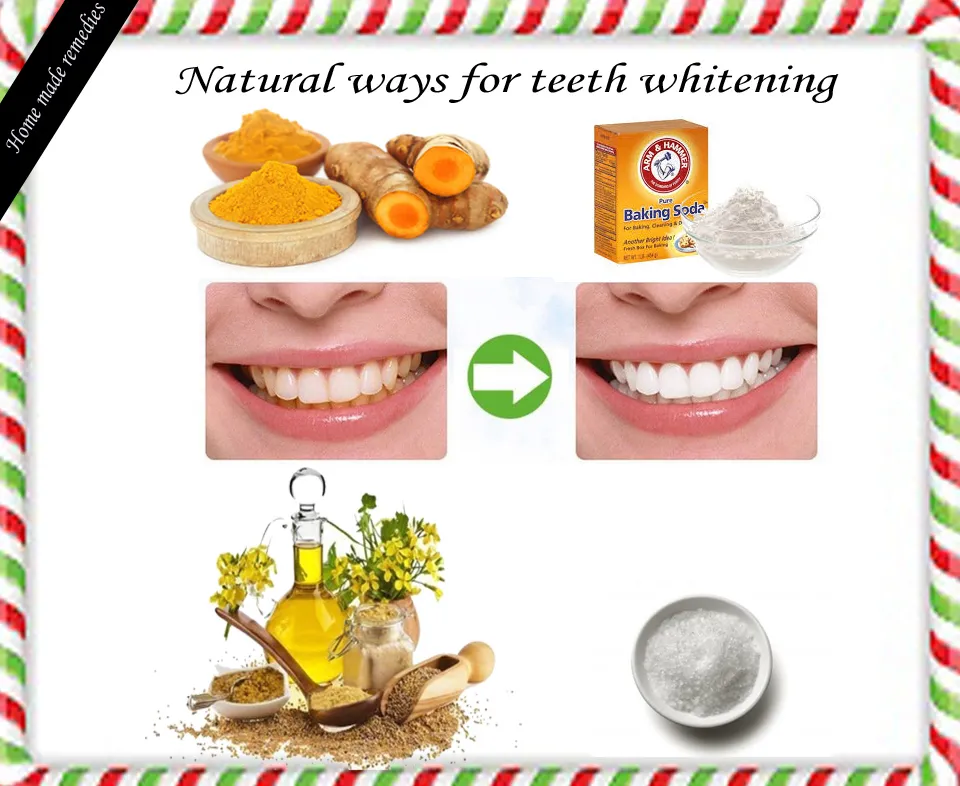
There are numerous home remedies that can help in teeth whitening. However, it’s important to approach these methods with caution and to be aware of potential risks. The effectiveness can vary from person to person, and results are not always immediate. Some of the remedies have stronger effects than others. Consulting with a dentist before starting any new teeth whitening method is always advisable. The top 7 are Baking Soda, Hydrogen Peroxide, Coconut Oil, Lemon Juice, Apple Cider Vinegar, Strawberry and Baking Soda Paste and Turmeric.
Baking Soda for Teeth Whitening

Baking soda, or sodium bicarbonate, is a mild abrasive that can help remove surface stains on teeth. It has been a popular home remedy for its whitening properties. Baking soda works by gently scrubbing away stains caused by coffee, tea, and other pigmented foods. Additionally, baking soda can help neutralize acids in the mouth, which can contribute to enamel erosion. However, the effectiveness of baking soda can vary, and it’s often more beneficial when used in combination with other whitening agents. It is crucial to use baking soda cautiously to avoid damaging tooth enamel.
How to Use Baking Soda Safely
To use baking soda for teeth whitening, mix a small amount (about a teaspoon) with water to form a paste. Gently brush your teeth with the paste for about two minutes, using a soft-bristled toothbrush. Rinse your mouth thoroughly with water afterward. It’s important to use baking soda sparingly, perhaps once or twice a week, to prevent damaging the enamel. Overuse can lead to increased tooth sensitivity and erosion of the enamel surface. Brushing too hard can also exacerbate these issues. Always consult with a dentist for personalized advice and recommendations.
Potential Risks and Side Effects
While generally safe when used in moderation, baking soda can have potential risks. The abrasive nature of baking soda can erode tooth enamel over time, making teeth more susceptible to decay and sensitivity. Excessive use can also irritate the gums and cause gum recession. Some individuals may experience temporary tooth sensitivity after using baking soda. Furthermore, baking soda may not be effective for all types of stains, especially those deep within the tooth structure. If you experience any discomfort or unusual symptoms, discontinue use and consult a dentist immediately.
Hydrogen Peroxide for Teeth Whitening

Hydrogen peroxide is a common ingredient in many professional teeth whitening treatments and can also be used at home. It is a mild oxidizing agent that can help lighten teeth by breaking down stain molecules. Hydrogen peroxide can penetrate the enamel to some extent, effectively reducing both surface and subsurface stains. The concentration of hydrogen peroxide is crucial, as higher concentrations can cause more significant effects but also increase the risk of side effects. It is generally used in lower concentrations at home than in professional settings.
The Right Way to Use Hydrogen Peroxide
To use hydrogen peroxide for teeth whitening, you can either use it as a mouthwash or combine it with baking soda to create a paste. For a mouthwash, mix a 3% hydrogen peroxide solution with equal parts water. Swish the mixture in your mouth for about 30-60 seconds, and then rinse thoroughly with water. Avoid swallowing the solution. If you prefer a paste, mix hydrogen peroxide with baking soda until you achieve the consistency of a paste. Use this paste to gently brush your teeth. Use these methods sparingly, and do not exceed usage more than once a week. After using hydrogen peroxide, rinse your mouth completely.
Precautions and Safety Measures
When using hydrogen peroxide, it’s essential to take several precautions. Always use a 3% hydrogen peroxide solution; higher concentrations can be harmful. Avoid swallowing hydrogen peroxide, as it can cause stomach upset. Be careful not to overuse hydrogen peroxide, as it can irritate your gums and lead to increased tooth sensitivity. If you have sensitive teeth or gum problems, consult your dentist before using hydrogen peroxide. If you experience any adverse effects, such as persistent pain or sensitivity, discontinue use immediately and seek professional advice.
Coconut Oil Pulling for a Brighter Smile

Coconut oil pulling involves swishing coconut oil in your mouth for a specific duration to remove bacteria and toxins, which may help to whiten teeth. Coconut oil contains lauric acid, which has antibacterial and anti-inflammatory properties. The process of oil pulling may reduce plaque and gingivitis, improving oral hygiene. While the whitening effects may be subtle, consistent practice of oil pulling may contribute to a brighter smile. It is a gentle, natural method that can be incorporated into your oral care routine.
How to Practice Oil Pulling Effectively
To practice oil pulling effectively, start with one to two tablespoons of coconut oil. Swish the oil in your mouth for 15-20 minutes, ensuring it reaches all areas. The oil will become thinner and milky as it mixes with saliva. After swishing, spit the oil into a trash can (not the sink) to avoid clogging your pipes. Rinse your mouth thoroughly with warm water, and then brush your teeth as usual. Oil pulling can be done daily, preferably in the morning before eating or drinking anything. Make sure to use pure, unrefined coconut oil for the best results.
Benefits and Considerations
Oil pulling has several potential benefits, including improved oral hygiene, reduced plaque and gingivitis, and possibly a modest whitening effect. It can also freshen breath and reduce the number of bacteria in the mouth. However, the scientific evidence supporting the teeth-whitening benefits of oil pulling is limited, and the results can be inconsistent. It is important to note that oil pulling should not replace regular brushing, flossing, and dental check-ups. People with dental fillings should be cautious, and those with any specific oral health conditions should seek professional advice.
Using Lemon Juice for Teeth Whitening

Lemon juice is a natural bleaching agent that has been used to whiten teeth. The citric acid in lemon juice can help remove surface stains. However, due to the acidity of lemon juice, it can be harsh on tooth enamel. The use of lemon juice for teeth whitening should be approached with caution. Regular application can erode enamel, increasing the risk of sensitivity and decay. Although lemon juice might provide immediate whitening effects, it can also cause long-term damage. Therefore, it should be used sparingly and cautiously.
The Proper Way to Apply Lemon Juice
If you decide to use lemon juice for teeth whitening, dilute it with water to reduce its acidity. You can either dip a cotton swab in the diluted lemon juice and apply it to your teeth or mix it with baking soda to create a paste. Leave it on your teeth for a very short time, no more than a minute or two. Rinse your mouth thoroughly with water after application. Never brush your teeth immediately after using lemon juice, as this can exacerbate enamel erosion. Limit the frequency of use to avoid potential damage.
Potential Risks and Tooth Sensitivity
The primary risk of using lemon juice on teeth is enamel erosion, which can lead to increased tooth sensitivity and a higher risk of cavities. Enamel erosion makes the underlying dentin, which is more yellow, more visible, resulting in increased sensitivity to hot and cold foods and drinks. In some cases, overuse of lemon juice can lead to more severe dental problems. It is essential to monitor your teeth for any signs of increased sensitivity or damage. If you experience any adverse effects, discontinue use and consult a dentist. Consider that the benefits of lemon juice are often outweighed by the potential risks.
Apple Cider Vinegar for Teeth Whitening

Apple cider vinegar (ACV) has become a popular remedy for various health and beauty purposes, including teeth whitening. ACV contains acetic acid, which can help remove stains from teeth. Some people believe that it can also kill bacteria and improve oral health. However, as with lemon juice, the acidity of ACV raises concerns about potential enamel damage. ACV can be a less intense approach than lemon juice but still needs to be used very carefully.
Using Apple Cider Vinegar Safely
To use apple cider vinegar for teeth whitening, dilute it with water. Mix one part ACV with two parts water. Swish the diluted ACV in your mouth for about 30-60 seconds, and then rinse thoroughly with water. Avoid brushing your teeth immediately after using ACV, as this can soften the enamel. Limit the frequency to once or twice a week. After using ACV, you can brush your teeth as usual. It is important to remember that dilution is key and that excessive use should be avoided.
Pros and Cons of This Method
The potential benefits of using apple cider vinegar include stain removal and improved oral hygiene. The antibacterial properties may contribute to overall oral health. The main disadvantage of this method is the risk of enamel erosion due to the acidity of the vinegar. Enamel erosion can lead to tooth sensitivity, an increased risk of cavities, and long-term dental issues. The effectiveness of ACV for teeth whitening can also vary from person to person. Therefore, it is essential to carefully consider both the pros and cons before using this remedy.
Strawberry and Baking Soda Paste

Strawberries contain malic acid, which may act as a natural enamel whitener. Mixing strawberries with baking soda creates a paste, which is then applied to the teeth. This combination has become a common DIY teeth whitening remedy. The malic acid in strawberries may help remove surface stains. However, as with other home remedies, this method should be used carefully and in moderation to avoid damaging tooth enamel.
Making and Applying the Paste
To make the strawberry and baking soda paste, mash a few fresh strawberries. Mix the mashed strawberries with a half-teaspoon of baking soda until a paste is formed. Apply this paste to your teeth and leave it on for about 5 minutes. After the 5 minutes, brush your teeth gently to remove the paste and then rinse your mouth thoroughly with water. Use this paste no more than once or twice a week. Be cautious not to brush too vigorously, as this may damage the enamel.
Effectiveness and Limitations
The effectiveness of the strawberry and baking soda paste for teeth whitening is limited. While malic acid may help remove some surface stains, it does not have the same bleaching power as professional treatments. Moreover, the abrasive nature of baking soda can damage enamel if used too frequently or brushed too hard. This method may provide a temporary whitening effect but should not be considered a long-term solution. For more noticeable and lasting results, other methods are required. Individuals should be mindful of the potential risks associated with frequent use.
Turmeric for Teeth Whitening
Turmeric, a yellow spice, has been touted as a natural teeth whitening remedy. It contains curcumin, which has anti-inflammatory and antioxidant properties. Some people claim that turmeric can remove stains and brighten teeth. The use of turmeric for teeth whitening is less widely recognized than other methods, and scientific evidence supporting its effectiveness is still emerging. Despite these claims, the potential for damage is low, making it a potentially safer alternative.
How to Make and Use Turmeric Paste
To use turmeric for teeth whitening, mix turmeric powder with a small amount of water or coconut oil to form a paste. Brush your teeth gently with the paste for about 2-3 minutes. Rinse your mouth thoroughly with water. You can repeat this once a day, and continue the practice daily. The staining power of turmeric is very low, so any possible side effects are usually not a problem. Be patient, as it may take several weeks or months to see any improvement, if any. Be sure to use this method consistently and be mindful of potential staining from the turmeric itself.
Benefits and Potential Staining
The primary benefit of using turmeric for teeth whitening is its potential to remove stains without causing significant enamel damage. The anti-inflammatory and antioxidant properties of curcumin may also benefit overall oral health. However, the whitening effects of turmeric are often subtle and may not be noticeable for everyone. There is also a slight possibility that turmeric may stain your toothbrush or even teeth. If you notice any yellowing, reduce the amount of turmeric and continue to brush your teeth as usual. If the staining persists, discontinue use. Ultimately, be cautious of the benefits and drawbacks of turmeric.
Maintaining a White Smile
After trying teeth whitening home remedies, it’s important to maintain your results with good oral hygiene practices. Regular brushing and flossing are critical for removing plaque and food particles that can cause stains. Brushing twice a day with fluoride toothpaste helps strengthen the enamel and prevent cavities. Flossing daily removes plaque from areas that your toothbrush cannot reach. Visiting your dentist for regular check-ups and cleanings is also essential. A professional cleaning can remove stubborn stains and plaque buildup. Regular dental visits also allow the dentist to catch potential problems early, such as cavities or gum disease.
Oral Hygiene Tips for Long-Lasting Results
In addition to brushing and flossing, certain lifestyle choices can help maintain a white smile. Avoid or limit the consumption of staining foods and drinks, such as coffee, tea, red wine, and berries. Rinse your mouth with water after consuming these items to reduce their effect on your teeth. Quit smoking or chewing tobacco. Smoking not only stains teeth but also damages oral health. Use a whitening toothpaste or mouthwash to help maintain brightness. Consider using a straw when drinking staining beverages. Be mindful of your oral hygiene routine, and incorporate these habits into your daily life for long-lasting results.
Professional Teeth Whitening vs Home Remedies
Both professional teeth whitening and home remedies have their advantages and disadvantages. Professional teeth whitening, performed by a dentist, typically involves using stronger bleaching agents that can provide more dramatic and quicker results. The dentist can also ensure that the treatment is safe and customized to your specific needs. However, professional treatments are more expensive. Home remedies are generally less expensive and more accessible but often yield less dramatic results. The effectiveness can vary, and there is a higher risk of side effects if not used properly. Consulting with a dentist can help you determine the best whitening method for your specific needs and circumstances.
When to Consult a Dentist
You should consult a dentist before starting any teeth whitening treatment, especially if you have existing dental issues. If you have sensitive teeth, gum disease, cavities, or dental restorations such as fillings, crowns, or veneers, you should seek professional advice. Your dentist can assess your oral health, determine the underlying causes of discoloration, and recommend the most appropriate and safe treatment options. If you experience any adverse effects, such as increased sensitivity, gum irritation, or pain, discontinue home remedies immediately and consult your dentist. Regular dental check-ups are critical for maintaining optimal oral health and ensuring that any whitening efforts are safe and effective. The dentist can provide personalized guidance to maintain the whiteness of your smile.