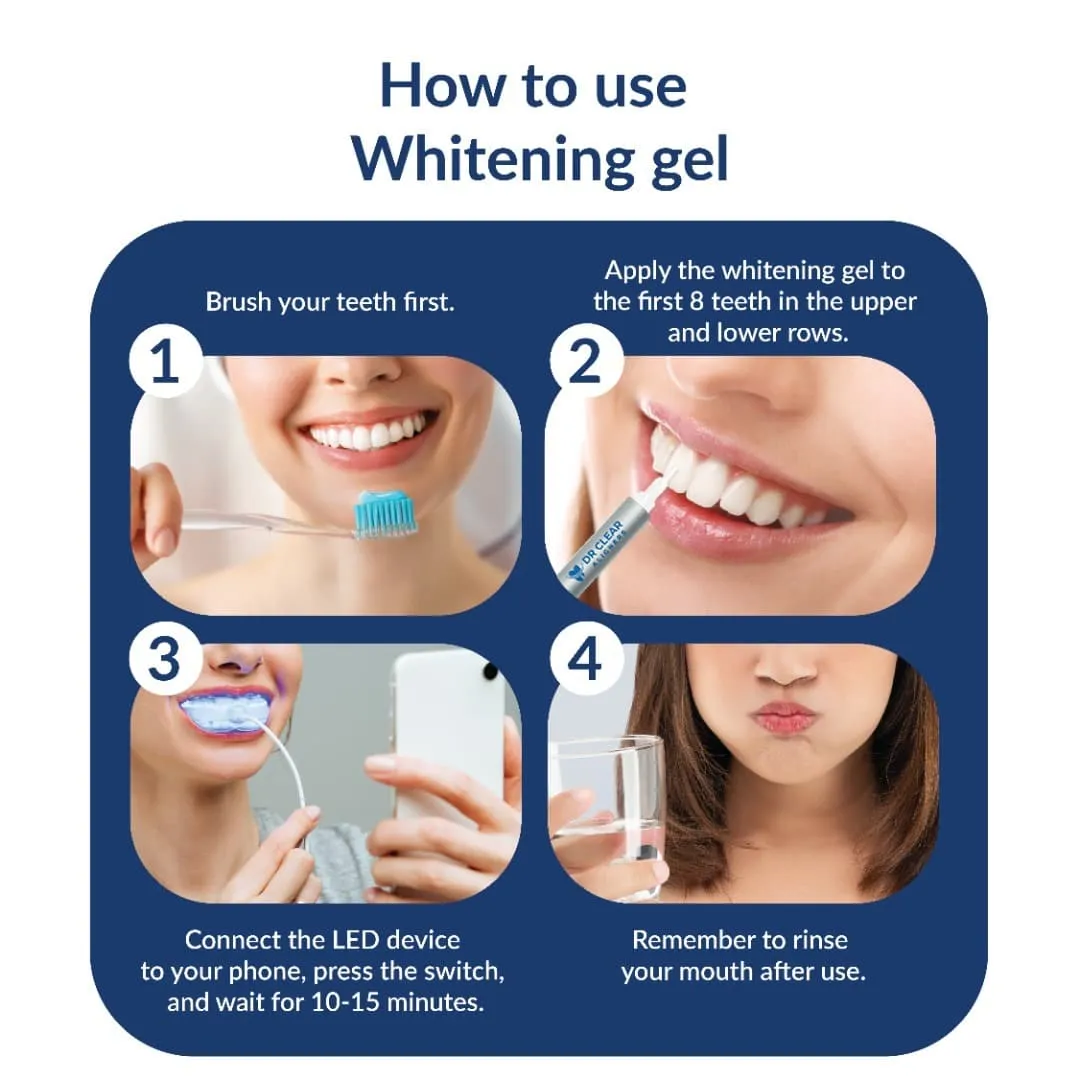
What is Teeth Whitening Gel
Teeth whitening gel is a cosmetic dental product designed to lighten the shade of your teeth. It contains active ingredients, primarily bleaching agents, that penetrate the enamel and dentin to break down stain molecules. These gels are available in various concentrations and are used with different application methods, such as whitening trays or strips. The effectiveness of the gel depends on factors such as the concentration of the active ingredient, the duration of application, and the type and severity of the stains. Proper use, following the instructions provided by your dentist or the product packaging, is crucial to achieve desired results while minimizing potential risks like tooth sensitivity or gum irritation. Understanding the basics of how whitening gel works is the first step toward a brighter smile.
Types of Teeth Whitening Gels
Whitening gels are formulated with different active ingredients to achieve the desired bleaching effect. These ingredients work by oxidizing the stain molecules within the tooth enamel, breaking them down and making your teeth appear whiter. The two primary types of whitening gels are based on either hydrogen peroxide or carbamide peroxide. The choice between these options often depends on the concentration, the application method, and the individual’s sensitivity levels. Choosing the right type can significantly impact the effectiveness and comfort of the whitening process. Always consult with a dental professional to determine the most suitable option for your specific needs and oral health.
Hydrogen Peroxide Based Gels

Hydrogen peroxide is a common bleaching agent used in many teeth whitening gels. It is a potent oxidizing agent that directly breaks down the stain molecules in your teeth. Gels with hydrogen peroxide often provide faster and more noticeable results compared to those with carbamide peroxide, but they may also cause greater sensitivity. The concentration of hydrogen peroxide can vary, with higher concentrations typically found in professional treatments administered by dentists. Understanding how hydrogen peroxide works is crucial to knowing how long to leave whitening gel on teeth and to prevent any potential negative side effects. Proper application and adherence to the recommended duration are essential for achieving optimal results.
Carbamide Peroxide Gels
Carbamide peroxide is another widely used bleaching agent in teeth whitening gels. It breaks down into hydrogen peroxide and urea, with the hydrogen peroxide acting as the primary bleaching agent. Carbamide peroxide gels are often used in at-home whitening kits because they release hydrogen peroxide more slowly, potentially causing less sensitivity. The percentage of carbamide peroxide determines the amount of hydrogen peroxide released. When considering the use of carbamide peroxide gels, it’s essential to adhere to the recommended usage time to achieve the desired whitening effect without damaging your teeth. Consult with your dentist to determine the most appropriate concentration and application duration for your needs. (carbamide-peroxide.webp)
Other Ingredients in Whitening Gels
Besides the primary bleaching agents, teeth whitening gels also contain several other ingredients. These include thickening agents to ensure the gel adheres to the teeth, flavoring agents to improve the taste, and desensitizing agents to minimize sensitivity. Some gels may also include fluoride to help strengthen the enamel. The specific composition of these ingredients can vary depending on the brand and formulation. It’s crucial to be aware of these additional components, especially if you have known sensitivities or allergies to any of them. Reading the product label and consulting with a dentist can help you make an informed decision and ensure the gel is safe and effective for your teeth. (teeth-whitening-gel.webp)
Factors Affecting Whitening Gel Duration

Several factors influence the amount of time whitening gel needs to be applied to achieve the desired results. The concentration of the active ingredient, the porosity of your enamel, the severity of the stains, and your teeth’s sensitivity all play significant roles. Additionally, the application method, whether you’re using trays or strips, will affect how long the gel should be in contact with your teeth. To maximize effectiveness while minimizing risks like sensitivity, understanding these factors is critical. Always follow the instructions provided with the product and consult your dentist for personalized guidance based on your specific oral health condition. (whitening-trays.webp)
Gel Concentration
The concentration of the active bleaching agent, whether hydrogen peroxide or carbamide peroxide, directly affects the duration of application. Higher concentrations typically require shorter application times because they are more potent and work faster. Conversely, lower concentrations may need to be applied for a longer period to achieve the same level of whitening. At-home whitening kits usually contain lower concentrations than professional treatments administered by dentists. It is imperative to adhere to the product instructions and your dentist’s advice regarding the application time, as using a gel with a higher concentration for an extended period can increase the risk of side effects like tooth sensitivity and gum irritation. (hydrogen-peroxide.webp)
Enamel Permeability
Enamel permeability refers to the ability of the tooth enamel to allow substances to pass through it. The more permeable your enamel is, the easier it is for the whitening gel to penetrate and break down stain molecules. Factors like age, genetics, and the presence of microcracks can affect enamel permeability. Individuals with more permeable enamel may experience faster whitening results, potentially requiring shorter application times. Understanding your enamel’s permeability is crucial for adjusting the whitening duration. Always monitor your teeth for sensitivity and follow the product instructions carefully, as over-application can lead to adverse effects regardless of enamel permeability.
Stain Severity

The severity and type of stains on your teeth significantly influence how long you need to use whitening gel. Surface stains caused by coffee, tea, or tobacco are generally easier to remove and may require a shorter whitening duration. Deeper stains, such as those caused by tetracycline or intrinsic factors, can be more challenging and may necessitate longer treatment periods. The effectiveness of the whitening gel also depends on the stain type. Some stains respond better to certain types of whitening agents than others. Consulting a dentist can help determine the type of stains you have and recommend an appropriate whitening gel and application duration to achieve the best results. (carbamide-peroxide.webp)
Teeth Sensitivity
Teeth sensitivity can greatly affect the duration for which you should apply whitening gel. Individuals with sensitive teeth may experience discomfort or pain during the whitening process. If you have sensitive teeth, it is crucial to use a lower concentration of the gel and reduce the application time. Some gels are specifically formulated for sensitive teeth and include desensitizing agents. Always monitor your teeth for any signs of sensitivity and discontinue use or reduce the application time if needed. Consulting your dentist before starting the whitening process can help you manage sensitivity and choose the most appropriate treatment plan to ensure both effectiveness and comfort. (sensitive-teeth.webp)
How to Apply Whitening Gel
The application method of whitening gel plays a vital role in its effectiveness and safety. The most common methods include the use of whitening trays and strips. Each method has its specific application instructions and recommended duration. Regardless of the method, it is crucial to follow the product instructions precisely to prevent any adverse effects like tooth sensitivity or gum irritation. It is also essential to understand the correct amount of gel to use and how to handle and store the product properly. By following these guidelines, you can optimize the whitening process and achieve the desired results safely. (whitening-results.webp)
Using Whitening Trays

Whitening trays are custom-fitted or pre-formed trays designed to hold the whitening gel against your teeth. Custom trays, usually provided by a dentist, offer a precise fit and help minimize gel leakage, ensuring uniform whitening and reducing the risk of gum irritation. Pre-formed trays, available over-the-counter, are a more affordable option but may not fit as snugly. The steps for using whitening trays generally include brushing your teeth, applying a small amount of gel to the tray, and inserting the tray into your mouth for the recommended duration. After the treatment time, remove the tray, rinse your mouth, and clean the tray thoroughly. Adhering to these steps and following the product instructions is crucial for achieving optimal results. (whitening-trays.webp)
Application Instructions
Always read and follow the product instructions carefully when applying whitening gel. Instructions typically include how to prepare your teeth (e.g., brushing), how to apply the gel, and the recommended duration for the application. It is essential not to exceed the recommended time, as this can lead to tooth sensitivity or gum irritation. If you are using custom trays, ensure they fit properly to avoid gel leakage. With pre-formed trays, follow the instructions on how to insert and remove them correctly. Proper application is a crucial factor in the success of the whitening process, leading to a brighter smile with minimal side effects. (whitening-gel.webp)
Proper Gel Quantity
Using the correct amount of whitening gel is essential for both the effectiveness and safety of the treatment. Applying too much gel can lead to leakage onto your gums, causing irritation and sensitivity. Applying too little might not provide sufficient coverage for all your teeth, resulting in uneven whitening. Generally, a small bead of gel along the inner surface of the tray for each tooth is sufficient. Avoid overfilling the tray. It is recommended to consult with your dentist or carefully read the product instructions to determine the appropriate amount for the specific type of whitening gel and tray you’re using. This ensures the best possible results while minimizing any risks. (teeth-whitening-gel.webp)
Whitening Gel Duration for Different Concentrations

The amount of time you leave whitening gel on your teeth varies based on the concentration of the active ingredient, such as hydrogen peroxide or carbamide peroxide. Higher concentrations work faster, requiring shorter application times, while lower concentrations need more time to achieve the same effect. It’s essential to adhere to the product instructions and any guidance provided by your dentist to ensure you use the gel safely and effectively. The recommended duration is a critical factor to consider. The table below summarizes the approximate durations for different concentrations. This information should be a guide and not a substitute for professional advice.
3% Hydrogen Peroxide
Whitening gels with 3% hydrogen peroxide are often available over-the-counter. The application time typically ranges from 30 minutes to an hour, depending on the product and the severity of the stains. These gels are generally considered safe for use at home, but it’s essential to follow the product instructions carefully. Be sure to monitor your teeth for sensitivity and consult your dentist if you experience any discomfort. Always remember that consistent use over a period of time is required to achieve the desired whitening results. (hydrogen-peroxide.webp)
6% Hydrogen Peroxide
Whitening gels with 6% hydrogen peroxide are usually available as part of a dentist-supervised treatment. Application times can vary, but typically range from 15 to 30 minutes per session. Due to the higher concentration, these gels may cause greater sensitivity. Therefore, it is crucial to follow your dentist’s instructions to avoid over-application. The dental professional will monitor your progress and can make adjustments to the duration as necessary to optimize results while minimizing any potential side effects. Regular check-ins with your dentist are critical to ensure your safety and the effectiveness of the treatment. (hydrogen-peroxide.webp)
10% Carbamide Peroxide

10% carbamide peroxide is a common concentration found in many at-home whitening kits. Because it releases hydrogen peroxide slowly, it’s generally considered safe for use at home. Typically, these gels are applied for about 30 minutes to a few hours, depending on the product and the manufacturer’s instructions. If you are using this concentration, it’s crucial to follow the recommended application time strictly. Monitoring your teeth for any signs of sensitivity is also vital. Reducing the time or discontinuing use if necessary can help prevent any adverse effects. Regular communication with your dentist during the treatment is also a great way to make sure the treatment is safe and effective. (carbamide-peroxide.webp)
16% Carbamide Peroxide
Whitening gels containing 16% carbamide peroxide are often used in professional treatments or more potent at-home kits under the supervision of a dentist. Application times typically range from 1 to 2 hours, or as directed by your dentist. This higher concentration requires careful monitoring due to the increased potential for sensitivity. Follow all the instructions provided by your dental professional and be vigilant about any discomfort. If you experience excessive sensitivity, reduce the application time or consult with your dentist to adjust the treatment plan. Regular check-ups are essential to ensure the safety and effectiveness of the whitening process. (carbamide-peroxide.webp)
Whitening Gel Overuse Risks
Overuse of teeth whitening gel can lead to several risks and side effects. It is crucial to adhere to the recommended application times and frequencies to avoid potential harm. Overuse can result in heightened sensitivity, gum irritation, and even damage to the enamel of your teeth. The severity of these risks increases with the concentration of the active ingredient and the frequency of application. Always consult with your dentist before starting any teeth whitening treatment and follow their guidance to ensure the safest and most effective results. (sensitive-teeth.webp)
Tooth Sensitivity

Tooth sensitivity is a common side effect of teeth whitening. It occurs because the bleaching agents in the gel can penetrate the enamel and reach the dentin, causing irritation to the nerves within the teeth. Overuse of whitening gel increases this sensitivity, causing discomfort ranging from mild twinges to sharp pain. If you experience sensitivity, it is crucial to reduce the application time, decrease the frequency of treatments, or discontinue use temporarily. Using desensitizing toothpaste can also help to alleviate the discomfort. Consulting with your dentist to determine the best course of action and to monitor your sensitivity levels is vital. (sensitive-teeth.webp)
Gum Irritation
Gum irritation is another potential risk associated with the overuse of teeth whitening gel. The gel can come into contact with the soft tissues of your gums if the trays do not fit properly or if too much gel is used. This exposure can cause inflammation, redness, and soreness. To minimize gum irritation, use the correct amount of gel, ensure the trays fit snugly, and avoid over-application. If you experience gum irritation, discontinue use and consult your dentist for advice. They may recommend adjustments to your treatment plan to mitigate any potential negative impact on your gum health. (teeth-whitening-gel.webp)
Enamel Damage
Enamel damage is a more serious risk associated with the overuse of teeth whitening gel. Excessive application can lead to the erosion of the enamel, making your teeth more susceptible to cavities, sensitivity, and discoloration. Enamel is the hard, protective outer layer of your teeth, and once it is damaged, it cannot regenerate. It’s critical to adhere to the recommended application times, concentrations, and frequencies to prevent enamel damage. Consult with your dentist for a professional assessment and to discuss the best whitening approach for your oral health. (teeth-whitening-gel.webp)
Tips for Safe and Effective Whitening
To achieve safe and effective teeth whitening results, several key steps are essential. Always consult your dentist before starting any whitening treatment to ensure it’s safe for your teeth and to receive personalized recommendations. Carefully follow the product instructions regarding application time and frequency. It is also important to monitor for any signs of sensitivity or irritation, and be aware of proper aftercare practices to maintain your brighter smile. By following these tips, you can minimize risks and maximize your chances of achieving a beautiful and healthy smile. (dentist-consultation.webp)
Consult Your Dentist
Consulting your dentist is the most important step before starting any teeth whitening treatment. A dentist can assess your oral health, identify any underlying issues, and determine if teeth whitening is suitable for you. They can also provide professional recommendations, including the appropriate type of whitening gel and application duration. Your dentist can also create custom-fitted trays to ensure the best results and minimize the risk of side effects. Regular check-ups during and after the whitening process can help monitor progress and address any concerns. (dentist-consultation.webp)
Follow Instructions Carefully
Adhering to the product instructions is crucial for a safe and effective teeth whitening experience. Pay close attention to the recommended application time, frequency, and the amount of gel to use. Over-application can lead to tooth sensitivity and gum irritation, while under-application may not produce the desired results. If you have any questions or concerns, consult your dentist or the product manufacturer. By following the instructions diligently, you can optimize your whitening results and reduce the risk of adverse effects. (teeth-whitening-gel.webp)
Monitor for Sensitivity
Monitoring for tooth sensitivity is essential during the teeth whitening process. Sensitivity can range from mild discomfort to sharp pain. If you experience sensitivity, it is crucial to adjust the application time, reduce the frequency of treatments, or discontinue use temporarily. You can also use desensitizing toothpaste to alleviate discomfort. Regularly communicating with your dentist during the whitening process allows for prompt adjustments to your treatment plan if needed. Always prioritize your comfort and well-being while seeking a brighter smile. (sensitive-teeth.webp)
Aftercare for Whitening Gel
Proper aftercare is essential to maintain the results of your teeth whitening treatment and prevent new stains from forming. Avoiding staining foods and drinks and using fluoride products are key components of aftercare. Maintaining good oral hygiene and regular dental check-ups are also important. Following these guidelines can help you preserve your brighter, whiter smile for a longer period. Consistent care post-whitening ensures both aesthetics and the overall health of your teeth. (avoiding-stains.webp)
Avoiding Staining Foods and Drinks
Avoiding staining foods and drinks is crucial to maintain the results of your teeth whitening treatment. Certain foods and beverages contain pigments that can easily stain your teeth, especially immediately after whitening when your enamel is more porous. Coffee, tea, red wine, berries, and dark sauces are common culprits. Try to limit your consumption of these items or consume them in moderation. Rinsing your mouth with water after consuming staining foods or drinks can also help to minimize staining. Consider using a straw to drink beverages to reduce direct contact with your teeth. (avoiding-stains.webp)
Using Fluoride Products
Using fluoride products can help to protect your teeth and maintain the results of your whitening treatment. Fluoride strengthens tooth enamel, making it more resistant to stains and decay. Brushing with fluoride toothpaste and using a fluoride mouthwash can help. You may also consider a professional fluoride treatment from your dentist. Fluoride products provide added protection, helping to keep your teeth healthy and your smile bright long after your whitening treatment is complete. Ask your dentist for specific product recommendations to help maximize the benefits of your whitening efforts. (teeth-whitening-gel.webp)