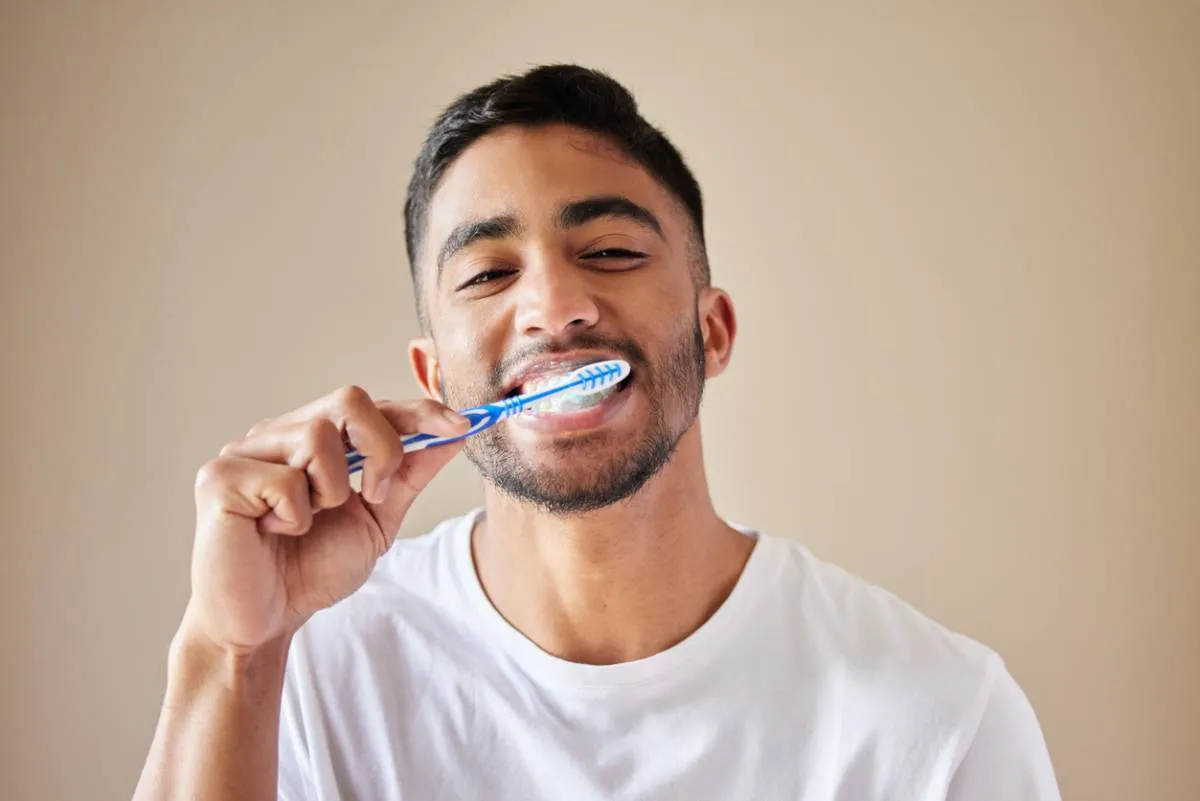
Understanding Teeth Whitening
Teeth whitening has become increasingly popular as people strive for brighter, more confident smiles. But what exactly is teeth whitening, and how does it work? This section will delve into the fundamentals of teeth whitening, helping you understand the process and its various forms. From the science behind it to the different methods available, you’ll gain a comprehensive overview of what to expect when you decide to whiten your teeth. Whether you’re considering professional treatments or at-home kits, knowing the basics will enable you to make informed decisions and achieve the best possible results. Understanding the intricacies of the process is the first step towards a dazzling, healthy smile.
What is Teeth Whitening?
Teeth whitening is a cosmetic dental procedure designed to lighten the shade of your teeth and remove stains and discoloration. The process generally involves the use of bleaching agents, such as hydrogen peroxide or carbamide peroxide, which penetrate the enamel and break down stain molecules. These stains can be caused by various factors, including the consumption of coffee, tea, red wine, and tobacco use. The goal is to achieve a noticeably brighter smile, boosting confidence and improving overall aesthetics. The effectiveness of teeth whitening can vary depending on the type of stains, the chosen method, and individual factors such as the natural color of your teeth.
Different Types of Teeth Whitening

There are various methods available for teeth whitening, each with its own set of advantages and considerations. From professional treatments performed by dentists to convenient at-home kits, understanding these options is crucial for making an informed decision. The choice of method often depends on your budget, the degree of whitening desired, and your lifestyle. It is important to consult with a dental professional to determine which option is most suitable for your specific needs and oral health condition. Evaluating all the available techniques will help ensure the best possible outcome for a brighter, healthier smile.
Professional Whitening
Professional teeth whitening, also known as in-office whitening, is performed by a dentist and offers the most dramatic and immediate results. The process typically involves applying a high-concentration bleaching agent to the teeth, followed by the use of a special light or laser to accelerate the whitening process. This method is highly effective because it uses stronger bleaching agents and is closely monitored by dental professionals to ensure safety and minimize potential side effects such as tooth sensitivity. The results are usually visible within a single appointment, making it a popular choice for those seeking immediate improvements. However, it is also the most expensive option, but provides superior results and is safer.
At-Home Whitening Kits
At-home whitening kits provide a more convenient and affordable option for teeth whitening. These kits typically include custom-fitted trays and a lower-concentration bleaching gel that you apply to your teeth at home. While at-home kits are less potent than professional treatments, they still offer noticeable results over time. It’s important to follow the instructions carefully to avoid any potential issues, such as gum irritation or uneven whitening. The main advantage is that they are cost-effective and can be done at your convenience, however, results take more time and the products are less potent.
The Role of Brushing in Oral Hygiene

Brushing your teeth is a fundamental aspect of maintaining good oral hygiene. This daily ritual helps remove food particles, plaque, and bacteria, preventing cavities, gum disease, and bad breath. The technique and frequency of brushing play a crucial role in its effectiveness. Coupled with other oral hygiene practices such as flossing and regular dental check-ups, brushing forms the cornerstone of a healthy and radiant smile. This section explores the importance of brushing, its benefits, and its specific relevance in the context of teeth whitening.
Why Brushing is Essential
Brushing is essential for maintaining good oral health because it removes plaque and bacteria, the primary causes of tooth decay and gum disease. Plaque, a sticky film of bacteria, constantly forms on your teeth. If not removed, it can lead to cavities and gingivitis. Brushing also helps to freshen your breath and keeps your teeth looking clean. Regular and proper brushing helps to keep teeth healthy, which also is important for overall health. Brushing before bed is specifically important to remove bacteria that accumulate during the day.
How Brushing Removes Stains and Plaque
Brushing mechanically removes plaque and surface stains from your teeth. The abrasive action of the toothbrush, combined with the active ingredients in toothpaste, helps to dislodge particles that cause discoloration and build-up. Furthermore, brushing stimulates saliva production, which helps to neutralize acids produced by bacteria. Proper brushing technique, including using a soft-bristled brush and brushing all surfaces of your teeth, ensures that the cleaning process is thorough and effective. This consistent removal is what maintains oral health and sets the stage for whiter teeth.
Brushing Before Whitening

The question of whether to brush before or after whitening is often debated, but there are specific benefits and considerations for brushing before. This approach is based on the idea that a clean surface will allow the whitening agent to work more effectively, increasing the likelihood of optimal results. However, it’s important to be aware of any potential downsides to this approach and adapt your routine based on your personal oral health profile. Making the right decision between brushing before or after will help you achieve the desired results safely.
Benefits of Brushing Before Whitening
Brushing before whitening helps to remove surface debris and plaque, which can act as a barrier, preventing the whitening agent from fully penetrating the enamel. Removing these obstructions allows the whitening product to make direct contact with the teeth, potentially improving its effectiveness. A clean tooth surface also ensures that the whitening process is more uniform, leading to a more consistent and even whitening result. By removing any surface stains and particles, you’re optimizing the conditions for the whitening treatment to work. Brushing your teeth before any whitening treatment is beneficial.
Potential Drawbacks of Brushing Before Whitening
One potential drawback of brushing immediately before whitening is the possibility of increased tooth sensitivity. The abrasive action of brushing can sometimes cause minor enamel wear, making your teeth temporarily more susceptible to sensitivity. If you use a whitening toothpaste, which often contains abrasive particles, this could be particularly noticeable. To mitigate this, use a soft-bristled toothbrush and avoid brushing aggressively. However, for best results, you can simply brush your teeth and rinse with water before applying your whitening treatment to minimize potential risks. If you experience sensitivity, consider brushing 30 minutes prior.
Brushing After Whitening

Brushing after whitening also has its own set of advantages and drawbacks. This approach considers the potential impact of brushing on the effectiveness and longevity of your whitening treatment. The goal is to maximize the benefits of whitening while minimizing any potential risks to your oral health. This helps in developing a comprehensive approach that contributes to both a brighter and healthier smile.
Benefits of Brushing After Whitening
Brushing after whitening can help remove any remaining whitening product and any debris that might have accumulated during the whitening process. It can contribute to keeping your mouth feeling fresh and clean. Additionally, it ensures any remaining residue from the whitening agent is completely removed. This helps in maintaining the cleanliness of the teeth and prevents any lingering aftertaste. Therefore, brushing after the whitening procedure keeps your mouth and teeth in top condition.
Potential Drawbacks of Brushing After Whitening
The primary concern with brushing immediately after whitening is the potential for increased tooth sensitivity. During the whitening process, the pores in your enamel open, making your teeth more vulnerable. Brushing can then further irritate the teeth, especially with abrasive toothpaste. It’s generally recommended to wait at least 30 minutes to an hour after whitening before brushing to allow your teeth to re-mineralize and reduce sensitivity. The choice of toothpaste is crucial here; consider using a toothpaste designed for sensitive teeth to minimize discomfort.
The Optimal Teeth Whitening Routine

Achieving the best results from teeth whitening involves more than just the treatment itself. The routine you adopt before, during, and after the procedure plays a vital role in maximizing effectiveness and maintaining the longevity of your brighter smile. This section offers a comprehensive, step-by-step guide to help you integrate teeth whitening into your oral hygiene routine. This will help you to achieve and maintain the most dazzling and healthy smile possible.
Step-by-Step Guide for Best Results
- Brush gently with a soft-bristled toothbrush to remove plaque and debris. If you are using a whitening product, brush before, rinse, and then apply. If you have sensitive teeth, brush 30 minutes prior. 2. If using trays, follow the product instructions. Ensure your trays are properly fitted, and the whitening gel is evenly applied. 3. After whitening, avoid eating or drinking strongly colored foods and beverages for at least 24 hours. This prevents the teeth from re-staining. 4. After a minimum of 30 minutes, gently brush your teeth. Use a soft-bristled brush and a toothpaste that is not too abrasive. 5. Follow up with flossing at least once daily to keep your teeth clean and healthy. Combining all these methods leads to the best results.
Timing Your Whitening Treatment
When planning your teeth whitening routine, timing is key. For at-home treatments, it’s often best to whiten at night before bed. This allows you to avoid consuming staining foods and drinks immediately after whitening. This timing also allows the whitening agent to remain on your teeth for an extended period, improving its efficacy. However, it is important to also consider the instructions that are specific to your chosen method. Pay attention to the product’s recommended usage duration and the frequency, and don’t exceed these guidelines to prevent potential harm to your teeth.
Maintaining Your White Smile

Maintaining your bright smile after teeth whitening is an ongoing effort. In addition to your regular oral hygiene practices, there are additional steps you can take to ensure your teeth remain white for as long as possible. This section explores both dietary considerations and the importance of regular dental check-ups. Implementing these measures will help you enjoy the lasting results of your whitening treatment.
Dietary Considerations
Certain foods and beverages can stain your teeth, negating the effects of whitening. Minimizing your consumption of these staining agents is crucial for maintaining your bright smile. Coffee, tea, red wine, and dark-colored soft drinks are some of the most common culprits. If you consume these items, it is important to rinse your mouth with water immediately afterward. Consider using a straw when drinking beverages to minimize contact with your teeth. By being mindful of your diet, you can extend the life of your whitening results and avoid staining.
Regular Dental Check-ups
Regular dental check-ups are essential for maintaining your oral health and preserving the results of your teeth whitening. During these visits, your dentist can professionally clean your teeth, removing any surface stains that may have accumulated. Dentists can also identify and address any potential oral health issues, such as cavities or gum disease, which can impact your smile’s appearance. Professional cleanings and check-ups every six months can help keep your teeth looking their best. This helps prevent any potential issues and maintain the effectiveness of your whitening treatment.