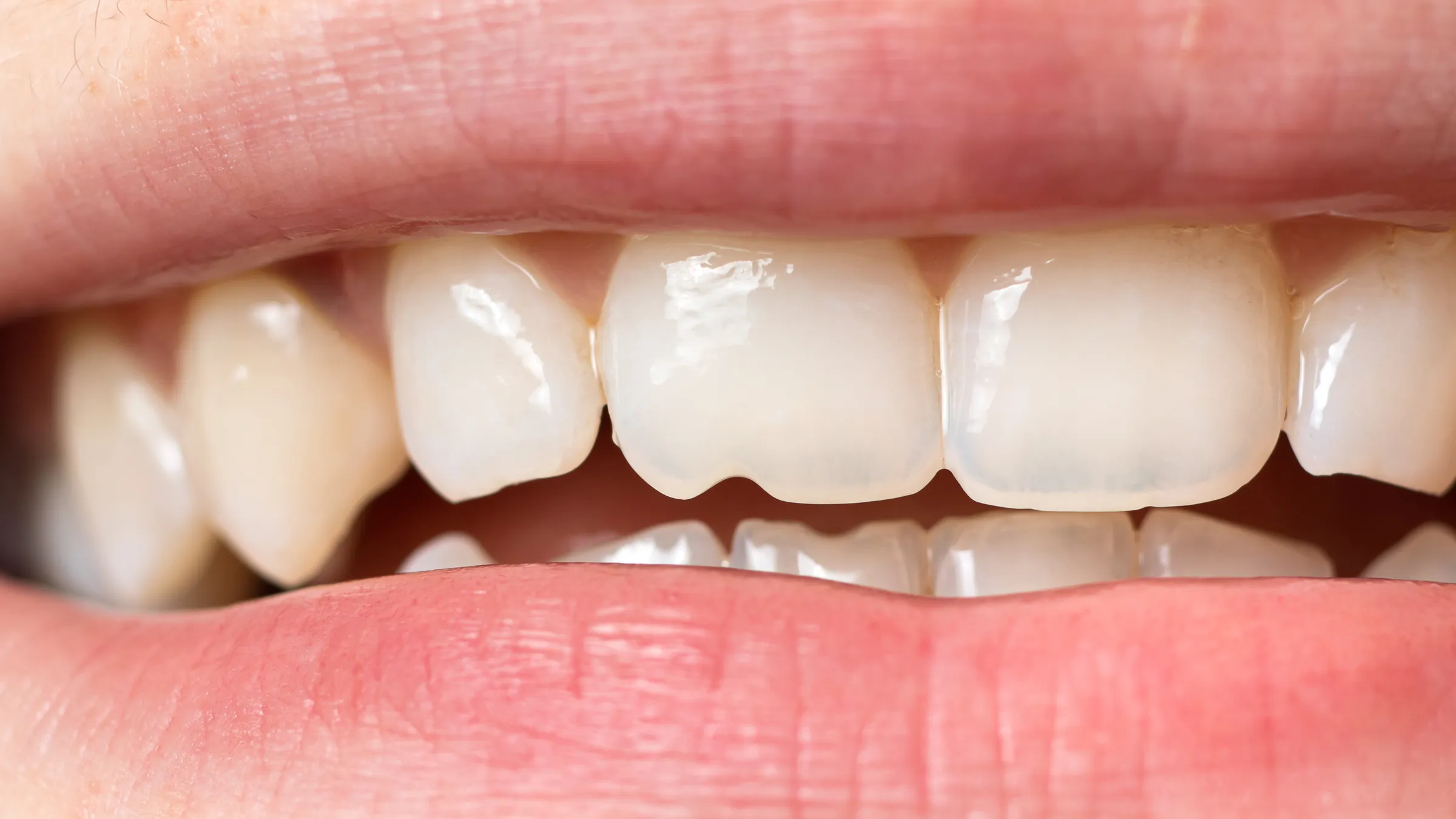
The Link Between Teeth Whitening and Sensitivity
Teeth whitening is a popular cosmetic dental procedure that aims to brighten your smile. While it can effectively remove stains and discoloration, many people experience temporary tooth sensitivity as a side effect. Understanding the connection between teeth whitening and sensitivity is crucial for making informed decisions about your oral health. The active ingredients in whitening products, primarily hydrogen peroxide or carbamide peroxide, are designed to penetrate the enamel and break down staining molecules. This process, however, can also affect the tooth’s internal structure, leading to sensitivity. This article explores the science behind this sensitivity, common causes, and effective management strategies, providing you with the knowledge to achieve a brighter smile while minimizing discomfort. The goal is to illuminate the process and provide helpful tips to help you make an informed decision.
The Science Behind Tooth Sensitivity
Tooth sensitivity occurs when the inner layer of the tooth, the dentin, becomes exposed. Dentin contains microscopic tubules that lead to the tooth’s nerve center. When these tubules are stimulated by hot, cold, sweet, or acidic substances, they can trigger a painful response. In the context of teeth whitening, the whitening agents can penetrate the enamel and reach the dentin. This can irritate the nerves within the tooth, causing temporary sensitivity. The degree of sensitivity varies depending on factors such as the concentration of the whitening agent, the duration of the treatment, and the individual’s natural tooth structure. Individuals with pre-existing sensitivity or thinner enamel may experience more pronounced effects. Understanding this process is key to managing and mitigating any discomfort associated with teeth whitening, as this knowledge will help you to take steps to reduce its impact.
How Whitening Agents Work

Teeth whitening products use chemicals, usually hydrogen peroxide or carbamide peroxide, to break down stains on the teeth. These active ingredients work by oxidizing the stain molecules within the enamel. The process involves the peroxide molecules penetrating the porous enamel and reacting with the discolored organic compounds, effectively bleaching them. The higher the concentration of the active ingredient, the faster and more effective the whitening process, but also the greater the potential for sensitivity. Whitening strips, gels, and professional treatments all utilize these agents, but with varying concentrations and application methods. The effectiveness and the potential for sensitivity are largely determined by the formula strength and the duration of exposure to the teeth, and the specific procedure. Knowing the methods used and the impact on the enamel can help in making informed decisions and choosing the right methods to whiten your teeth.
Why Whitening Can Cause Sensitivity
Sensitivity from teeth whitening is primarily due to the way the whitening agents interact with the tooth structure. The peroxide molecules, while breaking down stains, can also pass through the enamel and irritate the nerves within the dentin. This irritation can result in the characteristic sharp, shooting pains associated with sensitivity. Additionally, the whitening process can dehydrate the teeth, making them more vulnerable to external stimuli. The temporary nature of this sensitivity is because the tooth’s natural defenses will gradually restore the natural hydration levels. Other factors contributing to sensitivity include the concentration of the whitening agent, the duration of exposure, and individual tooth characteristics such as existing micro-cracks or thin enamel. Understanding these contributing factors allows for better management and the selection of appropriate whitening methods that minimize discomfort. Proper care during and after the process can significantly mitigate the intensity of the sensitivity.
Top 5 Facts About Teeth Whitening & Sensitivity
Fact 1 The Most Common Culprit

The most common culprit behind teeth sensitivity from whitening is the hydrogen peroxide or carbamide peroxide present in the whitening agents. These chemicals, when penetrating the enamel, can irritate the nerves in the teeth, resulting in sensitivity. The higher the concentration of the peroxide, the more likely and intense the sensitivity will be. Over-the-counter products usually have lower concentrations compared to professional treatments. This means that while at-home kits may be less effective, they typically cause less sensitivity. Professional treatments often provide more immediate and dramatic results, but the elevated peroxide levels can lead to more significant discomfort. Therefore, understanding the concentration levels of the whitening agent is a crucial step in managing and anticipating potential sensitivity issues. Choosing the correct methods, with a professional guiding, can make the whole process safe and effective.
Fact 2 Sensitivity Isn’t Permanent
A key fact to remember is that the sensitivity caused by teeth whitening is typically temporary. The discomfort usually subsides within a few days to a week after the whitening treatment is completed or paused. This is because the tooth’s natural defenses, including remineralization processes and saliva, work to restore the tooth’s natural state. The tubules that cause the sensitivity will close off, reducing the nerve stimulation. However, it’s important to follow the dentist’s instructions and use desensitizing products as recommended to speed up the recovery process. In some cases, the sensitivity can persist longer, especially with high-concentration treatments or individuals with pre-existing sensitivity. Knowing that the effect is usually temporary can give you peace of mind and encourage you to endure any initial discomfort, knowing relief is on the way and help you in the recovery time.
Fact 3 Products to Consider
Several products can help manage and reduce teeth sensitivity during whitening. Desensitizing toothpaste, containing ingredients like potassium nitrate or stannous fluoride, helps block the tubules in the dentin, reducing nerve stimulation. Using these toothpastes for a few weeks before and during the whitening process can significantly minimize sensitivity. Fluoride treatments, whether applied at home or by a dentist, can strengthen enamel and reduce sensitivity. Over-the-counter pain relievers like ibuprofen can provide relief from any discomfort. Furthermore, certain whitening products are specifically formulated to minimize sensitivity, often with lower concentrations of peroxide or added desensitizing agents. Consulting with your dentist to determine the best products for your specific needs is crucial to achieve effective whitening with minimal discomfort. The careful use of these products will help you to achieve your goal and keep your teeth healthy.
Fact 4 Sensitivity Levels Vary

The degree of teeth sensitivity experienced during whitening varies greatly from person to person. Several factors influence this, including the concentration of the whitening agent, the duration of the treatment, and individual tooth characteristics. People with pre-existing sensitivity, thin enamel, or receding gums may experience higher levels of discomfort. The method of whitening also plays a role; in-office treatments often use higher concentrations, which can lead to more intense sensitivity. At-home kits may cause less sensitivity, but they require more time to achieve results. Understanding your own sensitivity level and the factors that might affect it is crucial. Consider your tooth sensitivity history and any existing dental conditions. Discussing these factors with your dentist helps you in choosing the most appropriate whitening method and helps manage expectations.
Fact 5: Consult Your Dentist
Before undergoing any teeth whitening procedure, it’s essential to consult your dentist. A dental professional can assess your oral health, identify any potential issues that might worsen sensitivity, and recommend the most suitable whitening method. Your dentist can also provide customized advice on managing sensitivity, including recommending desensitizing toothpaste or in-office fluoride treatments. They can also determine if you are a good candidate for whitening in the first place. For example, people with untreated cavities or gum disease should address these issues before whitening. A dentist can also guide you on the correct use of whitening products and help you to prevent damage. Regular dental check-ups are important to ensure the safety and effectiveness of your whitening treatment. Consulting a professional is key to achieving optimal results.
Managing and Reducing Sensitivity
Choosing the Right Whitening Method

Selecting the appropriate teeth whitening method is essential for minimizing sensitivity. Consider the concentration of the whitening agent, the duration of treatment, and the overall method. In-office treatments, while providing immediate results, often use higher concentrations of peroxide and may cause more sensitivity. At-home kits, including strips, gels, and trays, typically use lower concentrations, resulting in less sensitivity but requiring more time for results. For those with sensitive teeth, it is recommended to begin with lower-concentration products and gradually increase them. The dentist can also recommend options like professional-strength treatments done at home under their supervision, which provides a balance between effectiveness and comfort. Consider the lifestyle and the sensitivity levels before choosing the method. This way, it will be possible to achieve the desired results without the discomfort of sensitivity.
Tips for Sensitive Teeth
Several strategies can help to manage and reduce tooth sensitivity during teeth whitening. Using desensitizing toothpaste containing potassium nitrate or stannous fluoride for at least two weeks before whitening and continuing during treatment can help block the tubules in the dentin, reducing nerve stimulation. Applying fluoride treatments, whether at home or in a dentist’s office, can strengthen enamel and reduce sensitivity. Avoiding foods and drinks that are extremely hot or cold during treatment can also minimize discomfort. Consider using a straw for cold beverages to bypass the front teeth. If sensitivity is severe, take breaks from whitening or reduce the duration of each treatment. Consult your dentist, who may suggest a prescription-strength fluoride rinse or other specialized treatments. Implementing these strategies will help to reduce the impact and improve the quality of the treatment.
What to Avoid
To minimize sensitivity during teeth whitening, certain substances and habits should be avoided. Refrain from consuming highly acidic foods and drinks, such as citrus fruits, soda, and vinegar-based dressings, as these can exacerbate sensitivity. Avoid abrasive toothpastes and hard-bristled toothbrushes, as they can erode enamel and worsen sensitivity. During treatment, avoid any habits that could further dehydrate your teeth, such as excessive mouth breathing or smoking. Avoid the use of whitening products if you have untreated dental issues such as cavities or gum disease. These conditions can increase sensitivity and make the whitening process painful. Following these guidelines will help you to minimize any side effects from teeth whitening.