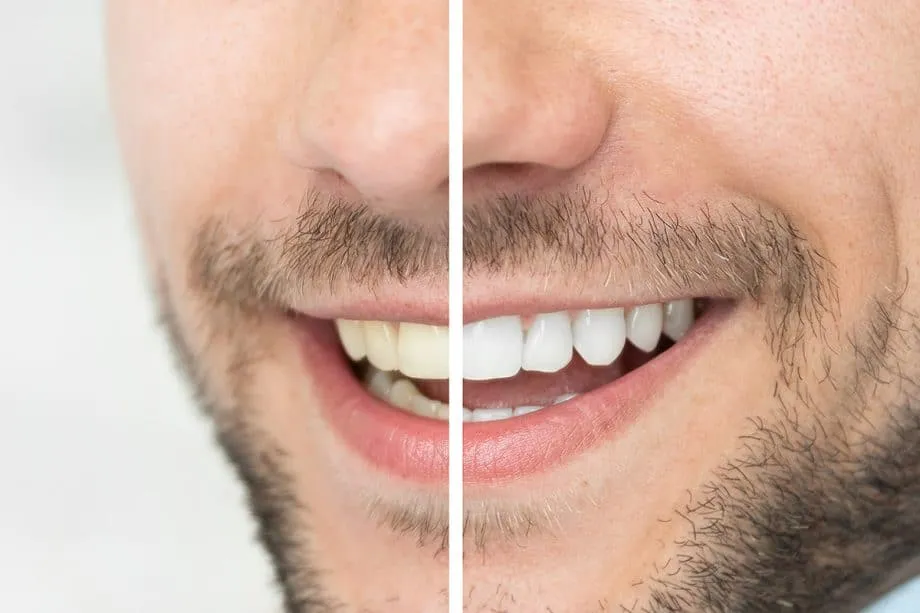
What are Teeth Whitening Strips?
Teeth whitening strips have become a popular over-the-counter solution for achieving a brighter smile. These thin, flexible strips are coated with a whitening agent, typically a peroxide-based compound, designed to adhere to the surface of your teeth. They are easy to use, readily available, and often more affordable than professional whitening treatments. The convenience and accessibility of these strips have made them a go-to choice for many individuals seeking a quick and relatively inexpensive way to enhance their dental aesthetics. This article delves into the effectiveness of teeth whitening strips, exploring their mechanisms, benefits, potential drawbacks, and how they compare to other whitening options.
The Science Behind Teeth Whitening Strips
The science behind teeth whitening strips revolves around the chemical reaction of the whitening agent with the stains on your teeth. The primary active ingredient in most whitening strips is hydrogen peroxide or carbamide peroxide. These peroxides break down into oxygen molecules, which penetrate the enamel and dentin of your teeth. These oxygen molecules then react with the stain molecules, breaking them down into smaller, less visible components. This oxidation process effectively lightens the color of the teeth. The effectiveness of this process depends on several factors, including the concentration of the peroxide, the duration of application, and the type and severity of the stains. Understanding the science behind these strips helps in appreciating their functionality and limitations.
Key Ingredients in Whitening Strips

The efficacy of teeth whitening strips largely depends on the active ingredients they contain. Hydrogen peroxide and carbamide peroxide are the workhorses of the whitening process. Hydrogen peroxide is a stronger, more direct whitening agent, while carbamide peroxide breaks down into hydrogen peroxide and urea, providing a slower but sustained release of the whitening agent. Besides these, strips may also include ingredients like glycerin, which acts as a humectant to maintain the strip’s moisture and flexibility, and sodium hydroxide, used to adjust the pH level. Other components such as flavorings and adhesives are also present to enhance user experience and ensure the strip adheres properly to the teeth surface. The concentration of the active ingredient is a key determinant of how quickly and effectively the strips work, with higher concentrations typically leading to faster results, but also potentially increasing the risk of sensitivity.
How Do Teeth Whitening Strips Work?
Teeth whitening strips work by adhering to the surface of your teeth and delivering the whitening agent directly to the enamel. After applying the strip according to the product instructions, the active ingredient, typically hydrogen peroxide or carbamide peroxide, starts to penetrate the enamel. As the peroxide molecules come into contact with the discolored molecules causing stains, a chemical reaction breaks the stain molecules into smaller particles. This process effectively lightens the overall color of the teeth. The length of time the strips remain on the teeth varies by product, as does the concentration of the whitening agent. Regular use, as directed, gradually reduces the appearance of stains and brightens the teeth, often resulting in a noticeable improvement in the overall appearance of the smile. It’s crucial to follow the application instructions carefully to maximize the effectiveness and minimize any potential side effects.
Step-by-Step Application Guide
Using teeth whitening strips correctly is essential for achieving optimal results. Begin by brushing your teeth gently, but avoid using toothpaste. Open the whitening strip packet and remove the strip, handling it with clean, dry hands. Carefully apply the strip to your upper teeth, aligning it with your gum line and pressing gently to ensure full contact with the tooth surface. Repeat this process with the lower teeth. Ensure the strips are applied correctly, avoiding any contact with your gums. Leave the strips on for the recommended time, which varies by product. After the allotted time, remove the strips and dispose of them properly. Rinse your mouth with water to remove any remaining whitening agent. For the best results, follow this procedure daily, as directed on the product packaging. Avoid eating, drinking, or smoking during the application period. Consistency and adherence to the instructions are key to achieving a brighter, whiter smile.
Factors Affecting Effectiveness

Several factors can influence the effectiveness of teeth whitening strips. The type and severity of the stains on your teeth play a significant role; extrinsic stains, which are surface stains caused by food and drinks, tend to respond better than intrinsic stains, which are deeper stains within the tooth structure. The concentration of the whitening agent in the strips also matters; higher concentrations may produce quicker results but can also increase the likelihood of side effects. The duration of treatment and consistency of use, adhering to the product’s recommended application schedule, is another key factor. Individual tooth enamel composition can also affect the outcome, as some teeth may naturally whiten more easily than others. Lifestyle choices, such as smoking and consumption of staining foods or drinks, can counteract the effects of whitening strips, necessitating more frequent or longer treatments. Finally, the overall oral health and presence of existing dental work, like fillings or crowns, can impact the whitening process, as strips only whiten natural teeth.
Type of Stains and Their Impact
Understanding the types of stains affecting your teeth is important for managing expectations about the effectiveness of teeth whitening strips. Extrinsic stains, typically caused by coffee, tea, wine, and smoking, are on the surface of the enamel and generally respond well to whitening treatments. These stains can often be lightened relatively quickly with consistent use of whitening strips. Intrinsic stains, on the other hand, originate from within the tooth structure itself. These can be caused by factors such as aging, certain medications, or dental trauma. Intrinsic stains are usually more challenging to remove and may require more intensive treatments, such as professional whitening or other cosmetic procedures. Knowing the type of stains you have can help you choose the right whitening method and determine realistic expectations for the results. Consulting with a dentist can help identify the type of stains and recommend the most suitable treatment plan.
Lifestyle Choices and Staining
Your lifestyle choices significantly impact the color of your teeth. Certain habits and dietary habits can lead to increased staining, which can reduce the effectiveness of teeth whitening strips or necessitate more frequent treatments. Smoking and tobacco use are major contributors to teeth discoloration, as nicotine and tar readily stain the enamel. Frequent consumption of staining foods and drinks, like coffee, tea, red wine, and dark-colored berries, also contribute to staining. The acidity of these beverages can erode the enamel, making it easier for stains to penetrate. Poor oral hygiene, including infrequent brushing and flossing, allows stains to accumulate. Regularly practicing good oral hygiene and limiting the consumption of stain-causing substances can help you maintain the results of your teeth whitening treatments and prevent future discoloration. Being mindful of your lifestyle can extend the life of your brighter smile.
Whitening Strip vs Professional Whitening

Teeth whitening strips offer a convenient and accessible option, but professional whitening treatments provided by dentists often deliver more dramatic and longer-lasting results. Professional whitening uses a higher concentration of whitening agents, typically hydrogen peroxide, and is often combined with specialized light or laser technology to accelerate the whitening process. This can result in several shades of improvement in a single session, compared to the gradual changes seen with whitening strips. Professional treatments are also supervised by a dental professional, ensuring the safety of your teeth and gums and allowing for personalized care and addressing any existing dental issues. While whitening strips are more cost-effective, professional whitening offers superior results, particularly for stubborn stains or deeply discolored teeth. The choice between the two depends on individual needs, the severity of the staining, budget, and personal preference.
Advantages of Using Teeth Whitening Strips
Teeth whitening strips offer several advantages that make them a popular choice for many. Firstly, they are highly accessible and available over-the-counter, meaning no dental appointment is required. This convenience saves time and allows you to whiten your teeth at your own pace. Secondly, whitening strips are typically more affordable than professional whitening treatments, making them a budget-friendly option. They are also easy to use, requiring a simple application process that can be incorporated into your daily routine. Whitening strips are effective for many types of surface stains, often producing noticeable results within a few days or weeks of consistent use. Moreover, they are portable and can be used anywhere, providing a discreet and easy way to maintain a brighter smile. For those seeking a convenient, affordable, and effective way to whiten their teeth, whitening strips present a compelling option.
Disadvantages of Using Teeth Whitening Strips
Despite their many advantages, teeth whitening strips also have several potential disadvantages. They may not be as effective for intrinsic stains, which are deeper stains within the tooth structure, as they are for surface stains. The results can vary, and the degree of whitening achieved may not be as dramatic as with professional treatments. Another disadvantage is that whitening strips can cause tooth sensitivity and gum irritation in some users, particularly those with sensitive teeth or gums. The whitening process may not be uniform, leading to uneven whitening or streaks if the strips are not applied correctly. Additionally, the effects of whitening strips are not permanent, and the results can fade over time, necessitating ongoing maintenance or repeated treatments. Whitening strips also do not work on existing dental work, such as crowns or fillings, so these will remain the same color as before the treatment. These drawbacks highlight the importance of considering all factors when choosing a teeth whitening method.
Potential Side Effects and Risks

While generally safe when used as directed, teeth whitening strips can have potential side effects and risks. Tooth sensitivity is a common side effect, which may manifest as a temporary increase in sensitivity to hot or cold foods and beverages. Gum irritation or inflammation is another possible issue, particularly if the whitening agent comes into contact with the gums. Some users may experience mild discomfort or a burning sensation in the mouth. In rare cases, overuse or misuse of whitening strips can lead to more severe complications, such as enamel damage. If you have pre-existing dental conditions, such as cavities or gum disease, whitening strips may exacerbate these issues. Always follow the product instructions carefully, and consult a dentist if you experience any adverse effects. It’s also important to note that whitening strips are not recommended for pregnant or breastfeeding women without consulting a healthcare professional.
Best Practices for Using Whitening Strips
To maximize the effectiveness and minimize the risks associated with teeth whitening strips, it’s essential to follow best practices. Always read and adhere to the product instructions carefully. Brush your teeth gently before applying the strips, but avoid using toothpaste immediately beforehand. Apply the strips evenly, ensuring good contact with the teeth surfaces. Avoid contact with your gums to prevent irritation. Use the strips consistently, as directed, for the recommended duration to achieve optimal results. If you experience sensitivity, consider using a toothpaste designed for sensitive teeth, and take breaks between treatments if necessary. Avoid eating, drinking (except water), or smoking while the strips are in place. Consider consulting with your dentist before starting the treatment, especially if you have sensitive teeth or pre-existing dental conditions. Regular dental check-ups and good oral hygiene practices will also help maintain a bright and healthy smile. Following these guidelines can help you safely and effectively use teeth whitening strips.
Tips for Maximizing Results
To get the most out of your teeth whitening strips, consider the following tips. Prepare your teeth by brushing them gently before application, but avoid using a toothpaste that could create a barrier. Apply the strips correctly, ensuring they adhere well to the tooth surface and do not overlap onto the gums. Use the strips consistently, as directed, to see the best results. Be patient, as it may take several days or weeks to achieve your desired level of whitening. Combine the use of whitening strips with good oral hygiene habits, including brushing twice a day and flossing regularly. Reduce the consumption of staining foods and beverages, such as coffee, tea, and red wine, during and after treatment. Consider using a whitening toothpaste or mouthwash as part of your daily routine to help maintain the results. If you experience sensitivity, use a toothpaste designed for sensitive teeth, and consider taking breaks between treatments. Regular dental check-ups can also help maintain your bright smile.
Alternatives to Teeth Whitening Strips

If teeth whitening strips do not meet your needs, several alternatives are available. Over-the-counter whitening products include whitening toothpastes, which contain mild abrasives and whitening agents, and whitening mouthwashes, which can help remove surface stains and freshen breath. Whitening gels and trays, another option, are similar to strips but involve applying a whitening gel to custom-fitted trays. Professional whitening treatments, performed by a dentist, offer more dramatic results and may use stronger whitening agents and specialized light or laser technology. Dental veneers, which are thin shells of porcelain or composite material, can be placed over the teeth to correct discoloration and improve the smile’s overall appearance. Dental bonding, a less invasive alternative to veneers, involves applying a tooth-colored resin to the teeth to cover stains and imperfections. The choice of alternatives depends on individual needs, the severity of the discoloration, and personal preferences, as well as consultation with a dental professional.
Maintaining Your Brighter Smile
Maintaining a brighter smile after using teeth whitening strips involves a combination of good oral hygiene practices and lifestyle choices. Brush your teeth twice daily with a whitening toothpaste or a toothpaste designed to maintain whiteness. Floss daily to remove plaque and debris, which can contribute to staining. Limit the consumption of staining foods and beverages, such as coffee, tea, red wine, and dark-colored berries. Rinse your mouth with water or a whitening mouthwash after consuming staining foods or drinks. Avoid smoking and tobacco products, as they are major contributors to teeth discoloration. Schedule regular dental check-ups and professional cleanings to remove any surface stains and maintain your oral health. Consider touch-up treatments with whitening strips or other whitening products as needed to keep your smile bright. Following these steps will help you enjoy your whiter teeth for a longer period.