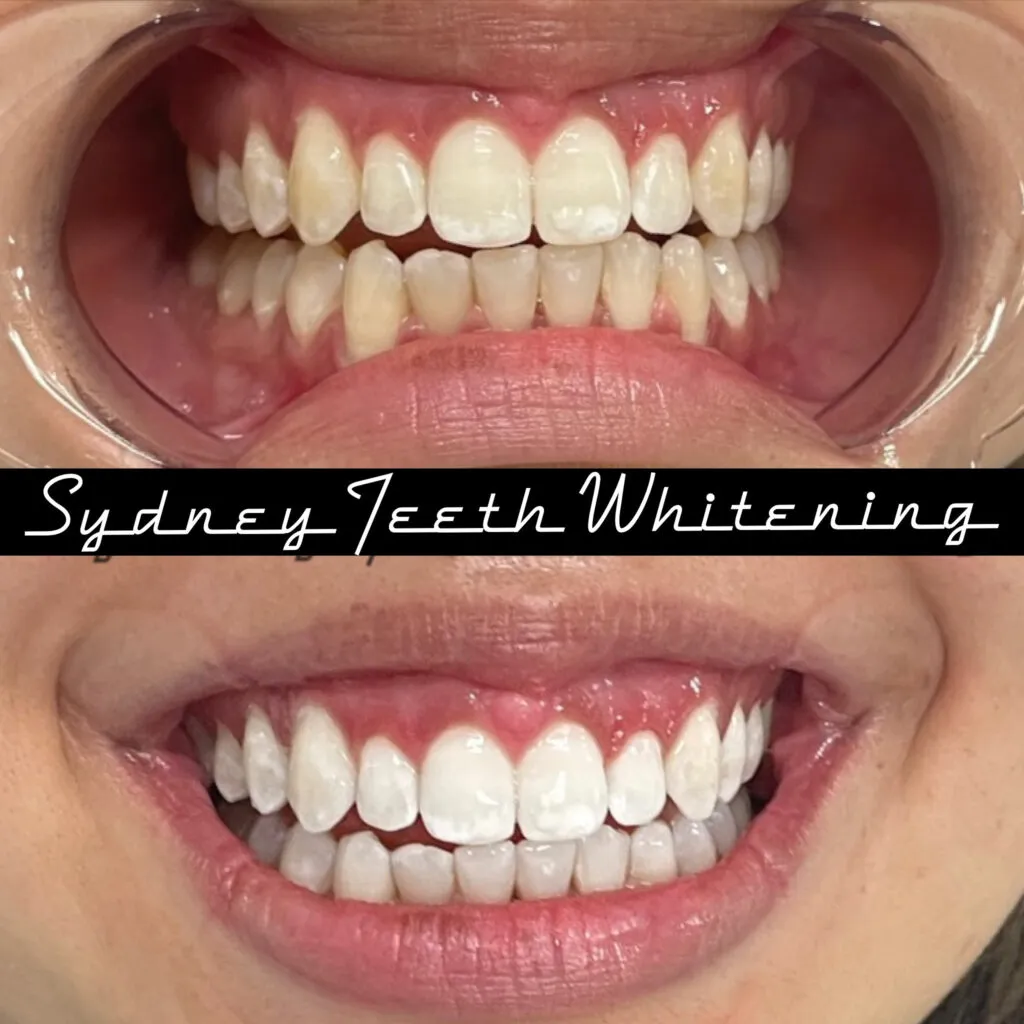
The Mystery of Whitening Strips Pain
Teeth whitening strips are a popular way to achieve a brighter smile, but unfortunately, they aren’t always a painless experience. Many users experience tooth sensitivity or even outright pain after using these strips. Understanding why teeth hurt after using whitening strips is crucial for anyone considering or currently using them. This article delves into the most common causes of this discomfort, offering insights and solutions to help you maintain both a dazzling smile and healthy teeth. We will explore the various factors that contribute to this pain, from the ingredients in the strips to pre-existing conditions of your teeth, and guide you on how to alleviate and possibly prevent this issue. Remember, while a white smile is desirable, oral health is paramount, and understanding the potential downsides is essential.
Sensitivity Explained
Tooth sensitivity is the most common complaint when using whitening strips. This occurs because the active ingredients, typically hydrogen peroxide or carbamide peroxide, penetrate the enamel and reach the dentin, which contains microscopic tubules that lead to the nerve center of the tooth. These chemicals can irritate the nerves, causing temporary sensitivity. The degree of sensitivity varies from person to person, depending on factors such as the thickness of the enamel, the presence of any existing dental issues, and the concentration of the whitening agent. It’s important to note that this sensitivity is usually temporary, subsiding within a few days after you stop using the strips or reduce the frequency of use. However, for some, the discomfort can be significant, making it necessary to take proactive steps to manage or prevent the sensitivity.
Enamel Erosion and Sensitivity

Enamel erosion, where the protective outer layer of the tooth wears away, significantly increases sensitivity. If your enamel is thin or already compromised due to factors like acidic foods, aggressive brushing, or underlying health conditions (like acid reflux), the whitening agents in the strips have an easier pathway to the dentin and the nerves, intensifying the pain. Regular dental check-ups are vital to assess the condition of your enamel before starting any whitening treatment. Dentists can provide personalized advice based on your oral health and suggest ways to strengthen your enamel, such as using fluoride-containing toothpaste or undergoing professional fluoride treatments. Maintaining a healthy diet and avoiding excessive consumption of acidic foods and drinks can also help protect your enamel and reduce sensitivity during teeth whitening.
Chemical Irritation The Culprit
The chemical composition of whitening strips can directly cause irritation. The high concentration of bleaching agents, even if within the recommended levels, can irritate the soft tissues of the mouth, including the gums and the inner lining of the cheeks. This irritation isn’t necessarily a sign of an allergic reaction but rather a direct effect of the chemicals on the sensitive tissues. If the strips come into contact with these areas for extended periods, they can cause inflammation, leading to pain and discomfort. Therefore, it’s crucial to follow the instructions carefully and avoid letting the strips touch the gums. You can also look for strips with lower concentrations of the active ingredient or those designed with a more gentle formulation, specifically created to minimize irritation.
Gum Irritation and Whitening Strips
Gum irritation is a common side effect of teeth whitening strips. The chemicals can cause the gums to become inflamed and tender, which can make the teeth feel more sensitive as well. The proximity of the whitening agent to the gum line can lead to localized inflammation, resulting in redness, swelling, and sometimes even bleeding. To mitigate this, make sure to apply the strips correctly, ensuring they don’t overlap onto the gums. Rinsing your mouth with water after each use can also help remove any lingering chemicals that might irritate the gums. If you experience significant gum irritation, you may consider taking a break from the whitening strips or switching to a product with a lower concentration of the active ingredient. Consulting your dentist can provide further guidance and ensure that your gums remain healthy during the teeth whitening process.
Pre-existing Dental Issues

If you have pre-existing dental conditions such as cavities, gum disease, or receding gums, using whitening strips can exacerbate the pain. These issues can make your teeth more vulnerable to the chemicals in the strips, leading to increased sensitivity and discomfort. Cavities expose the inner layers of the tooth, allowing the whitening agents to penetrate deeper and cause more irritation. Gum disease can cause gum recession, exposing the sensitive roots of your teeth. Before starting any teeth whitening treatment, it’s essential to address any dental problems. A dental check-up can identify and treat these issues, ensuring that your teeth are healthy and prepared for the whitening process. Your dentist may recommend treatments such as fillings, root canals, or gum disease therapy to prevent the whitening strips from causing additional pain or complications.
Cracked or Chipped Teeth
Cracked or chipped teeth can be particularly sensitive to whitening strips. These imperfections in the tooth’s surface create pathways for the whitening agents to seep into the inner layers of the tooth, irritating the nerves and causing pain. Even small cracks, invisible to the naked eye, can be problematic. If you have any cracks or chips, the whitening process can worsen the sensitivity and lead to prolonged discomfort. It’s essential to get these issues addressed by a dentist before attempting to whiten your teeth. The dentist might recommend filling the cracks or chips to prevent the chemicals from causing pain and to protect the inner structure of your teeth. Addressing these issues beforehand can help ensure a more comfortable and effective teeth whitening experience.
How to Reduce Whitening Strip Pain
Choosing the Right Strips

Not all whitening strips are created equal. The concentration of the active ingredient (hydrogen peroxide or carbamide peroxide) varies among different brands and products. If you are prone to sensitivity, opt for strips with a lower concentration. Many brands offer ‘sensitive’ versions designed to minimize discomfort. Read reviews and compare products before making a purchase, and if possible, consult your dentist for recommendations. Consider professional teeth whitening treatments as a safer alternative, as they are often less likely to cause significant sensitivity. Choosing a product that aligns with your individual sensitivity level can significantly reduce the chance of pain.
Application Techniques
Correct application is crucial to minimize pain. Follow the instructions carefully to ensure that the strips are properly applied and that they do not overlap onto the gums. Avoid brushing your teeth immediately before using the strips, as this can make your teeth more sensitive. Consider using a barrier like petroleum jelly along your gum line to protect the gums from the whitening agent. Ensure the strips are applied correctly, covering only the teeth surfaces. Overlapping the strips onto the gums can lead to irritation and increased sensitivity. Proper application can significantly reduce discomfort and help you achieve a brighter smile with minimal pain.
The Power of Patience
If you experience pain or sensitivity, it’s best to take a break from using the whitening strips. Give your teeth and gums time to recover. Reduce the frequency of use, using the strips every other day or every few days instead of daily. Shortening the duration of the treatment can also help. Instead of using the strips for the full recommended time, consider reducing the application time to just a few minutes. Gradual whitening can be more effective and less painful. The key is to be patient and listen to your body. Avoid rushing the process, as quick results are often accompanied by increased sensitivity. Taking breaks and adjusting your usage can significantly improve your comfort during the teeth whitening process.
Sensitivity Toothpaste

Using sensitivity toothpaste can offer significant relief. These toothpastes contain ingredients like potassium nitrate or stannous fluoride, which help block the tubules in the dentin and reduce nerve sensitivity. Start using sensitivity toothpaste a couple of weeks before you begin using whitening strips and continue to use it throughout the whitening process. This can help desensitize your teeth and minimize discomfort. Ensure you brush gently, avoiding any aggressive scrubbing that could further irritate your gums or teeth. Regular use of sensitivity toothpaste, combined with proper brushing techniques, can greatly reduce pain and make the teeth whitening experience more comfortable. (Image of sensitive-toothpaste.webp)
When to See a Dentist
While some sensitivity is normal, if the pain is severe, persistent, or accompanied by other symptoms such as bleeding gums or significant inflammation, it’s crucial to consult your dentist. The dentist can assess your oral health, identify any underlying issues, and provide appropriate treatment. They can also offer professional advice on teeth whitening and recommend alternative methods that may be less painful for you. If your pain is caused by an undiagnosed dental problem, delaying a visit to the dentist could worsen the condition. Therefore, don’t hesitate to seek professional help if your teeth hurt after using whitening strips. Your dentist can provide solutions and ensure the health of your teeth and gums. (Image of dentist-visit.webp)
In conclusion, while teeth whitening strips can be an effective way to achieve a brighter smile, it’s essential to understand the potential for pain and sensitivity. By understanding the causes of this discomfort, choosing the right products, applying them correctly, and taking proactive steps to manage sensitivity, you can enjoy a whiter smile without unnecessary suffering. Always prioritize your oral health, and don’t hesitate to consult your dentist if you experience any persistent or severe pain. Achieving a beautiful smile shouldn’t come at the expense of your dental health.