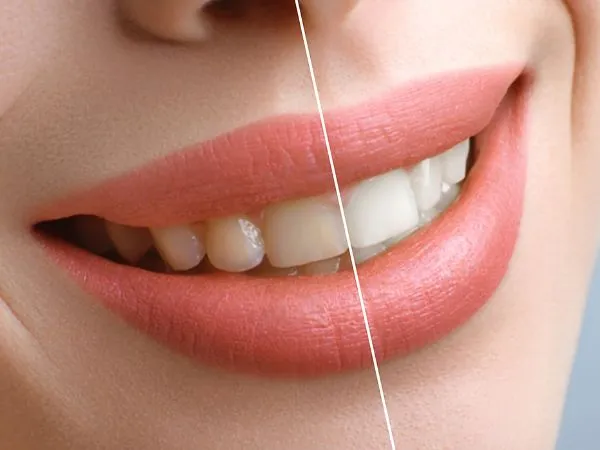
Understanding Teeth Whitening Different Types
Achieving a brighter smile is a common goal, and teeth whitening has become a popular cosmetic dental procedure. But with the wide array of options available, from professional treatments to over-the-counter products and natural remedies, understanding the different types of teeth whitening is crucial to making an informed decision. This guide will explore the top 5 teeth whitening options, providing insights into their effectiveness, pros and cons, and suitability for different individuals. Whether you’re considering in-office whitening or exploring at-home solutions, this article will help you navigate the world of teeth whitening and choose the best approach for your unique needs and goals. Remember to always consult with a dental professional before starting any teeth whitening treatment to ensure it is safe and appropriate for your specific oral health condition.
Professional Teeth Whitening
Professional teeth whitening, typically performed in a dentist’s office, offers the most dramatic and immediate results. This method involves using a high-concentration bleaching agent, usually hydrogen peroxide, that is applied to the teeth. The dentist will often use a special light or laser to activate the bleaching agent and accelerate the whitening process. This is generally the most effective way to whiten teeth, capable of lightening them several shades in a single visit. The entire procedure is carefully monitored by a dental professional, minimizing the risk of gum irritation or other side effects. However, professional whitening is typically more expensive than at-home options, but the results are often worth the investment for those seeking a significant and rapid improvement in their smile. Professional whitening is a great solution for those with significant discoloration or those who want a guaranteed result.
In-Office Whitening

In-office whitening, the cornerstone of professional treatments, provides the quickest and most impactful results. This method, performed by a dentist, uses a powerful bleaching agent, often containing a high concentration of hydrogen peroxide. The dentist carefully applies the whitening solution to the teeth, ensuring that the gums are protected. A special light or laser is then used to activate the bleaching agent, enhancing its effectiveness. The entire process typically takes about an hour, and patients can often see an immediate improvement of several shades. The in-office environment allows the dentist to closely monitor the patient’s comfort and address any sensitivity promptly. This option is ideal for individuals who desire immediate results and are looking for the most effective teeth whitening solution.
Types of In-Office Whitening
Different in-office whitening systems may vary slightly. Some use a light-activated system, where a specific wavelength of light enhances the bleaching process. Other systems may use a laser or a chemical activator. Your dentist will choose the system best suited for your needs and the degree of staining. Regardless of the specific method, in-office whitening ensures professional application and close monitoring, making it the most reliable and powerful option. The cost of in-office whitening depends on the dentist and the specific product used, but the results and the assurance of professional care make it a worthwhile investment for many individuals seeking a brighter smile. The type of in-office whitening procedure used depends on the severity of the staining on your teeth.
At-Home Whitening
At-home whitening options offer a more convenient and affordable alternative to professional treatments. These products, often prescribed or recommended by a dentist, involve custom-fitted trays filled with a bleaching solution. The patient wears the trays for a specified amount of time each day, usually for a few hours or overnight. The bleaching agent in these trays is typically less concentrated than what is used in-office, but still effective over time. At-home whitening allows for gradual whitening, which can be more comfortable for individuals with sensitive teeth. Regular use of at-home whitening trays under the guidance of a dentist can lead to noticeable improvements in tooth color, making it a popular choice for maintaining a bright smile. Remember to follow your dentist’s instructions carefully when using at-home whitening trays.
Over-the-Counter Whitening Products

Over-the-counter (OTC) whitening products are readily available at most drugstores and supermarkets, providing accessible solutions for those looking to brighten their smiles. These products offer a convenient and cost-effective way to whiten teeth, but they generally provide less dramatic results than professional treatments. OTC options include whitening toothpastes, strips, gels, and trays, each with varying levels of effectiveness and ease of use. While these products are generally safe when used as directed, it is crucial to follow the instructions carefully to avoid potential side effects, such as tooth sensitivity or gum irritation. Consulting with a dentist before using OTC whitening products is always recommended, especially if you have existing dental work or sensitive teeth. These products are great starting points and for maintaining results.
Whitening Toothpastes
Whitening toothpastes are a popular choice for daily use, primarily because they are easy to incorporate into your regular oral hygiene routine. These toothpastes contain mild abrasives and chemicals that help to remove surface stains, such as those caused by coffee, tea, and tobacco. They work by gently scrubbing away stains from the enamel, resulting in a brighter appearance. While whitening toothpastes can contribute to overall tooth whitening, they do not significantly change the underlying color of your teeth. The effects are often subtle and may take several weeks to become noticeable. Look for toothpastes that contain ingredients like hydrogen peroxide or baking soda for enhanced whitening effects. Whitening toothpastes are a useful addition to your routine but should not be considered a primary whitening method.
Whitening Strips and Gels
Whitening strips and gels are another popular OTC option, offering a more concentrated whitening effect compared to toothpastes. These products typically contain a thin strip coated with a bleaching agent, which is applied directly to the teeth for a specific amount of time, usually twice a day for about 30 minutes. Whitening gels are applied to the teeth using a brush or a custom-fitted tray. They contain a higher concentration of the bleaching agent compared to toothpastes, leading to more noticeable results. The effectiveness of whitening strips and gels can vary depending on the concentration of the bleaching agent and the duration of use. These products are generally safe when used as directed, but it’s important to follow the instructions carefully to avoid tooth sensitivity or gum irritation. Always consult with a dentist if you have concerns.
Whitening Trays

Over-the-counter whitening trays are similar to the at-home whitening trays prescribed by dentists, but they are not custom-fitted. These trays are pre-formed and designed to fit a variety of mouth shapes. They come with a whitening gel that is applied to the tray before insertion. The user then wears the tray for a specified amount of time, as directed by the product’s instructions. OTC whitening trays often offer a more concentrated whitening solution than whitening strips or toothpastes, leading to more noticeable results. However, the fit of the tray may not be as precise as custom-fitted trays, which can lead to uneven whitening or potential gum irritation. Carefully read the product instructions and be mindful of any sensitivity while using OTC whitening trays.
Natural Teeth Whitening Methods
For those seeking a more natural approach, several home remedies can help brighten teeth. These methods often involve using ingredients found in your kitchen, aiming to gently remove surface stains and improve the overall appearance of your smile. While natural remedies can be a cost-effective alternative to professional treatments, it’s important to be aware that their effectiveness may vary, and results may not be as dramatic. Additionally, some natural methods may cause potential harm if used improperly. Consulting with your dentist is essential before trying any natural teeth whitening methods to ensure they are safe and suitable for your teeth.
Coconut Oil Pulling
Coconut oil pulling is an ancient Ayurvedic practice that involves swishing coconut oil in your mouth for about 15-20 minutes. The oil is believed to help remove bacteria, plaque, and stains from the teeth. While there is limited scientific evidence to support the teeth-whitening claims, some users report a noticeable improvement in the brightness of their teeth and overall oral health. To perform oil pulling, take a tablespoon of coconut oil and swish it around your mouth, making sure to reach all areas. Spit out the oil and rinse your mouth with water after the recommended time. This practice is generally considered safe and can be incorporated into your daily oral hygiene routine. Coconut oil pulling is a gentle method, so be patient to see any effect.
Baking Soda and Hydrogen Peroxide

Baking soda and hydrogen peroxide are often combined to create a whitening paste. Baking soda acts as a mild abrasive that helps to remove surface stains, while hydrogen peroxide acts as a mild bleaching agent. To use this method, mix a small amount of baking soda with hydrogen peroxide to create a paste. Brush your teeth with the paste for about two minutes, and then rinse your mouth thoroughly. Use this method once or twice a week to avoid potential enamel erosion. While baking soda and hydrogen peroxide can contribute to teeth whitening, overuse can be harmful. Always consult with your dentist before using this method and pay close attention to your teeth’s sensitivity.
Important Considerations Choosing Teeth Whitening
When choosing teeth whitening treatments, it’s important to consider several factors to ensure you make the best decision for your needs. The first and most important consideration is your oral health. Schedule a consultation with your dentist to assess your overall dental health. They can determine if teeth whitening is appropriate for you, as it may not be recommended for individuals with certain dental conditions, such as cavities, gum disease, or sensitive teeth. Other factors to consider are your budget, the desired level of whitening, and the time commitment required. Evaluate the pros and cons of each teeth whitening option, and choose the method that aligns with your goals and lifestyle. Always follow the instructions carefully and consult with your dentist throughout the process to ensure a safe and effective teeth whitening experience. Prioritize your oral health and remember that professional guidance is key to achieving a brighter, healthier smile.