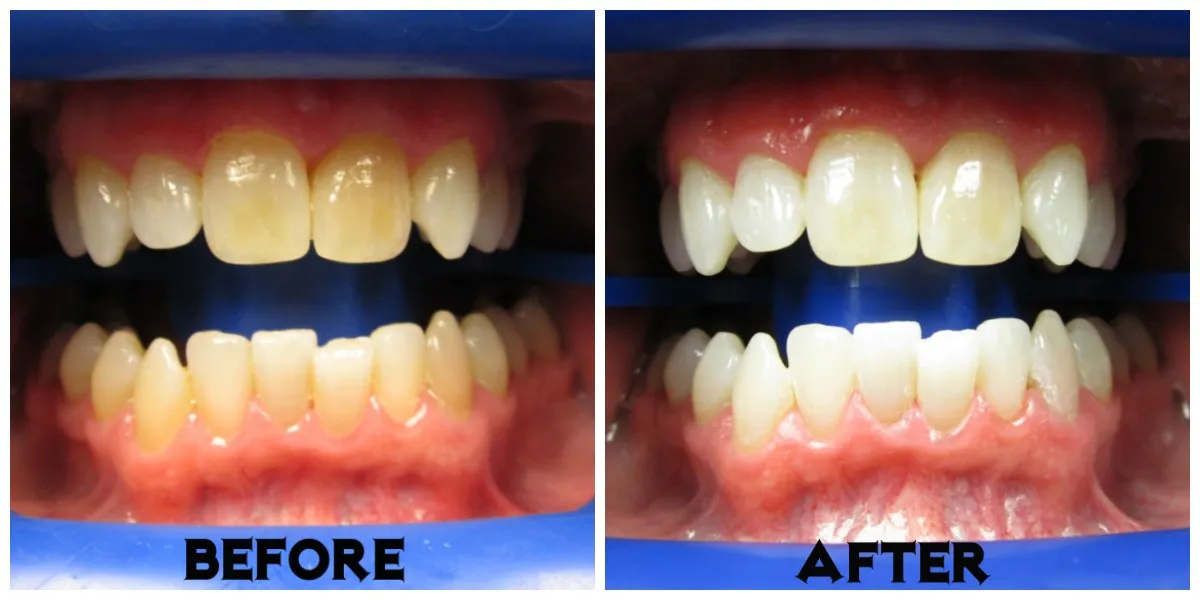
Understanding Tooth Pain After Zoom Whitening
Zoom whitening, a popular in-office teeth whitening procedure, offers a significantly brighter smile in a short amount of time. However, some individuals experience tooth pain after the procedure. This discomfort can range from mild sensitivity to more intense, sharp pain. Understanding the potential causes of this pain is crucial for managing it effectively and ensuring a comfortable experience. This article will delve into the top five causes of tooth pain after Zoom whitening, providing insights into why it happens and how you can alleviate the discomfort. It’s important to remember that while tooth pain is common, it’s usually temporary and manageable with the right strategies.
Sensitivity after Zoom Whitening
One of the most frequent causes of tooth pain after Zoom whitening is increased tooth sensitivity. The whitening process involves the use of a strong bleaching agent, typically hydrogen peroxide, which penetrates the enamel and dentin of the teeth. This process can temporarily make the teeth more porous, exposing the nerve endings and leading to sensitivity. This sensitivity often manifests as a sharp, shooting pain when consuming cold or hot foods and drinks. The intensity of sensitivity varies from person to person, but it typically subsides within a few days to a couple of weeks as the teeth remineralize and the nerve endings become less exposed.
Enamel Microcracks and Tooth Pain

Another factor that can contribute to tooth pain is the presence of microscopic cracks in the enamel. While these cracks may not be visible to the naked eye, the bleaching agent can penetrate them, irritating the underlying nerves and causing pain. Individuals with pre-existing microcracks in their enamel may experience more significant sensitivity after Zoom whitening. The whitening process itself can sometimes exacerbate these minor imperfections, leading to increased discomfort. Regular dental check-ups can help identify and address enamel issues before undergoing teeth whitening, potentially minimizing the risk of pain. This underscores the importance of consulting with your dentist before any teeth whitening procedure.
Gum Irritation and Pain
Gum irritation can also be a source of pain following Zoom whitening. During the procedure, the bleaching agent can come into contact with the gums, causing inflammation and sensitivity. This is particularly true if the gums are not adequately protected during the whitening process. Symptoms of gum irritation can include redness, swelling, and tenderness. While dentists take precautions to shield the gums, some exposure is inevitable. Using a soft-bristled toothbrush and avoiding irritating foods and drinks can help soothe the gums and reduce discomfort. The use of a fluoride rinse can also aid in healing and reducing sensitivity in both the teeth and gums.
Pre-Existing Dental Conditions
Individuals with pre-existing dental conditions, such as cavities, exposed root surfaces, or gum disease, may experience more intense pain after Zoom whitening. The whitening process can exacerbate these issues, leading to increased sensitivity and discomfort. For instance, if a cavity is present, the bleaching agent can penetrate the decayed area, causing pain. Similarly, exposed root surfaces, which lack the protective enamel, are highly susceptible to sensitivity. It’s essential to address any underlying dental problems before undergoing teeth whitening to minimize the risk of pain and ensure a successful outcome. Consulting with your dentist for a thorough examination is the best first step.
Impact of the Whitening Agent
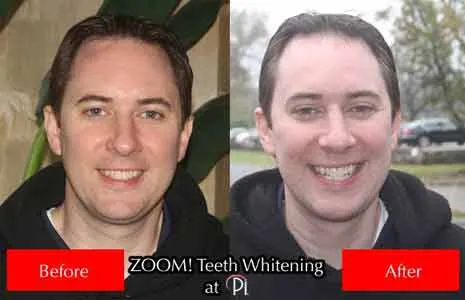
The concentration of the bleaching agent, typically hydrogen peroxide, plays a significant role in the intensity of tooth pain. Higher concentrations of hydrogen peroxide can lead to increased sensitivity and discomfort. Dentists carefully control the concentration of the bleaching agent used in Zoom whitening to balance effectiveness with patient comfort. They also use techniques like multiple applications and breaks in the process to minimize potential side effects. Discussing your sensitivity level with your dentist before the procedure and during the process is crucial. They can adjust the treatment to minimize discomfort while still achieving the desired whitening results. This is why an experienced and qualified dental professional is important.
How Zoom Whitening Works
Zoom whitening employs a powerful bleaching agent, usually hydrogen peroxide, activated by a special light. This light helps to accelerate the whitening process, allowing for dramatic results in a short timeframe. The hydrogen peroxide breaks down into oxygen molecules, which penetrate the enamel and dentin, breaking apart the stain molecules and lightening the tooth color. The process typically involves applying the whitening gel multiple times over a session, with each application lasting for a few minutes. The procedure is performed in a dental office, ensuring professional care and monitoring. Understanding how the process works can help you anticipate the potential side effects, such as sensitivity.
The Role of Hydrogen Peroxide
Hydrogen peroxide is the active ingredient in most teeth whitening treatments, including Zoom whitening. It’s a powerful oxidizing agent that effectively removes stains and discoloration from the teeth. The concentration of hydrogen peroxide used in Zoom whitening is generally higher than that found in over-the-counter whitening products, resulting in faster and more significant results. However, this higher concentration can also increase the likelihood of tooth sensitivity. The dentist’s role is to carefully control the concentration and application of the hydrogen peroxide to balance effectiveness with patient comfort. It is important to remember that the effectiveness is only performed on natural teeth, not on crowns or fillings.
The Zoom Whitening Procedure

The Zoom whitening procedure typically begins with a dental cleaning to remove any surface stains or plaque. The dentist then applies a protective gel to the gums to prevent irritation. The whitening gel is applied to the teeth, and a special light is used to activate the gel. The process may be repeated several times during a single session, and the entire procedure usually takes about an hour. After the procedure, the dentist may provide instructions on how to manage any sensitivity, such as using desensitizing toothpaste. Following these instructions and attending all follow-up appointments are vital for a comfortable experience and optimal results.
Preventing and Managing Tooth Pain
There are several strategies to prevent and manage tooth pain after Zoom whitening. Your dentist may recommend using desensitizing toothpaste for a couple of weeks before the procedure to reduce sensitivity. Avoiding extremely hot or cold foods and drinks for a few days after the treatment can also help. Following the dentist’s instructions carefully is essential, including any recommendations for pain relief or aftercare. It’s also important to maintain good oral hygiene, including regular brushing and flossing. If the pain persists or worsens, it’s crucial to contact your dentist for further evaluation and treatment. Proactive measures can significantly enhance comfort during and after the procedure.
Desensitizing Toothpaste for Relief
Desensitizing toothpaste contains ingredients like potassium nitrate or stannous fluoride, which help to block the nerve signals that cause pain. Using desensitizing toothpaste a few weeks before and after Zoom whitening can significantly reduce tooth sensitivity. These toothpastes work by plugging the tiny tubules in the dentin that lead to the nerve endings, reducing the transmission of pain signals. Your dentist may recommend a specific brand of desensitizing toothpaste and provide instructions on how to use it effectively. Consistent use of desensitizing toothpaste, along with following other aftercare instructions, is a key step in managing tooth pain after the whitening process. It can provide long-term relief from sensitivity.
Over-the-Counter Pain Relievers

Over-the-counter pain relievers, such as ibuprofen (Advil, Motrin) or acetaminophen (Tylenol), can help manage mild to moderate tooth pain after Zoom whitening. These medications can reduce inflammation and alleviate discomfort. It’s essential to follow the dosage instructions on the product label and consult with your dentist or healthcare provider if you have any questions or concerns. Avoid taking pain relievers on an empty stomach, and be aware of any potential side effects. While these medications can provide temporary relief, they don’t address the underlying cause of the pain. They are meant to be used as a short-term solution while your teeth adjust after the whitening procedure.
Professional Dental Care Advice
Your dentist is the best resource for managing tooth pain after Zoom whitening. They can provide personalized advice based on your specific situation and dental health. They may recommend specific desensitizing products or suggest other treatments to alleviate discomfort. Regular dental check-ups and professional cleanings are crucial to maintaining good oral health and minimizing the risk of pain. Your dentist can also assess the condition of your teeth before the whitening procedure and address any underlying issues. Following their recommendations and attending all follow-up appointments are essential for a positive outcome. Don’t hesitate to contact your dentist if you have any concerns or if the pain persists.
When to Seek Professional Help
While some tooth pain after Zoom whitening is normal and temporary, it’s essential to know when to seek professional help. If the pain is severe, persistent, or worsening, you should contact your dentist immediately. Other signs that require professional attention include increased sensitivity, swelling, or any other unusual symptoms. Your dentist can assess the situation and determine if there are any underlying issues that need to be addressed, such as cavities or gum disease. Prompt intervention can prevent further complications and ensure your oral health. Your dentist will also be able to diagnose the cause of the pain and provide the appropriate treatment to bring relief and restore your oral health.