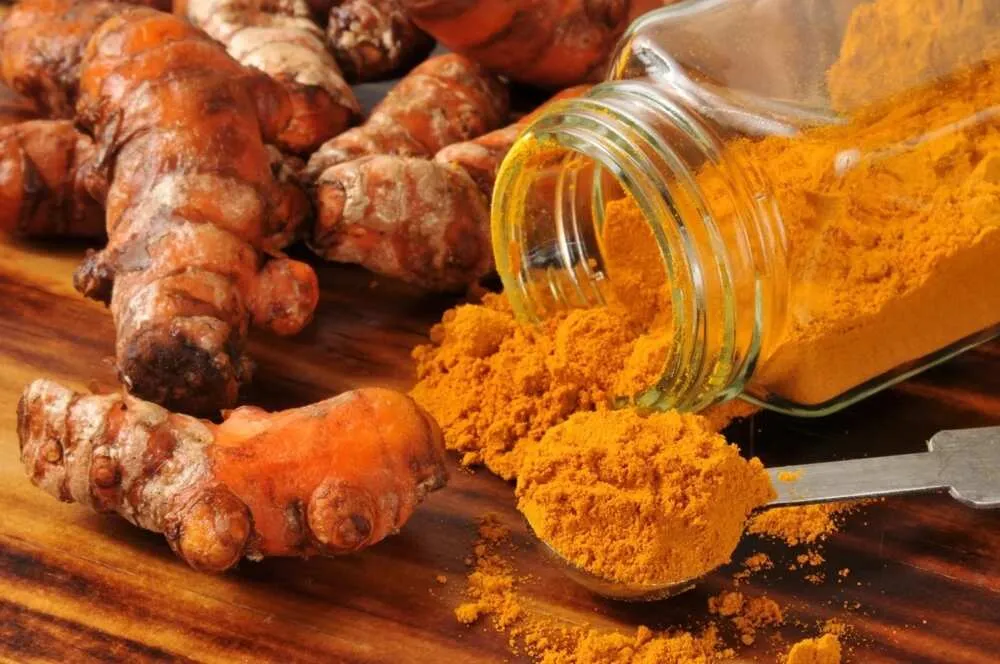
The Power of Turmeric Milk for Skin Whitening
In the quest for radiant, even-toned skin, many individuals are turning to natural remedies. Among these, turmeric milk, a golden concoction rooted in ancient traditions, has gained significant popularity. Known for its potent anti-inflammatory and antioxidant properties, turmeric, when combined with milk, offers a holistic approach to skincare. This article delves into the remarkable benefits of turmeric milk for skin whitening, exploring its mechanism of action, showcasing its proven advantages, and providing practical guidance on its preparation and usage.
What is Turmeric Milk and How Does it Work?
Turmeric milk, often referred to as ‘haldi doodh’ in Ayurveda, is a simple yet powerful beverage traditionally made with turmeric powder, milk (dairy or non-dairy), and sometimes a touch of sweetener like honey. The active compound in turmeric is curcumin, which is responsible for its vibrant color and numerous health benefits. Curcumin possesses strong antioxidant and anti-inflammatory properties that can help combat free radicals, reduce inflammation, and promote overall skin health. When consumed or applied topically, turmeric milk works by reducing melanin production, which is the pigment responsible for skin color, potentially leading to a brighter and more even skin tone.
The Benefits of Turmeric for Skin

Turmeric has been a cornerstone of Ayurvedic medicine for centuries, celebrated for its wide-ranging therapeutic effects. For the skin, turmeric offers a multitude of benefits. Its antioxidant properties help neutralize free radicals, protecting the skin from damage caused by environmental stressors such as UV radiation and pollution. Turmeric’s anti-inflammatory action can soothe irritated skin, reduce redness, and alleviate conditions like acne and eczema. Furthermore, turmeric can inhibit tyrosinase, an enzyme that plays a key role in melanin production, thus contributing to skin brightening and the reduction of hyperpigmentation. Regular use of turmeric can lead to a healthier, more radiant complexion, making it a valuable ingredient in natural skincare regimens. (Image: turmeric-skin-benefits.webp)
The Benefits of Milk for Skin
Milk, particularly when used topically, brings its own set of advantages to the skincare arena. Milk contains lactic acid, a gentle alpha-hydroxy acid (AHA) that acts as a natural exfoliant. Lactic acid helps remove dead skin cells, revealing a smoother and brighter complexion. The vitamins and minerals present in milk, such as vitamin A and calcium, nourish the skin, supporting cell regeneration and maintaining skin elasticity. Milk also has moisturizing properties, helping to hydrate the skin and reduce dryness. These combined effects make milk a beneficial ingredient for enhancing skin health and promoting a youthful glow. (Image: milk-skin-benefits.webp)
Top 5 Benefits of Turmeric Milk for Skin Whitening
Turmeric milk offers a synergistic blend of benefits that can significantly contribute to skin whitening and overall skin health. Here are five key advantages:
Benefit 1 Reduced Hyperpigmentation

One of the primary benefits of turmeric milk is its ability to reduce hyperpigmentation, which includes dark spots, age spots, and uneven skin tone. The curcumin in turmeric inhibits tyrosinase, an enzyme essential for melanin production. By reducing melanin, turmeric milk can help lighten dark areas of the skin, leading to a more uniform complexion. Regular use can significantly diminish the appearance of hyperpigmentation, promoting a brighter and more youthful skin appearance.
Benefit 2 Fading Dark Spots
Dark spots, often caused by sun damage, acne scars, or hormonal changes, can be a persistent cosmetic concern. Turmeric milk’s antioxidant and anti-inflammatory properties make it effective in fading these spots. By combating free radicals and reducing inflammation, turmeric helps heal the skin, leading to a reduction in the appearance of dark spots over time. The exfoliating action of milk can also contribute to the removal of dead skin cells, aiding in the fading process. (Image: turmeric-milk-before-after.webp)
Benefit 3 Evens Skin Tone
Uneven skin tone can result from various factors, including sun exposure, acne, and aging. Turmeric milk helps even out skin tone by addressing the underlying causes of discoloration. The anti-inflammatory properties of turmeric soothe irritated skin, while the antioxidants protect against further damage. The combined effect of these actions results in a more balanced complexion, where areas of hyperpigmentation are lightened, and the overall skin tone becomes more consistent. Consistent use of turmeric milk contributes to a smoother, more radiant skin appearance.
Benefit 4 Enhanced Glow

The use of turmeric milk can significantly enhance the skin’s natural glow. The antioxidants in turmeric fight against free radicals, which can cause the skin to look dull and tired. By protecting the skin from environmental damage and promoting healthy cell function, turmeric milk helps restore the skin’s natural radiance. The combination of turmeric’s brightening properties and milk’s moisturizing effect results in a luminous, healthy-looking complexion. Regular use of turmeric milk can leave the skin looking vibrant, refreshed, and glowing.
Benefit 5 Anti-Inflammatory Properties
The anti-inflammatory properties of turmeric are a cornerstone of its skincare benefits. Inflammation can exacerbate various skin issues, including acne, eczema, and redness. Curcumin, the active compound in turmeric, helps to reduce inflammation, calming irritated skin and promoting faster healing. By addressing inflammation, turmeric milk can alleviate symptoms of skin conditions, reduce redness, and contribute to a calmer, healthier complexion. This makes turmeric milk particularly beneficial for those with sensitive or easily irritated skin.
How to Use Turmeric Milk for Skin Whitening
Incorporating turmeric milk into your skincare routine is relatively simple, making it an accessible and effective natural remedy. Here’s how you can integrate it into your daily or weekly regimen:
Simple Turmeric Milk Recipe

Creating turmeric milk for skin whitening involves a few simple ingredients and steps. Here’s a basic recipe:
- Ingredients 1 cup milk (dairy or non-dairy), 1 teaspoon turmeric powder, a pinch of black pepper (to enhance curcumin absorption), and honey or sweetener to taste (optional)
- Instructions Heat the milk in a saucepan over medium heat. Add turmeric powder and a pinch of black pepper. Stir well to combine. If desired, add honey or sweetener to taste. Simmer for 5-7 minutes, stirring occasionally. Remove from heat and let it cool slightly before consuming or applying topically.
- Application For topical use, let the turmeric milk cool down to a comfortable temperature. Apply it to the skin using a cotton ball or your fingertips, focusing on areas with hyperpigmentation or uneven skin tone. Leave it on for 15-20 minutes, then rinse off with lukewarm water. Pat the skin dry and apply your regular moisturizer. (Image: turmeric-milk-recipe.webp)
Tips for Optimal Results
To maximize the benefits of turmeric milk for skin whitening, consider these tips:
- Consistency is Key: Regular use is essential. Apply turmeric milk daily or several times a week for best results.
- Patch Test: Before applying turmeric milk to your entire face or body, perform a patch test on a small area of skin to check for any allergic reactions.
- Sun Protection: Always use sunscreen when going outdoors, as turmeric can make the skin more sensitive to the sun.
- Combine with Other Treatments: For enhanced results, consider combining turmeric milk with other natural skincare treatments, such as honey masks or aloe vera.
- Internal Consumption: In addition to topical application, drinking turmeric milk can provide systemic benefits, promoting overall skin health from within.
Potential Side Effects and Precautions
While turmeric milk is generally safe for most people, it’s important to be aware of potential side effects and precautions:
- Allergic Reactions: Some individuals may be allergic to turmeric or milk. Conduct a patch test before widespread use.
- Staining: Turmeric can stain skin and clothing. Be careful when applying and rinse thoroughly.
- Digestive Issues: Consuming large amounts of turmeric may cause digestive issues in some individuals. Start with a small amount and gradually increase as needed.
- Medication Interactions: If you are taking any medications, consult with a healthcare professional before incorporating turmeric into your diet, as it may interact with certain drugs. (Image: turmeric-milk-side-effects.webp)
Conclusion

Turmeric milk offers a natural and effective way to promote skin whitening and overall skin health. With its potent antioxidant and anti-inflammatory properties, turmeric milk can reduce hyperpigmentation, fade dark spots, even skin tone, enhance the skin’s glow, and soothe irritated skin. By incorporating turmeric milk into your skincare routine and understanding its benefits, you can embrace a holistic approach to achieving a brighter, more radiant complexion. Remember to use it consistently, follow the recommended precautions, and enjoy the journey towards healthier, more luminous skin.