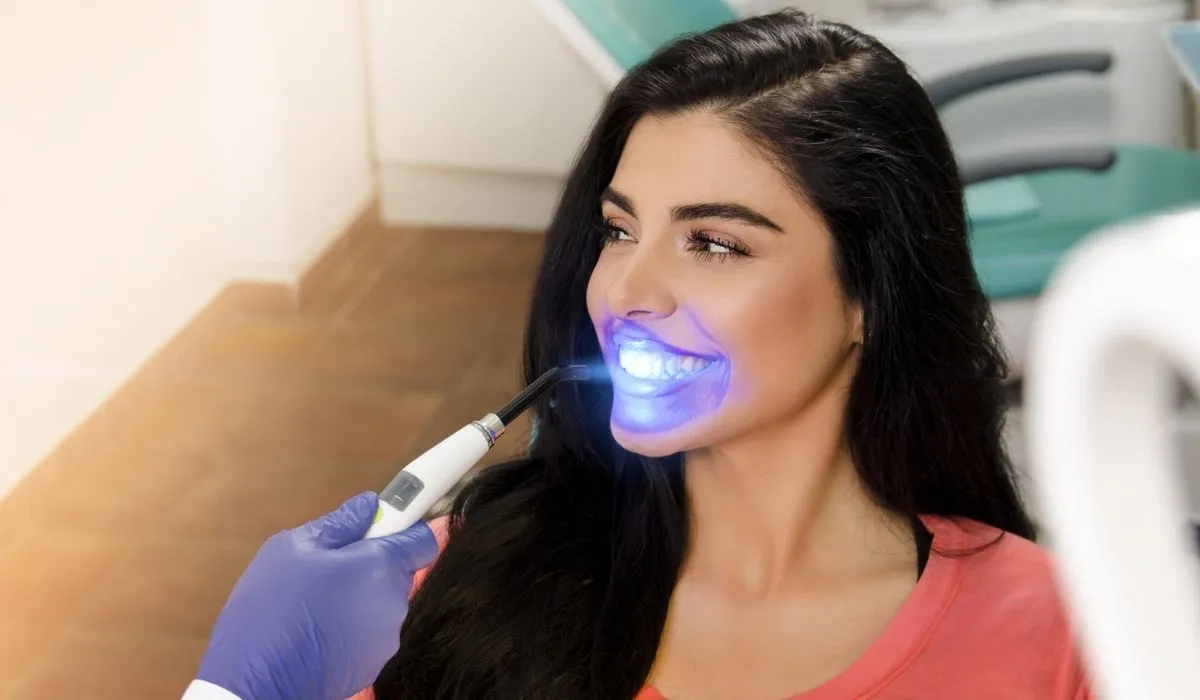
What is UV Teeth Whitening
UV teeth whitening, also known as light-activated teeth whitening, is a cosmetic dental procedure designed to brighten the appearance of your teeth. It typically involves applying a whitening agent, usually a hydrogen peroxide-based gel, to the surface of the teeth. This agent is then exposed to a special UV light. The UV light is intended to accelerate the whitening process, leading to quicker and potentially more dramatic results compared to other whitening methods. It is a popular choice for people seeking a quick and effective way to enhance their smiles, often used to address stains caused by coffee, tea, smoking, and aging. The procedure is often performed in a dental office by a trained professional, and may be offered in some spas as well.
How UV Teeth Whitening Works
The process of UV teeth whitening involves a few key steps. First, the dentist or technician will prepare your mouth by cleaning your teeth and protecting your gums and soft tissues, which can be sensitive to the whitening agent. The whitening gel is then applied to the surface of your teeth. The UV light is positioned close to your teeth, and it’s directed towards the applied gel. The light is usually kept on for a certain amount of time, which varies depending on the specific system used. The UV light activates the whitening agent, causing it to break down stains and discolorations on the enamel. The process is repeated until the desired level of whitening is achieved. After the treatment, your teeth will be rinsed and the protective measures removed, after which you will be able to see the results.
The Role of UV Light in Whitening

The primary function of the UV light in teeth whitening is to speed up the chemical reaction of the whitening agent. When hydrogen peroxide or other whitening agents are applied to the teeth, they release oxygen molecules. These oxygen molecules penetrate the enamel and break down the stain-causing compounds. The UV light is thought to catalyze this process, making it more efficient and potentially resulting in faster and more significant whitening. The light’s energy increases the activity of the whitening agent, which is believed to enhance the bleaching effect. The duration of the exposure to UV light, as well as the intensity, are carefully controlled by the dentist to minimize potential risks and ensure patient safety.
Fact 1 Safety of UV Light
One of the main concerns about UV teeth whitening revolves around the safety of UV light exposure. UV light is a form of electromagnetic radiation, and prolonged or excessive exposure to it can be harmful. The eyes and skin are particularly vulnerable. Therefore, it’s important to understand the potential risks and how to mitigate them. Dentists and technicians who perform UV teeth whitening are trained to take specific precautions to protect patients during the procedure. These safety measures are designed to minimize any potential risks and provide the best possible outcomes. Proper safety protocols include the use of protective eyewear for both the patient and the dental professional. These glasses prevent the UV light from damaging the eyes.
Potential Risks of UV Exposure
Exposure to UV light carries some risks, and it’s important to be aware of these. The most common side effects are related to skin and eye damage. Without proper protection, UV exposure can cause sunburn or other skin irritations. In the eyes, UV light can potentially cause corneal damage or increase the risk of cataracts. UV light can also dry out the lips and gums and may cause an increase in the sensitivity of the teeth, especially in people who already have sensitive teeth or gum issues. The whitening agent itself can also cause irritation or sensitivity. Some studies suggest a potential, although minimal, risk of cellular damage from UV radiation. Because of this, the use of UV light in cosmetic procedures requires careful monitoring and safety measures.
Protecting Your Mouth During Treatment

Several measures are taken during a UV teeth whitening procedure to protect the patient. Before the procedure, the dentist will typically examine the patient’s teeth and gums to assess their suitability for the treatment. Protective eyewear is essential for both the patient and the dental professional to shield their eyes from the UV light. A cheek retractor or lip protector is used to keep the mouth open and allow for better access to the teeth. The soft tissues of the mouth, including the gums, are protected by a rubber dam or a liquid barrier that prevents the whitening agent from coming into contact with them. After the treatment, the dentist will provide guidance on post-treatment care, such as avoiding staining foods and beverages. The goal of these measures is to make sure the patient’s experience is safe and that side effects are minimized.
Fact 2 Ingredients Used in UV Whitening
The primary active ingredient in most UV teeth whitening products is hydrogen peroxide or a derivative, such as carbamide peroxide. These chemicals act as bleaching agents, breaking down the stain-causing compounds in the enamel. The concentration of hydrogen peroxide varies, with professional treatments generally using higher concentrations than over-the-counter products. Other ingredients may include stabilizers, flavoring agents, and desensitizing agents to reduce sensitivity. Some products also include minerals like fluoride to strengthen the enamel. The specific formulation of the whitening gel is designed to maximize its effectiveness. The concentration of the active ingredient, combined with the time of exposure to the UV light, influences the whitening results.
Types of Whitening Agents
Whitening agents are available in different forms and concentrations. Hydrogen peroxide is the most common, and it’s used in various concentrations depending on the method. Carbamide peroxide is another frequently used agent. It breaks down into hydrogen peroxide and urea, which also contributes to the whitening effect. The concentration of the whitening agent impacts the speed and degree of whitening. Professional treatments usually use higher concentrations to achieve quicker results, while over-the-counter products have lower concentrations to be safer for unsupervised use. The choice of whitening agent and its concentration are carefully considered by the dentist or dental professional to achieve the desired results while minimizing the risk of side effects.
Sensitivity and Side Effects

Sensitivity is one of the most common side effects of UV teeth whitening. This can manifest as a sharp, temporary pain when exposed to hot, cold, or sweet foods and drinks. Some people may experience gum irritation, such as redness or swelling. In rare cases, more serious side effects can occur. These include tooth damage, gum disease, or allergic reactions. Patients with pre-existing dental issues, like cavities or gum disease, may experience more severe side effects. To reduce sensitivity, dentists may recommend using a desensitizing toothpaste for a few weeks before the treatment. They may also use fluoride treatments or apply desensitizing agents to the teeth during the procedure.
Fact 3 Effectiveness of UV Teeth Whitening
UV teeth whitening can be very effective in removing stains and brightening the teeth. The results can vary depending on several factors, including the type and severity of the stains, the concentration of the whitening agent, and the individual’s oral health. In most cases, the procedure can significantly improve the shade of the teeth, often by several shades. The level of improvement is usually measured using a shade guide. For some patients, UV teeth whitening offers more immediate and dramatic results than other methods. The speed of whitening, compared to other techniques, is one of the main advantages of UV light-activated procedures. However, it is important to have realistic expectations and understand that results are not always guaranteed to be perfect.
Results and Longevity
The longevity of the results from UV teeth whitening can vary. The effects typically last from several months to a few years. The duration depends on the patient’s lifestyle and oral hygiene habits. Factors that can impact how long the results last include the consumption of staining foods and beverages (coffee, tea, red wine), smoking, and regular oral hygiene practices. Some patients may require touch-up treatments to maintain their desired results. Good oral hygiene, including regular brushing and flossing, can help extend the lifespan of the whitening effect. Avoiding or reducing the consumption of staining substances, like coffee and tea, can also help. Some dentists may recommend a maintenance plan that includes the use of at-home whitening products.
Factors Influencing Whitening Success

Several factors influence the success of UV teeth whitening. The type and severity of the stains play a significant role. Surface stains, like those caused by coffee or tea, typically respond well to whitening. Intrinsic stains, which originate from within the tooth structure, can be more difficult to treat. The overall oral health of the patient is another important factor. Conditions such as cavities, gum disease, or damaged enamel may impact the effectiveness of the treatment. The concentration of the whitening agent also affects the results. Higher concentrations often lead to faster and more significant whitening, but they can also increase the risk of side effects. Adherence to aftercare instructions is critical for maintaining the results. The dentist’s experience and the quality of the equipment used also influence the outcome.
Fact 4 Regulation and Standards
The regulation of UV teeth whitening varies depending on the country and region. In the United States, the Food and Drug Administration (FDA) regulates dental devices and products. However, the FDA does not pre-approve teeth whitening products. Instead, products are subject to FDA regulations and must meet certain safety and labeling standards. The American Dental Association (ADA) plays a significant role in setting standards and providing recommendations for dental procedures. Dental professionals are expected to adhere to these standards. The regulation of UV teeth whitening is designed to ensure patient safety and effectiveness. It also helps maintain professional standards of care. Dental professionals are often required to have specific training and certifications to perform UV teeth whitening procedures.
FDA Guidelines and Approval
The FDA does not specifically approve UV teeth whitening systems. However, the agency does regulate the materials and devices used in these procedures. Products that are used in teeth whitening must comply with FDA regulations regarding labeling, manufacturing practices, and ingredient safety. The FDA’s role is to ensure that products are safe and that their labeling is accurate. Dental professionals are responsible for using products in accordance with the manufacturer’s instructions and following established safety protocols. While the FDA does not approve individual UV teeth whitening systems, it does regulate the components used in these procedures to minimize risks. This helps ensure that patients can receive safe and effective treatments.
Choosing a Reputable Provider

Choosing a reputable provider is crucial for a safe and effective UV teeth whitening experience. Start by checking the provider’s credentials and experience. Make sure that the dentist or technician is properly trained and licensed. Ask about the specific UV teeth whitening system they use, and research its safety and effectiveness. A reputable provider will conduct a thorough oral examination before the procedure to assess your suitability for the treatment. They will also discuss the potential risks and benefits with you. Look for reviews and testimonials from other patients to get an idea of their experience. The provider should be transparent about the procedure, including the cost, the expected results, and the aftercare instructions. They should also be willing to answer any questions you have. A good provider will prioritize your safety and oral health.
Fact 5 Alternatives to UV Teeth Whitening
If you’re concerned about the safety of UV teeth whitening or if it isn’t the right choice for your needs, there are several alternative teeth whitening methods available. These alternatives offer varying degrees of effectiveness and are often less invasive. Options range from over-the-counter products to professional treatments. The best choice will depend on your specific needs and preferences. Some people may opt for methods that are less intensive or more convenient, while others might prioritize the fastest possible results. It’s important to consider the pros and cons of each option. Consulting with a dentist can help you determine the best method for achieving the smile you want. It is vital to have a discussion with your dentist about the effectiveness and safety of the product.
Other Whitening Methods
Besides UV teeth whitening, several other methods are available to brighten your teeth. Over-the-counter options include whitening toothpaste, whitening strips, and whitening gels applied using a tray. These products typically contain lower concentrations of hydrogen peroxide, making them less effective but also generally safer for unsupervised use. Professional options include in-office whitening treatments using higher concentrations of bleaching agents. Some dentists offer customized take-home whitening kits. Another alternative is the use of porcelain veneers or dental bonding, which can cover up stains and reshape teeth. The choice of which method is most appropriate depends on the severity of the discoloration, the patient’s budget, and the desired results. Discussing your options with your dentist is essential.
Pros and Cons of Each Method

Each teeth whitening method has its own set of advantages and disadvantages. UV teeth whitening offers potentially fast results but may have more side effects and risks. Over-the-counter products are convenient and affordable but may deliver slower results and have limitations regarding the type of stains they can address. Professional in-office treatments are highly effective but can be more expensive. Porcelain veneers and dental bonding offer a long-term solution but are more invasive and can be costly. When considering these options, weigh the pros and cons carefully. Consider your budget, the time you are willing to invest, your tolerance for potential side effects, and the level of improvement you desire. Speaking with a dentist can help you make the most informed decision. This allows you to receive the best possible results and care for your teeth.