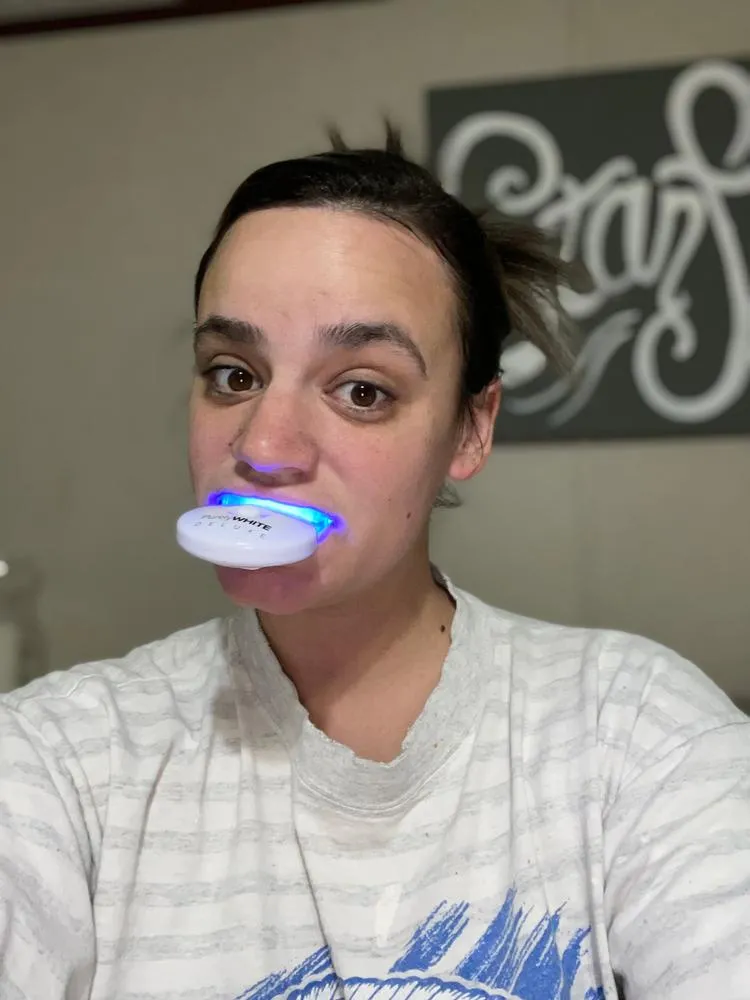
What is a White Teeth Whitening Kit
A white teeth whitening kit is a convenient and accessible way to brighten your smile from the comfort of your home. These kits typically contain products designed to remove stains and discoloration from the surface of your teeth, leading to a noticeably whiter appearance. The market offers a variety of options, each with different application methods, ingredients, and levels of effectiveness. Understanding the basics of these kits is the first step towards choosing the right one for your needs and achieving that sparkling smile you’ve always wanted. They are designed to address common issues such as stains from coffee, tea, wine, and other foods, helping you regain confidence in your smile and overall appearance. Choosing the right kit can significantly impact the results, so it’s essential to be well-informed.
Types of White Teeth Whitening Kits
The world of teeth whitening kits is diverse, offering a range of options to suit different preferences and needs. These kits generally utilize bleaching agents, most commonly hydrogen peroxide or carbamide peroxide, to lighten the color of your teeth. The concentration of these agents, along with the application method, determines the effectiveness and potential side effects of each kit. From simple and affordable strips to more comprehensive systems, understanding the types available is critical for making an informed choice. The right kit depends on your specific needs, the severity of your staining, and your overall oral health condition.
Whitening Strips

Whitening strips are one of the most popular and accessible options for teeth whitening. These thin, flexible strips are coated with a whitening gel and are designed to be applied directly to the teeth. They are easy to use, relatively inexpensive, and widely available in drugstores and online. The strips typically contain a lower concentration of peroxide, making them suitable for those with sensitive teeth. However, consistent use over several weeks is usually required to achieve noticeable results. Proper application is key; ensuring the strips fully adhere to the teeth for the recommended time is essential for optimal effectiveness. Additionally, it’s important to follow the instructions carefully to avoid any potential side effects, such as gum irritation.
Whitening Gels
Whitening gels often come in the form of trays that you fill with the whitening solution and then place over your teeth. These systems may be available over-the-counter, or they can be custom-made by your dentist for a more tailored fit. The advantage of custom trays is that they ensure even coverage and minimize the risk of the whitening agent coming into contact with your gums. Whitening gels typically contain a higher concentration of peroxide than strips, which can lead to faster results. However, this also increases the potential for sensitivity. The effectiveness of whitening gels depends on the concentration of the active ingredient, the duration of use, and the frequency of application. Always consult the instructions and, if possible, seek advice from a dental professional.
Whitening Toothpastes
Whitening toothpastes are a convenient way to incorporate teeth whitening into your daily oral hygiene routine. Unlike other methods, they are designed to remove surface stains through abrasive agents. These toothpastes often contain ingredients like silica or other polishing agents to gently scrub away stains. While they are effective at removing surface stains, whitening toothpastes do not typically change the intrinsic color of your teeth. They are most useful for maintaining a bright smile after professional whitening or using other whitening products. However, it’s important to use them in moderation as excessive abrasion can damage the enamel over time. Look for toothpastes with fluoride to protect your teeth from cavities.
Things to Consider Before Buying a Whitening Kit

Before embarking on your teeth whitening journey, it’s crucial to consider several factors to ensure the best possible results and minimize any potential risks. Assessing your current oral health, understanding the extent of staining, and being aware of potential sensitivities are essential steps. Additionally, always read the product instructions and consult with a dental professional if you have any concerns. These considerations will help you choose a whitening kit that is both effective and safe for your specific needs. Remember that the health of your teeth is paramount, and a well-informed decision is the first step towards a bright and healthy smile. The key is to balance your aesthetic goals with your overall oral health and well-being.
Your current teeth condition
Your current teeth condition is a critical factor when deciding on a teeth whitening kit. If you have existing dental work such as fillings, crowns, or veneers, the whitening treatment will not affect these restorations. This can lead to uneven results, where your natural teeth appear whiter than your dental work. Furthermore, individuals with gum disease, cavities, or other oral health issues should address these problems before attempting to whiten their teeth. A dentist can assess your oral health and advise whether whitening is appropriate. It’s essential to have a healthy foundation to achieve the best results and avoid any complications. This assessment ensures that any underlying issues are addressed before proceeding with whitening.
The level of staining
The severity and type of staining on your teeth will impact the effectiveness of a teeth whitening kit. Surface stains, caused by foods and drinks like coffee, tea, and red wine, are generally easier to remove. These types of stains often respond well to over-the-counter whitening products. However, intrinsic stains, which occur beneath the enamel, may require more aggressive treatment, such as professional whitening by a dentist. The level of staining also determines how long it may take to see results. Heavily stained teeth may require more frequent applications or a higher concentration of the whitening agent. Understanding the type and extent of staining helps you choose a product that is likely to be effective and achieve the desired results.
Teeth sensitivity

Teeth sensitivity is a common side effect of teeth whitening, as the whitening agents can temporarily make your teeth more sensitive to hot and cold temperatures. If you have sensitive teeth, it’s important to choose a whitening kit with a lower concentration of peroxide. Look for products specifically designed for sensitive teeth, and follow the instructions carefully to minimize discomfort. Using a toothpaste designed for sensitive teeth can also help reduce sensitivity during the whitening process. It is always a good idea to consult your dentist before starting any whitening treatment, especially if you have pre-existing sensitivity issues. They can recommend products and strategies to manage any discomfort and ensure a comfortable experience.
How to Use a White Teeth Whitening Kit for a Sparkling Smile
Using a white teeth whitening kit effectively involves several steps to ensure optimal results and minimize risks. From consulting with a dentist to following product instructions carefully, each step plays a crucial role in the process. Proper usage not only enhances the whitening effect but also protects your teeth and gums from potential damage. Always prioritize your oral health and safety throughout the process. A successful whitening experience is a combination of the right product and the right technique.
Step 1 Consult your dentist
Before using any teeth whitening kit, it’s essential to consult your dentist. They can assess your oral health, identify any potential issues such as cavities or gum disease, and determine if whitening is appropriate for you. Your dentist can also provide professional advice on the best whitening options based on your specific needs and sensitivity levels. They may recommend a professional cleaning before starting the whitening process to remove surface stains and enhance the effectiveness of the kit. Additionally, a dental check-up ensures that your teeth and gums are in good condition, which is crucial for the success and safety of any teeth whitening treatment. This consultation is an essential step to ensure a safe and effective whitening experience.
Step 2 Choose the right kit

Selecting the right teeth whitening kit depends on your individual needs and preferences. Consider factors such as the type of kit (strips, gels, or toothpaste), the concentration of the whitening agent, and your sensitivity level. If you have sensitive teeth, opt for a kit with a lower concentration of peroxide. Research different brands and read reviews to get an idea of their effectiveness and customer satisfaction. Your dentist can also provide recommendations based on your oral health assessment. Make sure the kit you choose is FDA-approved and comes with clear instructions. Choose the kit that best aligns with your goals and oral health needs.
Step 3 Follow the instructions
Carefully following the instructions provided with your teeth whitening kit is crucial for achieving the desired results and avoiding potential side effects. Each kit has specific instructions regarding application time, frequency, and any precautions to take. Adhering to these instructions ensures that the whitening agent is used correctly and effectively. Overusing the product or not following the guidelines can lead to increased sensitivity or gum irritation. Make sure to understand all the steps, from preparing your teeth to the duration of the treatment. If you have any questions or concerns, refer to the product information or contact your dentist.
Step 4 Maintain your results
Maintaining your sparkling white smile requires consistent care and attention. Avoid or limit consumption of staining foods and drinks, such as coffee, tea, red wine, and berries. Practicing good oral hygiene, including brushing twice a day and flossing daily, is essential to remove surface stains and prevent new ones from forming. Regular dental checkups and cleanings will help to keep your teeth looking their best and catch any potential issues early. You may also consider using a whitening toothpaste or touch-up treatments to maintain your results. By following these steps, you can enjoy a bright, confident smile for a long time.
Tips for Maximizing Your Whitening Results

Maximizing your teeth whitening results involves a combination of smart choices and consistent care. It’s not just about using the whitening kit; it’s about creating an environment that supports a bright, healthy smile. Paying attention to your diet, oral hygiene routine, and professional dental care can significantly enhance and prolong the effects of your whitening treatment. These tips will help you achieve and maintain a dazzling smile, boosting your confidence and overall well-being. A holistic approach will ensure lasting beauty and health for your teeth.
Avoid staining foods and drinks
Certain foods and drinks are notorious for staining teeth, and avoiding or limiting their consumption is key to maintaining your white smile. Coffee, tea, red wine, dark berries (like blueberries and blackberries), and soy sauce are common culprits. If you consume these items, try to rinse your mouth with water immediately afterward to minimize staining. Using a straw when drinking beverages like coffee or soda can help reduce contact with your teeth. Being mindful of your dietary choices and incorporating stain-fighting foods, like apples and celery, can significantly impact the longevity of your whitening results. This proactive approach ensures your smile remains vibrant and radiant.
Maintain good oral hygiene
Good oral hygiene is the cornerstone of a bright, healthy smile. Brushing your teeth at least twice a day with fluoride toothpaste helps remove plaque and surface stains. Flossing daily removes food particles and plaque from between your teeth, where your toothbrush can’t reach. Using mouthwash can further reduce bacteria and freshen your breath. Consider using a whitening toothpaste to enhance the brightness of your smile, but use it in moderation. Consistent oral hygiene practices not only maintain the whiteness of your teeth but also prevent cavities and gum disease, ensuring long-term oral health. A comprehensive oral hygiene routine will keep your smile healthy, bright, and confident.
Regular dental checkups

Regular dental checkups are vital for maintaining a white and healthy smile. During these visits, your dentist can assess your oral health, provide professional cleanings to remove any surface stains, and address any potential issues before they worsen. Regular cleanings can also enhance the effectiveness of your whitening treatment. They may also offer professional whitening options for maintaining or boosting your results. Additionally, your dentist can offer personalized advice on how to care for your teeth and gums, helping you maintain a bright smile for years to come. These appointments are an investment in your overall oral health and ensure you have the best possible smile.
Possible Side Effects and How to Manage Them
Teeth whitening kits, while effective, can sometimes cause side effects. The most common are teeth sensitivity and gum irritation. Understanding these potential issues and knowing how to manage them can help you have a more comfortable and successful whitening experience. It is important to consult with your dentist. They can provide personalized advice and recommendations tailored to your specific needs. It’s all about balancing your aesthetic goals with your overall oral health and well-being. Managing potential side effects allows you to enjoy the benefits of a whiter smile without compromising your comfort.
Sensitivity
Tooth sensitivity is a frequent side effect of teeth whitening. This occurs because the whitening agents can temporarily make your teeth more porous, allowing stimuli like hot or cold temperatures to reach the nerves more easily. To manage sensitivity, use a toothpaste designed for sensitive teeth, which contains ingredients like potassium nitrate to soothe the nerves. Consider taking breaks between whitening treatments to allow your teeth to recover. Your dentist may recommend using a fluoride treatment or a desensitizing agent before or after whitening. If sensitivity is severe, reduce the frequency or duration of your whitening treatments. Listening to your body and adjusting your whitening routine will help you manage any discomfort and keep your teeth healthy.
Gum irritation
Gum irritation is another potential side effect. This can occur if the whitening agent comes into contact with your gums. To prevent this, make sure your whitening strips fit properly and avoid any direct contact with your gums. With tray-based systems, be certain the trays fit snugly. If irritation occurs, stop using the product and consult your dentist. They might recommend using a desensitizing gel or a protective barrier to shield your gums. Using a mouthwash without alcohol can also help soothe irritated gums. Make sure the product is used as directed. Addressing gum irritation promptly is essential to ensure your whitening experience is comfortable and safe. Regular checkups can also help.
Alternatives to White Teeth Whitening Kits
While teeth whitening kits are popular, there are several alternatives to achieve a brighter smile. Professional teeth whitening, performed by a dentist, offers a more powerful and controlled treatment with immediate results. Another option is the use of dental veneers, which are thin shells bonded to the front of your teeth. Veneers can correct discoloration, as well as shape and alignment issues. The choice between these options depends on your needs, budget, and preferences. Consult your dentist to determine the best approach for a beautiful, confident smile. The ideal solution will be one that meets your cosmetic goals and ensures your long-term oral health.