Why Teeth Whitening Matters for a Brighter Smile
A bright, white smile is often associated with youth, health, and attractiveness. Teeth whitening has become increasingly popular as a cosmetic procedure to enhance the appearance of teeth and boost self-confidence. The journey to a brighter smile involves understanding the underlying causes of tooth discoloration, exploring effective whitening methods, and maintaining the results through proper care. This guide will explore different teeth whitening options and provide practical tips to help you achieve a dazzling smile.
Understanding the Causes of Tooth Discoloration
Tooth discoloration can be attributed to a variety of factors, both intrinsic (internal) and extrinsic (external). Understanding these causes is crucial for choosing the right whitening method. External stains affect the enamel surface, while internal stains affect the dentin, the inner layer of the tooth. Addressing the cause of the discoloration is a major step to a whiter and healthier smile. The color of the teeth varies greatly from person to person, and is a major impact on self-esteem.
Factors That Contribute to Stained Teeth

Several factors contribute to tooth discoloration. These include the aging process, in which the enamel thins, and the underlying dentin becomes more visible. Consumption of staining foods and beverages such as coffee, tea, red wine, and berries can also cause discoloration. Tobacco use, both smoking and chewing tobacco, is a major culprit. Poor oral hygiene, certain medications, and genetics also play a role. Addressing these factors will ensure you can maintain a bright smile and prevent potential stains.
The Impact of Diet on Tooth Color
Diet plays a significant role in the color of your teeth. Foods and beverages with high levels of tannins, such as tea and red wine, can easily stain teeth. Dark-colored foods like berries, soy sauce, and balsamic vinegar can also contribute to discoloration. Acidic foods can erode enamel, making teeth more susceptible to staining. Conversely, a diet rich in calcium and phosphorus strengthens enamel, promoting a whiter appearance. Maintaining a balanced diet with limited consumption of staining foods can help keep your smile bright.
Effective At-Home Teeth Whitening Methods
For those seeking a brighter smile without visiting a dentist, several at-home teeth whitening methods are available. These options offer convenience and affordability, but their effectiveness may vary. It’s essential to understand the ingredients, usage instructions, and potential side effects before starting any at-home whitening treatment. Consulting with a dentist can help you choose the most suitable option for your specific needs and ensure safe usage.
Whitening Toothpastes Do They Really Work?

Whitening toothpastes are a popular choice for enhancing tooth brightness. They typically contain mild abrasives and/or chemical agents that remove surface stains. While they can effectively remove extrinsic stains, they often cannot change the intrinsic color of teeth significantly. The effectiveness varies depending on the toothpaste’s ingredients and the frequency of use. For optimal results, it’s essential to choose a toothpaste with proven whitening agents and to use it consistently as part of your daily oral hygiene routine. However, it is important to note that some whitening toothpastes are highly abrasive and could damage the enamel.
The Benefits and Drawbacks of Whitening Strips
Teeth whitening strips are another accessible at-home option. They contain a peroxide-based bleaching agent that adheres directly to the teeth. Whitening strips are relatively easy to use and can provide visible results within a few weeks. However, they may not reach all tooth surfaces evenly, and prolonged use can cause tooth sensitivity or gum irritation. It’s crucial to follow the product instructions carefully and be aware of potential side effects. Furthermore, the whitening effects tend to diminish over time, making consistent usage necessary to maintain the brighter color.
Custom Teeth Whitening Trays for Optimal Results
Custom teeth whitening trays, provided by a dentist, offer a more tailored approach to at-home whitening. These trays are molded to fit your teeth precisely, ensuring even application of the bleaching agent. Dentists typically provide a stronger whitening solution than over-the-counter products, leading to more significant results. While custom trays are more expensive than other at-home options, the precision and the use of a stronger solution often result in a more uniform and longer-lasting whitening effect. Using this method will require at least two visits to your dentist.
Professional Teeth Whitening Options

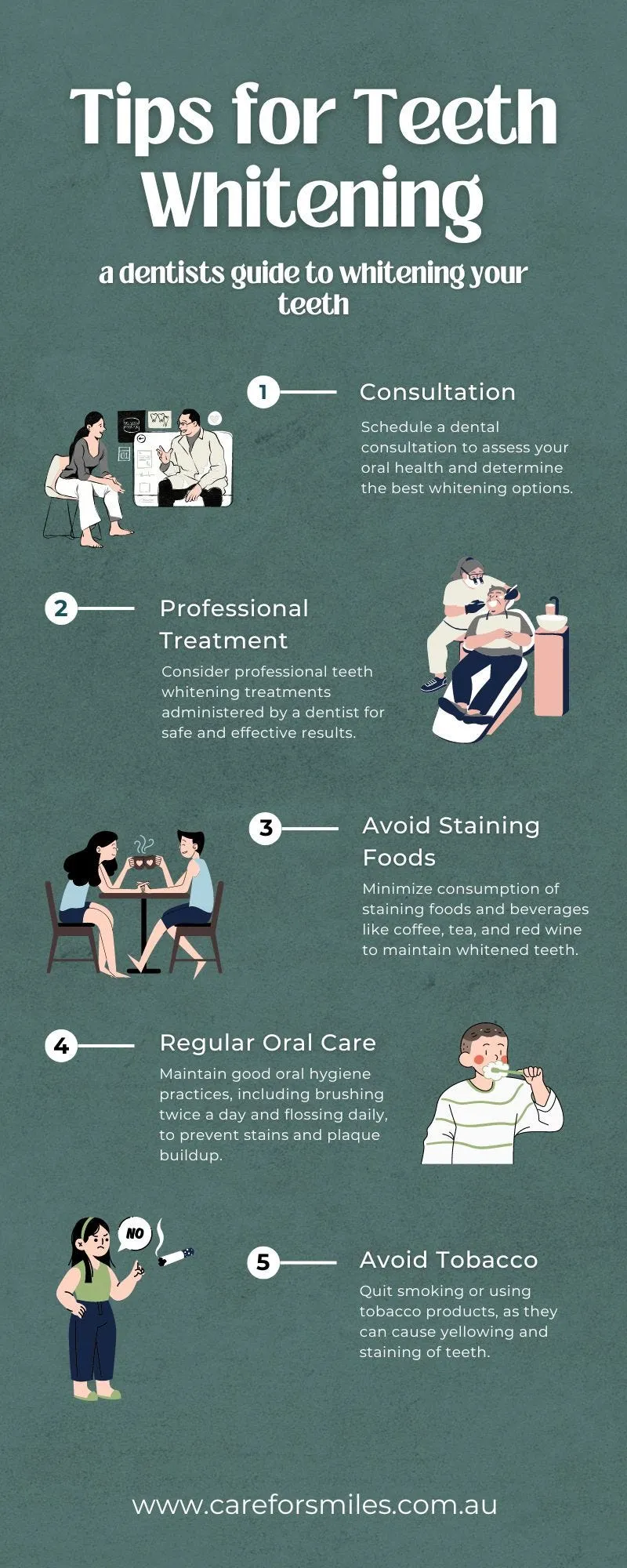
Professional teeth whitening offers more potent and efficient solutions for achieving a brighter smile. These procedures are performed by dental professionals and can provide dramatic results in a shorter time. The methods used are typically more effective than at-home treatments. This is also a safer option, as trained professionals can address any potential side effects or complications that may arise during the process.
In-Office Whitening Procedures Explained
In-office teeth whitening involves a professional application of a high-concentration bleaching agent, often activated by a special light or laser. The dentist will protect your gums and soft tissues before applying the bleaching agent to your teeth. This procedure usually takes about an hour, and results are visible immediately. It’s one of the fastest and most effective teeth whitening methods available. This is a great option for anyone looking for a quick, effective way to whiten their teeth significantly.
The Advantages of Professional Teeth Whitening
Professional teeth whitening offers several advantages over at-home methods. The treatments use stronger bleaching agents, which provide quicker and more dramatic results. Dentists can also monitor the process and address any sensitivity or discomfort that might occur. The procedure is performed under controlled conditions, reducing the risk of improper use or side effects. Regular dental checkups, coupled with professional whitening, ensures that both your oral health and the brightness of your smile are well-maintained.
Maintaining Your White Smile After Whitening

Once you’ve achieved a brighter smile, it’s essential to maintain the results. This involves adopting good oral hygiene practices, making lifestyle adjustments, and possibly undergoing periodic touch-up treatments. Proper care helps to keep the teeth stain-free and preserves the whitening effects for a longer duration. By following these tips, you can ensure that your investment in a brighter smile continues to pay off.
Daily Habits to Keep Teeth Bright
Maintaining a bright smile requires consistent daily habits. Brushing your teeth at least twice a day with a whitening toothpaste helps remove surface stains. Flossing daily removes plaque and debris from between teeth, preventing future staining. Using a mouthwash can further remove bacteria and keep your breath fresh. Drinking water after consuming staining foods or beverages can help rinse away residues. A consistent oral hygiene routine is the cornerstone of maintaining a white and healthy smile.
Foods and Drinks to Avoid for Stain Prevention
Certain foods and drinks are notorious for staining teeth and should be limited or avoided to preserve your smile. Coffee, tea, red wine, and dark sodas are major culprits. Berries, soy sauce, and balsamic vinegar also contribute to discoloration. Tobacco use, including smoking and chewing tobacco, is a leading cause of stains. If you consume staining foods and beverages, rinse your mouth with water immediately afterward. This helps minimize the contact time of these substances with your teeth. It may be possible to drink staining beverages through a straw to reduce contact with your teeth.
The Importance of Regular Dental Checkups

Regular dental checkups are essential for maintaining a bright and healthy smile. During these visits, dentists can remove plaque and tartar, which can cause staining. They can also provide professional teeth cleaning, including polishing to remove surface stains. Regular checkups allow dentists to detect and treat any dental issues early, before they can impact the appearance of your smile. Schedule checkups every six months for optimal oral health and to keep your teeth looking their best.
Potential Risks and Considerations of Teeth Whitening
While teeth whitening is generally safe, it’s essential to be aware of potential risks and considerations. These risks vary depending on the type of whitening method used, the concentration of the bleaching agent, and the individual’s oral health. Understanding these aspects helps in making informed decisions and ensuring a safe and effective teeth whitening experience.
Sensitivity and Discomfort During Whitening
Tooth sensitivity is a common side effect of teeth whitening, particularly with higher-concentration bleaching agents. This can manifest as temporary discomfort or sensitivity to hot or cold foods and beverages. Gum irritation is another possible side effect, especially if the whitening agent comes into contact with the gums. The dentist may recommend desensitizing toothpaste or fluoride treatments to alleviate the discomfort. In most cases, these side effects are temporary and resolve shortly after the treatment is completed.
Who Is Not a Good Candidate for Teeth Whitening?

Not everyone is a good candidate for teeth whitening. Individuals with certain dental conditions, such as untreated cavities, gum disease, or exposed tooth roots, should postpone whitening until these issues are addressed. Whitening is generally not recommended for pregnant or breastfeeding women due to a lack of safety data. Teeth with fillings, crowns, or veneers will not whiten with traditional bleaching methods. In these cases, alternative cosmetic procedures might be considered to match the existing restorations to the newly whitened teeth.
In conclusion, achieving a brighter smile through teeth whitening is possible with the right approach. Understanding the causes of tooth discoloration, choosing appropriate whitening methods, and practicing good oral hygiene are essential steps. Whether you choose at-home or professional treatments, prioritizing your oral health will ensure the long-lasting results of a dazzling, white smile.