Understanding Teeth Whitening
Teeth whitening is a popular cosmetic procedure aimed at brightening the color of your teeth. Over time, our teeth can become discolored due to various factors, including the foods and drinks we consume, our oral hygiene habits, and even genetics. The process of whitening teeth involves removing stains and discoloration, either through professional treatments or at-home methods. Understanding the causes of discoloration and the available whitening options is essential for achieving a brighter, healthier smile. The pursuit of a whiter smile has led to the exploration of numerous techniques, ranging from in-office procedures performed by dental professionals to over-the-counter products available at your local pharmacy. However, a growing trend involves harnessing the power of natural ingredients, such as banana skins, to achieve the desired results. These methods offer an appealing alternative for individuals seeking a more organic and accessible approach to teeth whitening.
What Causes Tooth Discoloration?
Tooth discoloration can stem from a variety of sources, both intrinsic and extrinsic. Extrinsic stains affect the enamel surface and are often caused by dietary choices, like coffee, tea, red wine, and dark-colored foods, as well as smoking and tobacco use. These substances can adhere to the porous enamel, leading to discoloration over time. Intrinsic stains, on the other hand, originate from within the tooth, often affecting the dentin layer. These can be caused by factors such as aging, certain medications (like tetracycline), excessive fluoride exposure during childhood, or trauma to the teeth. Understanding the root cause of your tooth discoloration is the first step in choosing the most effective whitening method. Knowing whether the stains are superficial or deep-seated can help you determine if a simple at-home remedy or a professional treatment is more suitable. Recognizing the habits and circumstances contributing to discoloration will also help you take proactive measures to prevent future staining.
The Science Behind Banana Skins Teeth Whitening

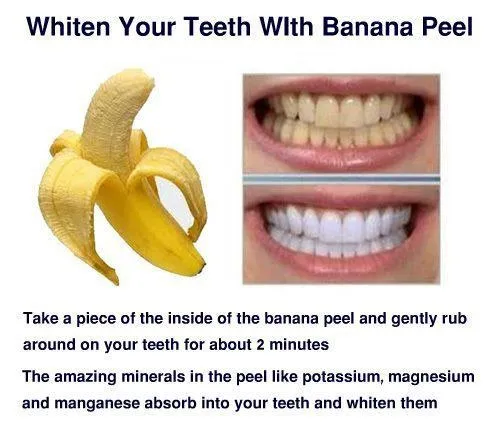
The concept of using banana skins for teeth whitening is rooted in the belief that they contain minerals and other compounds that can contribute to a brighter smile. While scientific evidence directly supporting this claim is limited, proponents suggest that the minerals in banana skins, particularly potassium, magnesium, and manganese, may help to gently polish the teeth and remove surface stains. These minerals are thought to interact with the enamel, potentially aiding in the breakdown of staining particles. The rough texture of the inside of a banana peel acts as a mild abrasive, which can help to scrub away the stains. It is important to note that the effectiveness of banana skin for teeth whitening is a subject of ongoing discussion. The method’s mildness is likely to make it unsuitable for all types of discoloration. For deeper stains, professional intervention might be required to obtain a noticeable result.
What are the Active Ingredients?
The exact mechanisms by which banana skins might contribute to teeth whitening are not fully understood, but the key components of banana skins could play a part. Minerals like potassium, magnesium, and manganese are present in banana skins, along with other trace elements. The role of these minerals is thought to be primarily involved in the gentle polishing action. As the banana skin rubs against the teeth, it may help to physically remove surface stains. Moreover, some proponents suggest that the minerals could interact with the enamel to potentially contribute to a brighter appearance. The exact concentration and efficacy of these compounds will vary depending on the ripeness of the banana and other factors. The high fiber content in banana skins also adds to its abrasive properties. However, more research is needed to determine the specific role of these ingredients in whitening teeth.
How Does Banana Skin Work?
The process of using banana skins for teeth whitening is relatively straightforward. The theory is that the slightly abrasive texture of the peel, combined with the minerals it contains, can help to remove surface stains. The action is mainly mechanical, meaning the skin gently scrubs away the stains. Unlike chemical whitening agents, banana skins do not contain strong bleaching compounds. The primary way the peel acts is by physically removing the deposits from the tooth surface. This means the results may be less dramatic compared to professional treatments. The effectiveness can also depend on the type of stains present. Surface stains caused by coffee, tea, or smoking may be more susceptible to removal than deeper, intrinsic stains. Regular use and consistent application are key to seeing results. The method’s mildness makes it a gentler option for those with sensitive teeth.
Preparing the Banana Skin for Use

Preparing a banana skin for teeth whitening is simple. Start by selecting a ripe banana, as the peel’s composition changes as the fruit ripens. A ripe banana peel is thought to contain more of the beneficial minerals. After eating the banana, carefully remove the peel. Ensure that the peel is clean and free from any dirt or debris. The inside of the peel is the part that is used for whitening, and it is where the majority of the active ingredients are. You don’t need to do anything special to the peel before use, but some people choose to rinse it lightly to remove any remaining fruit fibers. The peel is now ready for application. The simplicity of this preparation makes it an easily accessible at-home remedy.
Step-by-Step Application Guide
Using a banana peel for teeth whitening is a simple process that can be incorporated into your daily oral hygiene routine. After preparing the banana peel, hold it with the inside of the peel facing your teeth. Gently rub the inside of the peel against your teeth for about two minutes. Make sure that every surface of your teeth is exposed to the peel. After rubbing the peel onto your teeth, let the minerals sit on your teeth for about 10 minutes. Avoid rinsing your mouth immediately after applying the peel. You can either brush your teeth afterward, or simply rinse your mouth with water. This process should be done regularly, preferably once or twice a day, for several weeks to notice any effects. Consistency is essential to achieving the desired results. Make sure you continue with your usual oral hygiene practices, like brushing and flossing, alongside this method for optimal results.
Brushing with Banana Skin
Some people combine the use of banana skins with their regular brushing routine to enhance the whitening effect. After rubbing the banana peel on your teeth for a few minutes, you can use your regular toothbrush and toothpaste. This combined approach can help to remove any remaining residue and ensure that your teeth are thoroughly cleaned. Brush gently to avoid damaging the enamel. This combined technique can help with the physical removal of stains and ensures that your teeth receive comprehensive cleaning. By integrating this method into your normal dental care, you can address any surface staining. Be careful not to scrub too vigorously when you brush your teeth, especially after using the banana skin. Brushing too hard can damage the enamel, causing more sensitivity.
Frequency and Duration of Treatment

The frequency and duration of using banana skins for teeth whitening will depend on your individual needs and the type of stains you are trying to remove. For best results, it’s recommended to apply the banana peel to your teeth once or twice a day. This should be done for a few minutes each time. It’s essential to be consistent with this treatment for at least a couple of weeks to see any noticeable effects. The duration of treatment will depend on the extent of discoloration and how your teeth respond to the method. Some individuals might see results sooner, while others might need more time. It’s important to keep realistic expectations, as the results may not be as dramatic as professional whitening. If you don’t see any significant improvement after a few weeks, you may want to consider alternative methods or consult a dentist for professional advice.
Comparing Banana Skin Whitening Methods
When comparing banana skin whitening to other methods, it’s important to consider the differences in ingredients, effectiveness, and potential side effects. Professional teeth whitening treatments use potent bleaching agents like hydrogen peroxide, which can deliver dramatic results in a short amount of time, but can also cause sensitivity and irritation. Over-the-counter whitening products, such as strips and toothpastes, often contain lower concentrations of bleaching agents or abrasive particles. They are generally less effective than professional treatments. In contrast, banana skin whitening relies on natural minerals and a gentle abrasive action, which makes it a milder option with fewer potential side effects. The results are typically less dramatic and may take longer to appear. The best whitening method for you will depend on your budget, sensitivity, and the degree of discoloration. Always discuss your options with a dental professional.
Benefits of Using Banana Skins
The primary benefits of using banana skins for teeth whitening lie in their natural and accessible nature. Unlike many commercial teeth whitening products, banana skins are free from harsh chemicals and bleaching agents, which minimizes the risk of sensitivity and other adverse effects. The method is incredibly affordable, as it utilizes a readily available byproduct of a common fruit. It’s also an environmentally friendly option, as it promotes the reuse of food waste. The gentle abrasive action of the peel can help remove surface stains without damaging the enamel. For individuals who are looking for a mild and natural approach to teeth whitening, banana skins can be a good alternative. Using banana skins aligns with a more holistic approach to oral health, promoting a focus on natural ingredients and sustainable practices. These benefits make banana skins an appealing option for individuals wanting a gentler, more environmentally conscious approach to oral care.
Natural and Affordable Solution

One of the biggest advantages of using banana skins for teeth whitening is the affordability and accessibility of this method. Unlike professional whitening treatments, which can be expensive, or commercial whitening products, which can also be costly, banana skins are essentially free. They are a readily available byproduct of a common food, making them accessible to almost everyone. This makes it an attractive option for those on a budget. The natural aspect is another significant draw, as it aligns with the trend of choosing natural and organic solutions. The simple method doesn’t require any specialized equipment or complex procedures. You can integrate this technique into your regular oral hygiene regimen with ease. This combination of affordability, natural ingredients, and ease of use makes banana skins a winning solution for those wanting to achieve a brighter smile.
Potential Risks and Side Effects
While using banana skins for teeth whitening is generally considered safe, there are some potential risks and side effects to be aware of. Because of the mild abrasive properties, excessive or vigorous rubbing can potentially damage the enamel. Over-brushing can lead to increased sensitivity and other oral health problems. There is a very low risk of allergic reaction, though this is rare. If you have an allergy to bananas, using banana skins on your teeth is not recommended. Some individuals may experience mild gum irritation, especially if they have sensitive gums. Always follow the application instructions carefully. If you experience any unusual symptoms, discontinue the use of banana skins and consult your dentist. It’s important to understand that, because banana skin whitening is a home remedy, it’s less regulated than professional treatments. Always approach this technique with caution, and prioritize your oral health.
Sensitivity and Irritation
One of the potential side effects to consider is the possibility of increased tooth sensitivity or gum irritation. The abrasive nature of the banana skin, even though it is gentle, can sometimes cause mild irritation to sensitive teeth or gums. If you experience any discomfort, such as heightened sensitivity to hot or cold temperatures, or if you notice any redness or inflammation of your gums, stop using the banana skin immediately. In cases of sensitivity, it’s advisable to use a soft-bristled toothbrush and a toothpaste specifically designed for sensitive teeth. If the irritation persists, consult with your dentist. They can assess your oral health and determine if there are any underlying issues that are causing the sensitivity. You should also avoid overly aggressive brushing. Ensure that you’re using a gentle technique to minimize any potential damage to your enamel or gums.
Realistic Expectations and Results

It’s crucial to set realistic expectations about the results you can achieve with banana skin teeth whitening. This method is not as powerful as professional whitening treatments or even some over-the-counter products that contain bleaching agents. The effects tend to be more subtle and may take longer to appear. You might notice a slight brightening of your teeth over time, particularly if the discoloration is due to surface stains. However, if you have deep-seated stains or more severe discoloration, banana skin whitening may not produce the desired outcome. The best approach is to view this as a gentle, natural way to supplement your regular oral hygiene routine. If you are hoping for dramatic results, consider combining it with other natural methods or consulting your dentist for professional treatments. Remember that individual results will vary, depending on your teeth and the type of staining present.
Other Natural Teeth Whitening Options
If you are interested in exploring other natural teeth whitening methods, several alternatives may be worth considering. Coconut oil pulling is a traditional Ayurvedic practice that involves swishing coconut oil in your mouth for about 15-20 minutes. The oil is believed to help remove bacteria and reduce plaque. Another common method is using baking soda and lemon juice. This combination is thought to have whitening properties, but should be used with caution as lemon juice is highly acidic and can erode the enamel. There are other natural remedies, like using strawberries and turmeric. Before trying any of these alternatives, it’s essential to research the potential benefits and risks. Consider consulting your dentist, especially if you have sensitive teeth or any existing oral health issues. The goal is to find a method that suits your needs while maintaining the health of your teeth and gums.
Coconut Oil Pulling
Coconut oil pulling is an ancient Ayurvedic practice that has gained popularity as a natural teeth whitening method. The process involves swishing a tablespoon of coconut oil in your mouth for about 15 to 20 minutes. This is typically done in the morning before eating or drinking anything. Coconut oil is believed to have antimicrobial properties that can help reduce bacteria, plaque, and gingivitis. As you swish the oil, it is thought to draw out toxins and impurities from your mouth, which could contribute to a brighter smile. While the scientific evidence supporting coconut oil pulling for teeth whitening is limited, many people report seeing positive results. The process is considered safe, but if you experience any jaw pain or discomfort, stop immediately. Regularly practicing oil pulling can improve overall oral health, including the potential for whiter teeth. Make sure you spit the oil into the trash, not the sink, to avoid clogging your pipes.
Baking Soda and Lemon Juice
The combination of baking soda and lemon juice is another DIY teeth whitening method that has been used by many people. Baking soda is a mild abrasive that can help to remove surface stains, while lemon juice contains citric acid, which has bleaching properties. To use this method, mix a small amount of baking soda with a few drops of lemon juice to create a paste. Apply the paste to your teeth and let it sit for a minute or two. Then, rinse thoroughly. However, this method should be used with caution. Lemon juice is highly acidic and can erode the enamel of your teeth. Overuse of baking soda can also damage enamel, leading to increased sensitivity. This method is not recommended for regular use. If you choose to use it, do so very sparingly and monitor your teeth for any signs of damage. Always follow this with a thorough rinsing to remove any remaining acid.
Maintaining a White Smile
Once you achieve a whiter smile, it’s important to take steps to maintain it. This involves regular oral hygiene practices, as well as being mindful of the foods and drinks that can stain your teeth. Brushing your teeth twice a day for two minutes each time, and flossing daily, is critical to removing plaque and preventing stains from accumulating. You may want to consider using a whitening toothpaste, which can help to gently remove surface stains. Schedule regular dental check-ups and cleanings, which will help to remove plaque, tartar, and surface stains. Professional cleanings can also help to identify and address any potential oral health problems. Maintaining a white smile is an ongoing process. It requires a consistent commitment to good oral hygiene and sensible dietary choices.
Oral Hygiene Practices
Maintaining excellent oral hygiene is essential not only for a brighter smile but also for overall health. Brushing your teeth twice a day with fluoride toothpaste is the foundation of any oral hygiene routine. Flossing daily removes plaque and food particles from areas that your toothbrush cannot reach. Using mouthwash can further reduce bacteria and freshen your breath. Be sure to brush your tongue, which can harbor bacteria and contribute to bad breath. Regular dental check-ups and cleanings are also crucial. They allow your dentist or hygienist to identify and address any issues early. Consistent oral hygiene practices will help remove stains, prevent cavities, and maintain healthy gums. By following these simple steps, you can maximize the effectiveness of any teeth whitening method you choose.
Foods and Drinks to Avoid
Certain foods and drinks are known to stain teeth, and limiting your intake can help to maintain a whiter smile. Coffee, tea, and red wine are notorious for their staining properties. Dark-colored sodas, fruit juices, and sports drinks can also contribute to discoloration. Foods with intense pigments, such as berries, soy sauce, and curries, can also stain your teeth. If you consume staining foods and drinks, consider drinking water afterward to rinse your mouth. You can also use a straw to minimize contact between the drink and your teeth. Avoid or minimize the consumption of tobacco products, as they are one of the most significant contributors to tooth staining. Being mindful of your dietary choices can greatly impact the longevity of your white smile. By making smart decisions about what you consume, you can preserve the results of any teeth whitening treatment.
Conclusion
Using banana skins for teeth whitening provides a natural and affordable approach to achieving a brighter smile. While the scientific evidence directly supporting this method is still limited, the potential benefits, combined with its accessibility and safety, make it an appealing option for many. Remember to set realistic expectations, be patient, and combine this method with good oral hygiene practices. Before trying any new method, it’s always best to consult with your dentist to ensure it’s suitable for your specific needs and oral health condition. Whether you choose banana skins or another method, the key to success is consistency and a commitment to maintaining a healthy, radiant smile. A well-informed approach, including healthy dental habits and an awareness of potential limitations, will lead to the best results. A beautiful smile enhances your confidence, so take the time to care for your teeth.