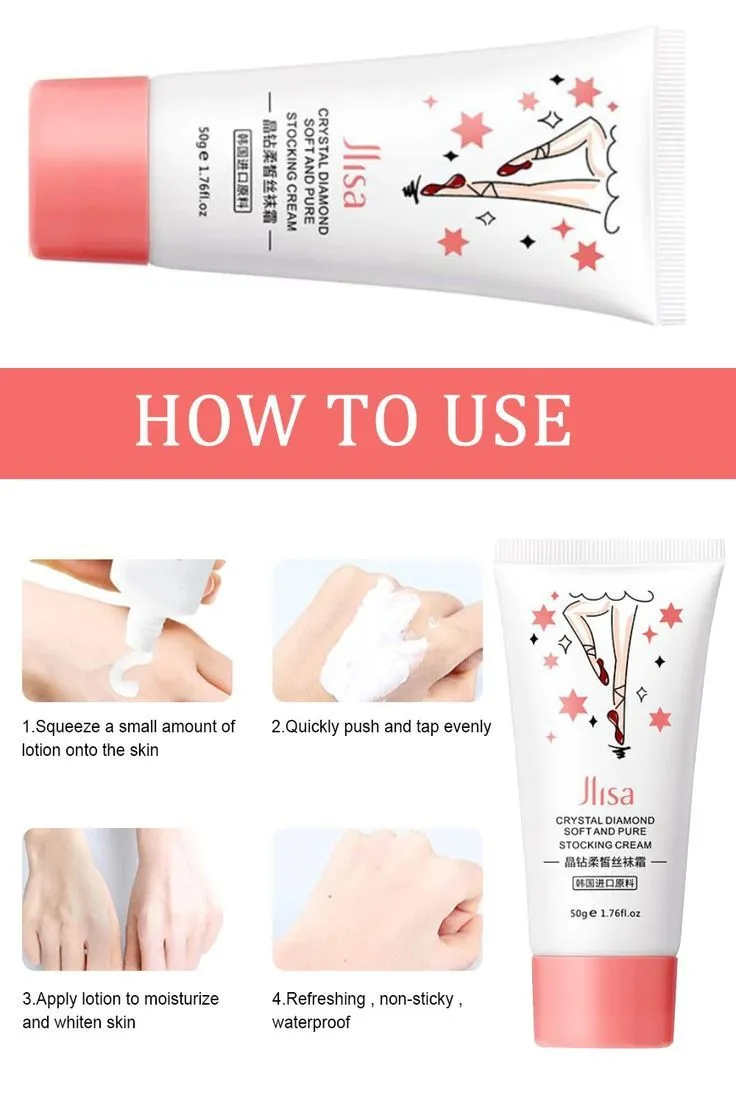
What is Whitening Lotion
Whitening lotion, also known as skin-lightening lotion or skin-brightening cream, is a cosmetic product designed to lighten the skin tone or reduce the appearance of dark spots, hyperpigmentation, and uneven skin tone. These lotions typically work by inhibiting the production of melanin, the pigment responsible for skin color. The goal is to achieve a more radiant and even complexion. It’s crucial to understand the ingredients and their potential effects before incorporating any whitening lotion into your skincare routine. The effectiveness can vary greatly depending on the formulation, the concentration of active ingredients, and the individual’s skin type and condition. Always do a patch test before applying the lotion to a larger area to check for any adverse reactions.
How Whitening Lotion Works
Whitening lotions primarily function by targeting melanin production. Melanin is produced by melanocytes, specialized cells in the skin. The active ingredients in these lotions interfere with the enzyme tyrosinase, which is essential for melanin synthesis. By inhibiting tyrosinase, the production of melanin is reduced, leading to a lighter skin tone over time. Some lotions may also work by exfoliating the skin, removing the top layer of pigmented cells. This can lead to an immediate brightening effect. The effectiveness of whitening lotions depends on several factors, including the concentration of active ingredients, the skin’s natural turnover rate, and consistent application. It’s important to have realistic expectations and understand that results vary. Regular use is key to achieving noticeable results, but it should always be balanced with skin health considerations and sun protection.
Key Ingredients in Whitening Lotion

Several key ingredients are commonly found in effective whitening lotions, each with a different mechanism of action. One of the most popular is hydroquinone, a potent skin-lightening agent that inhibits tyrosinase. However, hydroquinone can have side effects, and its use is regulated in some countries. Other effective ingredients include vitamin C, a powerful antioxidant that can brighten the skin and reduce melanin production. Kojic acid, derived from fungi, also inhibits tyrosinase. Niacinamide, a form of vitamin B3, helps to reduce the appearance of dark spots and uneven skin tone. Arbutin, derived from the bearberry plant, is another tyrosinase inhibitor. Always check the product’s ingredient list to ensure that the lotion contains ingredients suitable for your skin type and desired results. Consider consulting with a dermatologist to determine the most appropriate ingredients for your specific needs.
Choosing the Right Whitening Lotion
Selecting the right whitening lotion is essential for achieving the best results and minimizing potential risks. Consider your skin type first. If you have sensitive skin, look for lotions with gentle, non-irritating ingredients like vitamin C or niacinamide. For oily skin, opt for lighter formulations that won’t clog pores. Check the concentration of active ingredients. Higher concentrations may produce faster results, but they can also increase the risk of side effects. Research the brand and read reviews to understand the experiences of other users. Choose products from reputable brands that adhere to safety standards. Look for products that also offer sun protection, as this is crucial for preventing further darkening of the skin and protecting against sun damage. Consulting with a dermatologist can provide personalized recommendations based on your skin’s needs and condition.
Skin Type Considerations
Your skin type plays a vital role in determining the suitability of a whitening lotion. If you have dry skin, choose lotions with moisturizing ingredients like hyaluronic acid or glycerin to prevent dryness and irritation. For oily skin, opt for oil-free or lightweight formulations to avoid breakouts. Sensitive skin requires extra caution; look for hypoallergenic and fragrance-free products and always perform a patch test. Those with combination skin should target the areas that need the most attention, using a lotion that balances the needs of both oily and dry zones. Individuals with darker skin tones should be particularly cautious, as some ingredients can cause uneven lightening or skin discoloration. Always consult a dermatologist to determine the safest and most effective products for your specific skin type and needs. The goal is to achieve a brighter complexion without compromising skin health.
Ingredients to Avoid

Some ingredients should be avoided or used with extreme caution when choosing a whitening lotion. Hydroquinone, while effective, can cause skin irritation, ochronosis (a darkening of the skin), and other side effects, especially with long-term use. Strong corticosteroids, sometimes added to whitening creams, can lead to skin thinning and other complications. Mercury is another ingredient to watch out for, as it is toxic and can cause serious health problems. Always check the ingredient list carefully and avoid products containing these potentially harmful substances. Consult with a dermatologist if you have any concerns about specific ingredients. Opt for products with ingredients that have been proven safe and effective through scientific research. Prioritize your skin’s health and well-being over quick results.
Application Techniques for Whitening Lotion
Proper application techniques are essential for maximizing the effectiveness of whitening lotion. Cleanse your skin thoroughly before applying the lotion. This removes dirt, oil, and impurities, allowing the lotion to penetrate better. Apply a thin, even layer of the lotion to the affected areas, following the product instructions. Avoid applying excessive amounts, as this won’t necessarily speed up results and could increase the risk of side effects. Use gentle, circular motions to massage the lotion into your skin. Apply the lotion twice daily, or as directed by the product instructions or a dermatologist. Be consistent with your application to see noticeable changes. Always wash your hands thoroughly after applying the lotion to prevent accidental contact with eyes or other sensitive areas. Remember that patience is important, and visible results usually take several weeks or months of consistent use.
Step by Step Guide
Here’s a step-by-step guide to using whitening lotion effectively: First, cleanse your face or the target area with a gentle cleanser and pat your skin dry. Next, apply the whitening lotion in a thin, even layer, focusing on the areas with hyperpigmentation or uneven skin tone. Gently massage the lotion into your skin using upward, circular motions. Allow the lotion to absorb fully before applying any other skincare products, such as a moisturizer or sunscreen. For daytime application, always apply a broad-spectrum sunscreen with an SPF of 30 or higher after the lotion to protect your skin from sun damage. For best results, incorporate the lotion into your daily skincare routine, using it consistently as directed. Monitor your skin for any signs of irritation or adverse reactions and adjust your routine accordingly. If you have any concerns, consult with a dermatologist.
Best Time to Apply

The best time to apply whitening lotion is typically twice a day, in the morning and before bed. Applying it in the morning allows the active ingredients to work throughout the day, while applying it at night allows the lotion to penetrate the skin while it repairs itself. However, the specific instructions may vary based on the product and the ingredients it contains. Always follow the product’s instructions and the recommendations of your dermatologist. When applying in the morning, make sure to follow with a broad-spectrum sunscreen with an SPF of 30 or higher. This is critical to protect your skin from further damage and enhance the effectiveness of the whitening lotion. If you experience any irritation or sensitivity, you might adjust the application to once a day or consult with a skincare professional for advice.
Incorporating Whitening Lotion into Your Routine
Integrating whitening lotion into your skincare routine requires careful planning to ensure its effectiveness and minimize potential risks. Start with a gentle cleanser to remove impurities. Follow with the whitening lotion, applying a thin layer to the affected areas. After the lotion has absorbed, apply a moisturizer, especially if you have dry skin. In the morning, always finish with a broad-spectrum sunscreen with an SPF of 30 or higher. At night, you can skip the sunscreen and focus on allowing the lotion to work while you sleep. Introduce new products gradually to monitor your skin’s response. Avoid using multiple harsh products simultaneously, as this can increase the risk of irritation. Be consistent with your routine, and adjust it as needed based on your skin’s response. The goal is a balanced skincare regimen that addresses your concerns while maintaining overall skin health.
Other Skincare Products to Use
To enhance the effectiveness of whitening lotion, consider incorporating other complementary skincare products into your routine. A gentle cleanser is crucial to prepare your skin for the lotion, removing impurities and excess oil. A moisturizer, especially for dry skin, can help keep the skin hydrated and prevent irritation. Sunscreen is non-negotiable; it protects your skin from further damage and enhances the benefits of the whitening lotion. Exfoliants, such as chemical peels or gentle scrubs, can help remove dead skin cells, allowing the lotion to penetrate deeper. However, use exfoliants sparingly and cautiously, especially if you have sensitive skin. Antioxidant serums, such as vitamin C, can help brighten the skin and protect against environmental damage. Always introduce new products gradually, monitoring your skin’s reaction and consulting with a dermatologist when necessary.
Potential Risks and Side Effects

While whitening lotions can be effective, they also come with potential risks and side effects. Common side effects include skin irritation, redness, dryness, and peeling. More serious risks can arise from using products containing harmful ingredients such as hydroquinone or mercury. Long-term use of hydroquinone can lead to ochronosis, a permanent darkening of the skin. Mercury can cause severe health problems. Always check the ingredient list carefully and choose products from reputable brands. Perform a patch test before applying the lotion to a larger area. If you experience any adverse reactions, such as severe irritation, burning, or changes in skin color, discontinue use immediately and consult with a dermatologist. Prioritize your skin’s health and safety over quick results.
When to See a Dermatologist
It’s important to consult a dermatologist if you experience any persistent skin issues or if you’re unsure about the best approach to skin whitening. See a dermatologist if you experience severe irritation, burning, or unusual skin changes after using a whitening lotion. A dermatologist can assess your skin type, identify the causes of hyperpigmentation, and recommend safe and effective treatments. They can also help you choose the right products and ingredients based on your individual needs. If you are considering using a whitening lotion, especially one with potent ingredients, it’s always a good idea to consult a dermatologist first. They can provide professional guidance and help you avoid potential risks and complications. Regular check-ups with a dermatologist are essential for maintaining overall skin health.
Maintaining Radiant Skin
Achieving and maintaining radiant skin goes beyond just using whitening lotion. Incorporate a comprehensive skincare routine that includes cleansing, moisturizing, and sun protection. Stay hydrated by drinking plenty of water and eating a healthy diet rich in vitamins and antioxidants. Get adequate sleep, as this is crucial for skin repair and regeneration. Manage stress, as stress can exacerbate skin conditions. Avoid smoking and excessive alcohol consumption, as these habits can damage the skin. Consider incorporating other treatments like chemical peels or laser therapy under the guidance of a dermatologist. Consistency and a holistic approach are key to achieving long-term results and maintaining a healthy, radiant complexion.
Lifestyle Factors

Your lifestyle plays a significant role in the health and radiance of your skin. Protect your skin from sun exposure by wearing sunscreen daily, even on cloudy days. Avoid smoking and excessive alcohol consumption, as these can damage collagen and contribute to premature aging. Eat a balanced diet rich in fruits, vegetables, and antioxidants to nourish your skin from within. Stay hydrated by drinking enough water to keep your skin moisturized and healthy. Get adequate sleep to allow your skin to repair and regenerate. Manage stress through relaxation techniques, as stress can trigger skin problems. Exercise regularly to improve blood circulation and promote healthy skin cell turnover. Make these healthy lifestyle choices part of your routine to enhance the effects of your skincare efforts and promote overall skin health.
Long-Term Skin Health
Prioritizing long-term skin health is essential for maintaining a youthful and radiant complexion. Focus on a consistent skincare routine tailored to your skin type and concerns. Protect your skin from sun damage by wearing sunscreen daily and seeking shade. Adopt a healthy lifestyle that includes a balanced diet, adequate sleep, and stress management. See a dermatologist regularly for check-ups and professional advice. Avoid harsh skincare treatments that can damage your skin barrier. Be patient and consistent with your skincare regimen; visible results take time. Embrace a holistic approach that combines effective skincare practices with healthy lifestyle choices. By investing in your skin’s long-term health, you can enjoy a radiant and youthful appearance for years to come.