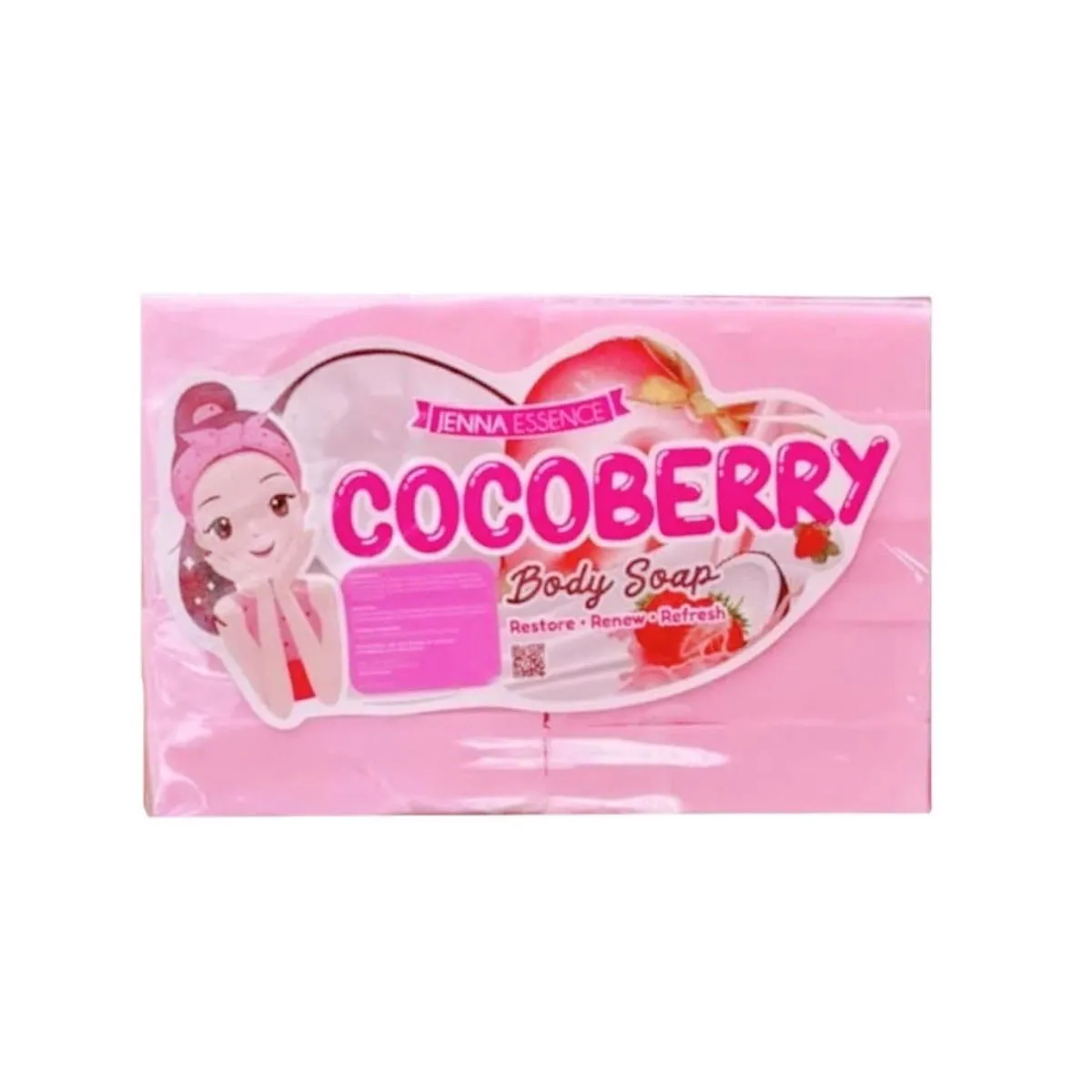
Achieving radiant, glowing skin is a goal shared by many. The quest for a brighter complexion often leads individuals to explore various skincare solutions, and whitening soap is a popular choice. But what exactly is whitening soap, and how can it help you achieve the skin of your dreams? This comprehensive guide delves into the world of whitening soaps, providing you with all the essential information you need to make informed decisions and create an effective skincare routine.
Understanding Whitening Soap Benefits
Whitening soaps are formulated to address skin discoloration and promote a more even skin tone. The primary benefits of using these soaps include reduction of dark spots, lightening of hyperpigmentation, and a brighter overall complexion. They work by targeting melanin production, the pigment responsible for skin color. Many users also report an improvement in skin texture, leaving it feeling smoother and more refreshed. However, it’s essential to understand that whitening soaps aren’t miracle cures, and results may vary depending on the ingredients used and individual skin characteristics.
How Whitening Soap Works
Whitening soaps achieve their effects through various mechanisms. The primary approach involves inhibiting tyrosinase, an enzyme crucial in melanin production. By reducing tyrosinase activity, the soap can decrease the amount of melanin, leading to lighter skin. Other methods include promoting skin cell turnover, which helps to shed pigmented cells, revealing brighter skin underneath. Some soaps also contain ingredients that act as antioxidants, protecting the skin from further damage that can contribute to discoloration. The effectiveness of a whitening soap largely depends on the specific ingredients and their concentrations.
Key Ingredients in Whitening Soap

Several ingredients are commonly found in whitening soaps, each with its unique properties. Kojic acid, derived from fungi, is a potent tyrosinase inhibitor, known for its skin-lightening abilities. Vitamin C, an antioxidant, not only brightens the skin but also protects it from environmental damage. Arbutin, a natural compound, also inhibits melanin production. Other ingredients include niacinamide, which reduces hyperpigmentation, and various plant extracts like licorice and mulberry, which have skin-lightening properties. The combination and concentration of these ingredients often determine the soap’s effectiveness.
Types of Whitening Soap
Whitening soaps come in various forms, each with its own characteristics. The choice often depends on personal preference and skin type. Understanding the differences can help you select the most suitable product for your needs. Both bar and liquid soaps offer unique advantages and disadvantages.
Bar Soap
Bar soaps are the traditional form of cleansing. They are often more affordable and can last longer than liquid soaps. Bar soaps typically create a rich lather, effectively removing dirt and impurities. However, they can sometimes be drying, especially for those with dry skin. Properly storing bar soap in a well-drained area is crucial to extend its lifespan and maintain its effectiveness. Look for bar soaps that are formulated with moisturizing ingredients to counteract the drying effect.
Liquid Soap

Liquid soaps are often perceived as gentler and more convenient. They come in pump bottles, making them easy to use in the shower or at the sink. Liquid soaps are available in a wide range of formulations, including those designed for sensitive skin. They may also contain added moisturizing agents. Liquid soaps, however, can be more expensive than bar soaps, and the packaging may not always be environmentally friendly. Consider the ingredients and packaging when choosing liquid soap.
Choosing the Right Whitening Soap
Selecting the right whitening soap involves considering your skin type, the ingredients, and your individual skincare goals. It’s essential to choose a product that aligns with your specific needs to maximize effectiveness and minimize potential side effects. A thoughtful approach ensures that you can achieve your desired results without compromising your skin’s health.
Skin Type Considerations
Your skin type plays a crucial role in determining which whitening soap is best for you. Different skin types have different needs, and using the wrong product can lead to irritation or ineffectiveness. Therefore, understanding your skin’s specific characteristics is the first step in selecting a suitable whitening soap.
Sensitive Skin

If you have sensitive skin, you should look for soaps that are specifically formulated for this skin type. These soaps typically contain gentler ingredients and are free of harsh chemicals, fragrances, and artificial colors. Always perform a patch test before using a new product to check for any adverse reactions. Ingredients like aloe vera and chamomile can help soothe and calm sensitive skin while still providing some whitening benefits. Opt for soaps with fewer ingredients to minimize the risk of irritation.
Oily Skin
People with oily skin may benefit from soaps that help control oil production and prevent clogged pores. Look for ingredients like salicylic acid or tea tree oil, which have exfoliating and antibacterial properties. However, even with oily skin, it’s important to choose a soap that doesn’t strip the skin of its natural oils, as this can lead to overproduction of sebum. A soap that balances cleansing with gentle hydration is ideal. Avoid soaps that contain heavy oils or comedogenic ingredients.
Dry Skin
For dry skin, moisturizing ingredients are essential. Look for soaps that contain ingredients like glycerin, shea butter, or hyaluronic acid, which help to hydrate and retain moisture. Avoid soaps that contain harsh detergents or alcohol, which can further dry out the skin. Using a rich, creamy soap and immediately applying a moisturizer after cleansing is crucial for maintaining skin hydration. Regular exfoliation can also help remove dead skin cells, allowing moisturizers to penetrate more effectively.
Ingredients to Look For

When selecting a whitening soap, it is important to scrutinize the ingredient list. Certain ingredients are known for their skin-lightening and brightening effects. Kojic acid, arbutin, and vitamin C are popular choices because of their proven effectiveness. Niacinamide is another excellent ingredient, known for its ability to reduce hyperpigmentation and improve skin texture. Plant extracts like licorice and mulberry also offer skin-lightening benefits. Always check the concentration of active ingredients to ensure that the soap is effective, but start with lower concentrations to assess your skin’s tolerance.
Ingredients to Avoid
Some ingredients can be harsh or irritating, so they should be avoided or used with caution. Sulfates, such as sodium lauryl sulfate (SLS) and sodium laureth sulfate (SLES), can strip the skin of its natural oils, leading to dryness and irritation. Parabens and phthalates are preservatives that some people prefer to avoid due to potential health concerns. Artificial fragrances and colors can also cause irritation, especially for those with sensitive skin. Always review the ingredient list and do your research to determine if a particular soap is right for your skin.
Incorporating Whitening Soap into Your Routine
Integrating a whitening soap into your daily skincare routine requires careful consideration. Proper usage, frequency, and pairing with other products can significantly impact the results. A well-structured routine ensures that you get the most out of your whitening soap while maintaining skin health. Consistency is key, and adapting your routine to your skin’s needs is essential.
Daily Usage

Most whitening soaps are designed for daily use, but it is crucial to listen to your skin. Begin by using the soap once a day, preferably in the evening, to observe how your skin reacts. If your skin tolerates the soap well without any irritation, you can gradually increase usage to twice a day, in the morning and evening. Always rinse thoroughly after cleansing. Over-cleansing can strip the skin of its natural oils, leading to dryness and irritation, so monitor your skin’s condition and adjust the frequency accordingly. Proper cleansing sets the stage for optimal absorption of subsequent skincare products.
Pairing with Other Products
To maximize the benefits of your whitening soap, consider incorporating other skincare products into your routine. Pairing the soap with complementary products enhances its effectiveness and provides overall skin health support. The right combination of products will help you achieve the best results.
Moisturizers
Always follow up with a moisturizer after using a whitening soap, especially if it contains potentially drying ingredients. A moisturizer helps to hydrate the skin, restore its natural barrier, and prevent dryness. Choose a moisturizer that suits your skin type. For dry skin, opt for rich, emollient creams, while those with oily skin may prefer lightweight, hydrating lotions. Applying moisturizer immediately after cleansing helps lock in moisture and maintain skin elasticity.
Sunscreen

Sunscreen is an essential component of any skincare routine, especially when using whitening soaps. Many whitening ingredients can make your skin more sensitive to the sun. Sun exposure can negate the benefits of the soap and worsen existing discoloration. Apply a broad-spectrum sunscreen with an SPF of 30 or higher every morning, and reapply throughout the day, particularly if you’re spending time outdoors. This will protect your skin from harmful UV rays, which can also cause premature aging and further hyperpigmentation.
Exfoliation
Incorporating exfoliation into your routine can enhance the effectiveness of your whitening soap. Exfoliation helps remove dead skin cells, allowing the active ingredients in the soap to penetrate more effectively. It also promotes skin cell turnover, revealing brighter skin. However, it’s crucial not to over-exfoliate, as this can irritate the skin. Choose a gentle exfoliator, such as a mild chemical exfoliant or a gentle scrub, and use it one to two times per week. Always follow exfoliation with a moisturizer to soothe and hydrate the skin.
Addressing Common Concerns
Using whitening soaps can sometimes raise concerns. Understanding these concerns and knowing how to address them is crucial for a positive experience. Knowledge and awareness of potential side effects and realistic expectations are essential.
Effectiveness and Timeline

The effectiveness of whitening soap varies depending on several factors, including the specific ingredients, their concentrations, and individual skin characteristics. Results are not immediate, and it can take several weeks or even months of consistent use to see noticeable changes. Be patient and realistic about your expectations. If you are not seeing results after a reasonable amount of time, consider consulting a dermatologist, who can provide expert guidance and recommend alternative treatments. They can also assess whether your skin is responding well to the soap.
Side Effects and Precautions
While whitening soaps are generally safe, some side effects are possible. These can include dryness, irritation, redness, and increased sensitivity to the sun. If you experience any adverse reactions, discontinue use immediately and consult a dermatologist. Always perform a patch test before using a new product on a large area of skin. Protect your skin from the sun by applying sunscreen daily, even on cloudy days. Use the soap as directed and avoid excessive use, as this can worsen potential side effects. Read the product label carefully and follow all instructions.
Maintaining Radiant Skin Long Term
Achieving and maintaining radiant skin requires a holistic approach. It’s not just about using whitening soap but also about adopting healthy lifestyle choices and establishing a consistent skincare routine. The combination of these factors ensures long-term skin health and a beautiful complexion.
Healthy Lifestyle Choices
A healthy lifestyle significantly impacts skin health. Eating a balanced diet rich in fruits, vegetables, and antioxidants is essential for providing the nutrients your skin needs to thrive. Staying hydrated by drinking plenty of water helps maintain skin elasticity and radiance. Getting enough sleep allows your skin to repair and regenerate itself overnight. Avoiding smoking and excessive alcohol consumption can also protect your skin from damage. Regular exercise promotes circulation, which helps deliver nutrients to the skin and supports overall skin health. A balanced lifestyle complements any skincare routine.
Consistent Skincare Routine
A consistent skincare routine is crucial for maintaining the results achieved with whitening soap. This routine should include cleansing, moisturizing, and protecting your skin from the sun. Use your whitening soap as directed and pair it with complementary products like moisturizers and sunscreen. Regular exfoliation, as needed, can help maintain a smooth skin texture. Be consistent with your routine, even when you start to see results, as consistency will help to maintain those results long term. Periodically reassess your skincare routine and make adjustments as your skin’s needs change, or if you notice the soap’s effect diminishes.
In conclusion, whitening soaps can be a valuable addition to your skincare routine if used correctly. Understanding the benefits, ingredients, and proper usage, along with adopting a healthy lifestyle and a consistent skincare regimen, will help you achieve radiant, glowing skin. Always prioritize your skin’s health, and consult with a dermatologist for personalized advice and recommendations.