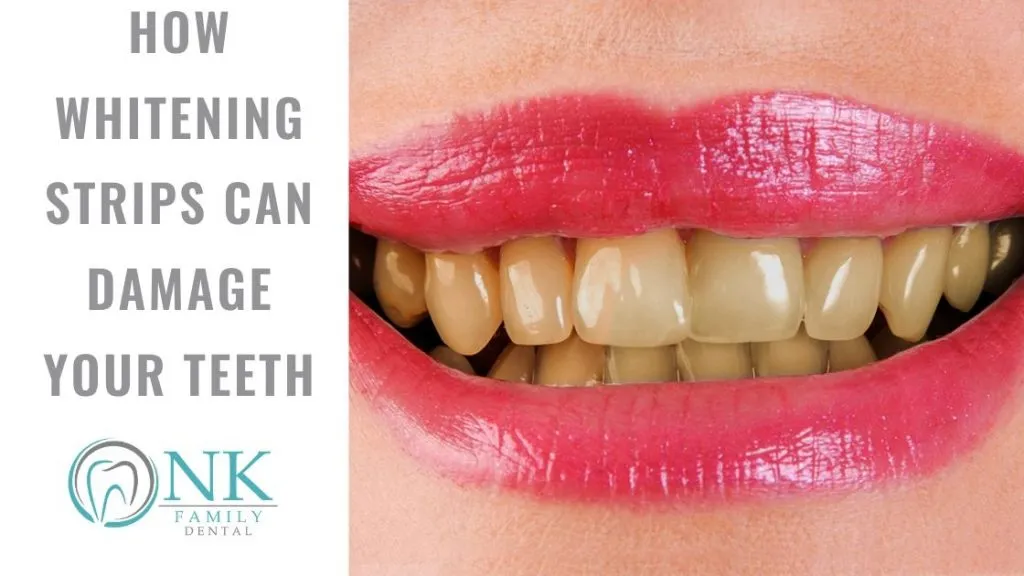
Why Do Whitening Strips Hurt Teeth?
Many individuals seeking a brighter smile turn to the convenience of whitening strips. However, a common concern associated with these products is tooth sensitivity and, in some cases, outright pain. Understanding the reasons behind this discomfort is crucial for anyone considering or currently using whitening strips. The pain isn’t always a sign of serious dental issues, but it does indicate that something is irritating the teeth. Several factors contribute to this, ranging from the active ingredients within the strips to how they interact with your individual dental health. This article delves into the top reasons why whitening strips can cause your teeth to hurt, providing insights and actionable advice to minimize or prevent this experience, ensuring you can pursue a whiter smile with greater comfort and confidence.
Sensitivity to Peroxide
The primary active ingredient in most whitening strips is hydrogen peroxide or carbamide peroxide. These chemicals are responsible for breaking down stains and discolorations on the enamel. However, they can also penetrate the enamel and reach the dentin, which contains microscopic tubules that lead directly to the tooth’s nerve. This process can irritate the nerve and cause temporary sensitivity or pain. The concentration of peroxide in the strips plays a significant role. Higher concentrations often lead to more pronounced sensitivity. Therefore, understanding how peroxide works and its potential impact on your teeth is essential when considering whitening strips. The body reacts to the presence of peroxide, and some individuals may experience more sensitivity than others. This difference in response depends on individual dental health, and habits.
How Peroxide Works & Why It Hurts

Peroxide, the active ingredient in whitening strips, functions by releasing oxygen molecules that break down the stain-causing compounds within your tooth enamel. While this oxidation process effectively whitens teeth, it can also cause discomfort. The porous nature of enamel allows the peroxide to seep into the dentin, which houses the tooth’s nerve endings. This direct contact can irritate the nerves, resulting in sharp, shooting pains or a general sensation of sensitivity. The intensity of this effect varies depending on the concentration of peroxide in the strips, the duration of application, and the individual’s tooth sensitivity. Those with naturally sensitive teeth or existing dental issues are more prone to experiencing pain. Therefore, selecting a product with a lower peroxide concentration or using it less frequently might be necessary to minimize discomfort and find the balance between desired results and pain avoidance.
Enamel Erosion and Whitening Strips
Enamel, the hard, protective outer layer of your teeth, can be vulnerable to erosion over time. Certain factors, including the use of whitening strips, can contribute to this process. If the enamel becomes thinner or compromised, the underlying dentin, which contains the tooth’s nerve endings, becomes more exposed and sensitive. Whitening strips, particularly those with high concentrations of peroxide or with acidic formulations, can potentially exacerbate enamel erosion. This is because the chemicals can weaken the enamel, making it more susceptible to damage. The degree of erosion depends on individual factors such as the natural thickness of the enamel, oral hygiene habits, and the frequency of whitening treatments. It’s essential to assess the health of your enamel before starting any whitening regimen and consider using products designed to protect and strengthen enamel. If you have concerns about enamel erosion, consult your dentist for advice and guidance.
Overuse of Whitening Strips
Following the instructions on your whitening strip packaging is crucial. Overusing whitening strips can significantly increase the likelihood of tooth sensitivity and pain. Applying the strips more frequently or leaving them on for longer than recommended exposes your teeth to a higher concentration of peroxide over an extended period. This can lead to increased irritation of the tooth’s nerve and gums. Some people believe that using whitening strips more frequently will speed up the whitening process, but this is not the case and can be counterproductive. Overuse can also weaken the enamel, making teeth more susceptible to sensitivity. It’s essential to adhere to the manufacturer’s guidelines and to monitor your teeth for any signs of increased sensitivity. If you experience pain, reduce the frequency of use or discontinue use entirely and consult a dentist. Patience and moderation are key to achieving a brighter smile without causing unnecessary discomfort.
Incorrect Application of Whitening Strips

The method you use to apply whitening strips can greatly influence the level of discomfort experienced. For the best results, you need to apply the strips correctly. Improper application can lead to uneven whitening, irritation of the gums, and increased sensitivity. Some common mistakes include not ensuring the strips are properly adhered to the teeth, allowing them to overlap the gums, or positioning them incorrectly. Overlapping the strips onto the gums exposes the sensitive gum tissue to the peroxide, causing irritation and pain. Ensuring the strips are applied correctly involves carefully aligning them along the teeth, avoiding contact with the gums, and gently pressing them to ensure full adhesion. Following the instructions on the packaging is essential, and if you’re unsure, consult your dentist for a demonstration. Proper application maximizes the effectiveness of the whitening process and reduces the risk of unnecessary discomfort.
Pre-Existing Dental Conditions
Individuals with pre-existing dental conditions are more likely to experience pain or increased sensitivity when using whitening strips. These conditions can make teeth more vulnerable to the effects of the whitening agents. Conditions such as cavities, receding gums, or cracked teeth can create pathways for the peroxide to reach the tooth’s nerve more easily. If you have any of these dental issues, the whitening process can exacerbate the sensitivity, causing considerable discomfort. Before using any whitening product, it is important to have a dental examination to identify and treat any underlying dental problems. Treating these conditions first can help minimize the risk of pain and ensure a more comfortable and effective whitening experience. Ignoring existing problems can worsen dental health and lead to more serious issues.
What Dental Issues Can Cause Sensitivity?
Several dental issues can heighten tooth sensitivity and make whitening strips more likely to cause pain. Cavities, which create holes in the enamel, allow the peroxide to directly contact the dentin and nerve. Receding gums expose the tooth roots, which lack the protective enamel coating, making them highly sensitive. Cracked or chipped teeth provide pathways for the peroxide to penetrate the tooth’s interior. Fillings, particularly if they are old or worn, can also contribute to sensitivity. Any condition that compromises the integrity of the enamel or exposes the tooth’s nerve can increase sensitivity. Before starting any whitening treatment, it’s crucial to address these issues through dental treatment. A dentist can assess the condition of your teeth and gums, treat any existing problems, and advise you on whether whitening strips are appropriate. This preventative step ensures the whitening process is safe and comfortable.
Gum Irritation and Whitening Strips

The gums, like the teeth, can also be affected by whitening strips. The chemicals in the strips, especially hydrogen peroxide, can irritate the sensitive gum tissue. This irritation can manifest as redness, swelling, and discomfort. If the strips overlap onto the gums or if the peroxide comes into direct contact with the gum line, the irritation can be more pronounced. In some cases, this can even lead to a burning sensation. The gum’s sensitivity varies from person to person, but it is a common side effect. Minimizing gum irritation involves careful application of the strips, ensuring they only contact the teeth and avoiding excessive use. Using a lower concentration of peroxide may also reduce gum irritation. If you experience significant gum irritation, consult with your dentist.
How Whitening Strips Affect Your Gums
Whitening strips can affect your gums in several ways. The primary cause of gum irritation is the direct contact of the peroxide with the gum tissue. Peroxide is a strong chemical that can cause inflammation and irritation. Symptoms of gum irritation include redness, swelling, and tenderness. The severity of these symptoms depends on the peroxide concentration, the duration of exposure, and the individual’s sensitivity. Poor application techniques, where the strips overlap onto the gums, can worsen the irritation. Individuals with pre-existing gum conditions, like gingivitis, might experience increased discomfort. To protect your gums, apply the strips correctly, avoiding any contact with the gum line. If you experience significant irritation, consider using strips with a lower peroxide concentration or consulting a dentist. Proper care during the whitening process is essential for maintaining healthy gums.
How to Use Whitening Strips Without Pain
While some discomfort is normal with whitening strips, there are strategies you can use to minimize or eliminate the pain. The key is to be proactive and take the necessary steps to protect your teeth and gums. One effective approach is to choose strips with a lower concentration of hydrogen peroxide. These strips are less likely to cause significant sensitivity. Another is to reduce the frequency of use; instead of using them daily, try using them every other day or every few days. Applying the strips correctly is crucial; ensure they cover only the teeth and not the gums. Consider using a desensitizing toothpaste containing ingredients like potassium nitrate before, during, and after the whitening process. This toothpaste can help block the pathways to the tooth’s nerves, reducing sensitivity. Consult your dentist for personalized advice.
Consult Your Dentist

Before starting any teeth whitening treatment, a visit to your dentist is highly recommended. Your dentist can assess the health of your teeth and gums and determine if whitening strips are a suitable option for you. They can identify any pre-existing dental issues, such as cavities or gum disease, that could increase your risk of pain or sensitivity. A dentist can also provide professional cleaning to remove surface stains and plaque, maximizing the effectiveness of the whitening strips. They can offer personalized advice on the most appropriate whitening products and techniques, considering your individual needs and dental health. If you’re experiencing sensitivity or pain, your dentist can provide treatment options, such as desensitizing toothpaste or fluoride treatments. Consulting a dentist ensures you receive a safe and effective whitening experience, protecting the health of your teeth and gums.
Choose the Right Strips for You
Selecting the right whitening strips can significantly impact your comfort level and results. Several factors should be considered. The concentration of hydrogen peroxide is crucial. Higher concentrations whiten teeth more quickly but also increase the risk of sensitivity. If you have sensitive teeth, opt for strips with lower concentrations or those designed for sensitive teeth. Consider the duration of use; some strips require shorter application times, which can reduce the risk of irritation. Look for strips that are designed to be gentle on the gums, avoiding formulations that might cause irritation. Reviews from other users can provide insights into the product’s effectiveness and potential side effects. Brands often offer different formulations, so it’s a good idea to experiment with a few to find the one that works best for you. If you’re unsure, consult your dentist for recommendations based on your individual dental health and needs.
Proper Application Techniques
Correct application of whitening strips is essential to reduce pain and maximize the effectiveness of the treatment. Start by brushing your teeth gently before applying the strips to remove any surface debris. Ensure your teeth are dry before application, as moisture can reduce adhesion. Carefully peel the strips from the backing and apply them to your upper and lower teeth, aligning them with the gum line. Avoid overlapping the strips onto your gums, as this can cause irritation. Gently press the strips onto your teeth to ensure full contact. Follow the manufacturer’s instructions regarding the duration of application; leaving the strips on longer than recommended increases the risk of sensitivity. After removing the strips, rinse your mouth with water. Avoid eating or drinking for at least 30 minutes after application to prevent staining. By following these techniques, you can improve your results and reduce the likelihood of experiencing pain.
Aftercare Tips for Whitening Strips

Proper aftercare can help maintain your results and minimize any discomfort associated with whitening strips. After each treatment, avoid consuming foods and drinks that can stain your teeth, such as coffee, tea, red wine, and dark-colored sauces, for at least 24 hours. Brushing your teeth gently with a soft-bristled toothbrush can help remove surface stains without causing irritation. Using a desensitizing toothpaste, containing ingredients like potassium nitrate, can reduce sensitivity and soothe your teeth. Avoid smoking, as tobacco can stain your teeth and reduce the effectiveness of the whitening treatment. Consider using a fluoride mouthwash to strengthen your enamel. Regular dental check-ups and cleanings are essential for maintaining your results and ensuring good oral health. If you experience any increased sensitivity, take a break from the whitening strips and consult your dentist for advice. Following these aftercare tips will help you achieve and maintain a brighter, healthier smile.