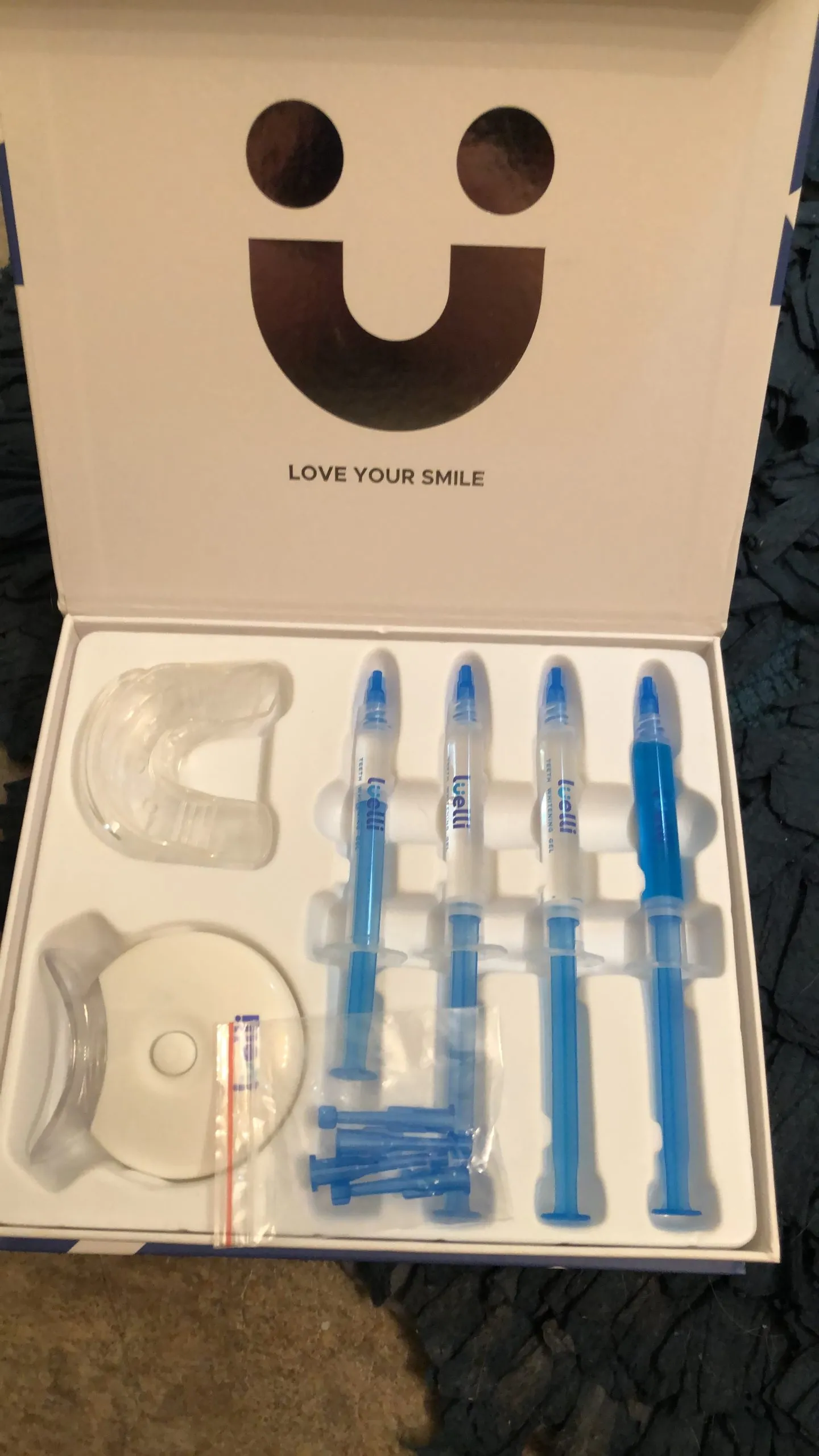
What Are Teeth Whitening Kits
Teeth whitening kits offer a convenient way to brighten your smile at home. These kits typically contain whitening agents designed to remove stains and discoloration from the surface of your teeth. They have become increasingly popular due to their accessibility and affordability compared to professional whitening treatments. Different types of kits cater to various preferences and levels of staining, making it easier for individuals to find a product that suits their needs. Understanding the basics of these kits is the first step in achieving a brighter, more confident smile.
Types of Teeth Whitening Kits
There are several types of teeth whitening kits available, each using different methods and products. The most common include whitening strips, gels, and toothpaste. Whitening strips are thin, flexible strips coated with a peroxide-based whitening agent that are applied directly to the teeth. Whitening gels can be applied using custom trays or applicators, allowing for more even coverage. Whitening toothpastes contain mild abrasives and sometimes bleaching agents to remove surface stains. Each type offers unique advantages, such as ease of use, effectiveness, and cost. It is crucial to know the different kits to choose the best option for your teeth.
Whitening Strips How They Work

Whitening strips are one of the most popular types of teeth whitening kits. These strips, typically made of a flexible plastic, are coated with a whitening agent, usually hydrogen peroxide or carbamide peroxide. The mechanism involves the peroxide penetrating the enamel to break down stain molecules. They are designed to be applied directly to the teeth, adhering to the surface for a set amount of time, typically 30 minutes. Regular use as directed can gradually lighten the teeth, improving their overall appearance. It is important to follow the instructions carefully to avoid any potential side effects.
The Active Ingredients in Strips
The primary active ingredients in whitening strips are hydrogen peroxide or carbamide peroxide. Hydrogen peroxide is a strong oxidizing agent that breaks down into water and oxygen. The oxygen molecules then penetrate the tooth enamel and dentin, reacting with the stain molecules to break them apart. Carbamide peroxide is a slower-releasing form of hydrogen peroxide, making it a gentler option. The concentration of these ingredients varies among different brands and products, with higher concentrations often leading to faster results, but also potentially increasing the risk of sensitivity. Understanding these ingredients helps one to make an informed decision on the right product.
Whitening Gels How They Work
Whitening gels offer another effective way to whiten teeth. These gels, like whitening strips, also use peroxide-based agents. They are typically applied using custom-fitted trays or applicators. The trays ensure that the gel comes into contact with all surfaces of the teeth, providing more comprehensive coverage. This method often delivers more consistent results than strips. Gels usually have a higher concentration of active ingredients, offering faster results. It is essential to use the gel as instructed, and to be mindful of any potential sensitivity.
Application Process

The application process for whitening gels typically involves filling the custom trays with the gel and then placing the trays over your teeth. The trays should be worn for a specified amount of time, typically from 30 minutes to several hours, depending on the product’s instructions and the desired results. The gel works by seeping into the enamel and breaking down stain molecules. After the treatment time, the trays should be removed, and the teeth rinsed. Regular application as directed can lead to significant improvements in tooth color. Following the manufacturer’s instructions is very important for both safety and effectiveness.
Whitening Toothpaste
Whitening toothpaste is designed to remove surface stains and maintain tooth brightness. Unlike strips and gels, which use bleaching agents to change the intrinsic color of the teeth, whitening toothpaste primarily works by using mild abrasives to polish the teeth’s surface and remove stains caused by food, drinks, and smoking. Some whitening toothpastes also contain low concentrations of peroxide. Regular brushing with whitening toothpaste can help to prevent new stains from forming and maintain a brighter smile. It is best suited for those who want to maintain a bright smile or remove surface stains, but not necessarily for those looking for dramatic whitening.
The Benefits of Whitening Toothpaste
The primary benefit of whitening toothpaste is its ability to remove surface stains, leading to a brighter smile. It can effectively remove stains caused by coffee, tea, wine, and tobacco. Whitening toothpaste is also an affordable and convenient option for daily use, as it fits easily into one’s regular oral hygiene routine. Moreover, many whitening toothpastes include fluoride, which helps strengthen tooth enamel, protecting against cavities. While whitening toothpaste might not deliver the dramatic results of professional treatments or stronger whitening kits, it is a valuable tool for maintaining a bright and healthy smile.
Things to Consider Before Using Kits

Before using any teeth whitening kit, there are several factors to consider. First, assess the condition of your teeth and gums. Those with existing dental issues, such as cavities, gum disease, or sensitive teeth, should consult with a dentist before starting treatment. Certain kits may not be suitable for everyone. Always read the product instructions carefully and follow them precisely to minimize the risk of side effects. Consider the level of whitening you are trying to achieve and choose a product that matches your expectations. It’s essential to start with a product with lower concentrations of active ingredients, especially if you are prone to sensitivity.
Potential Side Effects
Teeth whitening kits can cause certain side effects, the most common being tooth sensitivity and gum irritation. Tooth sensitivity may occur due to the peroxide in the whitening agents, which can penetrate the enamel and irritate the nerve. This sensitivity is typically temporary, but it can be uncomfortable. Gum irritation may occur if the whitening agent comes into contact with the gums, causing redness, swelling, and soreness. To reduce the risk of these side effects, it’s essential to follow the product instructions precisely. You should also stop using the product and consult your dentist if you experience severe or persistent side effects.
Consult Your Dentist
It is highly recommended to consult with your dentist before using any teeth whitening kit. Your dentist can assess the health of your teeth and gums, identifying any potential issues that may affect the whitening process or increase the risk of side effects. They can recommend the most appropriate whitening method for your individual needs, and also provide professional guidance on how to use the products safely and effectively. A dentist can offer alternatives that are appropriate and effective. Regular dental check-ups are also necessary to maintain your oral health while whitening your teeth.
The Best Teeth Whitening Kits

The best teeth whitening kit depends on individual needs and preferences. Factors to consider include the type of kit (strips, gels, or toothpaste), the concentration of the whitening agent, the ease of use, and the cost. Consider options from well-known and trusted brands. Read reviews and compare products to find the best option. When choosing a kit, prioritize products that have been clinically tested and proven to be safe and effective. Keep in mind that the most expensive kit is not necessarily the best. It’s more about what works best for you. It is also a good idea to consult your dentist, who can offer a professional recommendation.