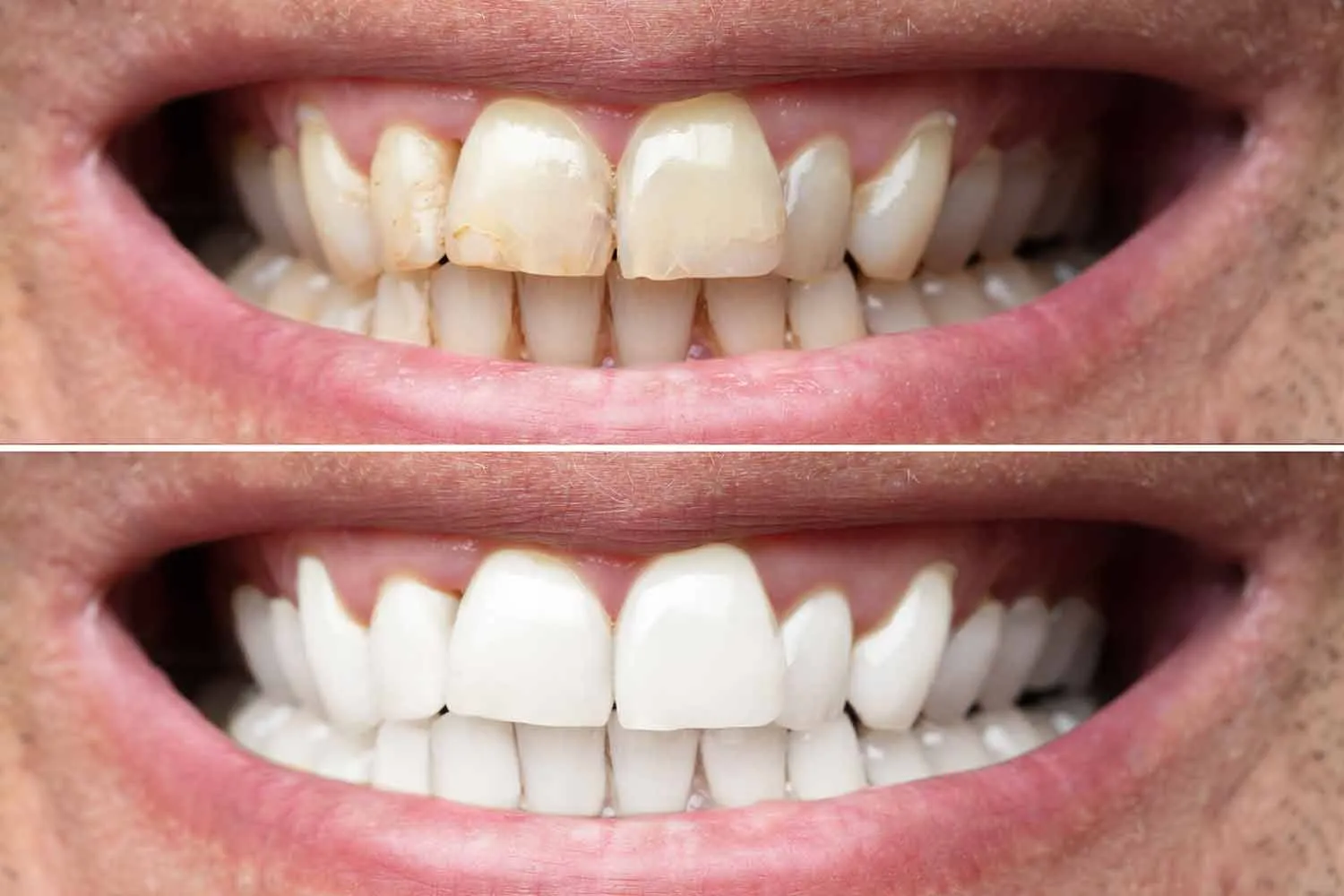
Understanding the Importance of Aftercare
Achieving a dazzling, white smile through teeth whitening is a fantastic accomplishment, but the journey doesn’t end there. The success of your whitening treatment hinges significantly on the aftercare you provide. This critical phase is all about protecting your investment – the bright, beautiful smile you’ve worked so hard to achieve. Aftercare involves a series of proactive steps to keep your teeth looking their best and extend the longevity of your whitening results. Ignoring aftercare can lead to premature fading, staining, and a less-than-ideal outcome. This guide is designed to equip you with all the essential knowledge and practices needed to maintain your radiant smile.
Why Aftercare Matters for Whitening Teeth
After teeth whitening, the enamel becomes more porous, making it susceptible to staining. Think of your teeth like tiny sponges; they readily absorb pigments from food and drinks. The aftercare period is a window of opportunity to safeguard your newly whitened teeth from these staining agents. The goal is to minimize the risk of discoloration and keep your teeth looking vibrant for as long as possible. Adhering to a proper aftercare routine is essential for preserving the results of your whitening treatment, whether it was done professionally or at home. It ensures that your investment in a brighter smile yields lasting rewards, allowing you to enjoy your confident, beautiful teeth for a considerable period.
How Whitening Works & Why Results Fade

Teeth whitening procedures, whether professional or at-home, work by using bleaching agents, typically hydrogen peroxide or carbamide peroxide, to break down stains and lighten the color of your teeth. These agents penetrate the enamel and dentin, the layers of your teeth, to dissolve the stain molecules. However, the effects are not permanent. Over time, your teeth are exposed to various staining agents like food, drinks, and smoking, leading to gradual discoloration. Additionally, the natural aging process also contributes to the darkening of teeth. That is why aftercare is crucial; it protects your teeth from these external factors and helps maintain their brightness for an extended duration. Without diligent aftercare, the stains will re-accumulate more rapidly, causing the whitening results to fade and diminish sooner.
Dietary Restrictions after Whitening
One of the most crucial aspects of aftercare is paying close attention to your diet. Immediately following a teeth whitening treatment, your teeth are more vulnerable to staining. This is why it is vital to be mindful of the foods and drinks you consume. This is often referred to as the ‘white diet’. The primary goal is to avoid or minimize the consumption of foods and beverages with strong pigments that can easily stain your teeth. Adhering to this diet for the recommended period, typically a few days to a couple of weeks, can significantly impact how well your whitening results are preserved. Be prepared to make adjustments to your eating habits to maintain your stunning, bright smile and reap the full benefits of your teeth whitening.
Foods to Avoid After Whitening
Several foods and drinks are notorious for staining teeth, and these should be avoided during the aftercare period. These include: coffee, tea, red wine, dark sodas, and fruit juices (especially cranberry and grape). Certain fruits and vegetables, such as berries (blueberries, raspberries, strawberries), beets, and tomatoes, should also be avoided. Sauces like soy sauce, balsamic vinegar, and curries are also problematic. It is important to recognize that the intensity of color is often a good indicator of staining potential. The darker the food or drink, the higher the chance it has of staining your teeth. Be vigilant in reading labels and being aware of hidden ingredients that could affect your teeth. Remember, being cautious with your diet can make a big difference in the longevity of your whitening results.
Foods You Can Safely Eat

While many foods are off-limits, there are plenty of delicious and safe alternatives you can enjoy after teeth whitening. You can focus on a ‘white diet’ that includes: white rice, pasta, plain chicken or turkey, white fish, cauliflower, and white bread. Dairy products such as milk, yogurt, and cheese are generally safe. Clear beverages, such as water, clear soda, and milk, are also acceptable. It is important to stay hydrated, and water is always the best choice for maintaining a clean mouth. By focusing on these options, you can enjoy satisfying meals without compromising your teeth’s brightness. Plan your meals ahead of time to make sticking to the white diet easier and more enjoyable.
Oral Hygiene Practices to Preserve Whitening
Maintaining excellent oral hygiene is a cornerstone of preserving your whitening results. This involves a consistent routine of brushing, flossing, and using mouthwash. Brushing removes surface stains and prevents the buildup of plaque, which can lead to discoloration. Flossing is equally important; it removes food particles and plaque from areas that your toothbrush cannot reach. Using a mouthwash can further reduce the bacteria in your mouth and freshen your breath. In addition to these daily habits, it is crucial to maintain regular dental check-ups and professional cleanings to remove any accumulated stains and ensure your teeth and gums stay healthy.
Brushing Techniques for Whitening Maintenance
The way you brush your teeth can significantly impact the effectiveness of your aftercare. Use a soft-bristled toothbrush to prevent damage to your enamel and gums. Brush your teeth gently in a circular motion, making sure to reach all surfaces of your teeth. Brush for at least two minutes, twice a day. Consider using a whitening toothpaste; these products contain mild abrasives or chemical agents that can help remove surface stains and maintain the brightness of your teeth. However, avoid using whitening toothpastes excessively, as they can potentially wear down your enamel over time. Always remember to replace your toothbrush every three months or sooner if the bristles become frayed.
Flossing Properly to Protect Your Smile

Flossing is an essential part of your oral hygiene routine that is often overlooked. It is essential for removing food particles and plaque from between your teeth and along the gum line, areas that a toothbrush cannot reach. Floss at least once a day, preferably before brushing, to dislodge any debris and allow your toothpaste to work more effectively. Use about 18 inches of floss, wrapping it around your fingers and gently guiding it between each tooth. Use a clean section of floss for each tooth to avoid reintroducing bacteria and plaque. Proper flossing prevents the buildup of plaque, which can lead to stains and discoloration and protects your gums from inflammation and disease.
The Role of Mouthwash
Mouthwash can be a beneficial addition to your oral hygiene regimen, providing an extra layer of protection. It can help to rinse away food particles and debris that might remain after brushing and flossing. Some mouthwashes contain fluoride, which strengthens your enamel and helps protect against cavities. Using a mouthwash with whitening properties can also contribute to maintaining the brightness of your teeth. Be aware that some mouthwashes contain alcohol, which can dry out your mouth. If you experience this, consider using an alcohol-free mouthwash. Always follow the instructions on the mouthwash bottle and use it as part of your daily oral care routine for the best results.
Best Products for Whitening Maintenance
Selecting the right products can significantly enhance your aftercare efforts. Whitening toothpastes are specially formulated to remove surface stains, helping maintain the brightness of your teeth. Look for toothpastes that contain ingredients like hydrogen peroxide or other mild abrasives. Additionally, consider using a whitening mouthwash to further boost the whitening effect and protect your enamel. It is also helpful to invest in a good-quality soft-bristled toothbrush to avoid damaging your enamel. Consult your dentist or dental hygienist for product recommendations tailored to your specific needs. They can provide guidance on the best options to maximize your whitening results and protect your oral health.
Whitening Toothpastes to Consider

When choosing a whitening toothpaste, it’s important to consider the ingredients and their potential effects on your teeth. Look for toothpastes containing ingredients like hydrogen peroxide, which helps to gently lift stains, or those with mild abrasives, which remove surface stains. Many whitening toothpastes also contain fluoride to strengthen your enamel and protect against cavities. Avoid toothpastes with overly harsh abrasives, as they can wear down your enamel over time. Read reviews and consult your dentist or hygienist before making a decision. The right whitening toothpaste can complement your aftercare routine by helping to maintain your bright smile and promote overall oral health. Always use whitening toothpaste in conjunction with regular brushing and flossing.
Professional Maintenance Tips
In addition to your at-home efforts, professional maintenance is crucial for keeping your teeth looking their best. Regular dental check-ups and cleanings are essential. Your dentist can assess your overall oral health, identify any potential issues, and remove any plaque or tartar buildup that could lead to staining or discoloration. Professional cleanings can also help remove stubborn stains that your at-home routine might not be able to address. Consider professional whitening touch-ups as well. These can be done periodically to boost your results and maintain your bright smile. Your dentist can provide guidance on the frequency of these touch-ups based on your individual needs and lifestyle.
Regular Dental Check-ups and Cleanings
Regular dental check-ups and cleanings are vital for the longevity of your whitening results. Your dentist can professionally clean your teeth, removing plaque, tartar, and surface stains that can dull your smile. During these appointments, your dentist will also examine your teeth and gums for any potential issues, such as cavities or gum disease. Early detection and treatment of these problems can prevent further complications. Schedule check-ups and cleanings at least twice a year, or more frequently if recommended by your dentist. These visits are essential to maintaining both your oral health and the brightness of your teeth. A professional cleaning is an excellent way to give your smile a fresh start and ensure your whitening results last longer.
Professional Whitening Touch-ups

Even with diligent aftercare, your teeth may gradually lose their brightness over time. Professional whitening touch-ups offer a solution to maintain your dazzling smile. These touch-ups can be performed in your dentist’s office and are typically a quicker and more concentrated version of the initial whitening treatment. The frequency of these touch-ups depends on various factors, including your diet, lifestyle, and the type of whitening treatment you received. Your dentist can assess your individual needs and recommend a schedule for touch-ups. Investing in these professional treatments is a smart way to keep your teeth looking their best and maintain the confidence that comes with a bright, beautiful smile.