Understanding Whitening Trays
Whitening trays are a popular and effective method for achieving a brighter smile. They work by delivering a bleaching agent, typically hydrogen peroxide or carbamide peroxide, directly to the surface of your teeth. The duration for which you leave the whitening trays in place is a crucial factor in achieving the desired results, but it’s also important for preventing potential side effects. This guide will help you understand the different types of whitening trays, the factors that influence their usage time, and how to use them safely and effectively. Whether you’re using custom trays from your dentist or an over-the-counter product, understanding the process is key to achieving a dazzling smile.
Types of Whitening Trays
Different types of whitening trays are available, each with its own characteristics and recommended usage times. The effectiveness and safety of your whitening experience depend on selecting the right type for your needs and following the associated instructions. Knowing the differences helps you make informed decisions about your teeth whitening journey. From professional custom trays to convenient over-the-counter options, each type offers unique advantages and considerations.
Custom Trays

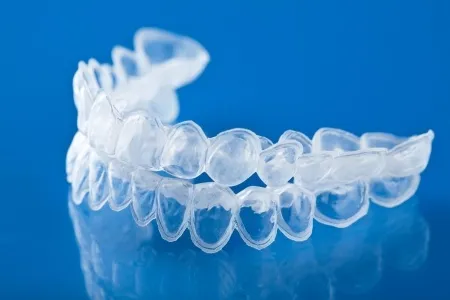
Custom whitening trays are made by your dentist, ensuring a perfect fit for your teeth. The dentist takes impressions of your teeth, and a lab creates trays that fit snugly. These trays are designed to hold the whitening gel against your teeth evenly. Because of the precise fit, they often provide better results and can be used for longer durations than over-the-counter trays, but always follow your dentist’s instructions. This type of tray is typically used with stronger bleaching agents and are often used for several hours a day or overnight.
Pre-filled Trays
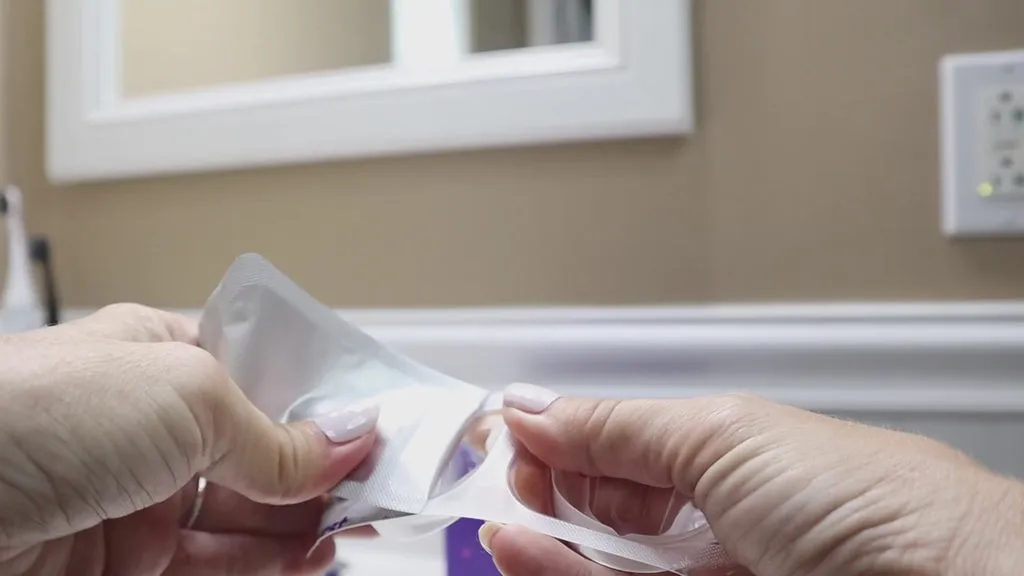
Pre-filled whitening trays are a convenient option, available in many drugstores and online. These trays come pre-loaded with a whitening gel, and the duration for which they are used is often shorter than with custom trays. The pre-filled trays are usually disposable, providing an easy way to whiten your teeth without the need for a custom-fitted tray. The whitening agent is often weaker than the one used in custom trays, so the results may take longer to achieve, and the duration of use is typically shorter – often 30 minutes or less at a time.
Over-the-Counter Trays
Over-the-counter (OTC) whitening trays are readily available, offering a more affordable option. These trays are usually a universal fit, meaning they’re not custom-made. The duration for which you wear these trays can vary depending on the specific product, but it’s crucial to adhere to the instructions to avoid potential side effects. OTC trays typically contain a lower concentration of whitening agents, so longer duration might be needed. It is important to be patient and follow the instructions, however, to avoid damaging your teeth.
Factors Influencing Whitening Tray Duration

Several factors influence the optimal duration for using whitening trays. The concentration of the whitening agent, the sensitivity of your teeth, and the severity of your teeth staining all play a role. Understanding these factors is crucial for determining the appropriate usage time and achieving the best results while minimizing risks. Always consider your individual needs and consult with your dentist to determine the ideal approach for your situation.
Concentration of Whitening Agent
The concentration of the bleaching agent directly affects the duration of use. Higher concentrations, often used in professional treatments, typically require shorter application times, while lower concentrations, common in OTC products, may require longer application times. Always adhere to the product’s instructions, as using a stronger concentration for too long can increase the risk of sensitivity and gum irritation, potentially causing damage to the enamel. The concentration is usually indicated on the product packaging, so it is important to check before starting to use the trays.
Sensitivity of Your Teeth
The sensitivity of your teeth is an essential factor in determining how long to use whitening trays. If you have sensitive teeth, you may need to use the trays for a shorter duration or at less frequent intervals to minimize discomfort. Sometimes, dentists will prescribe a desensitizing toothpaste or gel to use during the whitening process to help manage sensitivity. If you experience significant sensitivity, consult with your dentist; they may recommend an alternative or modify your treatment plan. This is to ensure that the process is comfortable and will not cause undue pain.
Staining Severity

The extent of your teeth staining can also influence the duration of treatment. Heavily stained teeth may require a longer treatment period or more frequent applications to achieve the desired whitening effect. However, it’s essential to balance this with the risk of side effects. Persistent stains require longer times and can be a sign of a more significant underlying issue. If stains are severe, consult with your dentist to explore alternative or more aggressive whitening treatments, or to address the cause of the staining and maintain good dental hygiene.
Following Instructions
Following the instructions provided with your whitening trays is paramount. Whether the product is prescribed by your dentist or bought over the counter, the manufacturer’s guidelines are designed to balance effectiveness with safety. Do not exceed the recommended duration or frequency of use, as this can lead to increased sensitivity and potential damage to your teeth and gums. If you’re unsure about any instructions, consult your dentist or contact the product manufacturer. Ignoring the instructions could lead to undesirable outcomes and potential damage, so it is crucial to adhere to the guidelines.
General Guidelines for Whitening Tray Usage
Adhering to general guidelines is crucial for achieving optimal results and minimizing potential risks. The recommended duration of use varies depending on the type of tray and the concentration of the whitening agent. Always read and follow the instructions provided with your specific product. When using whitening trays, both daytime and overnight use are possible and depend on the product’s formulation and your dentist’s recommendations.
Daytime Whitening

Daytime whitening often involves using trays for a shorter duration, typically ranging from 30 minutes to a few hours. This is usually the case with over-the-counter products. The application time depends on the product’s concentration and your dentist’s advice. With daytime whitening, it’s easier to monitor any side effects such as sensitivity or gum irritation. However, the results may take longer to achieve compared to overnight whitening. Following product instructions is crucial, and always keep an eye on the level of any potential side effects.
Overnight Whitening
Overnight whitening involves wearing the trays while you sleep, typically for several hours. This is usually done with custom trays and lower concentrations of whitening agent. While overnight whitening can provide faster results, it’s essential to ensure the trays fit properly to avoid any irritation. It’s also important to monitor for any sensitivity or discomfort and to consult your dentist if needed. Overnight whitening is not recommended for everyone. It is crucial to follow your dentist’s specific instructions for best results and safety.
Potential Side Effects and How to Manage Them
While whitening trays are generally safe, side effects can occur. Teeth sensitivity and gum irritation are the most common. Understanding these potential side effects and how to manage them is crucial to ensure a comfortable and effective whitening experience. Should you experience any of these, it’s important to take appropriate measures or consult your dentist. Being aware of these side effects is essential for a comfortable and positive experience.
Teeth Sensitivity
Teeth sensitivity is a common side effect of teeth whitening. It occurs because the whitening agents can penetrate the enamel and reach the dentin, irritating the nerves in your teeth. If you experience sensitivity, reduce the duration of the whitening sessions, or take breaks between treatments. Using a desensitizing toothpaste containing potassium nitrate can also help. Your dentist can also provide professional treatments to reduce sensitivity. If sensitivity persists or is severe, discontinue whitening and consult your dentist immediately. Regular use of desensitizing toothpaste can help reduce sensitivity.
Gum Irritation
Gum irritation can occur if the whitening agent comes into contact with your gums. This can happen if the trays don’t fit properly, or if you use too much gel. To prevent gum irritation, ensure your trays fit snugly and remove any excess gel before inserting the trays into your mouth. If irritation occurs, stop whitening and consult your dentist. Using a tray that fits properly is the best way to avoid this issue. Also, rinsing your mouth with water after removing the trays can help prevent this.
Tips for Maximizing Results and Minimizing Risks
To achieve the best results while minimizing risks, consider these tips. Consult your dentist before starting any teeth whitening treatment, and always follow their recommendations. Maintain good oral hygiene, and be aware of your limitations and expectations. Proper planning and execution of teeth whitening using trays will ensure great results.
Consulting Your Dentist

Consulting with your dentist is crucial before starting any teeth whitening treatment. Your dentist can assess your oral health, determine if whitening is suitable for you, and recommend the best approach. They can also create custom trays for a more precise fit and offer professional guidance. Before you start, your dentist will give you the right advice and the correct method to follow. Your dentist can also monitor your progress and address any potential issues, ensuring a safe and effective whitening experience. Having a dentist involved adds an extra level of security and increases the chances of the result you want.
Maintaining Oral Hygiene
Maintaining good oral hygiene is essential throughout the teeth whitening process. Brush your teeth twice a day with fluoride toothpaste, and floss daily to remove plaque and debris. Proper oral hygiene will also help to prevent the accumulation of stains on your teeth, and maximize the effectiveness of the whitening treatment. Avoid smoking and minimize consumption of staining foods and beverages, such as coffee, tea, and red wine. Brushing, flossing, and using mouthwash will all help keep your teeth in good condition and ensure a beautiful smile.
Realistic Expectations
It’s essential to have realistic expectations about teeth whitening. While whitening trays can significantly improve the brightness of your smile, they may not achieve the same results for everyone. The outcome depends on several factors, including the type of stains, the original shade of your teeth, and the chosen whitening method. Teeth whitening isn’t a permanent solution; the results will eventually fade over time. It is important to maintain good oral hygiene and to avoid consuming foods or drinks that can stain your teeth. Talk to your dentist to understand the potential results and to set reasonable expectations for your whitening treatment. Understand that individual results may vary, so make sure you have realistic expectations.
Whitening Tray Aftercare

After completing your whitening treatment, proper aftercare is essential to maintain your results and protect your teeth. This involves maintaining good oral hygiene, avoiding staining foods and drinks, and following any specific instructions provided by your dentist. By taking these steps, you can help your brighter, whiter smile last longer. This is important to consider after you have finished your whitening process, and keeping them clean will ensure a longer-lasting, healthier smile.