Why Are My Teeth Yellow After Whitening?
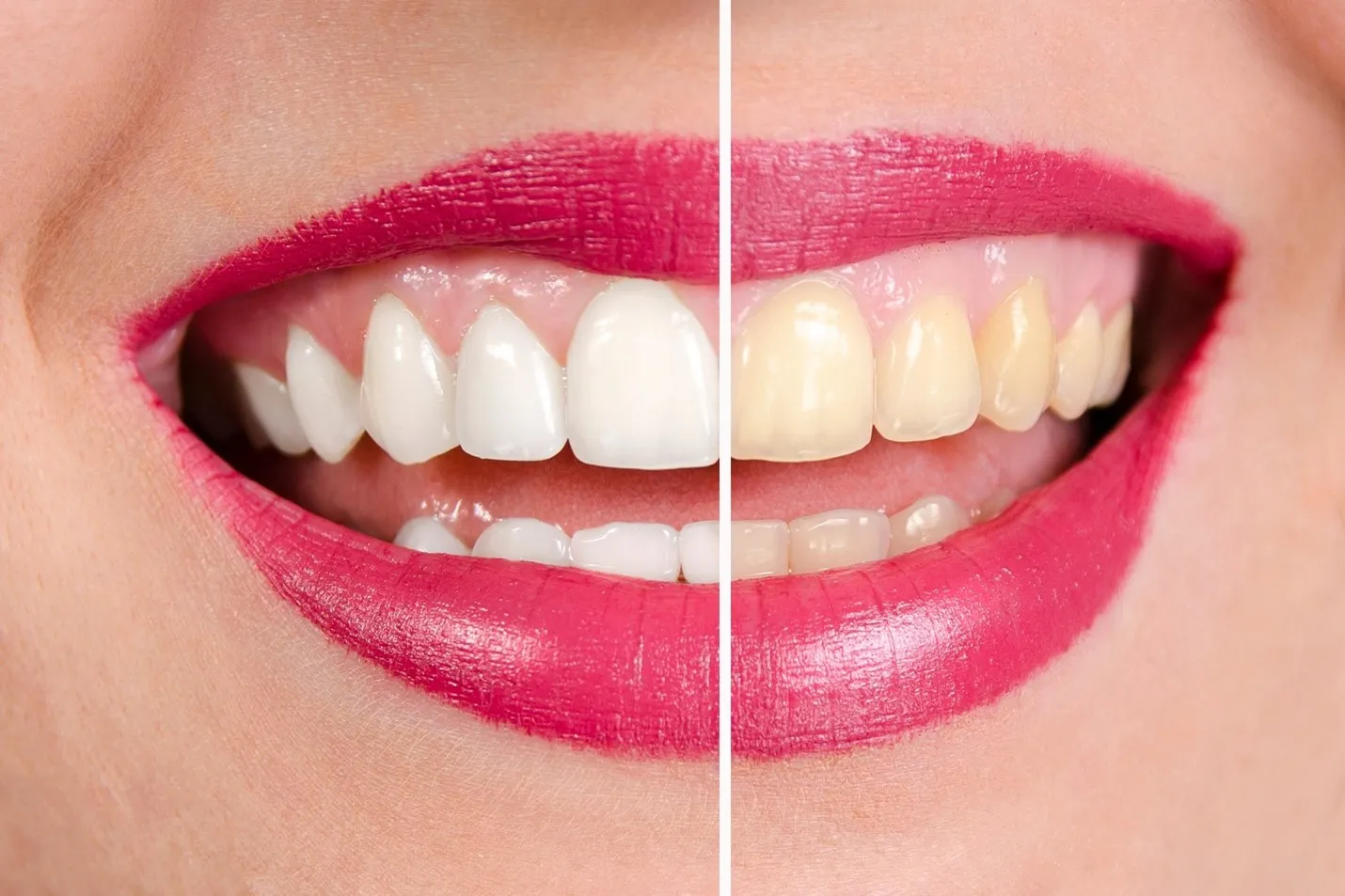
Achieving a brighter, whiter smile is a common goal, and teeth whitening treatments are often the go-to solution. However, sometimes, despite your best efforts, your teeth may appear yellow even after undergoing whitening. This can be frustrating, but understanding the underlying causes is the first step toward addressing the issue and restoring your pearly whites. Several factors can contribute to the yellowing of teeth after whitening, and this article will explore the top five culprits, providing you with insights and solutions to maintain a dazzling smile. From dietary choices to oral hygiene habits, we’ll delve into the reasons behind this common problem and offer practical advice to help you keep your teeth looking their best.
Staining From Food and Drinks
One of the most prevalent reasons for yellowing teeth after whitening is staining from food and drinks. Certain substances contain pigments that can easily attach to the enamel surface, causing discoloration over time. This is especially true immediately after a whitening treatment, as the enamel is more porous and susceptible to staining. Being mindful of your diet and making informed choices can make a significant difference in preserving your newly whitened smile. It’s important to understand which foods and beverages are most likely to cause staining so you can take preventive measures.
Foods and Drinks That Stain Teeth

Several everyday foods and drinks are known for their staining properties. Coffee, tea, and red wine are notorious culprits, as they contain dark pigments that easily adhere to the enamel. Similarly, deeply colored fruits like blueberries, blackberries, and cherries can contribute to staining. Sauces such as soy sauce, balsamic vinegar, and curries also have the potential to discolor teeth. Even seemingly innocuous items like sports drinks and carbonated beverages can contain acids that erode the enamel, making teeth more vulnerable to staining. Being aware of these common offenders allows you to make more conscious dietary choices.
Tips for Avoiding Food Stains
Preventing food stains involves a combination of mindful choices and proactive habits. One of the easiest ways to minimize staining is to rinse your mouth with water after consuming staining foods or drinks. This helps to wash away any lingering pigments before they can adhere to the enamel. Using a straw when drinking beverages like coffee, tea, or soda can also reduce contact with your teeth. Additionally, incorporating foods known to help clean teeth, such as apples and celery, into your diet can aid in removing surface stains. Lastly, regular dental checkups and cleanings can remove surface stains and help maintain your bright smile.
Poor Oral Hygiene
Maintaining excellent oral hygiene is crucial for keeping your teeth white and healthy, especially after whitening. Inadequate brushing, flossing, and irregular dental visits can contribute to the accumulation of plaque and tartar, which can cause teeth to appear yellow or stained. Practicing proper oral hygiene removes surface stains and prevents the buildup of substances that lead to discoloration. A consistent oral care routine not only enhances the appearance of your smile but also promotes overall dental health and helps you avoid other dental issues. Neglecting your oral hygiene can quickly negate the effects of teeth whitening and leave you with less-than-desirable results.
Inadequate Brushing and Flossing

Brushing and flossing are the cornerstones of good oral hygiene. Brushing at least twice a day with a fluoride toothpaste removes plaque and food particles that can cause staining. Be sure to brush for at least two minutes each time, covering all surfaces of your teeth. Flossing daily is equally essential, as it removes plaque and debris from between your teeth and along the gumline, areas that your toothbrush cannot reach. Failing to brush and floss adequately allows stains to build up, leading to yellowing and other dental problems. Making brushing and flossing a non-negotiable part of your daily routine is essential for maintaining a bright smile.
The Importance of Regular Dental Checkups
Regular dental checkups and professional cleanings are vital for maintaining optimal oral health. A dentist can identify and address any underlying issues that might be contributing to discoloration, such as cavities or gum disease. During a cleaning, a dental hygienist can remove plaque and tartar buildup, which can cause staining and make your teeth appear yellow. Regular checkups also allow your dentist to monitor your oral hygiene habits and provide personalized recommendations to improve your routine. Scheduling professional cleanings every six months, or as recommended by your dentist, is a proactive step in preserving your white smile and overall dental health.
Teeth Whitening Aftercare
Proper aftercare is vital to maintaining the results of your teeth whitening treatment. Immediately after whitening, your teeth are more vulnerable to staining because the enamel pores are open. Following your dentist’s instructions closely will minimize the risk of yellowing and ensure a long-lasting, bright smile. This includes adhering to dietary restrictions, using recommended oral care products, and attending follow-up appointments. Being diligent with your aftercare routine will significantly impact how long your teeth remain white.
Sensitivity and Tooth Whitening Products

Sensitivity is a common side effect of teeth whitening. Many whitening products contain ingredients that can cause temporary sensitivity. If you experience sensitivity, there are several ways to manage it. Using a toothpaste designed for sensitive teeth can help to reduce discomfort. You may also consider using a fluoride rinse to strengthen your enamel. In some cases, your dentist might recommend a break from whitening or suggest a lower-concentration product. Understanding and managing sensitivity is essential to avoid interrupting your whitening routine.
The Role of Dental Professionals
Consulting with a dental professional is essential for a successful teeth whitening journey. Your dentist can assess your oral health and determine if you are a suitable candidate for whitening. They can also recommend the most appropriate whitening method for your specific needs, whether it be in-office treatments or take-home kits. Furthermore, your dentist can provide personalized aftercare instructions and address any concerns or issues you may encounter. Regular checkups and professional cleanings are crucial for maintaining your bright smile and overall oral health.
Enamel Erosion and Thinning
Enamel erosion and thinning can also cause teeth to appear yellow. Enamel is the hard, protective outer layer of your teeth. As it wears away, the underlying dentin, which is naturally yellow, becomes more visible. Several factors can contribute to enamel erosion, including acidic foods and drinks, teeth grinding, and certain medical conditions. Protecting and preserving your enamel is essential to maintaining a bright, healthy smile. Addressing the root causes of enamel erosion and implementing preventative measures will help you avoid yellowing due to enamel loss.
Causes of Enamel Erosion

The causes of enamel erosion are varied, including dietary choices, medical conditions, and lifestyle habits. Frequently consuming acidic foods and drinks, such as citrus fruits, carbonated beverages, and vinegar, can erode enamel over time. Conditions like acid reflux can expose teeth to stomach acids, leading to erosion. Bruxism, or teeth grinding, can wear down enamel through mechanical friction. Even aggressive brushing or using abrasive toothpaste can contribute to enamel loss. Understanding the causes of enamel erosion empowers you to take proactive steps to protect your teeth.
Solutions to Protect Enamel
Protecting your enamel involves several preventative measures. Limiting the consumption of acidic foods and drinks is a primary step. Rinsing your mouth with water after consuming acidic substances can help neutralize acids. Using a soft-bristled toothbrush and non-abrasive toothpaste is essential to avoid damaging the enamel during brushing. If you grind your teeth, consider wearing a mouthguard at night to protect your enamel. Your dentist may also recommend fluoride treatments to strengthen your enamel and make it more resistant to erosion. Regular dental checkups and professional advice are invaluable in safeguarding your enamel and maintaining a bright smile.
Ageing and Natural Discoloration
Ageing is another factor that can contribute to yellowing teeth. Over time, the enamel on your teeth naturally thins, making the underlying dentin more visible. The dentin layer is yellowish in color, so as enamel wears away, your teeth may appear more yellow. Moreover, years of exposure to staining substances and wear and tear can also contribute to discoloration. While you can’t stop the ageing process, you can take steps to slow down the effects of age on the color of your teeth.
How Age Affects Tooth Color

As you age, several changes affect the color of your teeth. The enamel naturally thins, revealing more of the underlying dentin, which is yellowish. Years of consuming staining foods and beverages can accumulate, causing discoloration. Furthermore, the internal structure of your teeth can change, affecting how light reflects and causing a shift in color. While some discoloration is inevitable, maintaining good oral hygiene, avoiding excessive staining substances, and considering whitening treatments can help manage the effects of ageing on the appearance of your teeth.
Whitening Product Usage
When using teeth whitening products, it is essential to follow the instructions carefully to achieve the best results and minimize the risk of adverse effects. Overusing or misusing whitening products can lead to increased tooth sensitivity and potential damage to the enamel. Always consult with your dentist before starting any teeth whitening treatment to ensure it’s suitable for your oral health. Your dentist can guide you on the correct usage of whitening products, monitor your progress, and address any concerns you may have. Following professional advice will not only improve your chances of achieving a brighter smile but will also help keep your teeth healthy.