Understanding Philips Zoom Teeth Whitening
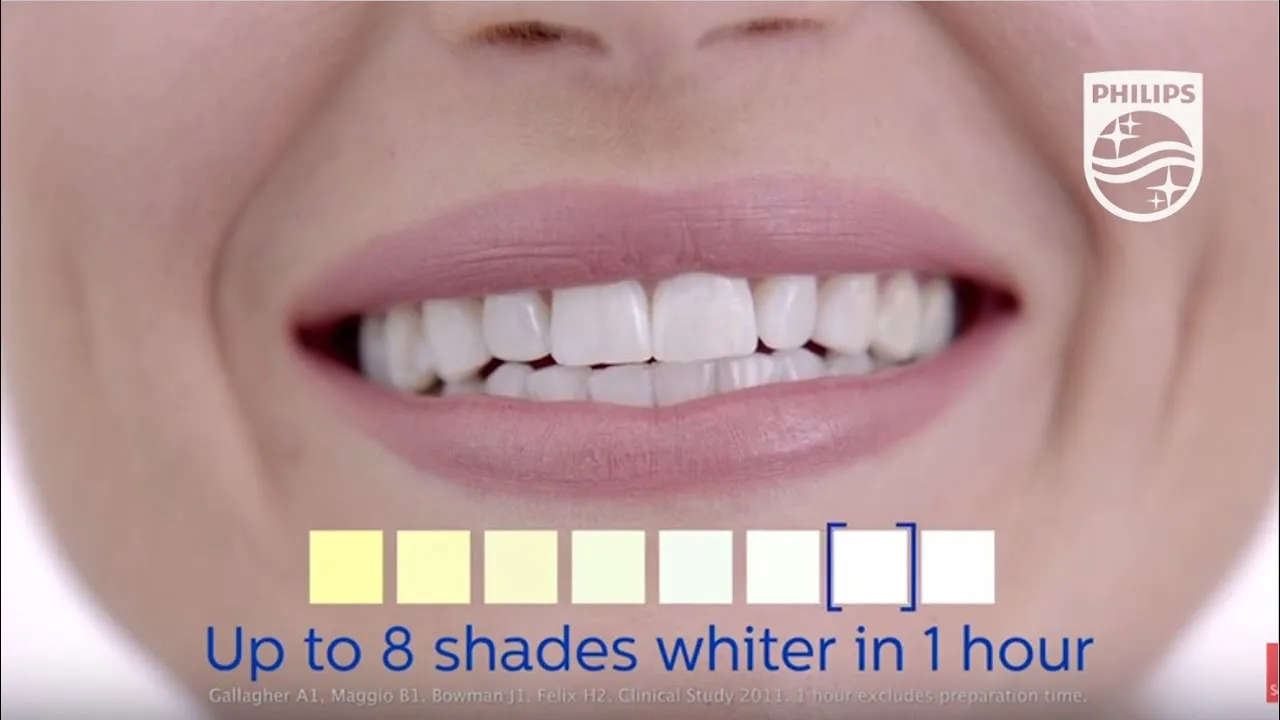
Philips Zoom is a professional teeth whitening system designed to significantly brighten your smile in a single dental visit. It’s a popular choice for individuals seeking a quick and effective way to achieve a whiter, more confident smile. The process utilizes a high-concentration hydrogen peroxide whitening gel, activated by a special light, to penetrate the enamel and break down stains. This in-office procedure offers results that are often far superior to over-the-counter whitening options. The treatment is generally safe and effective, providing dramatic improvements in tooth color within a relatively short timeframe. The process is meticulously performed by a trained dental professional, ensuring optimal results and minimizing potential side effects.
How Does Philips Zoom Whitening Work?
The science behind Philips Zoom teeth whitening revolves around the oxidation process. The hydrogen peroxide gel, the active ingredient, releases oxygen molecules that penetrate the enamel and dentin. These oxygen molecules then break down the stain-causing compounds, effectively lightening the teeth. The Zoom whitening lamp plays a crucial role by accelerating this process. The light helps activate the gel, making it more efficient at removing stains and discoloration. This is why in-office whitening is so effective; it combines a potent whitening agent with a light source that boosts its power. The entire process is carefully monitored by a dentist or trained professional to ensure both safety and effectiveness.
The Philips Zoom Whitening Process

The Philips Zoom whitening process is a carefully orchestrated series of steps designed to deliver optimal results. From the initial consultation to the final aftercare instructions, each stage is essential for a successful outcome. Understanding each step can help you feel more comfortable and informed throughout the process, contributing to a positive experience and a brighter, more confident smile. The dentist will assess your oral health and suitability for the treatment before beginning the whitening procedure. They will also explain what to expect and answer any questions you may have.
Preparing for Your Zoom Whitening Appointment
Before undergoing Philips Zoom teeth whitening, there are a few preparatory steps to ensure the best possible outcome. These steps not only enhance the effectiveness of the whitening treatment but also contribute to a smoother, more comfortable experience. Proper preparation includes a thorough dental check-up and cleaning, as well as understanding the process involved. The dentist will assess your overall oral health to identify and address any potential issues before proceeding with the whitening. This includes checking for cavities, gum disease, or other conditions that might affect the treatment.
Consultation and Evaluation
The initial consultation is a critical step in the Philips Zoom whitening process. During this phase, your dentist will evaluate your oral health to determine if you are a suitable candidate for the treatment. This assessment involves a comprehensive examination of your teeth and gums, looking for any pre-existing conditions such as cavities, gum disease, or sensitive teeth. The dentist will also inquire about your medical history and any allergies you may have. They will discuss your expectations and explain the whitening process, including potential risks and benefits. This is also an opportunity to ask questions and address any concerns before proceeding with the whitening treatment. The dentist can also provide an estimate of how many shades lighter your teeth might become.
Pre-Whitening Cleaning

Before the whitening procedure begins, your teeth will undergo a thorough cleaning, often performed by a dental hygienist. This pre-whitening cleaning helps to remove any surface stains, plaque, and tartar that could impede the effectiveness of the whitening gel. The hygienist uses specialized tools to polish the teeth, preparing the enamel for optimal results. Removing these surface deposits ensures that the whitening agent can fully penetrate the tooth surface and effectively break down the underlying stains. This initial cleaning step is essential for maximizing the whitening outcome and ensuring that the Zoom treatment can work at its best. The dentist will also check for any issues and recommend solutions to address any oral health problems identified during the cleaning.
The Zoom Whitening Procedure
The Philips Zoom whitening procedure is a carefully executed process designed to provide significant and noticeable results in a single dental visit. The treatment involves several crucial steps, each meticulously performed by a trained dental professional. This in-office procedure ensures the safety and efficacy of the whitening process. The dentist will use specific techniques and equipment to guarantee optimal results. Following the prescribed protocol is essential to achieve the desired level of tooth whitening while minimizing any potential discomfort or side effects. The patient can relax and feel confident that the treatment is being performed safely and effectively.
Step-by-Step Instructions
After the initial preparation, the Zoom whitening procedure proceeds in several steps, each meticulously executed. First, the dentist or dental hygienist will isolate your teeth, protecting your gums and lips with a special barrier. This crucial step prevents the whitening gel from contacting sensitive tissues. Next, the whitening gel is carefully applied to the surface of your teeth. This gel contains a high concentration of hydrogen peroxide, the active ingredient that breaks down stains. Then, the Zoom whitening lamp is positioned, and the light is directed onto your teeth. The lamp activates the gel, accelerating the whitening process. This is repeated in several cycles, usually three or four, to achieve the desired level of brightness.
Application of Whitening Gel

The application of the Philips Zoom whitening gel is a critical step in the procedure. The dentist will carefully apply the gel to the front surfaces of the teeth that are visible when you smile. They use a precise technique to ensure even coverage and prevent the gel from contacting the gums, which can cause sensitivity. The high concentration of hydrogen peroxide in the gel starts to break down the stains on the teeth. The dentist will control the amount of gel and ensure that the application is consistent across all teeth to achieve uniform whitening results. The gel is typically applied in multiple rounds, each followed by activation with the Zoom lamp, to maximize its effectiveness.
Use of the Zoom Whitening Lamp
The Philips Zoom whitening lamp plays a vital role in accelerating the whitening process. After the gel is applied, the dentist will position the lamp close to your teeth, ensuring that the light is directed onto the gel-covered surfaces. The lamp emits a specific wavelength of light that activates the hydrogen peroxide in the gel, enhancing its stain-removing capabilities. The light energy speeds up the breakdown of stain-causing molecules, making the whitening process more efficient. The dentist carefully monitors the procedure, controlling the duration of each light cycle and adjusting the lamp’s position as needed. The lamp is used in intervals, typically several times during the session, to achieve optimal whitening results.
Post-Whitening Care Instructions
Following the Philips Zoom whitening procedure, careful post-whitening care is crucial to maintain your results and minimize any potential side effects. Your dentist will provide you with detailed instructions. This includes avoiding certain foods and drinks that can stain your teeth. It is also important to practice good oral hygiene. By adhering to these guidelines, you can prolong the longevity of your brighter, whiter smile. The aftercare phase contributes significantly to the overall success of the whitening treatment. Maintaining good oral hygiene and being mindful of what you consume will help you keep your teeth looking their best.
Avoiding Staining Foods and Drinks

During the initial period after your Philips Zoom whitening treatment, it’s essential to avoid foods and drinks that can stain your teeth. These include coffee, tea, red wine, dark-colored sodas, berries, and heavily pigmented sauces. These items contain color pigments that can easily re-stain the freshly whitened enamel. It’s recommended to adhere to a ‘white diet’ for the first few days, which consists of foods like white rice, pasta, chicken, and dairy products. This will help your teeth to stabilize their new shade. After the initial period, you can gradually reintroduce staining foods and drinks, but it’s always a good idea to brush your teeth soon after consumption or to drink through a straw to minimize contact with your teeth.
Maintaining Your Results
To maintain the results of your Philips Zoom whitening treatment, follow your dentist’s recommendations. This includes regular brushing and flossing. You can also consider using a whitening toothpaste and mouthwash to help maintain the brightness of your smile. Additionally, routine dental check-ups and cleanings are essential to address any potential issues. Your dentist may also provide custom-fitted whitening trays and gel for touch-up treatments at home. Avoiding smoking and minimizing your intake of staining foods and drinks can also contribute to long-lasting results. Consistent care and attention will help to keep your teeth looking their best for an extended period.
Tips for Maximizing Your Whitening Results
To ensure the best possible results from your Philips Zoom whitening treatment, consider incorporating additional steps and habits. Following the post-whitening care instructions is crucial. But there are also other proactive measures you can take to maximize the brightness and longevity of your newly whitened smile. These tips, coupled with good oral hygiene practices, will contribute to maintaining and enhancing the effects of the whitening procedure. Taking extra precautions and being mindful of your lifestyle choices can help you enjoy a radiant smile for a longer time. The dentist will provide guidance on these aspects to ensure the best possible outcome.
Following Aftercare Instructions
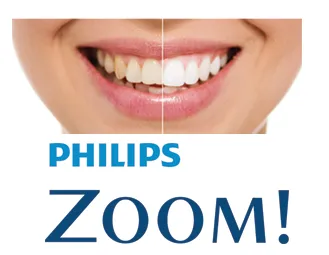
Adhering to the aftercare instructions provided by your dentist is paramount for achieving and maintaining your desired whitening results. These instructions typically include recommendations for avoiding certain foods and drinks that can stain teeth. It also involves practicing meticulous oral hygiene habits. Following these guidelines minimizes the risk of re-staining and helps maintain the enhanced brightness of your smile. The dentist might recommend specific products or provide a customized plan to optimize your aftercare routine. Proper adherence to aftercare protocols not only ensures long-lasting results but also promotes overall oral health.
Regular Dental Check-ups
Regular dental check-ups play a vital role in maintaining the results of your Philips Zoom whitening treatment and ensuring overall oral health. During these check-ups, your dentist can assess the condition of your teeth and gums, identifying any potential issues early on. They can also provide professional cleanings to remove plaque and tartar, which can help prevent staining. Regular check-ups allow your dentist to monitor the effectiveness of your whitening treatment and offer recommendations for touch-up treatments if needed. Dental professionals can also provide personalized advice on oral hygiene practices. These regular appointments help preserve the investment in your smile and maintain optimal oral health.
Common Questions and Troubleshooting
Understanding potential side effects and knowing how to address them can significantly enhance your Philips Zoom whitening experience. While the procedure is generally safe and effective, some individuals may experience temporary sensitivity or other minor issues. Addressing these concerns promptly can help minimize any discomfort and ensure a smooth recovery. The dentist can provide helpful solutions to alleviate any issues. The dentist’s guidance and readily available remedies can help you navigate any challenges and feel confident throughout the process.
Sensitivity Issues

Tooth sensitivity is a common temporary side effect of Philips Zoom whitening. Some individuals may experience increased sensitivity to hot or cold temperatures. This sensitivity typically subsides within a few days after the treatment. Your dentist may recommend using a desensitizing toothpaste before and after the procedure to help manage any discomfort. Over-the-counter pain relievers can also be used to alleviate any sensitivity. It’s also advisable to avoid excessively hot or cold foods and drinks during this period. If the sensitivity persists or worsens, it’s essential to consult your dentist for further advice and treatment.
Uneven Whitening
In some cases, uneven whitening may occur after Philips Zoom treatment. This can be due to various factors. These may include variations in the natural shade of your teeth, the presence of existing dental work, or inconsistent application of the whitening gel. If you notice uneven results, it’s important to discuss this with your dentist. They may recommend additional treatments or touch-up sessions to achieve a more uniform appearance. In the case of existing dental work, such as fillings or crowns, the dentist may recommend replacement to match the new, brighter shade of your natural teeth. The dentist is equipped to help you to get the best results possible.
Is Philips Zoom Right for You?
Philips Zoom teeth whitening offers a remarkable way to enhance your smile and boost your confidence. However, it’s essential to consider whether this treatment is the right choice for you. The best way to determine suitability is to consult with your dentist. The dentist will assess your oral health, discuss your expectations, and address any concerns. Individuals with significant tooth discoloration or those seeking dramatic results often find Zoom whitening to be a suitable solution. However, it’s also crucial to consider potential side effects, such as sensitivity. Understanding the entire process, from preparation to aftercare, will help you make an informed decision and achieve a radiant, confident smile.