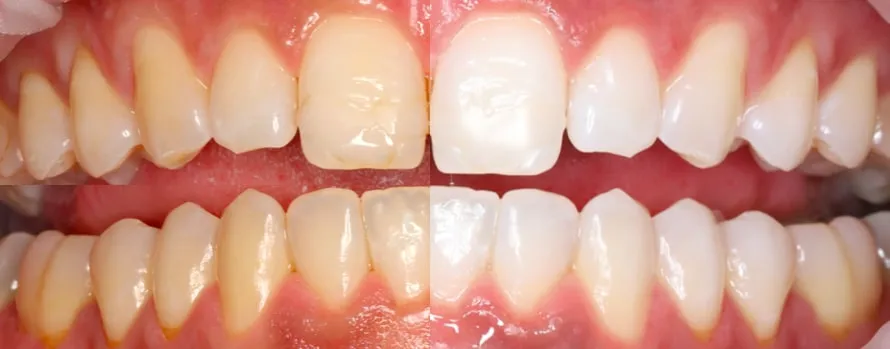
What is Zoom Teeth Whitening?
Zoom teeth whitening is a popular cosmetic dental procedure designed to brighten your smile. It involves the use of a powerful bleaching agent, typically hydrogen peroxide, which is applied to the teeth. This process is often coupled with a special light, which helps to accelerate the whitening process, leading to significantly whiter teeth in a relatively short amount of time. Zoom whitening is usually performed in a dental office, providing a controlled environment for optimal results. Patients often seek this procedure to remove stains caused by coffee, tea, tobacco, or simply to enhance the natural brightness of their teeth. It’s important to understand the process and potential side effects, including the possibility of pain, before undergoing this treatment.
The Process of Zoom Whitening
The Zoom whitening process begins with a dental professional preparing your mouth and teeth. This includes a thorough cleaning to remove any plaque or debris that might interfere with the whitening agent. Protective measures, such as a cheek retractor and a protective gel for the gums, are then applied to ensure that the whitening agent only comes into contact with your teeth. The whitening gel is applied to the teeth, and the special Zoom light is directed at them. This light activates the gel, breaking down stains and discolorations. The process is typically repeated in intervals, often three or four 15-minute sessions, during a single appointment. After the treatment, the dentist will remove the gel and provide post-whitening instructions.
How Zoom Whitening Works

The core of the Zoom whitening process lies in the chemical reaction between the bleaching agent and the stains on your teeth. The hydrogen peroxide in the whitening gel penetrates the enamel and dentin, the layers that make up your teeth. It then breaks down the stain molecules, effectively lightening the color of your teeth. The Zoom light acts as a catalyst, accelerating this process and enhancing the effectiveness of the gel. While the light doesn’t directly whiten the teeth, it helps the bleaching agent to work more efficiently. The result is a brighter, more vibrant smile. It’s a scientifically proven method, but the intensity and potential side effects can vary from person to person.
Potential Causes of Pain During Zoom Whitening
While Zoom teeth whitening is generally safe, some individuals may experience pain or discomfort during or after the procedure. This pain can manifest in various ways, from mild sensitivity to more intense sharp pains. Understanding the causes of this pain is crucial for managing it effectively and ensuring a comfortable experience. Several factors can contribute to pain, including the strength of the whitening agent, the health of your teeth, and individual sensitivity levels. It is important to discuss any concerns with your dentist beforehand to mitigate potential issues. The dentist can assess your oral health and recommend steps to reduce the likelihood of experiencing pain.
Sensitivity to the Whitening Gel
One of the most common causes of pain during Zoom whitening is sensitivity to the bleaching agent. The hydrogen peroxide in the gel can penetrate the enamel and reach the dentin, which contains tiny tubules that lead to the nerves of your teeth. This can cause a temporary increase in sensitivity, especially to hot or cold temperatures. The level of sensitivity varies from person to person. Some individuals experience only mild discomfort, while others may feel sharp, shooting pains. This sensitivity typically subsides within a few days after the procedure. However, it is important to be aware of this potential side effect and take appropriate measures to manage it.
Gum Irritation

Gum irritation is another potential source of pain during Zoom whitening. While dentists take precautions to protect the gums, some of the whitening agent may come into contact with the soft tissues. This can lead to inflammation, redness, and discomfort. Individuals with sensitive gums or pre-existing gum conditions may be more susceptible to irritation. The symptoms of gum irritation may include burning sensation, swelling, or soreness. The irritation usually resolves within a few days, but it is important to follow your dentist’s post-whitening instructions, including using a desensitizing toothpaste and avoiding irritating foods and drinks, to promote healing.
Pre-existing Dental Issues
Individuals with pre-existing dental issues, such as cavities, cracks, or receding gums, may experience heightened pain during Zoom whitening. The whitening agent can penetrate these areas more easily, exacerbating the sensitivity. In the case of cavities, the gel can irritate the exposed nerves. Cracks in the teeth can allow the agent to reach the pulp, the innermost part of the tooth, causing pain. Receding gums can expose the root surfaces of the teeth, which are more sensitive than the enamel-covered crown. Therefore, it is crucial to address any pre-existing dental problems before undergoing Zoom whitening. Your dentist can assess your oral health and recommend appropriate treatments to minimize discomfort.
Top 5 Facts About Pain and Zoom Whitening
Fact 1: Sensitivity is Common

Sensitivity is a frequently reported side effect of Zoom teeth whitening. Many patients experience some level of tooth sensitivity during or after the procedure. This sensitivity can range from mild twinges to more intense pain, typically triggered by hot or cold foods and drinks. The good news is that this sensitivity is usually temporary, lasting only a few days. The intensity of the sensitivity can vary depending on individual tooth structure and the concentration of the whitening agent used. Dentists often recommend desensitizing toothpaste and other measures to minimize discomfort.
Fact 2: Gum Irritation Can Occur
Gum irritation is another potential side effect of Zoom whitening. While dentists take precautions to protect the gums with barriers, some gel can still come into contact with the soft tissues. This can cause inflammation, redness, and soreness. Individuals with sensitive gums are more prone to this. The irritation usually subsides within a few days with proper care. It is essential to follow your dentist’s instructions, which may include using a mild toothpaste and avoiding irritating foods. In severe cases, the dentist might recommend anti-inflammatory medications.
Fact 3: Pain Varies
The level of pain experienced during Zoom teeth whitening varies significantly from person to person. Some individuals experience very little discomfort, while others report more significant pain. This variation can be attributed to several factors, including the health of the teeth, the thickness of the enamel, and individual sensitivity levels. People with existing dental issues, such as cavities or cracks, might experience more pain. The dentist can assess individual risk factors and tailor the treatment to minimize discomfort. For example, a lower concentration of the whitening agent may be used for sensitive teeth.
Fact 4: Pre-treatment Matters

Addressing any pre-existing dental problems before undergoing Zoom whitening can significantly reduce the likelihood of experiencing pain. Cavities, cracks, and gum disease can exacerbate sensitivity and discomfort. Your dentist will perform a thorough examination to identify and treat any existing issues. Filling cavities, addressing gum problems, and possibly using desensitizing treatments before whitening can help create a more comfortable experience. This proactive approach can help ensure the success of the whitening procedure and minimize any potential side effects. Consulting with your dentist beforehand is highly recommended.
Fact 5: Post-Care is Crucial
Proper post-whitening care plays a vital role in minimizing pain and promoting healing. Following your dentist’s instructions is essential. This typically includes using a desensitizing toothpaste, avoiding highly acidic or staining foods and drinks for a few days, and practicing gentle brushing. Desensitizing toothpastes help block the tubules in the dentin, reducing sensitivity. Avoiding staining agents prevents the teeth from reabsorbing stains during the whitening process. Gentle brushing helps prevent further irritation of the gums and teeth. Regular dental check-ups and good oral hygiene practices will help maintain the results of the whitening and ensure overall oral health.
Minimizing Pain During Zoom Whitening
Fortunately, there are several strategies you can employ to minimize pain during Zoom teeth whitening. By taking proactive measures and following your dentist’s recommendations, you can increase the likelihood of a comfortable and successful procedure. Open communication with your dentist is essential throughout the process. Discussing any concerns or discomfort you experience will allow the dentist to make adjustments and provide appropriate support. It’s always best to be informed and prepared to ensure the best possible outcome for your teeth whitening experience, focusing on both aesthetics and comfort.
Consulting with Your Dentist

The first and most crucial step in minimizing pain is to consult with your dentist before undergoing Zoom teeth whitening. Your dentist can assess your oral health, identify any potential risks, and discuss your individual sensitivity levels. They can also recommend pre-treatment options, such as using a desensitizing toothpaste for a couple of weeks before the procedure. During the consultation, be sure to share your complete medical and dental history. Your dentist will determine whether Zoom whitening is appropriate for you and will explain the procedure and its potential side effects. Clear communication and addressing any concerns beforehand will go a long way in ensuring a comfortable experience.
Using Desensitizing Products
Desensitizing products can play a key role in managing tooth sensitivity both before and after Zoom whitening. Your dentist may recommend using a desensitizing toothpaste containing ingredients like potassium nitrate or stannous fluoride for at least two weeks before the procedure. These ingredients help block the tubules in the dentin, reducing sensitivity to external stimuli. After the whitening, continuing to use the desensitizing toothpaste can provide ongoing relief. Your dentist may also suggest fluoride treatments or other desensitizing agents to apply directly to your teeth. Following your dentist’s recommendations for desensitizing products can significantly reduce discomfort.
Following Post-Whitening Care Instructions
Proper post-whitening care is essential for minimizing pain and promoting healing. Your dentist will provide specific instructions on how to care for your teeth after the procedure. These instructions typically include avoiding highly acidic or staining foods and drinks, such as coffee, tea, red wine, and berries, for a few days. Using a desensitizing toothpaste is highly recommended. Brushing gently and flossing regularly are crucial to maintaining good oral hygiene without irritating your teeth and gums. If you experience any persistent or severe pain, contact your dentist immediately. Following these instructions will help you recover quickly and maintain your bright, white smile.
Conclusion

Zoom teeth whitening can be a great way to enhance your smile. It is important to acknowledge and understand the potential for pain or discomfort associated with the procedure. While some sensitivity and gum irritation are common, they are usually temporary and manageable. By consulting with your dentist, understanding the process, and taking appropriate preventative and post-treatment measures, you can greatly increase the likelihood of a comfortable and successful teeth whitening experience. Always prioritize open communication with your dentist and follow their specific instructions for optimal results and to enjoy a brighter, healthier smile.