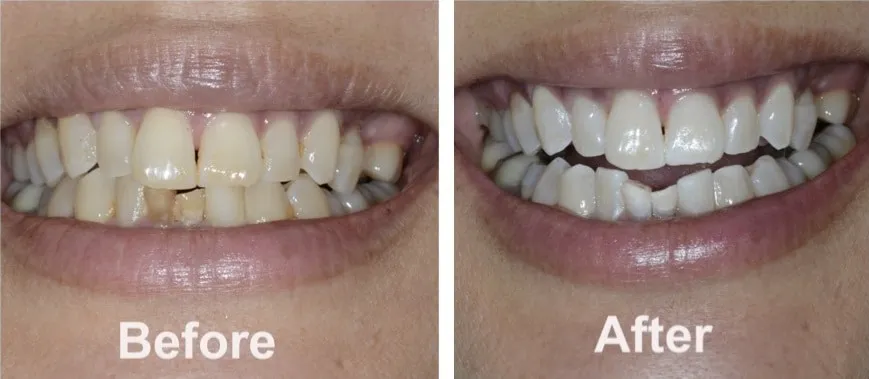
What is Zoom Teeth Whitening?
Zoom teeth whitening is a popular in-office cosmetic dental procedure designed to brighten your smile significantly in a single appointment. This process involves the application of a high-concentration hydrogen peroxide whitening gel to the teeth. The dentist then uses a special Zoom whitening lamp to accelerate the bleaching process. This lamp emits a specific wavelength of light that activates the hydrogen peroxide, breaking down stains and discoloration on the enamel of your teeth. The treatment typically lasts about an hour and is often completed in multiple 15-minute sessions. The immediate results are a noticeably whiter smile, making it a preferred choice for those seeking quick and effective teeth whitening solutions. It’s essential to understand that the intensity and duration of the whitening effect can vary based on individual factors, including the initial condition of the teeth and lifestyle habits, such as diet and smoking.
Understanding Tooth Sensitivity After Zoom Whitening
Tooth sensitivity after Zoom teeth whitening is a common and temporary side effect. Many individuals experience some level of sensitivity following the procedure. This sensitivity can range from mild discomfort to more noticeable sharp pains, typically triggered by hot, cold, sweet, or acidic foods and drinks. The sensitivity arises because the whitening process temporarily makes the enamel more porous. As the hydrogen peroxide penetrates the enamel, it can irritate the nerves within the teeth. This irritation is usually temporary, with sensitivity often subsiding within a few days to a couple of weeks after the treatment. The intensity of the sensitivity can be influenced by several factors, including the concentration of the whitening agent used, the individual’s existing dental health, and the sensitivity of their teeth before the procedure. It is important to be prepared for possible sensitivity and to follow your dentist’s recommendations for managing any discomfort.
How Does Zoom Whitening Cause Sensitivity?

The primary mechanism by which Zoom whitening causes sensitivity is the action of hydrogen peroxide, the active ingredient in the whitening gel. As the gel breaks down stains, it also penetrates the enamel of the teeth, creating temporary porosity. This increased porosity allows substances to reach the dentin, the layer beneath the enamel, which contains the nerve endings connected to the pulp of the tooth. The Zoom whitening lamp plays a crucial role in this process by accelerating the breakdown of hydrogen peroxide, which in turn speeds up the whitening and potentially increases the level of sensitivity. The increased penetration of the bleaching agent can irritate the nerves within the teeth, leading to sensitivity. The intensity of this effect varies depending on the individual and the specific formulation of the whitening gel used. Understanding this process helps patients manage their expectations and prepare for potential discomfort following the procedure.
Fact 1 The Peroxide Factor
The primary culprit behind teeth whitening sensitivity is hydrogen peroxide, the active ingredient in the Zoom whitening gel. The higher the concentration of hydrogen peroxide, the more effective the whitening process, but the greater the potential for sensitivity. During the procedure, hydrogen peroxide penetrates the enamel, which can cause the teeth to become more porous. This action allows the peroxide to reach the dentin, which contains microscopic tubules that lead to the nerve endings inside the tooth. As a result, the nerves become irritated, leading to the sensation of sensitivity. The light from the Zoom lamp accelerates this process, enhancing both the whitening effect and the potential for sensitivity. The intensity of the sensitivity depends on individual tooth structure, the concentration of hydrogen peroxide, and the duration of exposure. It’s a balancing act between achieving a whiter smile and minimizing discomfort. Therefore, dentists often tailor the treatment to each patient’s needs to achieve the best results with the least sensitivity.
Fact 2 Tooth Structure & Sensitivity
The natural structure of your teeth plays a significant role in how sensitive they are to Zoom whitening. Individuals with thinner enamel or pre-existing cracks and fissures in their teeth are more prone to experiencing sensitivity. Enamel acts as a protective barrier, and a thinner layer provides less insulation for the underlying dentin and nerve endings. Cracks and fissures create pathways for the whitening agent to penetrate more quickly and easily. The dentin layer contains tiny tubules that lead to the tooth’s nerve, and the more exposed these tubules are, the greater the likelihood of sensitivity. This means that some people naturally have more sensitive teeth than others. The health and integrity of your teeth are key factors in how you will respond to the whitening treatment. A dentist will assess your teeth before the procedure to identify any potential issues that might increase sensitivity. If problems are detected, they might recommend alternative treatments or adjustments to the whitening process.
Fact 3 Gum Irritation & Sensitivity

Gum irritation is another factor that can contribute to sensitivity after Zoom teeth whitening. While the whitening gel is primarily applied to the teeth, it can sometimes come into contact with the gums. This contact can cause irritation, redness, and swelling. The soft tissues of the gums are more sensitive than tooth enamel, and the chemicals in the whitening gel can cause a burning sensation. The dentist takes precautions, such as using a protective barrier to shield the gums during the procedure, to minimize this risk. However, some degree of gum irritation is still possible. This inflammation can exacerbate tooth sensitivity because the gums play an important role in protecting the roots of your teeth. When gums are irritated, the tooth roots may become more exposed, leading to increased sensitivity to hot and cold foods and drinks. Proper aftercare, including avoiding harsh brushing and using a gentle mouthwash, is essential to help the gums heal and minimize any discomfort.
Fact 4 Pre-Existing Conditions
Certain pre-existing dental conditions can increase your likelihood of experiencing sensitivity after Zoom teeth whitening. If you already have sensitive teeth, cavities, receding gums, or any other dental issues, the whitening process could intensify these sensitivities. For example, individuals with exposed root surfaces due to gum recession may find themselves particularly sensitive because the roots lack the protective enamel. Cavities and other forms of tooth decay create areas where the whitening agent can easily reach the nerve endings, thus increasing sensitivity. It is crucial to inform your dentist about any existing dental problems before undergoing Zoom teeth whitening. The dentist will assess your overall oral health and may recommend treating these conditions before proceeding with the whitening treatment. This will reduce the likelihood of severe sensitivity and ensure that you can comfortably enjoy your brighter smile. Addressing pre-existing conditions is an important step in preparing for a successful and comfortable teeth whitening experience.
Fact 5 Improper Aftercare
Following the dentist’s aftercare instructions diligently is crucial to minimize sensitivity after Zoom teeth whitening. Improper care can significantly worsen any discomfort you experience. This includes avoiding highly acidic, very hot, or very cold foods and drinks for the first few days after the procedure, as these can trigger sensitivity. Brushing your teeth too aggressively or using a whitening toothpaste immediately after the treatment can also exacerbate sensitivity. Your dentist will likely recommend using a desensitizing toothpaste containing ingredients like potassium nitrate, which can help block the nerve signals in your teeth. It is important to maintain good oral hygiene, but using a soft-bristled toothbrush and gentle brushing techniques is essential to avoid irritating the gums and teeth. Proper aftercare will help your teeth recover and reduce sensitivity, allowing you to enjoy your brighter smile without prolonged discomfort.
Managing Sensitivity After Zoom Whitening

There are several ways to manage sensitivity after Zoom teeth whitening to ensure your comfort. The most important step is to follow the dentist’s aftercare instructions, which include using a desensitizing toothpaste and avoiding trigger foods. Over-the-counter pain relievers, such as ibuprofen or acetaminophen, can help alleviate any pain. In some cases, your dentist might recommend fluoride treatments to strengthen the enamel and reduce sensitivity. Avoid extreme temperatures in your diet, and opt for lukewarm foods and beverages for the first few days. Remember that sensitivity is usually temporary and diminishes over time. If the discomfort is severe or prolonged, consult your dentist immediately. They can provide additional treatments or make adjustments to help manage your sensitivity more effectively. Be patient, as the sensitivity often subsides within a couple of weeks, allowing you to fully enjoy the results of your teeth whitening treatment.
Over-the-Counter Solutions
Several over-the-counter products can help manage sensitivity after Zoom teeth whitening. Desensitizing toothpastes are a common and effective solution, as they contain ingredients like potassium nitrate or stannous fluoride, which help to block the nerve signals in the teeth. These toothpastes should be used regularly, preferably starting a few weeks before the whitening treatment, to build up their effectiveness. Additionally, avoiding whitening toothpastes immediately after the procedure is crucial because they can potentially increase sensitivity. Fluoride mouthwashes can also help strengthen enamel and reduce sensitivity, but be cautious about using mouthwashes that contain alcohol, as they can sometimes exacerbate discomfort. If you experience pain, over-the-counter pain relievers, such as ibuprofen or acetaminophen, can provide relief. For optimal results, consult your dentist about which products are best suited for your specific needs and sensitivities. Remember to follow the instructions on the product labels and use them consistently to maximize their benefits.
Professional Treatments
If over-the-counter solutions aren’t enough, your dentist can offer professional treatments to manage sensitivity after Zoom teeth whitening. Fluoride treatments, either in the form of a varnish applied to the teeth or a custom-fitted tray for at-home use, can help strengthen the enamel and reduce sensitivity. In more severe cases, the dentist might prescribe a stronger desensitizing agent or recommend a specific toothpaste regimen. Sometimes, dentists use a bonding agent to seal microscopic cracks and fissures in the enamel, thus preventing the whitening agent from reaching the nerves. Your dentist might also recommend a soft-tissue laser treatment to desensitize the teeth by closing the dentinal tubules. These professional treatments are designed to provide quicker and more effective relief compared to over-the-counter products. Always consult with your dentist to determine the most appropriate professional treatments for your situation and to ensure you receive the best possible care.
Preventing Sensitivity Before Zoom Whitening

Proactive measures taken before your Zoom teeth whitening treatment can significantly reduce the likelihood of experiencing sensitivity. One key step is to consult with your dentist about your oral health. Address any existing dental issues, such as cavities or gum disease, prior to the whitening procedure. Your dentist may recommend a professional cleaning to remove plaque and tartar, which can sometimes contribute to sensitivity. Using a desensitizing toothpaste containing potassium nitrate or stannous fluoride for a few weeks before your treatment can help build up your teeth’s resistance to sensitivity. Avoiding highly acidic foods and drinks in the days leading up to your whitening appointment can also reduce potential discomfort. These preparatory steps can help you minimize sensitivity and enjoy a more comfortable and successful whitening experience. Work closely with your dentist to personalize your pre-treatment plan and ensure the best possible results.
Consulting Your Dentist
The most important step in managing and preventing sensitivity after Zoom teeth whitening is consulting your dentist. They can assess your oral health, identify any pre-existing conditions that might increase your risk of sensitivity, and tailor the whitening process to your specific needs. Your dentist can recommend appropriate desensitizing products and provide instructions on proper aftercare to minimize discomfort. They can also offer professional treatments if over-the-counter solutions aren’t sufficient. Regular dental check-ups before and after your whitening treatment ensure that your teeth remain healthy and that any issues are promptly addressed. Communicate openly with your dentist about any concerns or discomfort you experience during or after the whitening procedure. Following your dentist’s guidance and advice will help you achieve a brighter smile while minimizing sensitivity and ensuring your overall oral health.