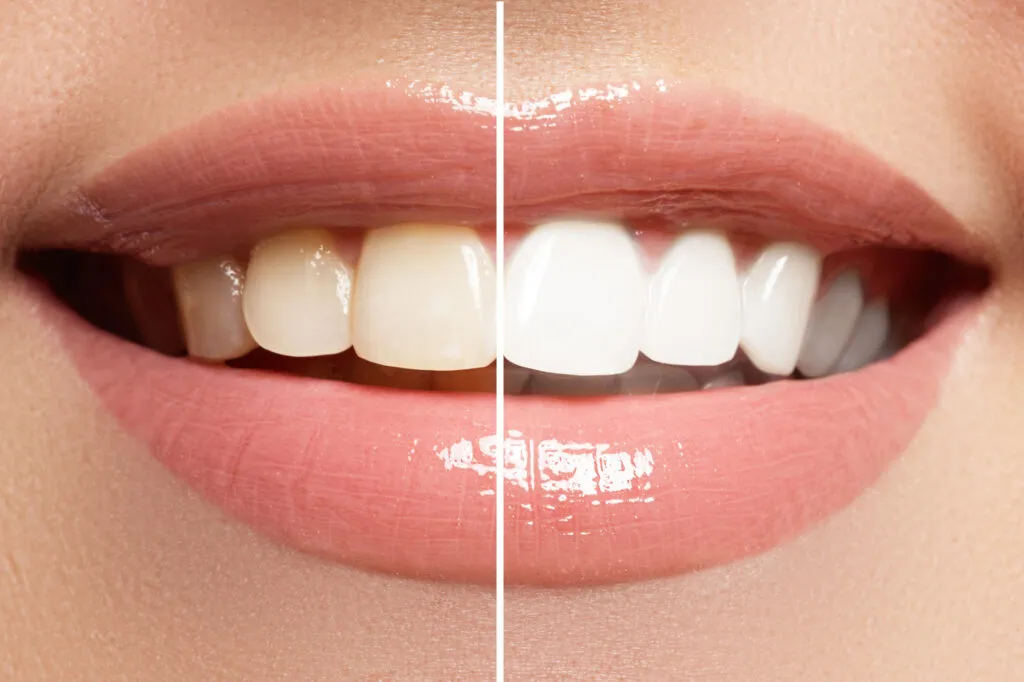
What is Zoom Whitening?
Zoom Whitening is a popular and effective in-office teeth whitening treatment. It’s a professional procedure that uses a high-concentration bleaching agent, typically hydrogen peroxide, activated by a special light. This light helps to accelerate the whitening process, allowing for dramatic results in a relatively short amount of time. Unlike over-the-counter whitening products, Zoom Whitening is administered by a dental professional, ensuring both safety and optimal results. The treatment is designed to remove stains and discoloration caused by factors like coffee, tea, smoking, and aging, leading to a brighter, more confident smile. This treatment offers a significant improvement in the appearance of teeth, boosting the patient’s self-esteem.
How Zoom Whitening Works
The core principle of Zoom Whitening involves the chemical breakdown of stain molecules within the tooth enamel. The hydrogen peroxide in the whitening gel penetrates the enamel and dentin, reaching the discolored areas. The Zoom light, which is a specialized LED or halogen lamp, catalyzes this process. The light’s energy accelerates the bleaching action, causing the hydrogen peroxide to release oxygen molecules. These oxygen molecules then break down the stain compounds, effectively lightening the teeth. The process is carefully monitored by the dentist to ensure patient comfort and to control the level of whitening achieved. This targeted approach allows for a significant improvement in tooth shade, often several shades lighter in a single session.
The Zoom Whitening Process Step by Step

The Zoom Whitening procedure is a carefully orchestrated process. It begins with a thorough dental exam and cleaning to remove any plaque or tartar. Next, the dentist isolates the teeth to be whitened, protecting the gums and soft tissues. A retractor is used to keep the mouth open, and a protective gel is applied to the gums. The whitening gel is then applied to the teeth, followed by exposure to the Zoom light for a specific duration. This cycle of gel application and light exposure is repeated several times during the session. The entire procedure, including preparation and multiple cycles, typically takes about an hour. After the final cycle, the dentist removes the gel and provides aftercare instructions, which are crucial for maintaining the results.
What is Dental Bonding?
Dental bonding is a cosmetic dental procedure used to repair or improve the appearance of teeth. It involves applying a tooth-colored resin material to the tooth and hardening it with a special light. Bonding is a versatile treatment option, addressing various dental imperfections such as chips, cracks, gaps, and discoloration. The resin is carefully shaped and polished to match the surrounding teeth, creating a natural-looking result. This minimally invasive procedure is a popular choice for those seeking to enhance their smile without undergoing more extensive treatments. The direct bonding process is often completed in a single visit, making it a convenient and cost-effective solution for many patients.
The Purpose of Dental Bonding
Dental bonding serves multiple purposes in cosmetic and restorative dentistry. It is frequently used to repair chipped or cracked teeth, restoring their shape and function. Bonding is also effective in closing small gaps between teeth, improving the overall aesthetics of the smile. It can address tooth discoloration, providing a more uniform appearance. In some cases, bonding is used to reshape teeth, making them appear more symmetrical or correcting minor misalignments. The procedure can also be used to protect exposed root surfaces or fill cavities. Overall, dental bonding aims to enhance the appearance and function of teeth, boosting a patient’s confidence and oral health.
Bonding Materials Explained

The primary material used in dental bonding is a composite resin. This resin is a mixture of plastic and glass particles, offering durability and a natural appearance. The resin comes in a wide range of shades, allowing dentists to match the color of the bonded material to the patient’s natural teeth. The process involves applying the resin in layers, shaping it, and then hardening it with a special curing light. After the resin has hardened, the dentist will shape and polish it to achieve the desired result. The composite resin is strong and resistant to staining, but proper care is still needed to maintain its appearance. The composite resin is designed to blend seamlessly with the natural tooth structure, providing a cosmetic solution that is both functional and aesthetically pleasing.
Can Zoom Whitening be Used with Bonding?
The short answer is: Zoom whitening does not work on dental bonding material. The whitening agents in Zoom Whitening only affect natural tooth enamel, not the composite resin used in bonding. This means that while the natural teeth will lighten, the bonded areas will remain the same color. This can lead to a mismatched appearance, where the natural teeth are significantly whiter than the bonded teeth. Therefore, it’s essential to consider the timing and sequence of these procedures to achieve the desired aesthetic outcome. Dentists usually recommend whitening your natural teeth before bonding to match the color of your new bonding with the whitened teeth.
The Effects of Zoom Whitening on Bonding
Zoom Whitening will not change the color of the bonding material itself. However, the whitening process can create a noticeable contrast between the whitened natural teeth and the unchanged bonded teeth. This can make the bonded areas appear more prominent or even discolored compared to the newly whitened teeth. Over time, the contrast can become even more apparent as the natural teeth gradually pick up stains, while the bonding material remains stain-resistant. This is why dentists often advise whitening the teeth before bonding, so the bonding can be matched to the new, lighter shade. This ensures a more uniform and pleasing aesthetic result, allowing for a seamless and natural smile.
Potential Risks and Considerations

When considering Zoom Whitening and bonding, it’s important to be aware of some potential risks and considerations. The primary concern is the color mismatch. If the bonding is done before whitening, the bonded material will not lighten, leading to uneven color. Another consideration is the potential need for replacing the bonding after whitening to match the new tooth shade. Additionally, some people may experience tooth sensitivity after whitening, although this is usually temporary. It’s crucial to discuss these risks with your dentist and create a treatment plan that aligns with your aesthetic goals. Always inform your dentist about any existing bonding before undergoing any whitening procedure.
Timing the Procedures
The ideal sequence is to whiten your teeth before having bonding. This allows the dentist to match the color of the bonding material to the new, lighter shade of your natural teeth. If you already have bonding, you may need to have it replaced after whitening to achieve a consistent color. Your dentist will assess your specific situation and provide personalized recommendations. This includes discussing the timing, the number of whitening sessions, and the selection of the right bonding material to perfectly match the new shade. Proper planning ensures the best possible aesthetic result, leaving you with a brighter, more uniform smile.
The Importance of Consultation
A thorough consultation with your dentist is crucial before undergoing Zoom Whitening or bonding. During this consultation, the dentist will assess your oral health, discuss your aesthetic goals, and explain the procedures involved. They will examine your teeth, evaluate the existing bonding (if any), and determine the best course of action. The consultation allows you to address any concerns, ask questions, and receive personalized recommendations. The dentist will explain how Zoom Whitening affects bonding and the potential need for adjustments. This step ensures that you are well-informed and helps you make informed decisions about your treatment. A good consultation is essential for a successful and satisfying outcome.
Alternatives to Zoom Whitening for Bonded Teeth

If you have bonded teeth and want to improve their appearance, there are alternative whitening options to consider. Your dentist might suggest professional cleaning and polishing to remove surface stains. Microabrasion can remove superficial stains on the enamel and can improve the look of the bonding by removing superficial stains surrounding the bonded materials. Another option is to replace the bonding with new material that matches the color of your whitened teeth. For minor discoloration, your dentist may recommend at-home whitening trays that use a less concentrated bleaching agent. Consulting with your dentist is the best way to determine the most appropriate approach.
Other Teeth Whitening Options
Besides Zoom Whitening, other teeth whitening options exist. Over-the-counter whitening products, such as whitening strips and toothpastes, offer a more accessible and affordable alternative. However, these products usually contain lower concentrations of whitening agents and may take longer to produce noticeable results. Custom-fitted whitening trays, prescribed by your dentist, provide a more effective solution than over-the-counter options and can be used at home. These trays are tailored to your teeth, ensuring the whitening agent comes into contact with the entire surface. Discussing the different options with your dentist is important to determine the best method for your specific needs and goals.
Maintenance and Aftercare
Maintaining the results of Zoom Whitening and bonding requires a consistent oral hygiene routine and certain lifestyle adjustments. This includes brushing your teeth twice a day with fluoride toothpaste, flossing daily, and using mouthwash. Avoiding staining foods and drinks, such as coffee, tea, red wine, and dark-colored berries, is also essential. Regular dental check-ups and cleanings will help maintain the brightness of your teeth. Your dentist may also recommend using a touch-up whitening treatment periodically to keep your smile looking its best. Proper care extends the longevity and appearance of the teeth whitening and bonded materials.
Caring for Your Teeth After Whitening and Bonding

After undergoing Zoom Whitening and bonding, careful maintenance is vital for preserving your new smile. Avoid smoking and limit consumption of foods and drinks that cause staining. Brush your teeth gently with a soft-bristled toothbrush. Regular dental check-ups and cleanings are essential for maintaining your oral health and addressing any issues. Be mindful of any sensitivity that may occur and report it to your dentist. By following these guidelines, you can prolong the results of your treatment and enjoy a bright, healthy smile for years to come. Good oral hygiene habits and regular dental visits are the keys to enjoying your refreshed smile for a long period.